

I. The Beauty of Form: Beyond the Circular Shape
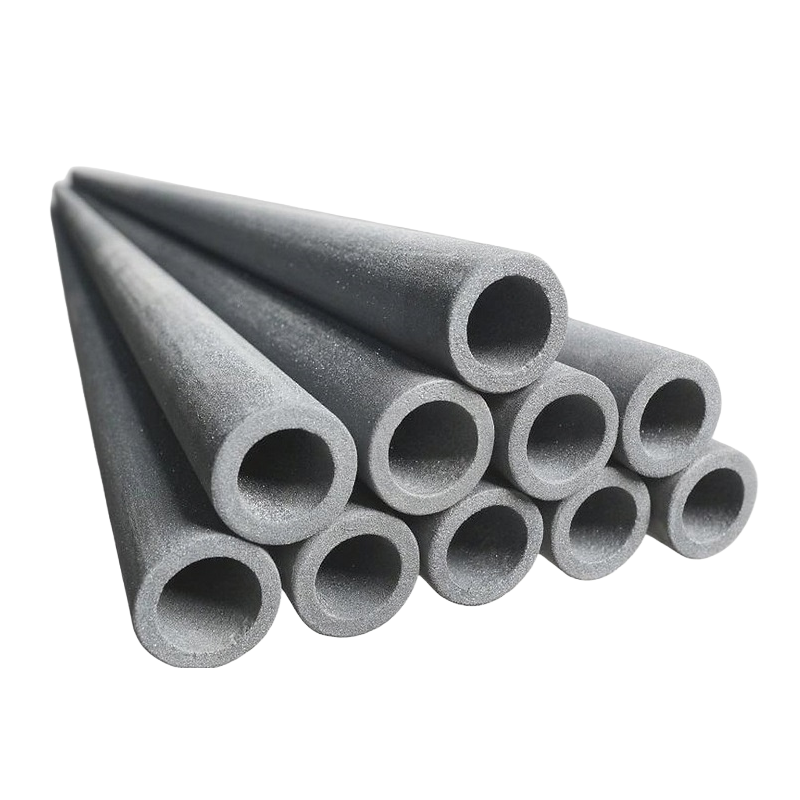
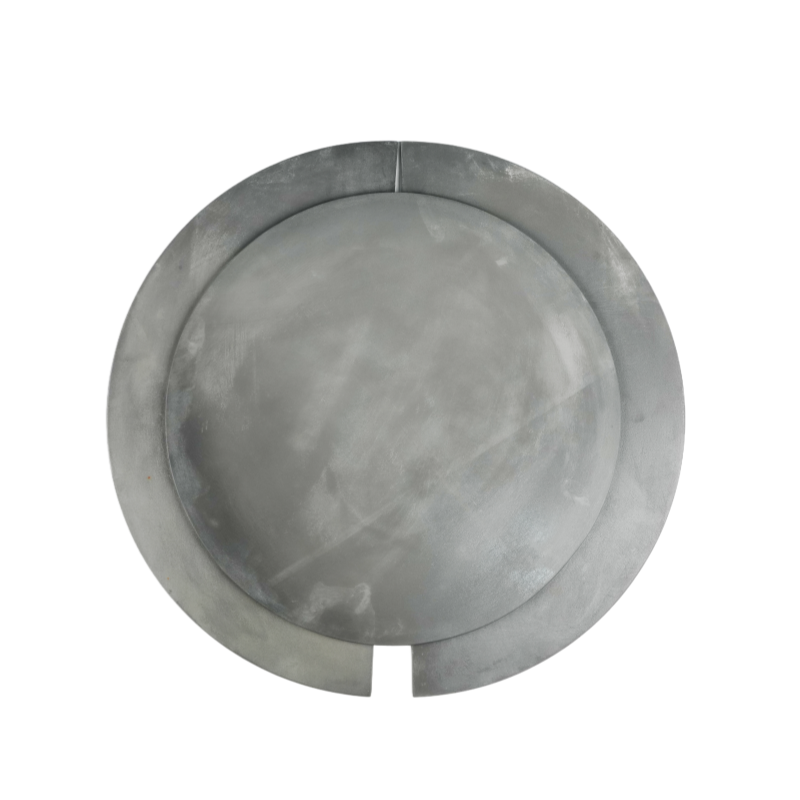
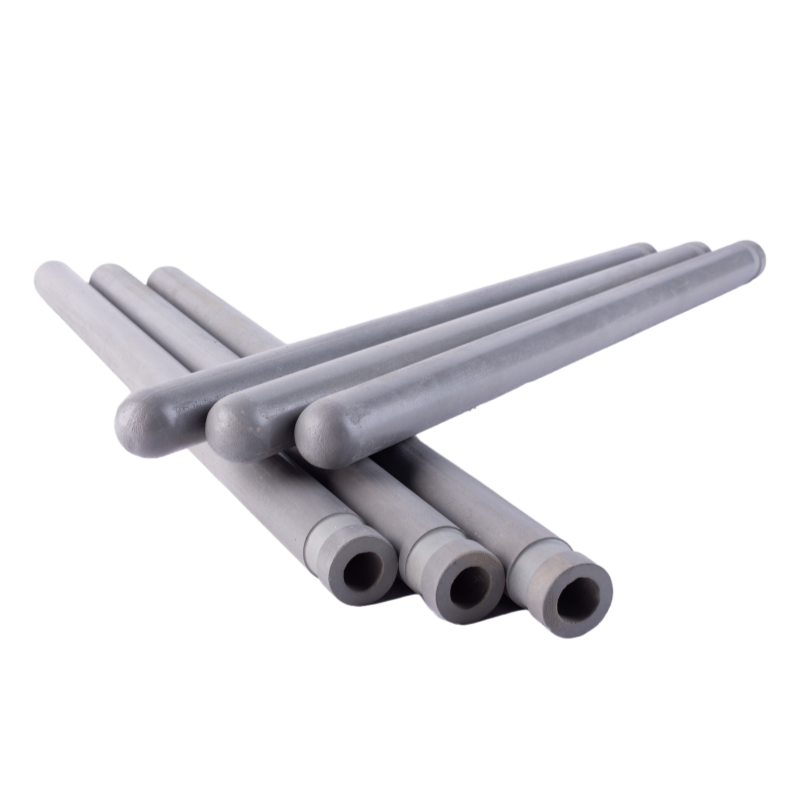
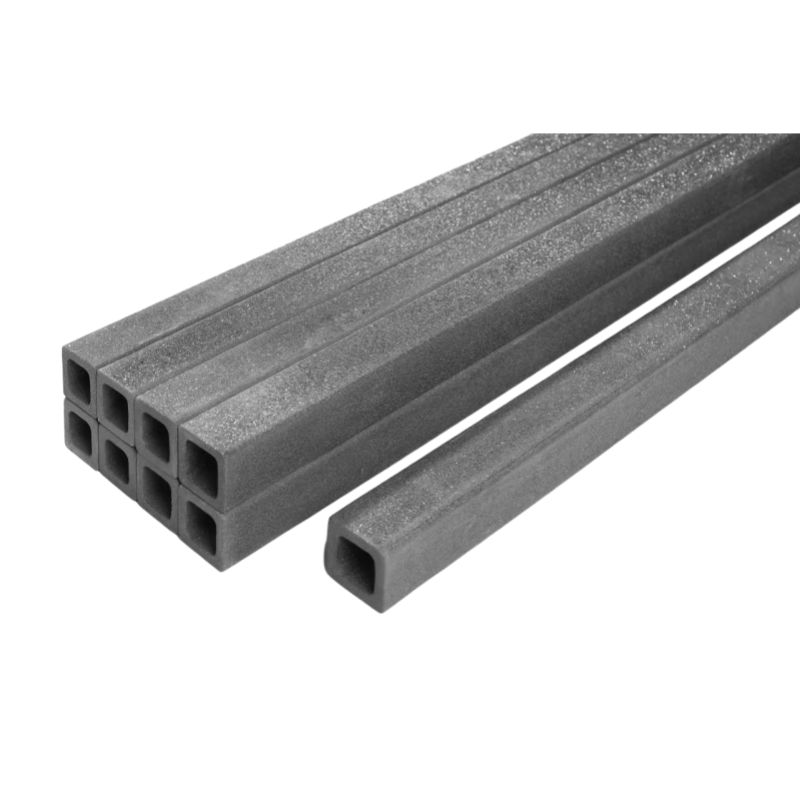
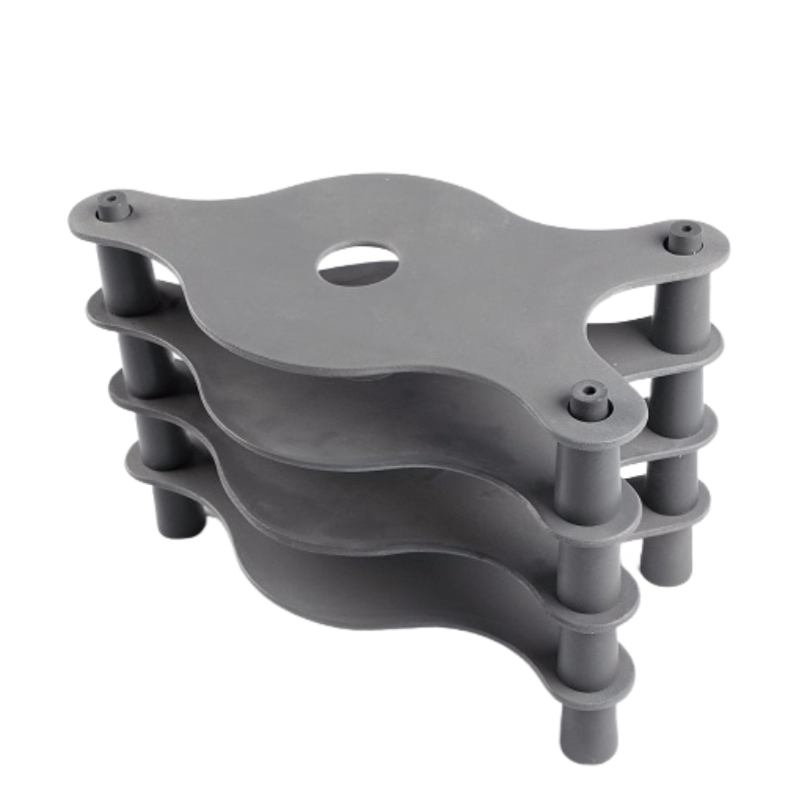
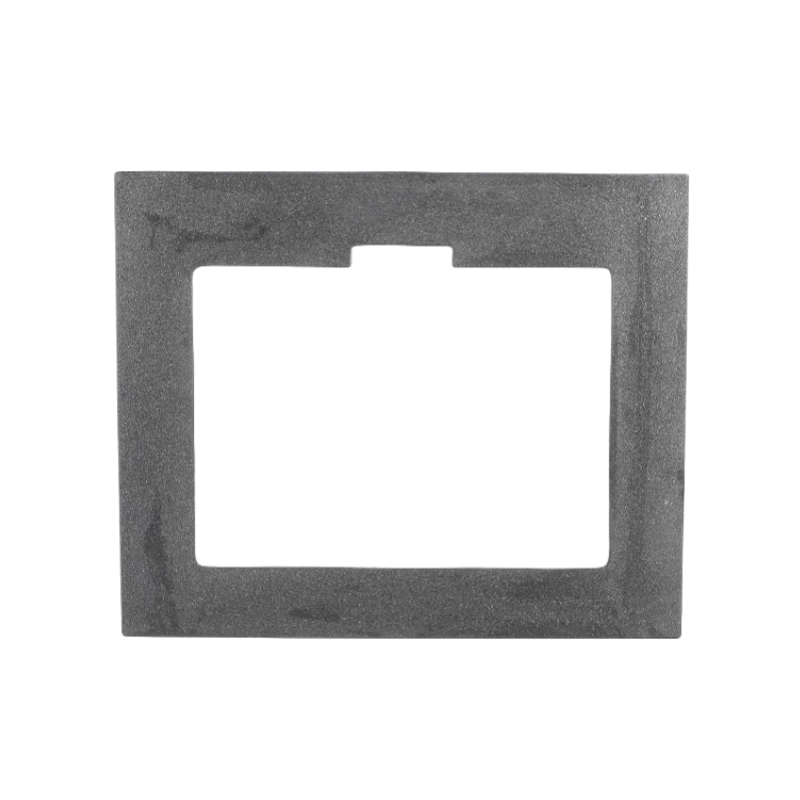
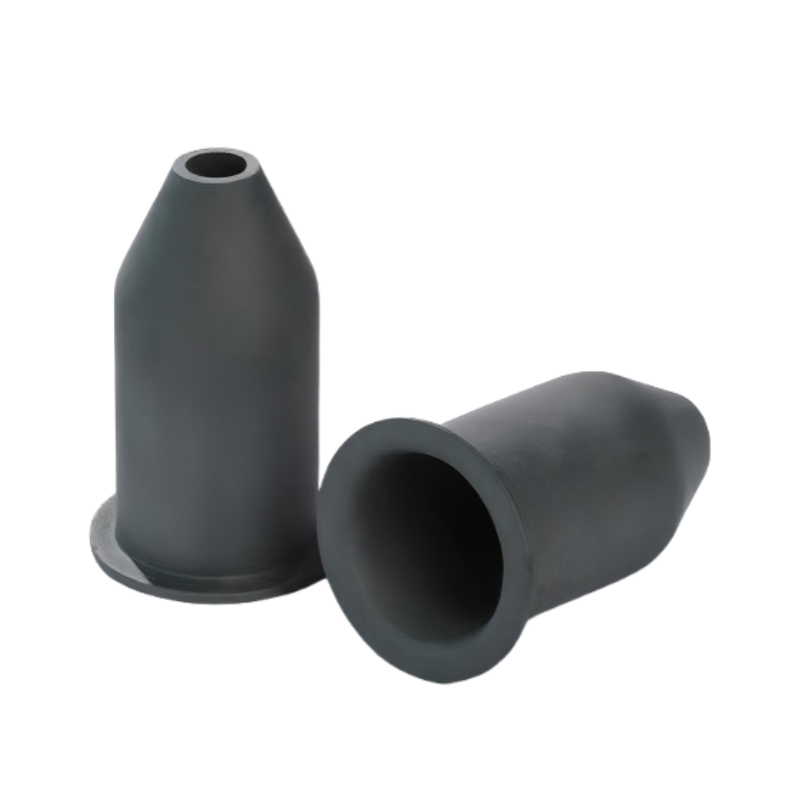
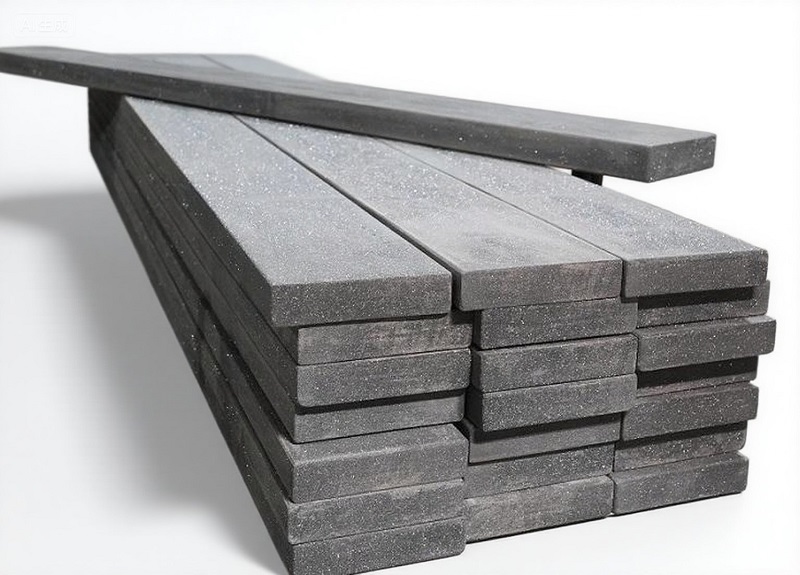
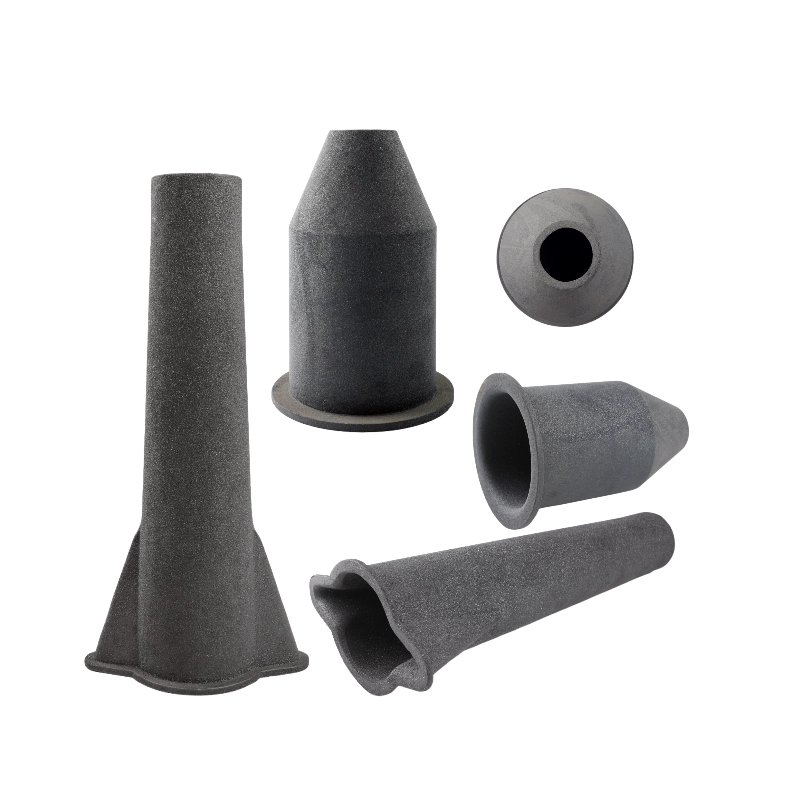
The shape design of recrystallized silicon carbide burners is an exquisite art that combines fluid dynamics, thermal engineering principles, and materials science. Its form is never arbitrary but meticulously crafted according to different combustion needs:
Analysis of Main Shapes
1. Cylindrical Straight-Tube Type (Standard)
Application scenarios: Common in standard configurations for industrial kilns
Structural features: Smooth inner cavity, stable airflow
Advantages: Simple manufacturing, strong versatility, suitable for medium-to-low temperature combustion
2. Venturi Tapered Type (High-Efficiency)
Application scenarios: High-efficiency combustion requiring precise air-fuel ratio control
Structural features: Large inlet, narrow throat, diffused outlet
Advantages: Creates a negative pressure zone, naturally induces combustion air, significant energy-saving effect
3. Flat Fan-Shaped Type (Wide-Flame)
Application scenarios: Situations requiring wide and uniform heating
Structural features: Outlet in the form of a flat narrow slit
Advantages: Forms a fan-shaped flame, provides even heating, avoids localized overheating
4. Multi-Hole Array Type (Dispersed-Flame)
Application scenarios: Low-temperature flameless combustion, low NOx emission requirements
Structural features: Surface distributed with hundreds of micropores
Advantages: Achieves flameless combustion, uniform temperature, extremely low pollutant emissions
5. Special Customized Types
Such as spiral guide type, pre-mixing chamber type, etc.
Tailor-made according to specific process requirements
II. Wide Range of Uses: The Master of Flame Across Industries
Recrystallized silicon carbide burners shine in multiple industrial fields due to their exceptional performance:
Main Application Areas
1. Ceramic Industry
Roller hearth kilns, tunnel kilns, shuttle kilns
Achieves precise control of oxidizing or reducing atmospheres
Particularly suitable for glaze firing of high-end sanitary ware and household ceramics
2. Metallurgical Heat Treatment
Aluminum alloy melting furnaces, copper annealing furnaces
Provides stable high temperatures, uniform metal heating
Performs excellently in controlled atmosphere heat treatment
3. Chemical Industry
Organic silicon synthesis, polysilicon production
Corrosion-resistant, adaptable to various reaction atmospheres
Serves as a heat source in fluidized bed reactors
4. Glass Industry
Glass melting furnaces, glass tempering furnaces
Clean flame, does not contaminate the glass melt
High precision in temperature control
5. Environmental Protection Field
Hazardous waste incinerators
Remains stable even in high-temperature corrosive environments
Completely decomposes organic pollutants
6. Laboratory and Scientific Research
High-temperature material sintering experiments
Combustion mechanism research
Small-scale devices requiring precise control
 III. Peak Advantages: Why Choose Recrystallized Silicon Carbide
Compared to metal and traditional ceramic burners, recrystallized silicon carbide burners demonstrate overwhelming technical advantages:
Six Core Advantages
1. Extreme Temperature Resistance
Long-term service temperature: 1650°C (in air)
Short-term tolerance: Up to 1800°C
300-500°C higher than most metal burners
2. Exceptional Thermal Shock Resistance
Extremely low thermal expansion coefficient (4.5×10⁻⁶/K)
Withstands rapid heating from room temperature to operating temperature
No special cooling procedure required during furnace shutdown
3. Outstanding Oxidation and Corrosion Resistance
Forms a dense SiO₂ protective layer on the surface
Resists corrosive components such as sulfur and chlorine in flames
Remains stable even in alternating reducing/oxidizing atmospheres
4. High Thermal Conduction Efficiency
Thermal conductivity: 40-50 W/(m·K) (at 1300°C)
Rapid heat transfer improves combustion efficiency
Uniform surface temperature avoids localized hot spots
5. Excellent Mechanical Strength
High retention rate of high-temperature flexural strength
Can withstand certain mechanical loads even at elevated temperatures
Resists deformation, maintaining precise geometric shape
6. Long Service Life and Economic Efficiency
Service life is 3-10 times that of traditional materials
Reduces frequency of shutdowns and replacements
Significant long-term comprehensive cost advantage
IV. Selection Guide: How to Choose the Right Shape
| Application Requirement | Recommended Shape | Key Considerations |
|---|---|---|
| Conventional Industrial Heating | Cylindrical Straight-Tube Type | Cost, versatility, ease of maintenance |
| Energy-Efficient Combustion | Venturi Type | Air-fuel ratio adjustment needs, energy-saving goals |
| Wide and Uniform Heating | Flat Fan-Shaped Type | Workpiece width, temperature uniformity requirements |
| Ultra-Low Emission Environmental Protection | Multi-Hole Array Type | Emission standards, combustion completeness |
| Special Process Requirements | Custom Designed Type | Specific process parameters, space constraints |
V. Future Trends: Integration of Intelligence and Green Technology
Technological Development Directions
Integration of Structure and Function
Integrated temperature sensors
Built-in flame detection devices
Intelligent adjustment of flame shape
Application of Additive Manufacturing
3D printing of complex internal flow channels
Achieving better fuel-air mixing
Personalized customization becoming the norm
Ultra-Low Nitrogen Oxide Design
Staged combustion structure
Flue gas internal recirculation design
Meets the most stringent environmental standards
Digital Twin and Optimization
CFD simulation guiding design
Digital twin predicting service life
AI optimization of operating parameters
VI. Conclusion
The recrystallized silicon carbide burner, this seemingly simple industrial component, actually embodies the highest achievements in materials science, thermal engineering technology, and precision manufacturing. Every curve of its shape is designed to harness the power of flame more efficiently, more cleanly, and more precisely.
When selecting a burner, one should not only consider the material and price but also deeply understand the scientific principles behind its shape and match them to one's own process requirements. The right choice not only means better product quality but also represents higher energy efficiency, lower operating costs, and stronger market competitiveness.
As industrial technology continues to develop towards greener and smarter directions, recrystallized silicon carbide burners will undoubtedly demonstrate their unique value in more fields, becoming the "Heart of Flame" that drives industrial upgrading.
[Contact us to Inquire or Order] or [Call Our Hotline].
