

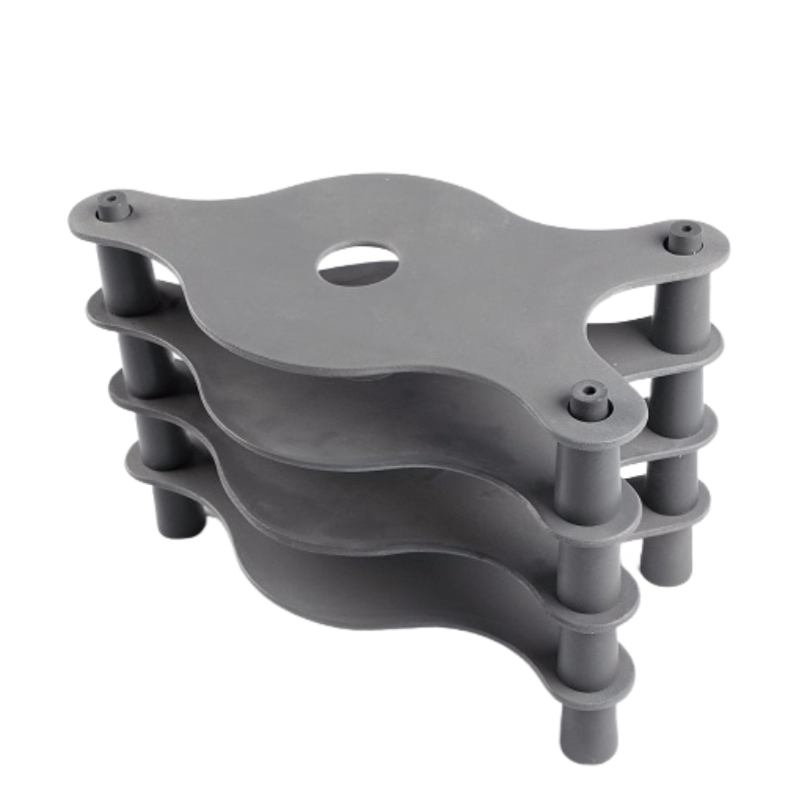
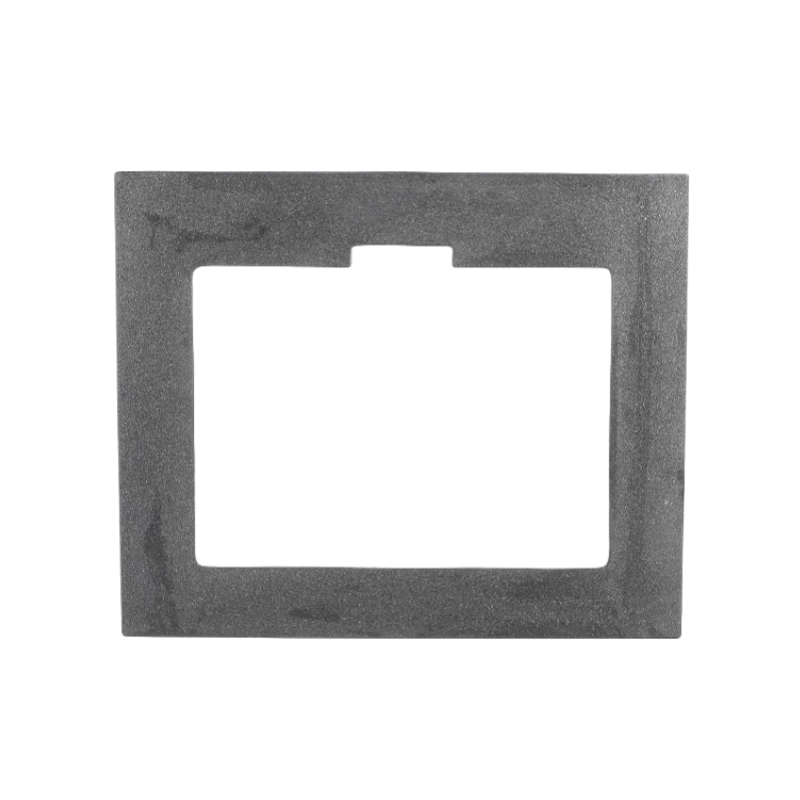
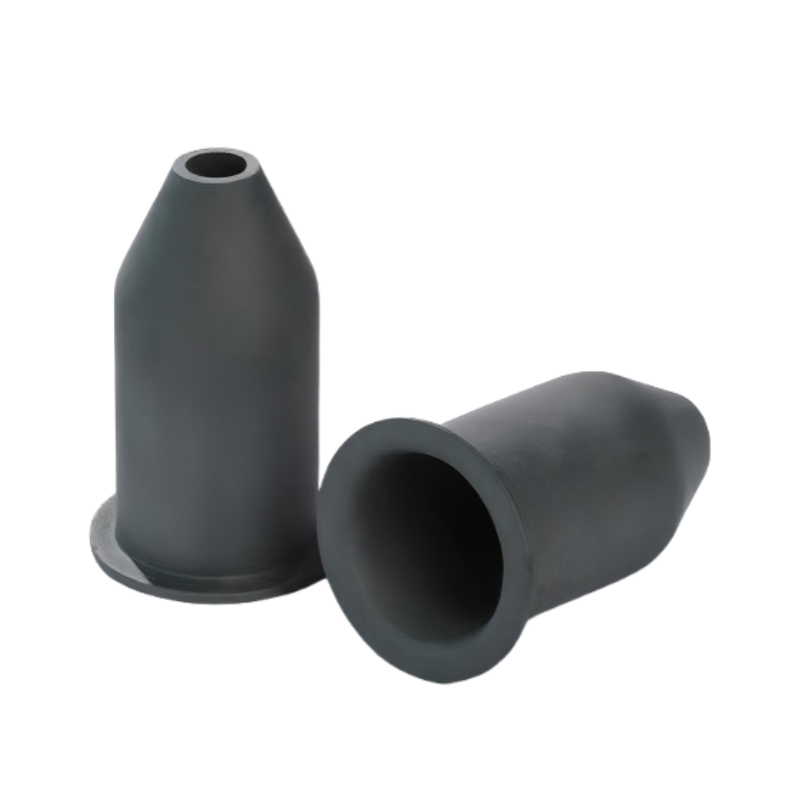
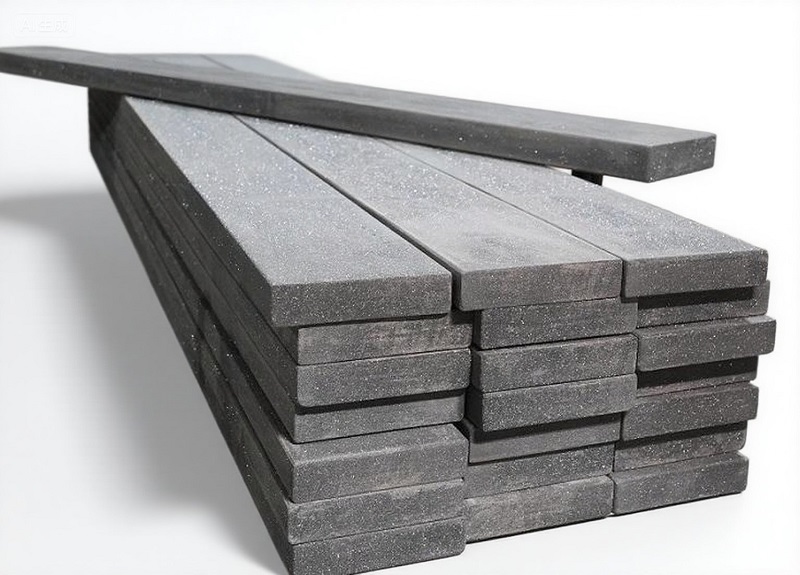
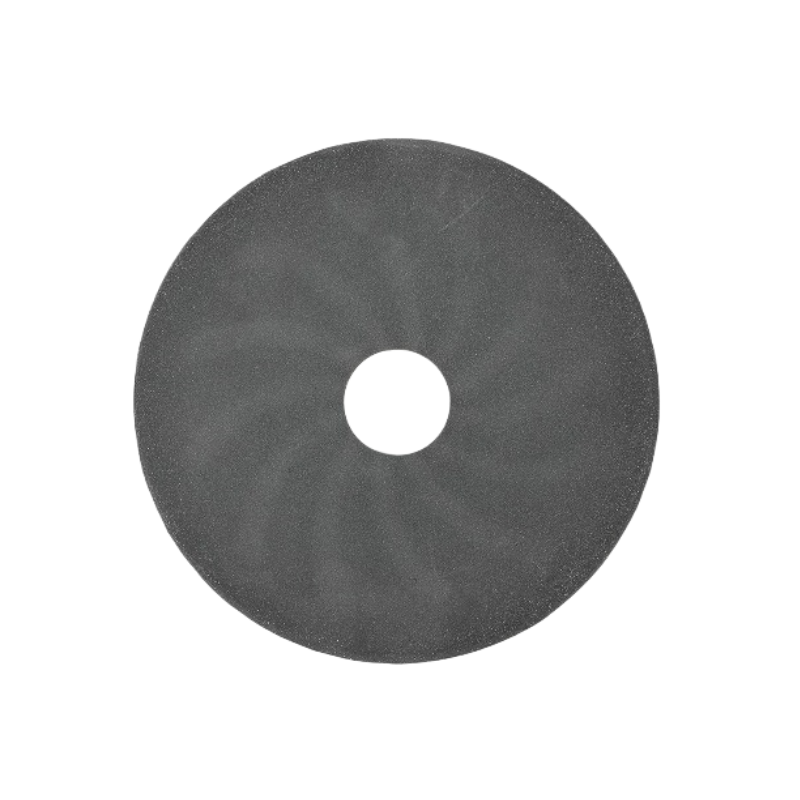
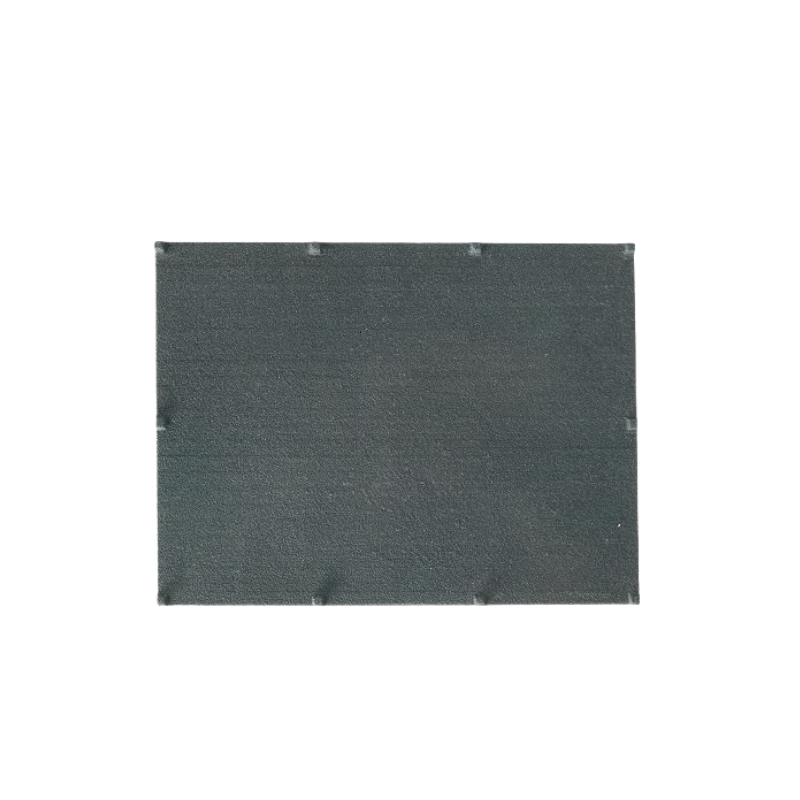
In the firing world of ceramics, advanced ceramics, refractories, or glass, the final outcome of opening the kiln always stirs emotions. However, the key to success or failure is often determined as early as the heating stage. A precise and controlled heating process is not only a guarantee for perfect results but also an investment in your valuable kiln furniture. Today, we will delve into the heating techniques in high-temperature kilns and reveal their inseparable relationship with kiln shelves and other kiln furniture.
I. The Core Goal of Heating: Uniformity and Stability
Heating is not simply about raising the temperature. Its core goal is to allow all areas within the kiln, all the pieces, and the kiln furniture supporting them to absorb heat evenly and stably, avoiding internal stress concentration that can lead to cracking or deformation.
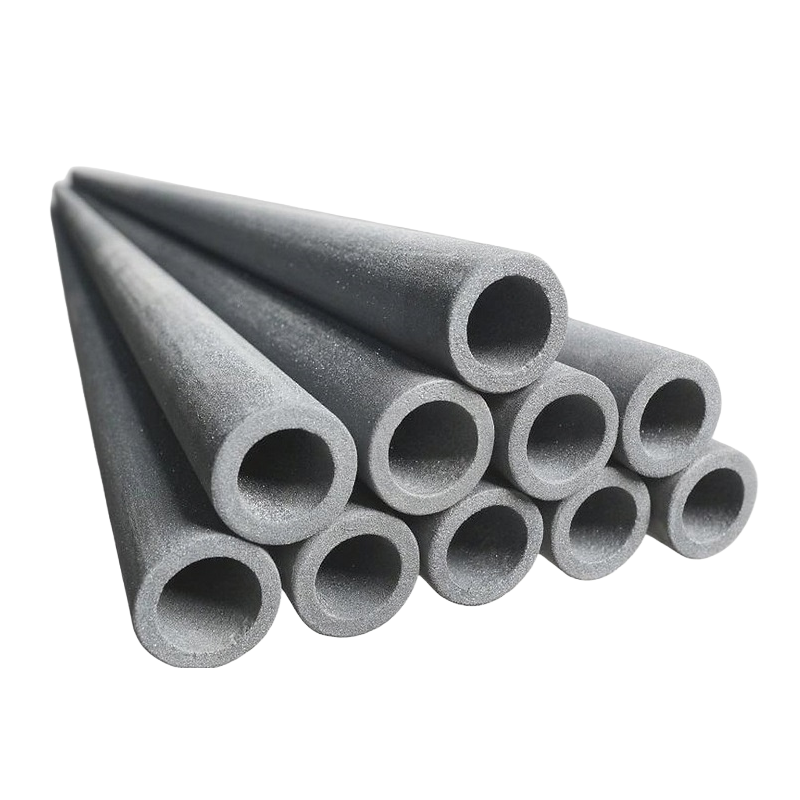
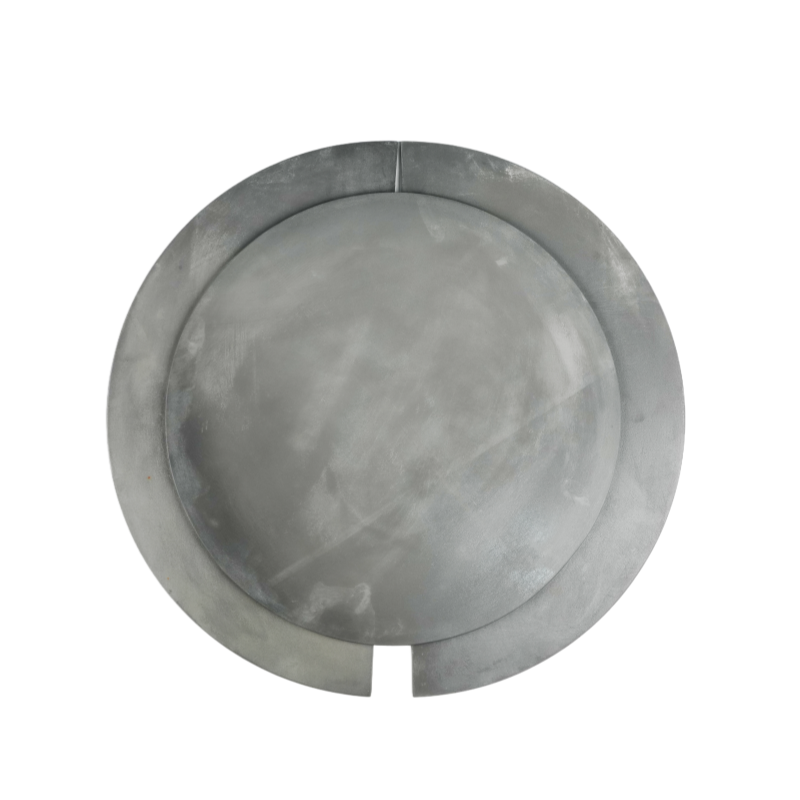
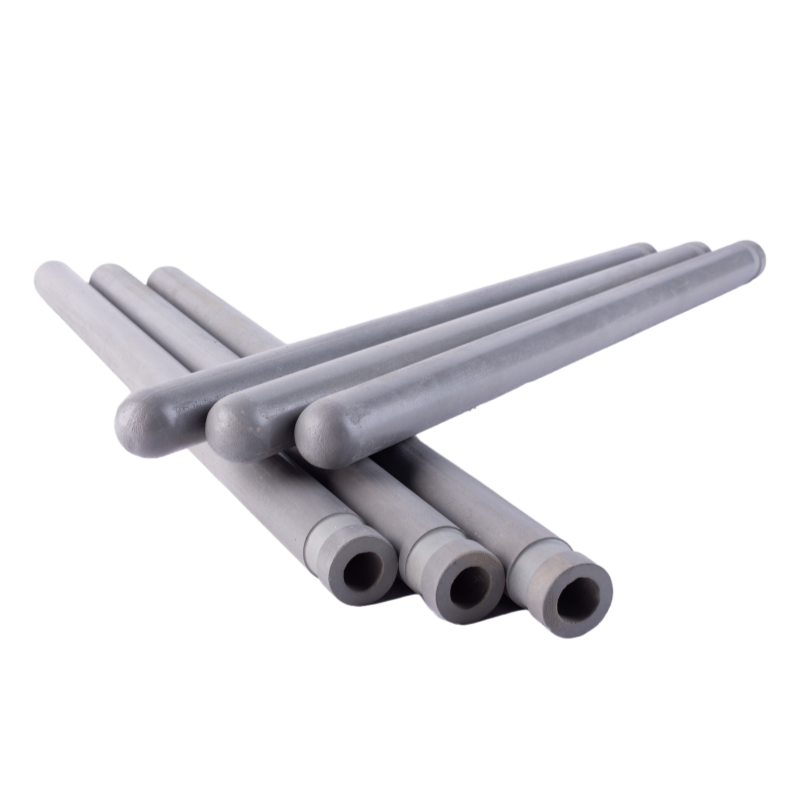
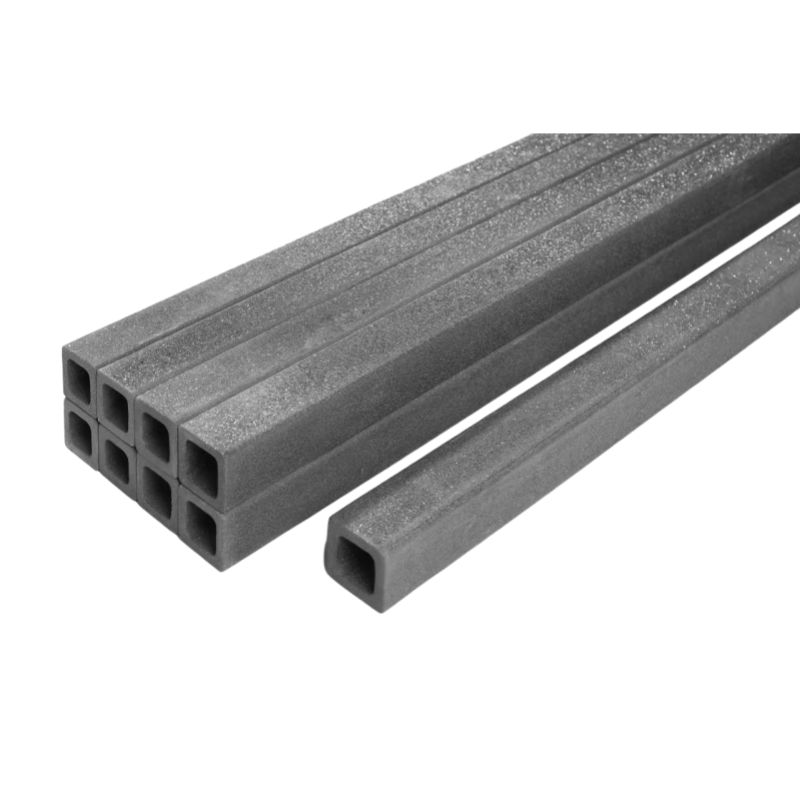
The Role of Kiln Furniture at This Stage: Kiln furniture (especially kiln shelves and posts) are not just carriers; they are also conductors and heat sinks for thermal energy. Their material, shape, and arrangement directly determine the efficiency and uniformity of heat transfer.
II. Key Techniques in the Heating Stages and Kiln Furniture Analysis
The heating process can be roughly divided into several key stages, each with its own specific objectives and considerations related to kiln furniture.
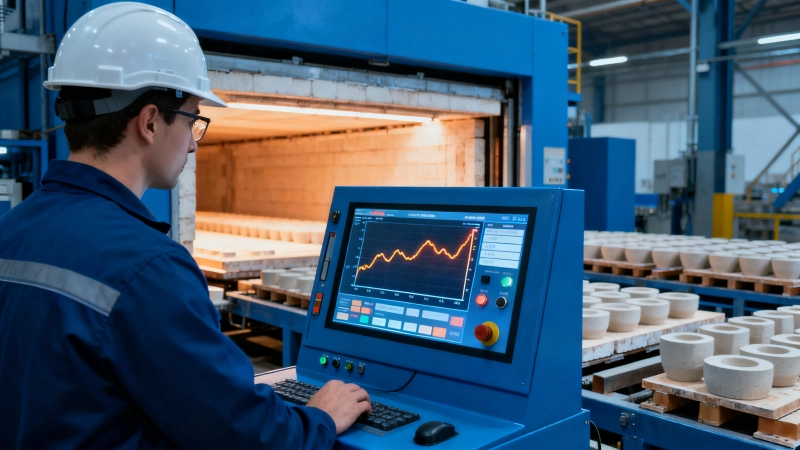
Stage 1: Room Temperature ~ 300°C — Removing Moisture ("Dewatering Period")
Core Technique: Slow and thorough ventilation.
Reason: This stage primarily removes physical water (free water) from the pores of the bodies and the kiln furniture itself. If heated too quickly, the water vaporizes rapidly, creating immense steam pressure that can cause the bodies to crack, or even cause kiln shelves to crack or "explode" due to excessive internal thermal gradients.
Relationship with Kiln Furniture:
Silicon Carbide (SiC): Excellent thermal shock stability, can withstand relatively faster heating rates in this stage, ideal for high-end applications.
Cordierite: Low thermal expansion coefficient, good thermal shock resistance, very suitable for repeated mid-to-low temperature firings, but has a lower load softening point, not suitable for very high temperatures or heavy loads.
Alumina: High strength, but relatively poor thermal shock resistance, requires extra slow heating in this stage.
Kiln Furniture Material: Choosing kiln furniture material with moderate porosity and excellent thermal shock resistance is crucial. For example:
Kiln Furniture Arrangement: Ensure sufficient space between kiln furniture pieces, and between kiln furniture and the kiln walls, to allow water vapor to escape smoothly and avoid localized steam pressure buildup.
Stage 2: 300°C ~ 600°C — Removal of Chemically Combined Water & Organic Burn-off ("Oxidation Period")
Core Technique: Maintain a moderately slow heating rate and ensure sufficient oxygen supply.
Reason: Chemically combined water in the body decomposes and is released in this stage. Simultaneously, organic matter (e.g., binders) in the glaze or body needs to oxidize and burn out. Lack of oxygen or overly rapid heating can result in blackened bodies, bloating (carbon deposition).
Relationship with Kiln Furniture:
Heat Transfer: The kiln furniture begins to store heat at this stage. If the kiln furniture itself has good thermal conductivity (like silicon carbide), it can transfer heat to the pieces above more quickly, aiding in overall kiln temperature uniformity.
Structural Support: As the temperature rises, the strength of the bodies drops to its minimum, relying entirely on the flatness and stability of the kiln furniture to maintain their shape. Any warped kiln shelf can cause product deformation.
Stage 3: 600°C ~ Peak Firing Temperature — Sintering & Densification ("High-Temperature Period")
Core Technique: Increase temperature controllably based on the material and kiln capabilities, and consider holding at critical temperatures (e.g., near the quartz inversion at ~573°C).
Reason: The body begins to sinter, liquid phases may appear, and complex physical and chemical reactions occur. This stage is critical for the final properties of the product.
Relationship with Kiln Furniture:
Silicon Carbide Furniture: Maintains extremely high high-temperature strength and creep resistance even above 1600°C, deforming minimally, making it the premier choice for high-temperature firings (>1300°C).
Mullite Furniture: Has good high-temperature performance but may experience slight creep under prolonged use at very high temperatures.
Cordierite Furniture: Reaches its upper-temperature limit; further heating will cause softening and deformation.
High-Temperature Strength & Creep Resistance: This is the ultimate test for kiln furniture!
Chemical Compatibility: Ensure the kiln furniture does not react chemically with the ware or kiln wash (if used) at high temperatures. For example, molten glaze dripping onto a shelf should not fuse to it.
Stage 4: Peak Temperature ~ Room Temperature — Cooling Stage
Core Technique: The cooling rate is as important as the heating rate!
Reason: Rapid cooling creates significant thermal stress within both the ware and the kiln furniture, leading to "dunting" (cooling cracks) or hidden damage.
Relationship with Kiln Furniture:
Thermal Shock Resistance: The cooling process is another severe test of the kiln furniture's thermal shock resistance. Furniture with poor thermal shock resistance (like some thick alumina plates) is prone to cracking during rapid cooling.
Thermal Conductivity: Kiln furniture with high thermal conductivity (like silicon carbide) dissipates heat faster, aiding uniform cooling, but also requires the cooling schedule to be matched accordingly to avoid excessive cooling rates.
III. General Principles for Developing a Firing Schedule
Know Your Materials: Understand the characteristics of the body and glaze, knowing the key temperature points for dehydration, oxidation, sintering, and phase transformations.
Know Your Kiln: Different kilns (electric, gas, shuttle, tunnel) have different heat distribution profiles and heating capabilities.
Know Your Kiln Furniture: This is the most easily overlooked factor! Treat kiln furniture as an integral part of the entire thermal system, not just as consumables.
New Kiln Furniture: For the first use, a "bisque firing" is recommended—firing empty to a relatively high temperature to stabilize its performance and release internal stresses.
Used Kiln Furniture: Regularly inspect kiln furniture for cracks, warping, or glaze adhesion. Slightly warped shelves can severely affect the flatness of subsequent firings.
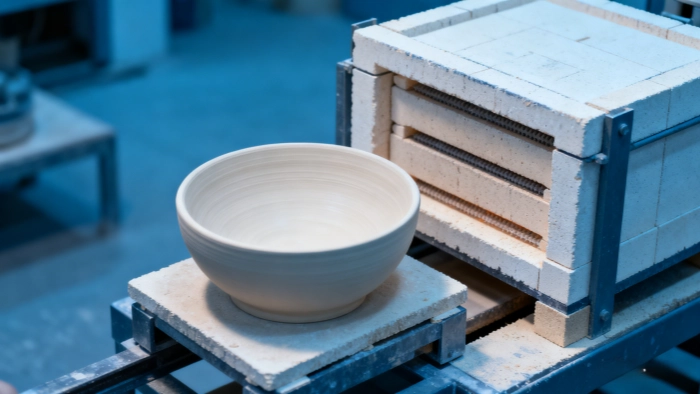
Conclusion: Kiln Furniture is Your 'Partner' in Heating Strategy
A successful firing is a precise dance between material, kiln, process, and kiln furniture. Kiln furniture, especially kiln shelves, are not passive bystanders. They are active "partners" in your heating strategy.
Investing in high-quality kiln furniture (like Recrystallized Silicon Carbide) means you gain:
A Wider Process Window: Allows safer heating/cooling rates.
Superior Firing Results: Excellent thermal conductivity leads to better temperature uniformity.
Lower Long-Term Cost: Longer service life and lower failure rates.
Therefore, the next time you develop a firing schedule, be sure to ask yourself: "Is my kiln furniture ready for this?" Understanding and respecting their capabilities and limits will not only help you achieve more perfect results in each firing but also ensure a more stable and economical path in your long-term creative journey.
[Contact us to Inquire or Order] or [Call Our Hotline].
We can also accommodate your needs even for small quantity orders.Click Here to Visit Our Official Retail Site and Explore Product Details Now!——kilnshelves-sic.com
