

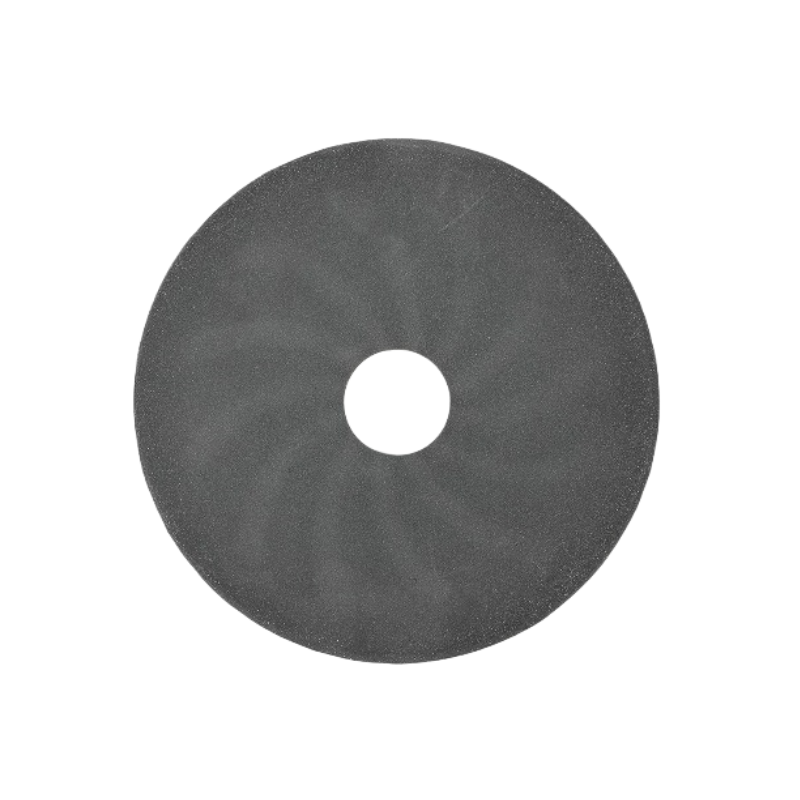
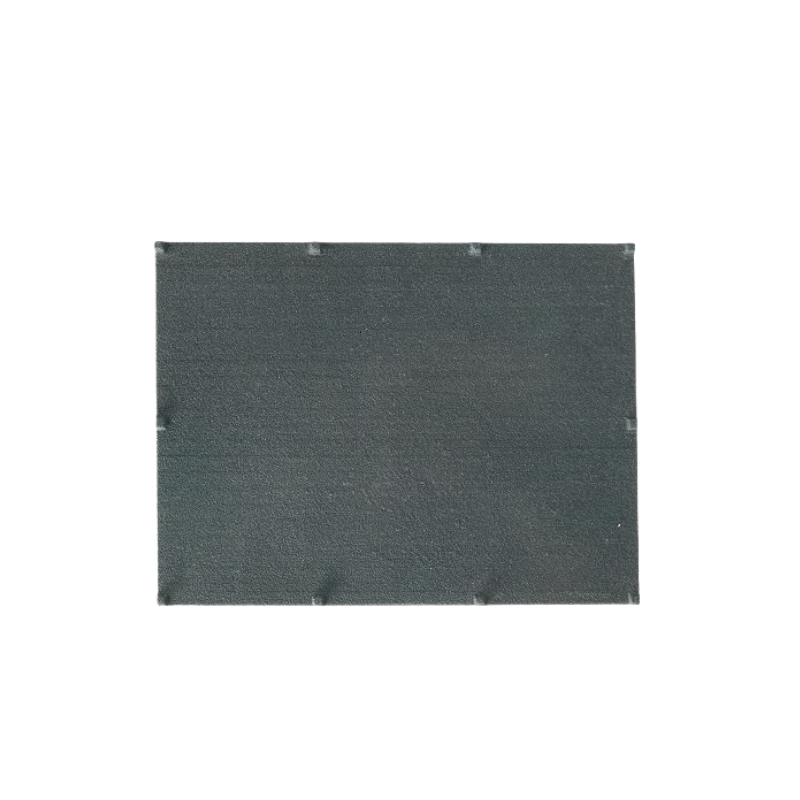
In humanity's relentless quest to push the boundaries of materials, one substance has quietly become a foundational pillar for everything from traditional industry to frontier science, thanks to its near-limitless performance. This material is High-Purity Recrystallized Silicon Carbide (often abbreviated as RSiC). If conventional silicon carbide can be called the "industrial tooth," then its high-purity, recrystallized form is undoubtedly a transcendent "super ceramic." Today, let's delve into how this "black bedrock" is reshaping numerous critical fields.
I. The Path of Creation: What is High-Purity Recrystallized Silicon Carbide?
To understand its extraordinary applications, one must first know its genesis. The creation of RSiC is a metamorphosis under extreme heat.
A High-Purity Start: It begins with extremely pure alpha-phase silicon carbide powder as the raw material, ensuring minimal impurities.
The Recrystallization Magic: In an inert atmosphere exceeding 2200°C, a vaporization-condensation mass transfer occurs on the surface of the SiC grains. Without any sintering additives, a strong microstructure forms through direct bonding between grains.
A Performance Leap: This process bestows unique properties: exceptional purity (>99%), outstanding high-temperature strength, superior thermal shock resistance, excellent wear and corrosion resistance, and crucially, high thermal conductivity and semiconductor characteristics. It differs from reaction-bonded or pressureless sintered silicon carbide, being an intrinsically pure, "self-bonded" ceramic.
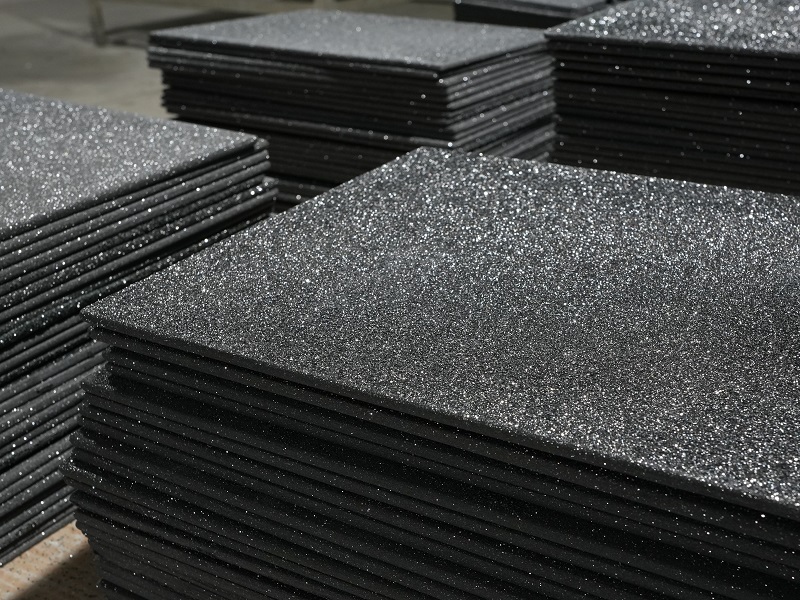
II. Conquering Diverse Fields: An In-Depth Look at Core Applications
Leveraging its combined matrix of properties—"high-temperature resistance, great strength, wear resistance, high thermal conductivity, and corrosion resistance"—RSiC excels in the most demanding environments.
1. The "Loyal Guardian" of High-Temperature Industry: Kiln Furniture and Thermal Components
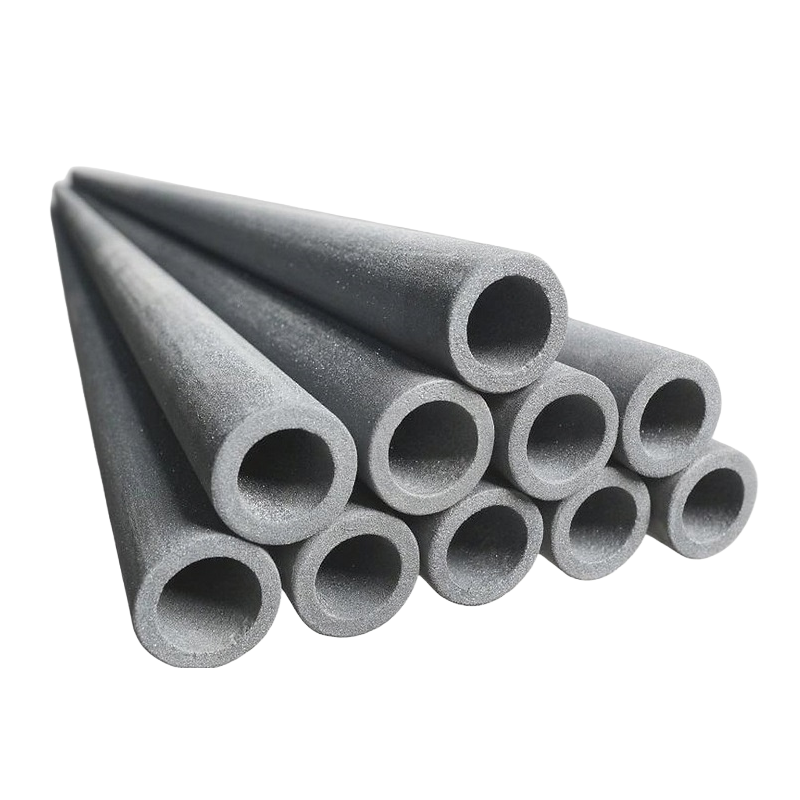
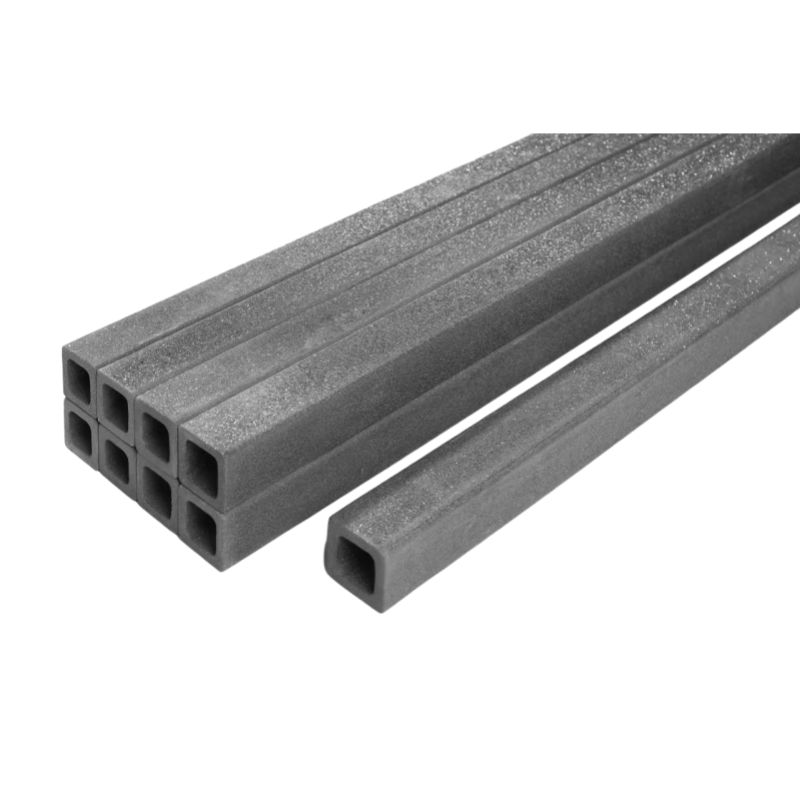
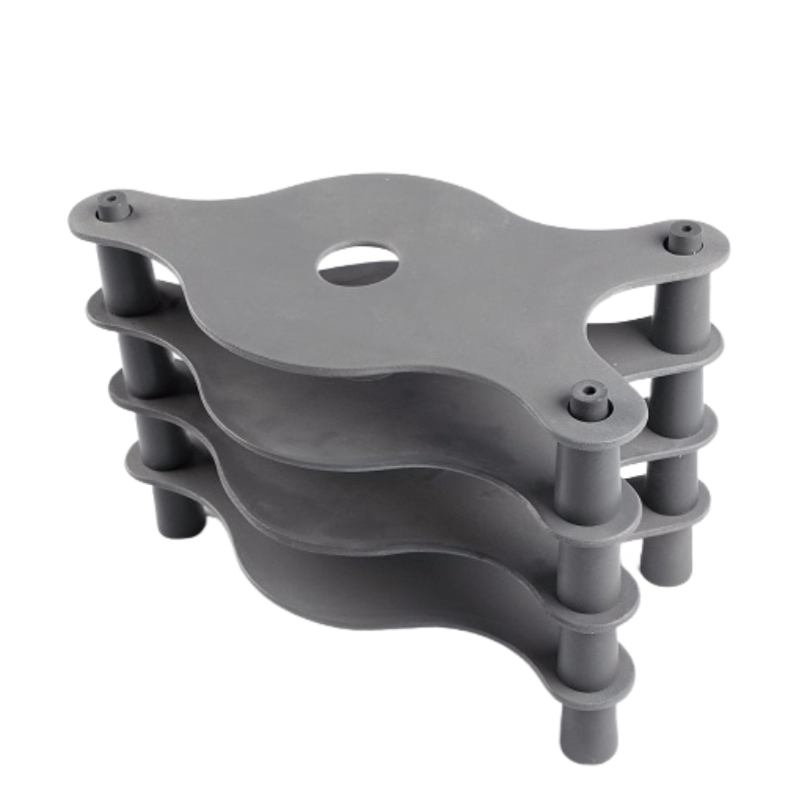
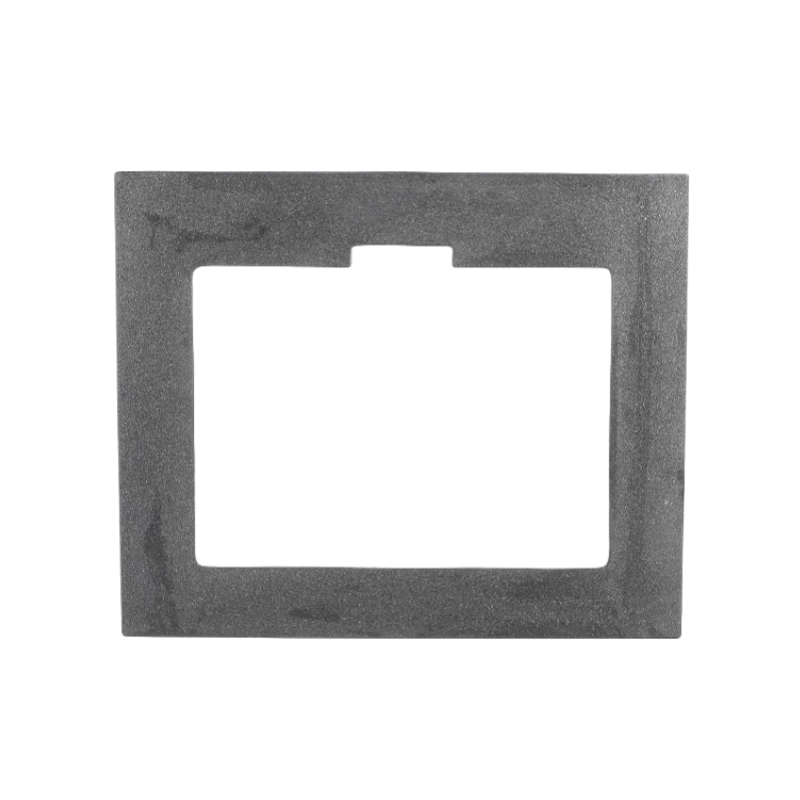
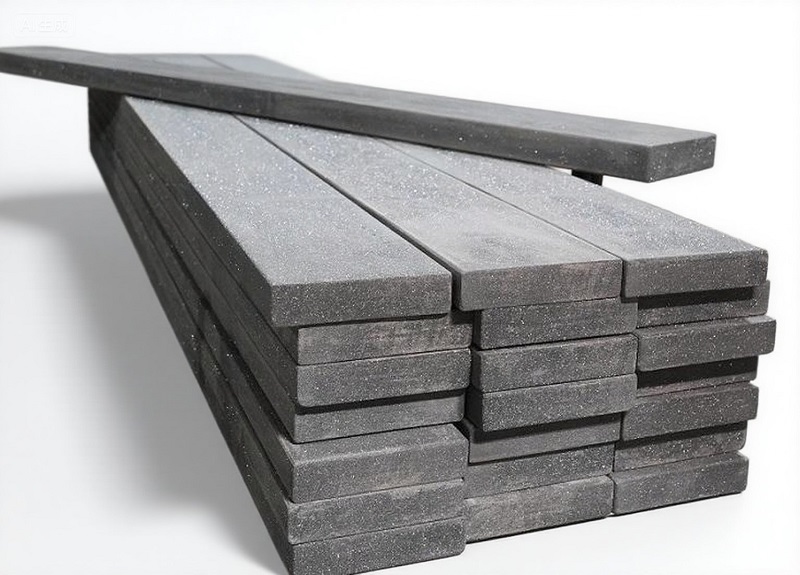
This is the most traditional and stable application area. In kilns used for firing ceramics, lithium battery materials, magnetic materials, phosphors, etc., at temperatures above 1300°C, RSiC-made roller tubes, beams, setters, and saggars are indispensable "skeletons."
Why is it Suitable? Its load-bearing capacity at high temperatures is extremely high, with minimal creep, ensuring no deformation or collapse over dozens or even hundreds of firing cycles. Compared to traditional alumina materials, it significantly reduces kiln furniture weight, increases loading capacity, and saves energy due to its high thermal conductivity.
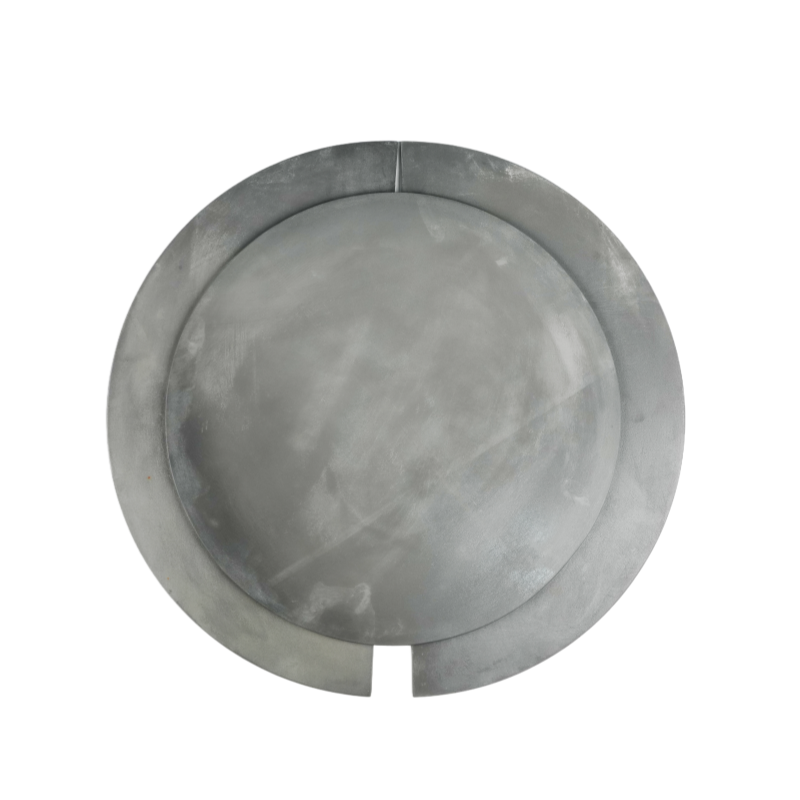
Cutting-Edge Example: In pusher kilns for lithium iron phosphate (LFP) cathode materials, RSiC pusher plates directly withstand chemical erosion and high-temperature pressure from the raw materials, which is key to ensuring continuous production for thousands of hours.
2. The "Foundational Support" of Semiconductor Manufacturing: Wafer Heat Treatment Consumables
This is where the value of high purity is most critically realized. In high-temperature semiconductor processes like diffusion, oxidation, and annealing, wafers need to be held within furnace tubes.
Core Application: Components made from RSiC, such as wafer boats, paddles, and furnace tubes, are the preferred materials for these high-temperature tools.
Why is it Irreplaceable? Its extreme purity ensures almost no leaching of metallic ion impurities at process temperatures above 1200°C, preventing wafer contamination. Simultaneously, its high thermal conductivity enables a more uniform temperature field within the furnace, guaranteeing the extreme uniformity required for chip fabrication. As chip manufacturing processes advance to the nanoscale, demands for the purity and stability of thermal field consumables become almost苛刻, further solidifying RSiC's position.
3. The "Incubation Base" of Brilliant Light: Key Components for LEDs and Crystal Growth Furnaces
In crystal growth equipment for sapphire crystals (LED substrates)—such as Kyropoulos or Heat Exchanger Method (HEM) furnaces—RSiC is a core material for the thermal assembly.
Key Roles: It is used to make crucibles, heaters, heat shields, and more.
Performance Match: In the reducing/vacuum environments above 2000°C, RSiC can operate stably long-term, providing a pure, uniform, and controllable high-temperature environment for crystal growth. Its thermal shock resistance perfectly suits the rapid cooldown required after growth.
4. The "Core Medium" for Environmental Protection and New Energy: Desulfurization and Burner Nozzles
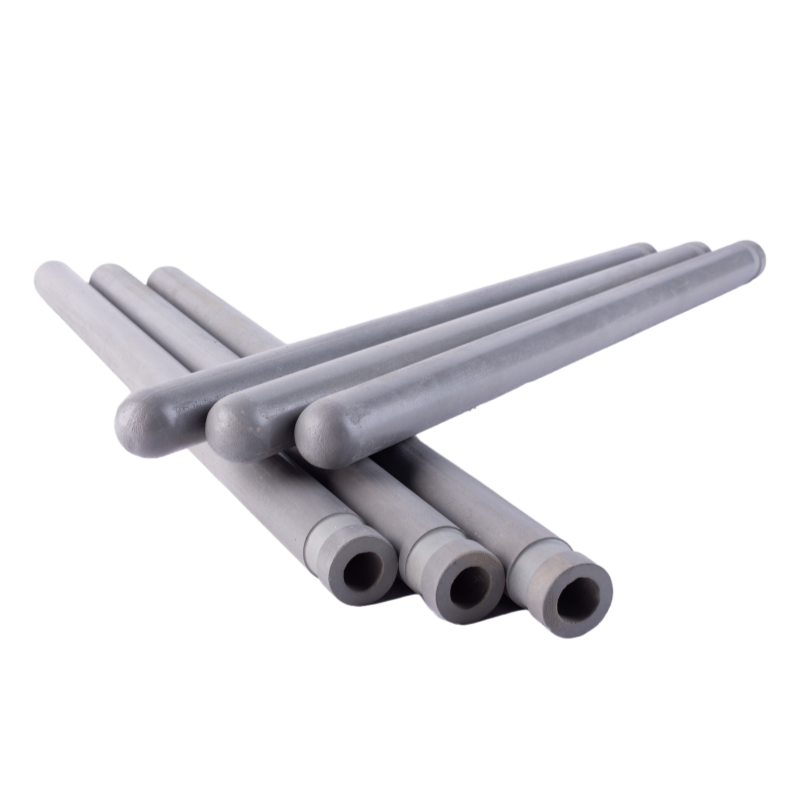
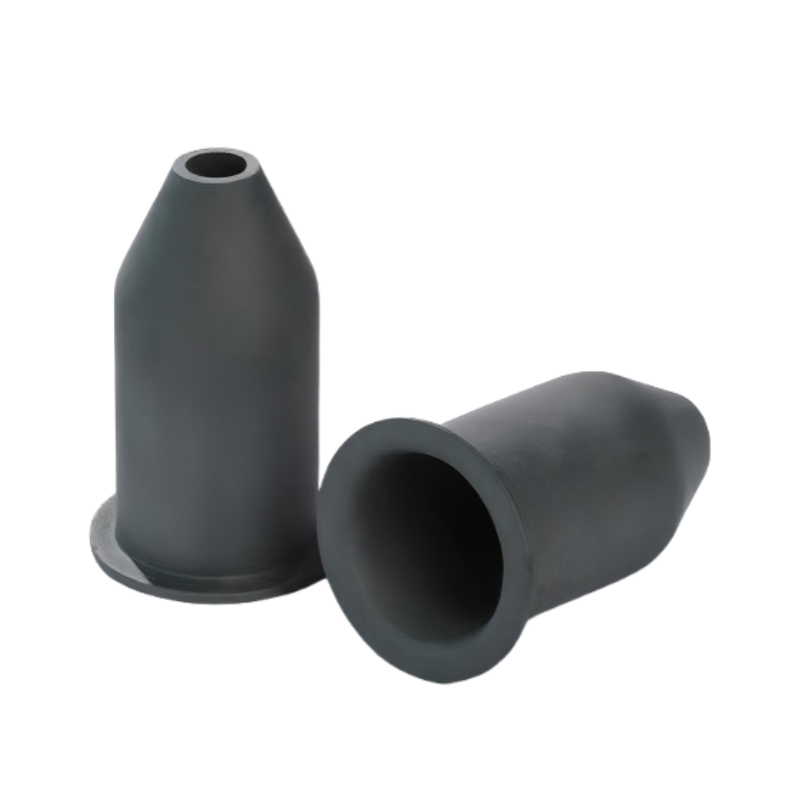
Environmental Desulfurization: In wet flue gas desulfurization (FGD) systems for power plants and steel mills, lances and spiral nozzles made of RSiC must endure prolonged erosion from high-velocity limestone slurry and corrosion from chloride ions, boasting a service life far exceeding that of metal or polymer materials.
High-Efficiency Combustion: As non-metallic burner nozzles, RSiC can be used in high-temperature clean combustion systems. Resistant to fuel gas corrosion, they enable more uniform flame distribution and higher combustion efficiency.
5. The "Tool for Exploration" in Extreme Environments: Aerospace and Defense
In this sector, the potential of RSiC is being rapidly unlocked.
Application Directions: As nozzle throat inserts and jet vanes in rocket engines, utilizing its ultra-high melting point and ablation resistance; as a candidate material for leading edges and thermal protection systems (TPS) in next-generation hypersonic vehicles, coping with extreme aerodynamic heating.
Future Outlook: Its combination with carbon or silicon carbide fibers to create lighter, stronger Ceramic Matrix Composites (CMCs) represents a revolutionary direction for hot-section components in next-generation aircraft engines.
III. Future Prospects: Challenges and Evolution
Of course, RSiC is not omnipotent. Its intrinsic brittleness and relatively high manufacturing cost are the main constraints. Future development will focus on the following directions:
Composite Material Development: Combining with fibers or particles to significantly improve toughness while maintaining excellent properties.
Near-Net-Shape Forming and Additive Manufacturing: Developing more complex molding and 3D printing technologies to reduce machining costs and expand structural design freedom.
Functional Integration: Exploring more possibilities for its use as a high-temperature semiconductor, sensor, or mirror substrate material.
Conclusion
From supporting the precision manufacturing of the global semiconductor industry to safeguarding environmental emission reductions and aiding humanity's exploration of the cosmos in cutting-edge equipment, high-purity recrystallized silicon carbide is ubiquitous. It may not have the dazzle of graphene or the of superconducting materials, but it is precisely the kind of "key player" that operates behind the scenes, bearing extreme conditions and ensuring system reliability. As manufacturing processes continue to advance and interdisciplinary applications converge, this "black bedrock" is destined to play an increasingly irreplaceable role in the grand blueprint of future industry and technology.
[Contact us to Inquire or Order] or [Call Our Hotline].
