

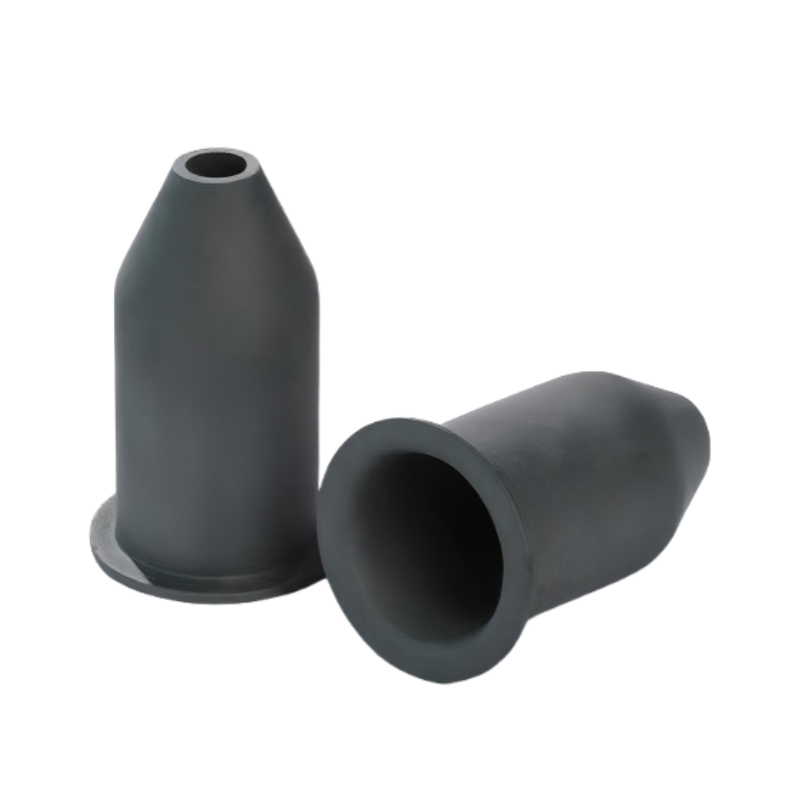
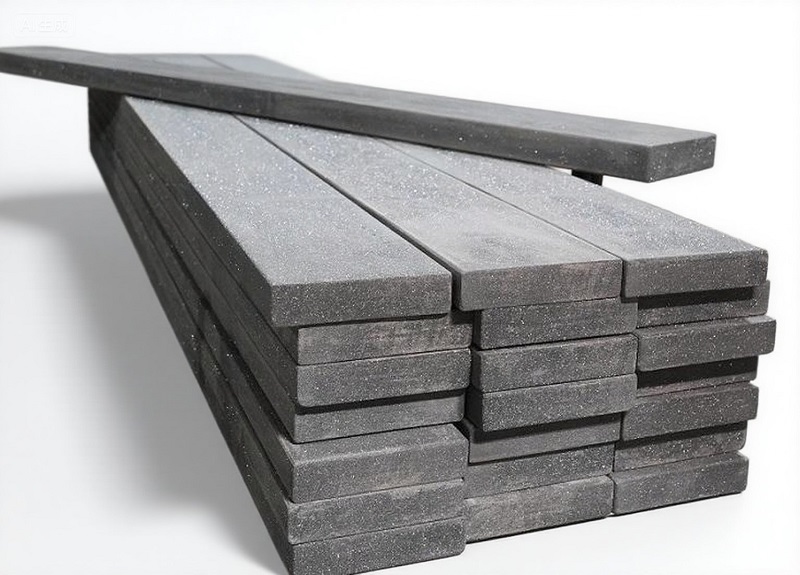
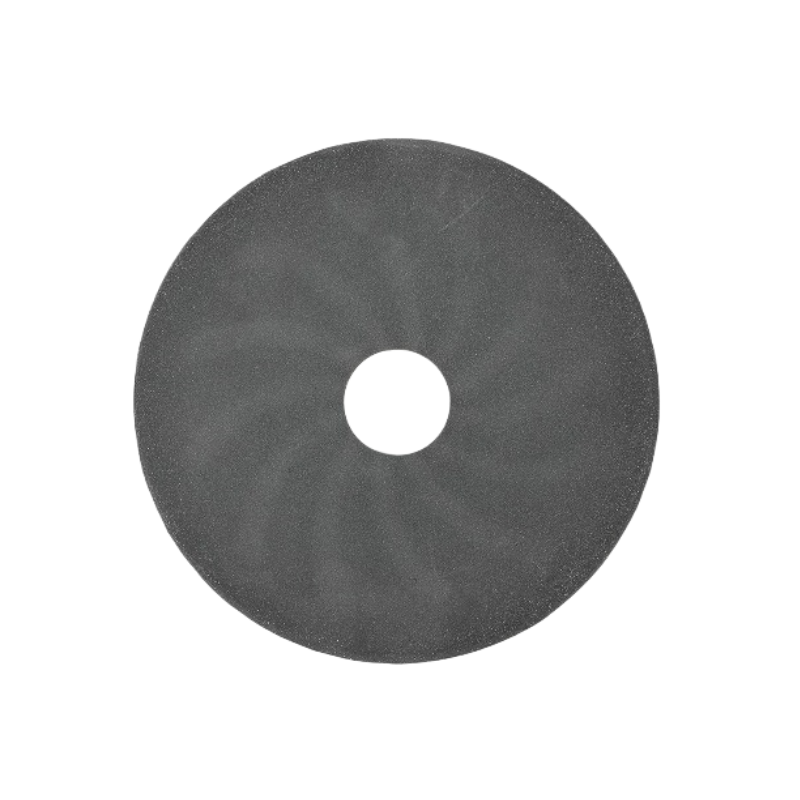
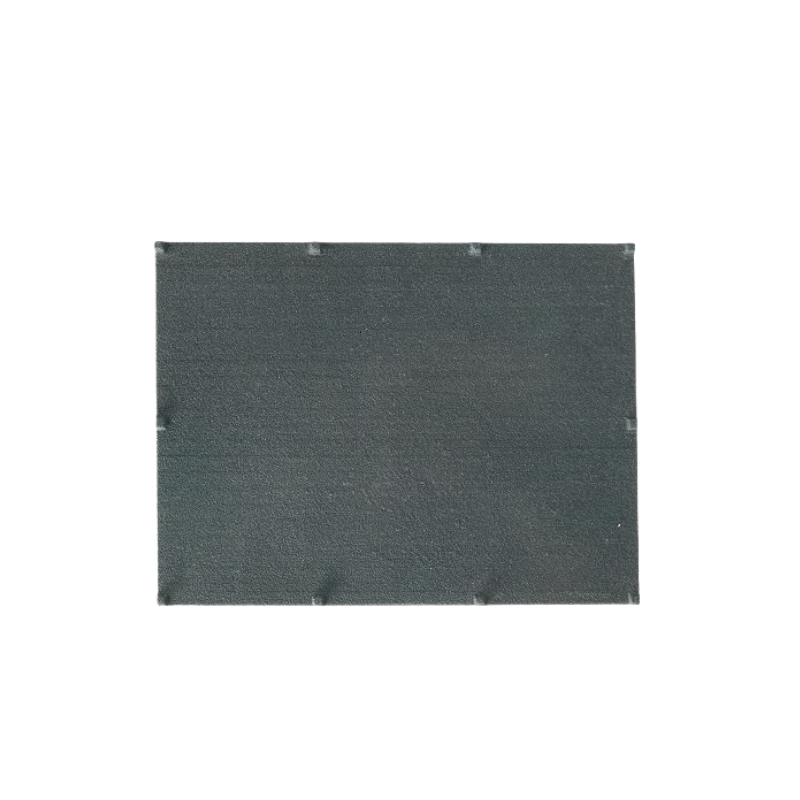
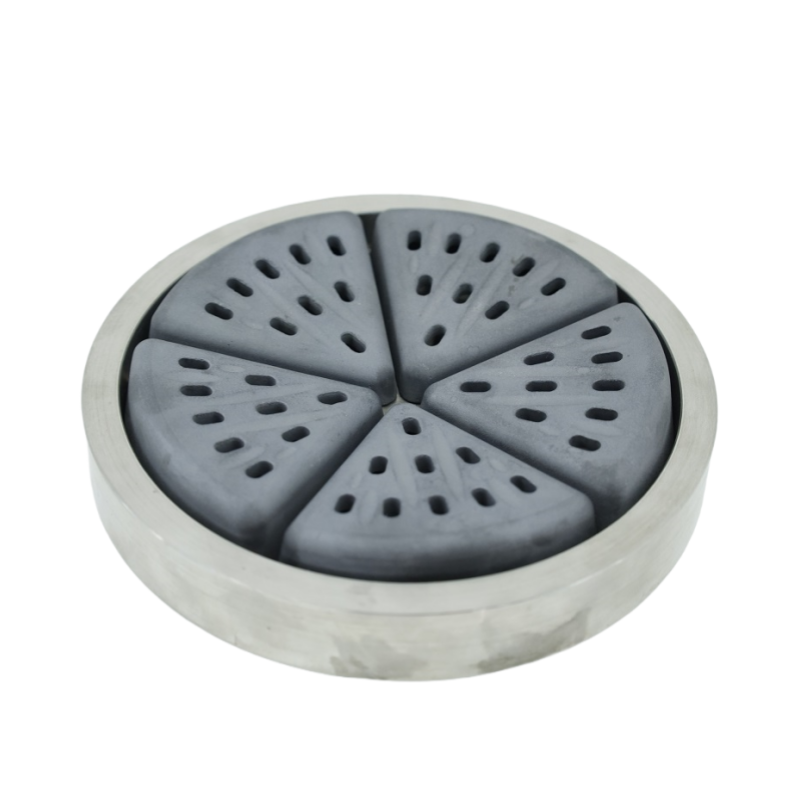
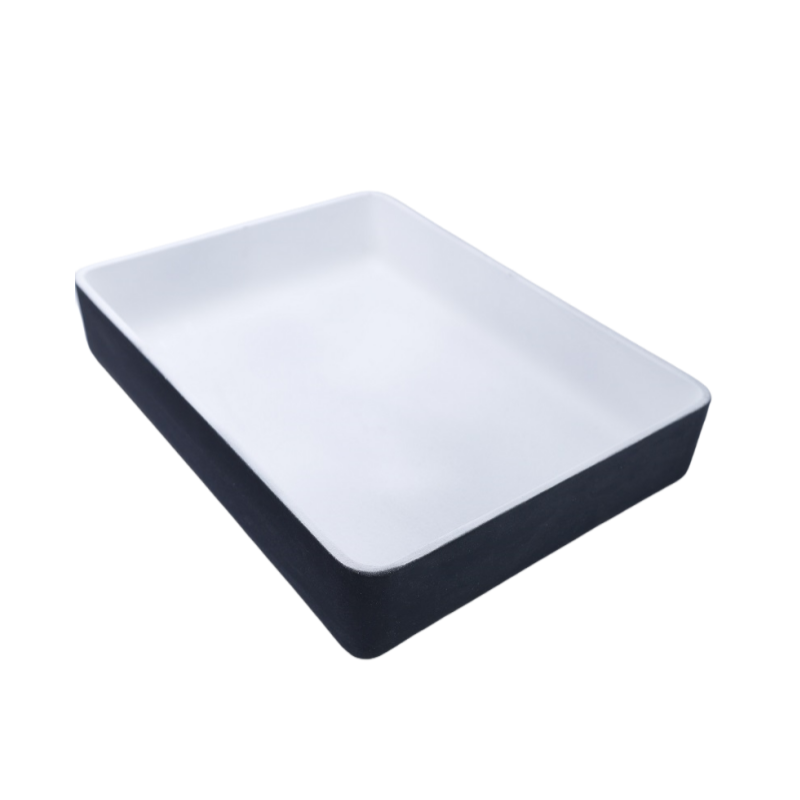
In the vast landscape of modern materials science, porous ceramics are undergoing a remarkable transformation. Evolving beyond their traditional role as thermal insulators, these materials, characterized by their interconnected or closed-pore structures, are now emerging as stars in cutting-edge fields like catalysis, filtration, and biomedicine. In this technological revolution, porous silicon carbide (SiC) ceramics, leveraging their innate material advantages, are playing an increasingly pivotal role.
I. Fabrication of Porous Ceramics: From "Creating Pores" to "Controlling Pores"
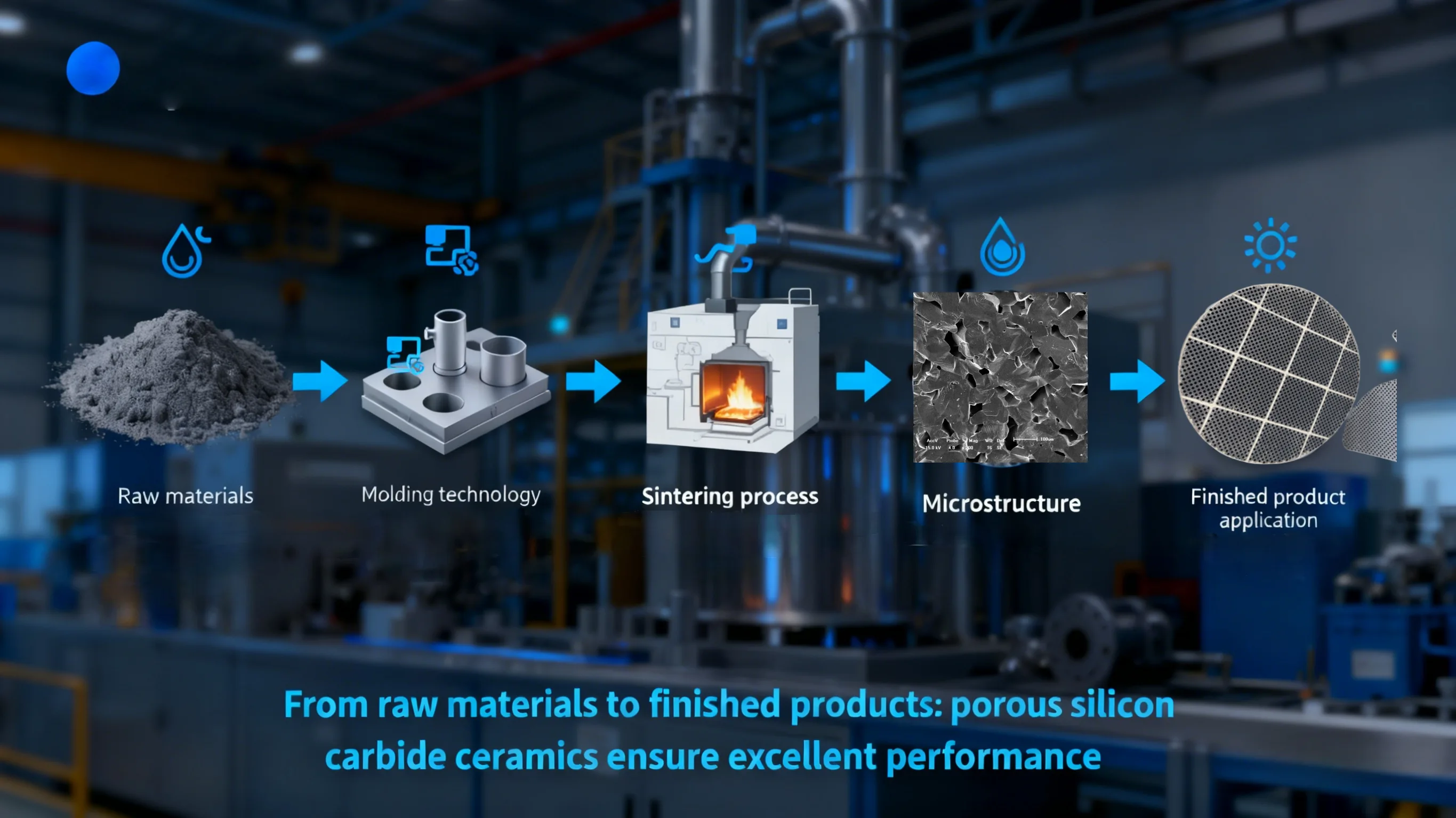
The core of porous ceramic fabrication lies in the precise "design" of the pore structure (including pore size, distribution, connectivity, and porosity). Mainstream techniques have evolved from rudimentary to sophisticated:
Particle Packing: The most basic method, where interparticle voids in ceramic aggregates naturally form pores. It's simple but offers limited control over pore structure and performance.
Foaming Method: Introduces gas bubbles or blowing agents into a ceramic slurry, forming a closed or partially open-cell structure after curing. Ideal for creating highly porous, lightweight materials widely used in thermal insulation.
Pore-Forming Agent (Fugitive) Method: One of the most common and versatile techniques today. Pore-forming agents (e.g., carbon particles, polymer microspheres) are mixed with ceramic powder and shaped. During sintering, these agents decompose or volatilize, leaving behind designed pores. By selecting the type, shape, and size of the agent, precise "customization" of pore size and shape is achievable.
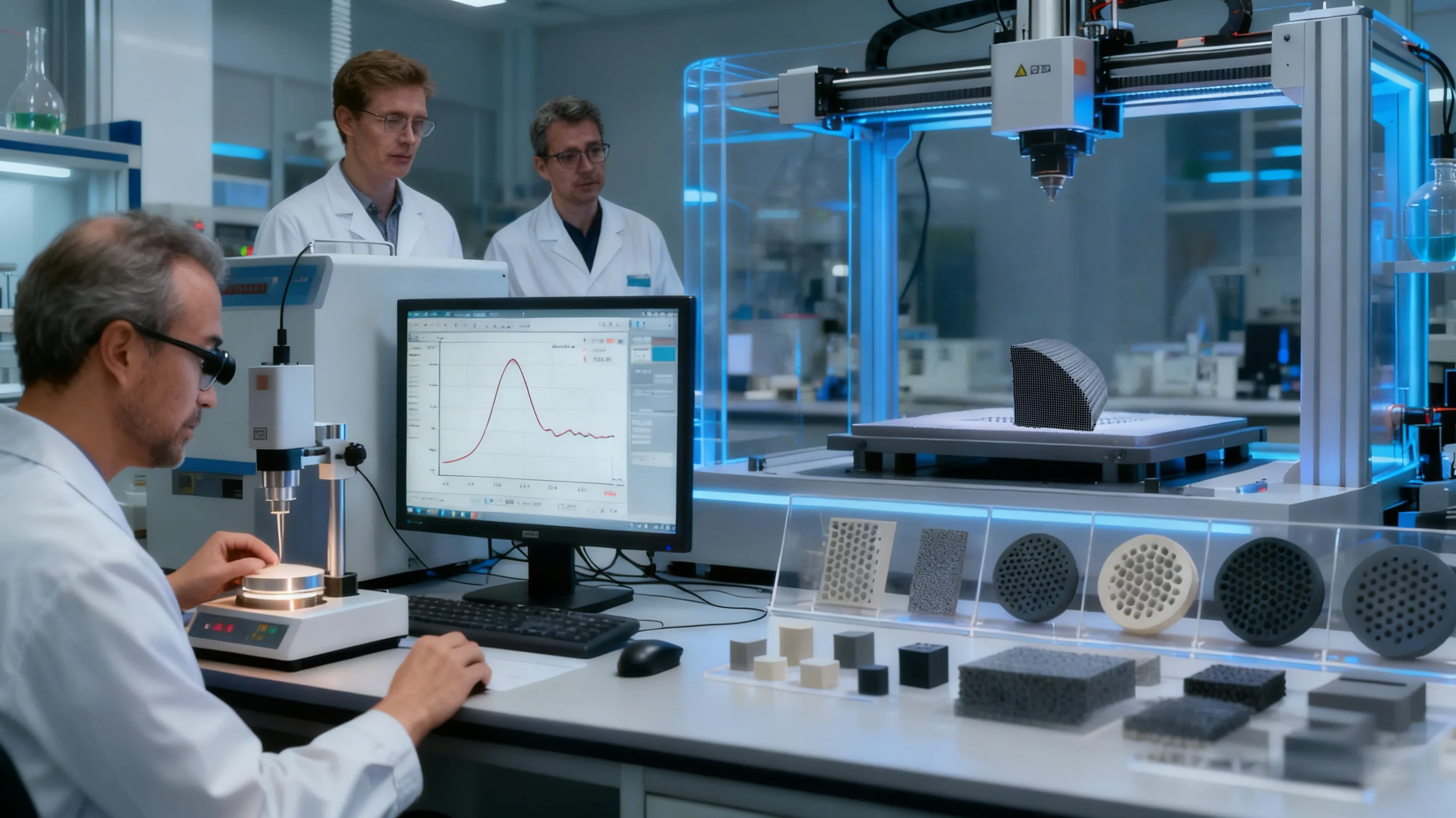
3D Printing Technology: The current research frontier. Techniques like vat photopolymerization and direct ink writing enable the layer-by-layer construction of ceramic components with complex 3D interconnected channels. This allows for "design freedom" in pore architecture, creating bioinspired or customized topological structures impossible with traditional methods.
Replica Template Method: Uses a polymer foam (e.g., polyurethane) with an interconnected pore network as a template. The template is impregnated with a ceramic slurry and then burned out, leaving a porous ceramic that replicates the foam's structure. Excellent for producing filters with high porosity and high gas permeability.
Research progress has shifted from merely "creating pores" to "precision design of pore structures and integration of functionality." Researchers focus on creating gradient pores and hierarchical pore structures (combining macropores, mesopores, and micropores). Furthermore, surface modification of pore walls imparts specific functions like catalysis or adsorption, enabling "one material, multiple uses."
II. The Uniqueness of Silicon Carbide: Why It Stands Out in the Porous World
When the base material for porous ceramics shifts from traditional alumina or mullite to silicon carbide, the performance undergoes a qualitative leap. Porous SiC ceramics not only inherit the characteristics of the porous structure but are also infused with the "soul" of SiC material, exhibiting unparalleled uniqueness:
Exceptional Thermal Conductivity & Thermal Shock Resistance:
The Unique Edge: Unlike most porous ceramics (e.g., porous alumina), which are excellent thermal insulators, silicon carbide itself is a superb thermal conductor. This means porous SiC ceramics can achieve efficient heat dissipation and a uniform temperature field. Combined with its inherently low thermal expansion coefficient and high strength, it withstands drastic thermal shocks without failure—a feat difficult for other porous ceramics.
Applications: High-temperature flue gas filters, aerospace thermal management systems, heat dissipation substrates for high-power electronics.
Outstanding Mechanical Strength & Rigidity:
The Unique Edge: Even at high porosity levels, porous SiC ceramics retain significantly higher strength and modulus compared to other porous ceramics. This ensures structural stability and resistance to collapse under mechanical load or fluid pressure.
Applications: High-flow hot gas filtration, load-bearing components integrating structure and function.
Superior Environmental Stability & Chemical Inertness:
The Unique Edge: SiC resists corrosion by strong acids, strong alkalis, and molten metals. Its oxidation resistance temperature is also much higher than most metals and ceramics. This grants porous SiC filters a long service life in harsh chemical and metallurgical environments.
Applications: Diesel particulate filters (DPF), molten metal filters, catalyst supports in chemical processes.
Controllable Surface Properties & Catalytic Potential:
The Unique Edge: The SiC surface can be easily modified or grown with a silica layer, making it an excellent catalyst support. It also shows potential for catalyzing certain reactions itself. The interconnected porous structure provides unobstructed transport pathways for reactants and products.
Applications: High-temperature catalytic combustion, catalytic reactors for environmental remediation.
III. Case Study: Porous SiC in Diesel Exhaust Aftertreatment
Soot particles from diesel exhaust are a major pollutant. The Silicon Carbide Wall-Flow Particulate Filter is its nemesis.
Structure: This component is a classic complex-shaped porous SiC part with an intricate honeycomb "wall-flow" structure. The ends of adjacent channels are alternately plugged, forcing the exhaust gas to pass through the porous SiC walls.
Working Mechanism: Soot particles are trapped on the inner walls of the channels, while purified gas passes through the porous walls and exits.
Advantages Highlighted:
Thermal Shock Resistance: Withstands rapid temperature spikes during filter 'regeneration' (burning off accumulated soot).
High Strength & Corrosion Resistance: Endures the vibrations and chemical corrosion of engine exhaust.
High Filtration Efficiency & Low Backpressure: Precise pore size control ensures efficient particle capture without excessively restricting engine exhaust flow.
Conclusion
The fabrication technologies for porous ceramics are rapidly advancing towards intelligence and precision. When silicon carbide, the "king" of technical ceramics, is combined with a porous structure, it gives birth to a class of exceptionally robust multifunctional materials integrating structure and function. It not only solves challenges in filtration, separation, and heat dissipation under extreme conditions (high temperature, corrosion, thermal shock) but also opens the door to a new generation of technologies in high-temperature catalysis, chemical processing, and energy & environmental protection. As manufacturing costs decrease and complex shaping technologies mature, the application prospects for porous silicon carbide ceramics are bound to become even broader.
[Contact us to Inquire or Order] or [Call Our Hotline].
We can also accommodate your needs even for small quantity orders.Click Here to Visit Our Official Retail Site and Explore Product Details Now!——kilnshelves-sic.com
