

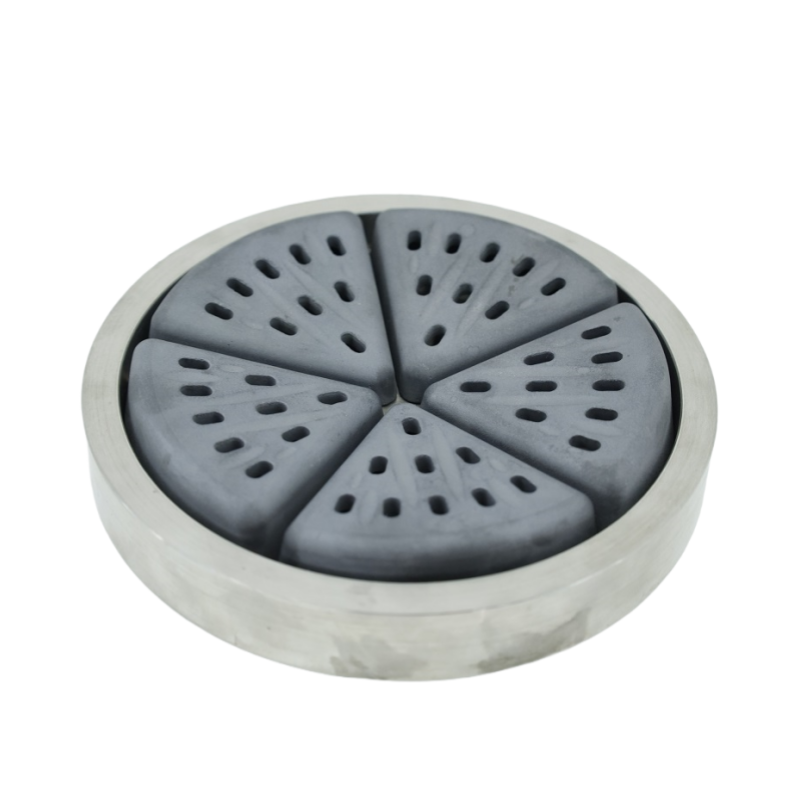
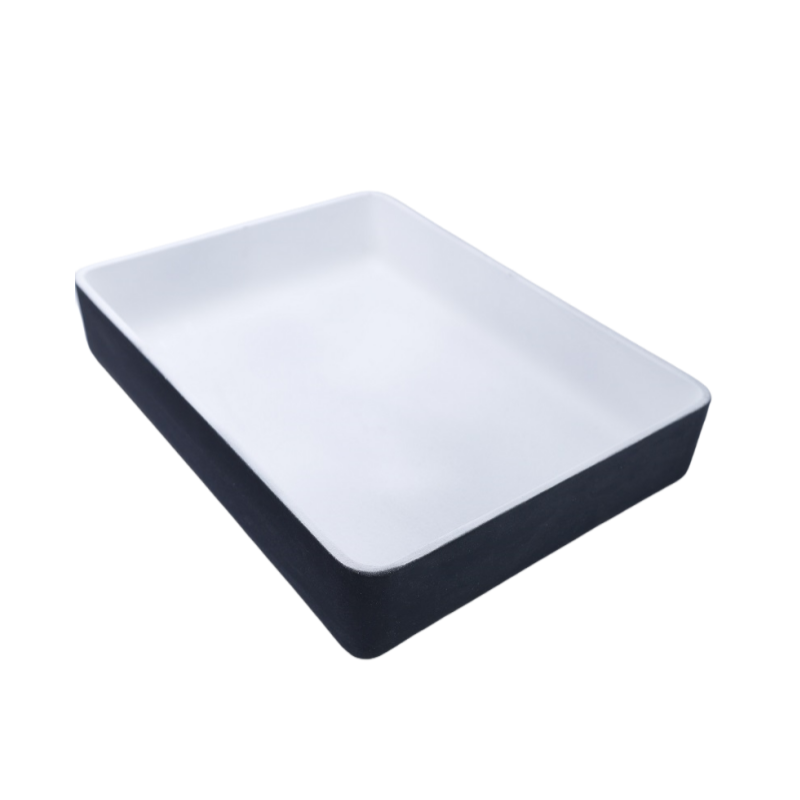
Case Study 1: Phosphoric Acid Concentration Filtration System (180°C Acidic Environment)
During phosphoric acid concentration, the 180°C strong acid environment becomes a material "meat grinder." Traditional 316L stainless steel filter plates fail after merely three months due to corrosion perforation. Frequent replacements not only incur high costs but also disrupt production continuity.
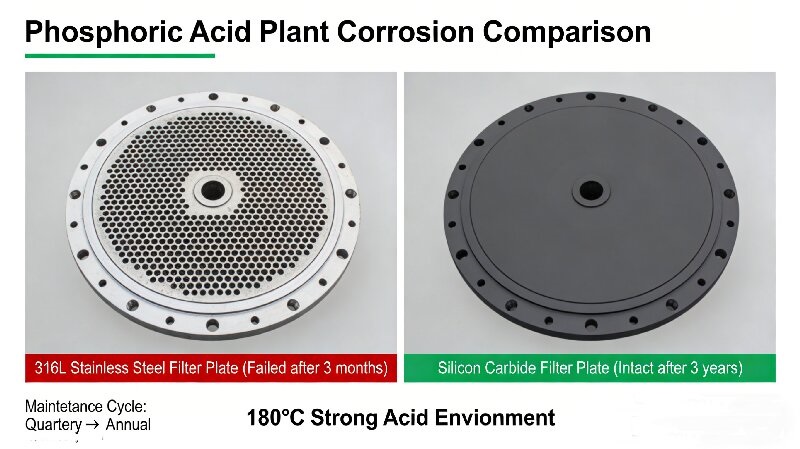
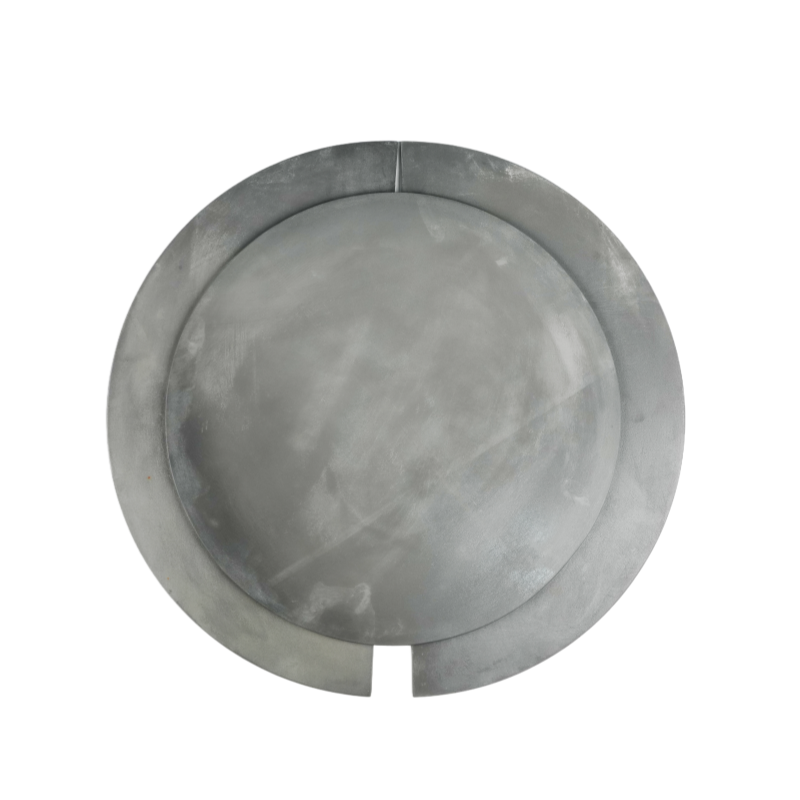
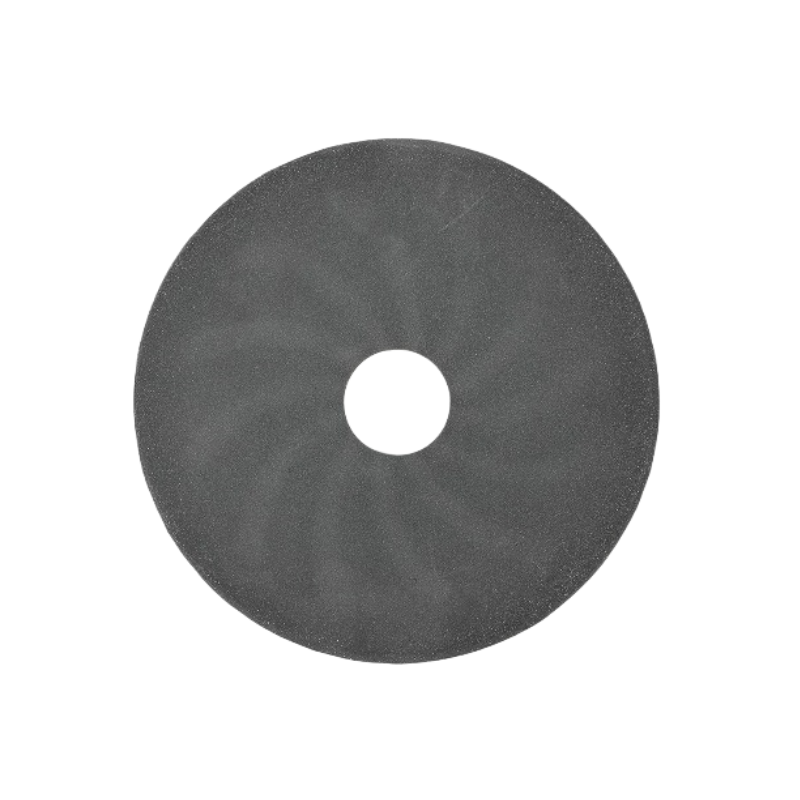
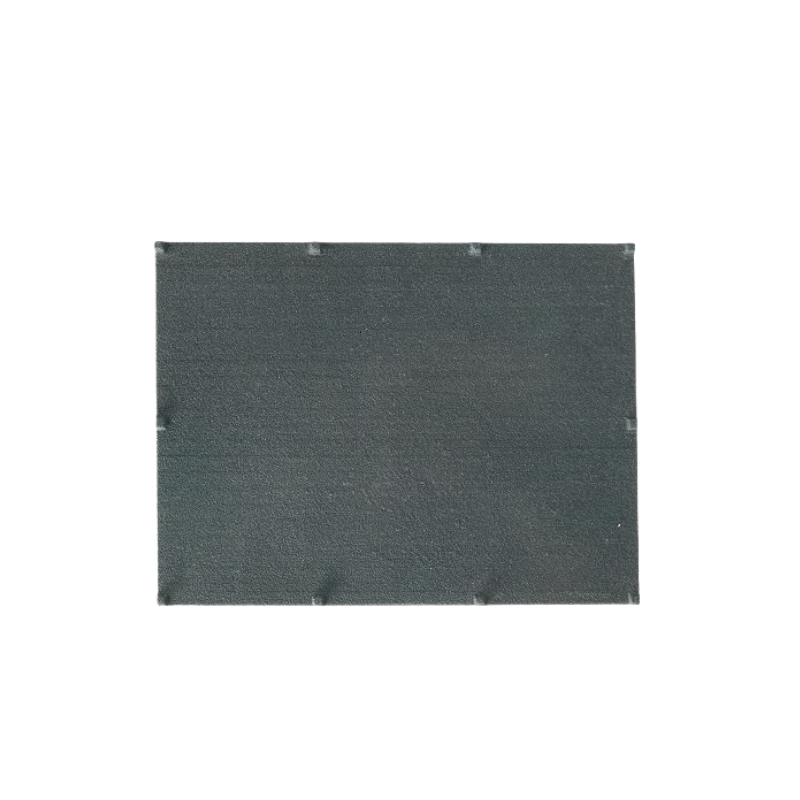
Solution: 6mm thick silicon carbide filter plates with precisely controlled 10 μm pore size.
Results: Service life exceeds three years, with corrosion rate from phosphoric acid below 0.01 mm/year. This simple substitution extended equipment maintenance cycles from quarterly to annual.
Case Study 2: Molten Salt Chlorination Metallurgical Filtration (800°C Molten Salt)
In ZnCl₂-KCl molten salt systems, 800°C high temperature combined with drastic temperature changes (ΔT≈900°C rapid cooling) presents dual challenges: resistance to molten salt corrosion and endurance of thermal shock.
Solution: Silicon carbide filtration elements with in-situ surface oxide coating.
Results: Over 500 thermal shock cycles without cracking, impurity retention >99.9%. The material's reliability provides a solid foundation for metallurgical process stability.
Case Study 3: High-Temperature Flue Gas Dedusting (1000°C Dust-Laden Gas)
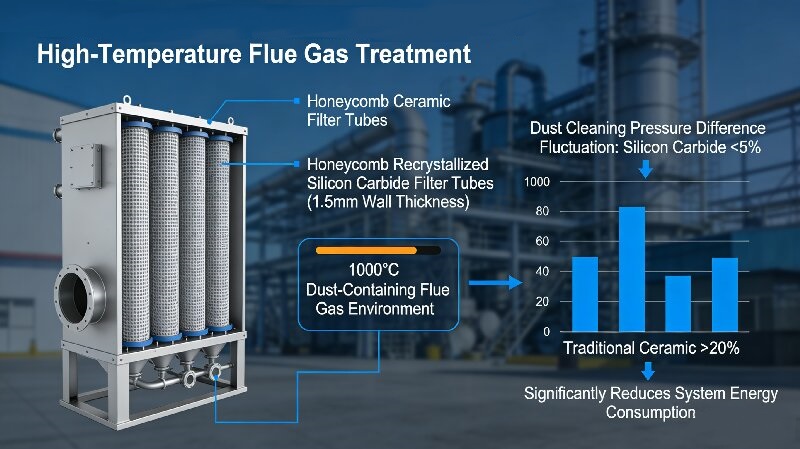
Titanium dioxide calcination tail gas treatment exemplifies high-temperature dedusting challenges—1000°C gas temperature, high dust loading, and frequent cleaning backflushes—demanding comprehensive material performance in temperature resistance, wear resistance, and thermal shock resistance.
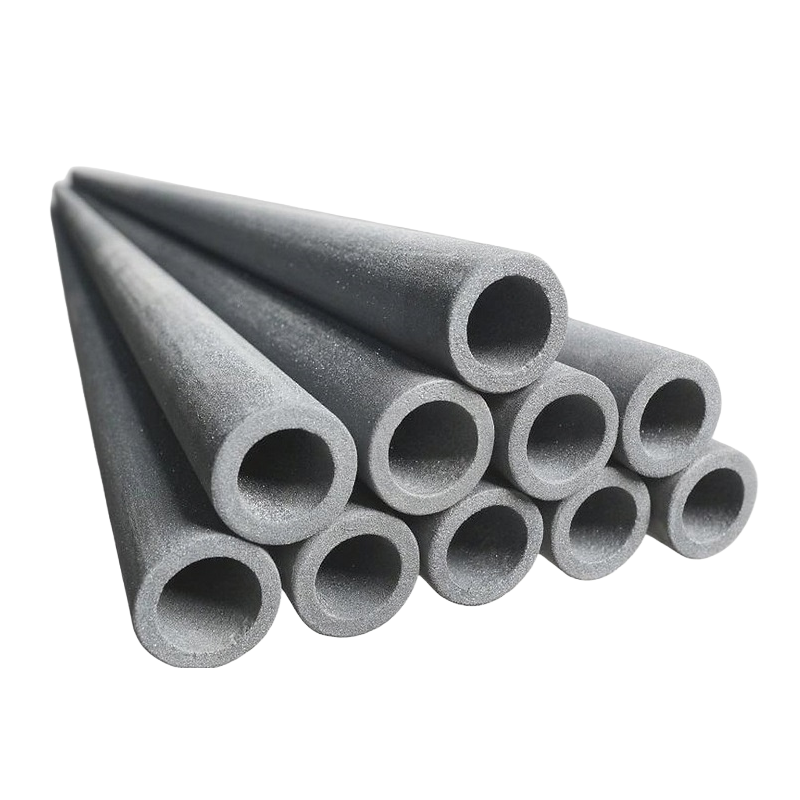
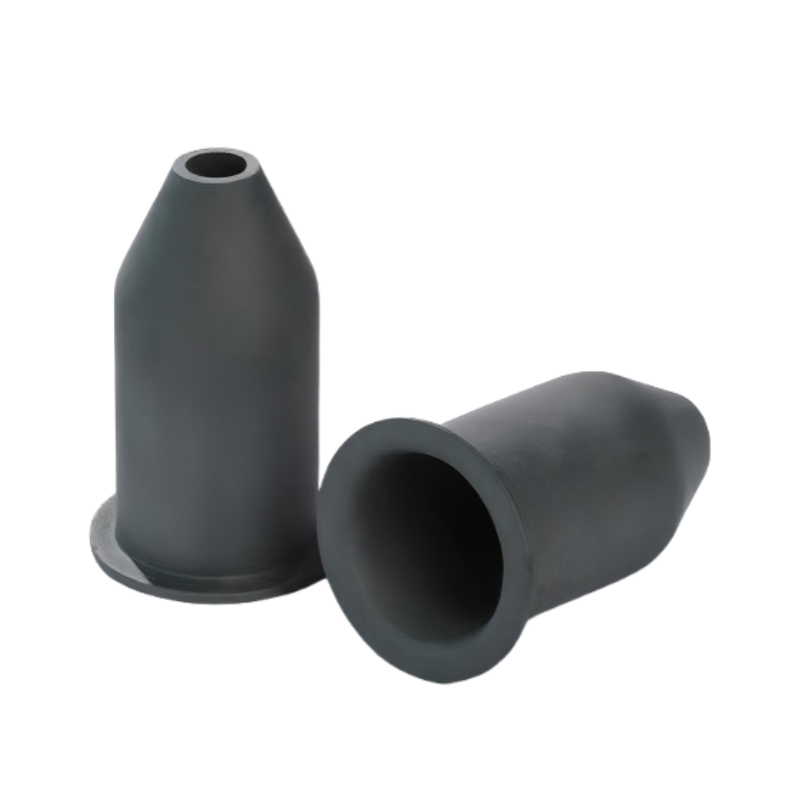
Solution: Honeycomb recrystallized silicon carbide filter tubes with only 1.5 mm wall thickness.
Results: Excellent resistance to fly ash scouring wear, cleaning pressure differential fluctuation below 5%, compared to traditional ceramic materials exceeding 20%. More stable pressure differential means lower energy consumption and extended operational cycles.
Conclusion
On the battlefield of high-temperature thermal shock conditions, silicon carbide ceramics, with their trinity of "high thermal conductivity—low expansion—corrosion resistance," construct an insurmountable performance barrier. From phosphoric acid concentration to molten salt filtration, from flue gas dedusting to silicon wafer sintering, silicon carbide is redefining the limits of industrial high-temperature applications.
When conventional materials succumb one after another to high-temperature corrosion, silicon carbide's presence makes continuous operation of extreme processes possible.
This represents not merely a material triumph, but a breakthrough in industrial imagination.
[Contact us to Inquire or Order] or [Call Our Hotline].
