

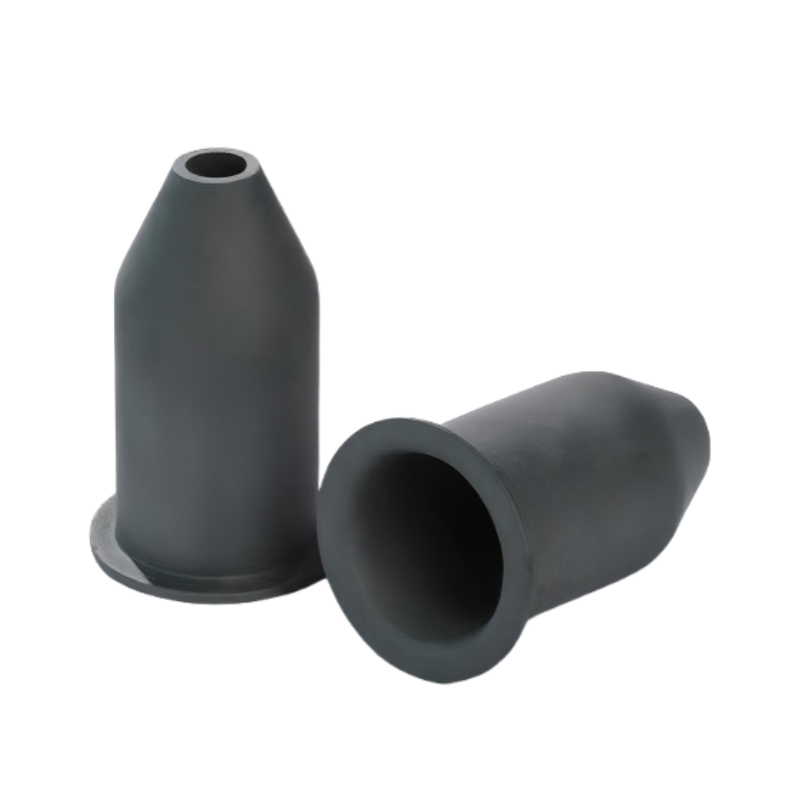
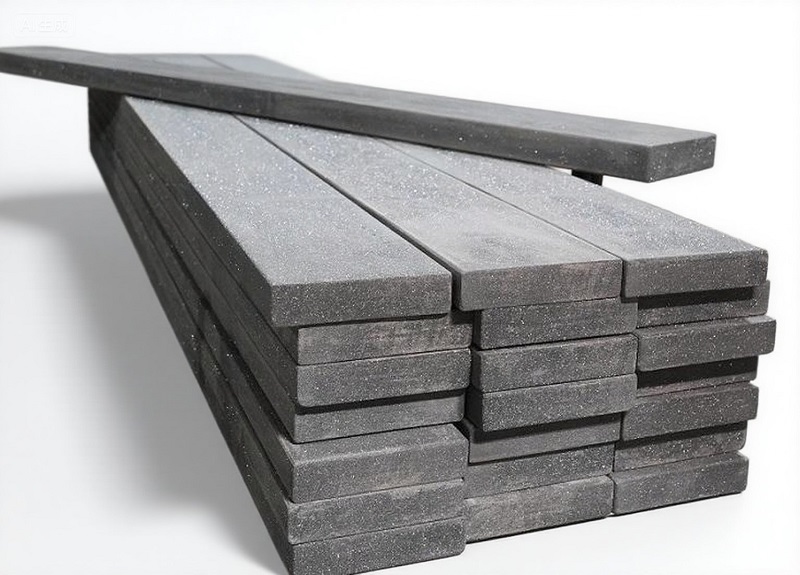
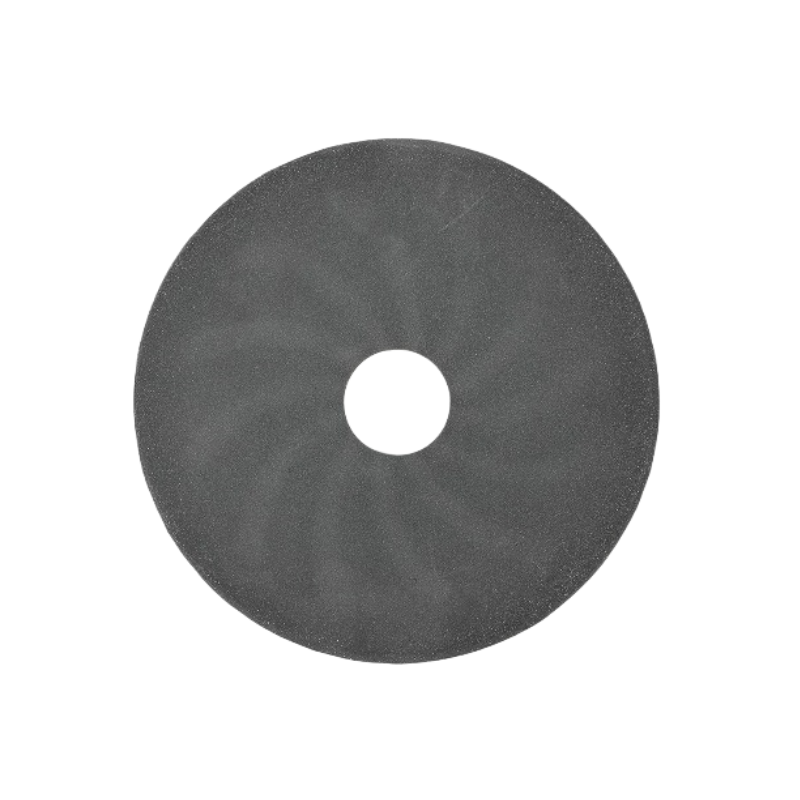
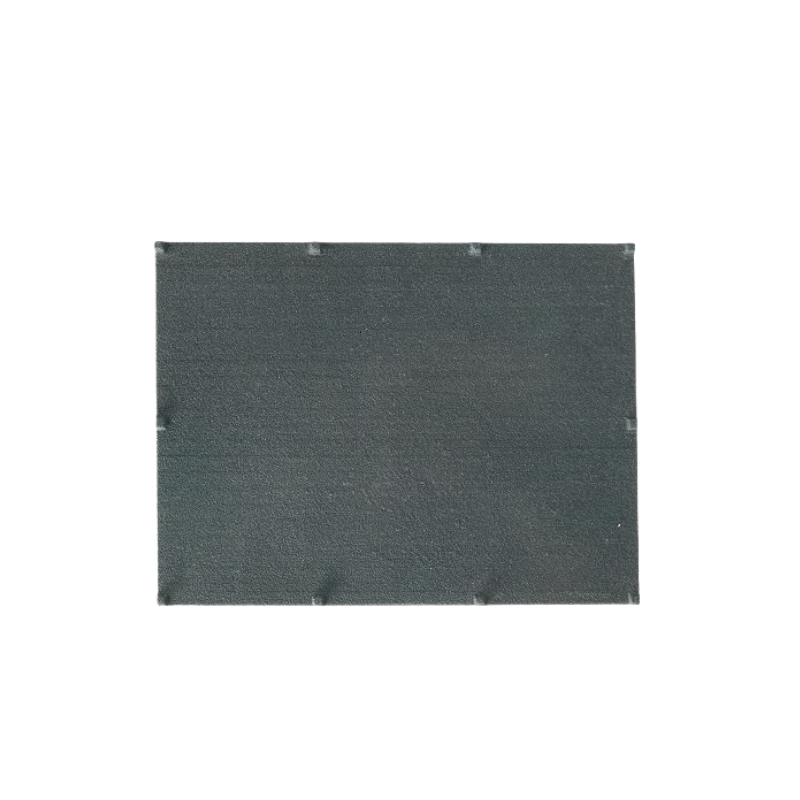
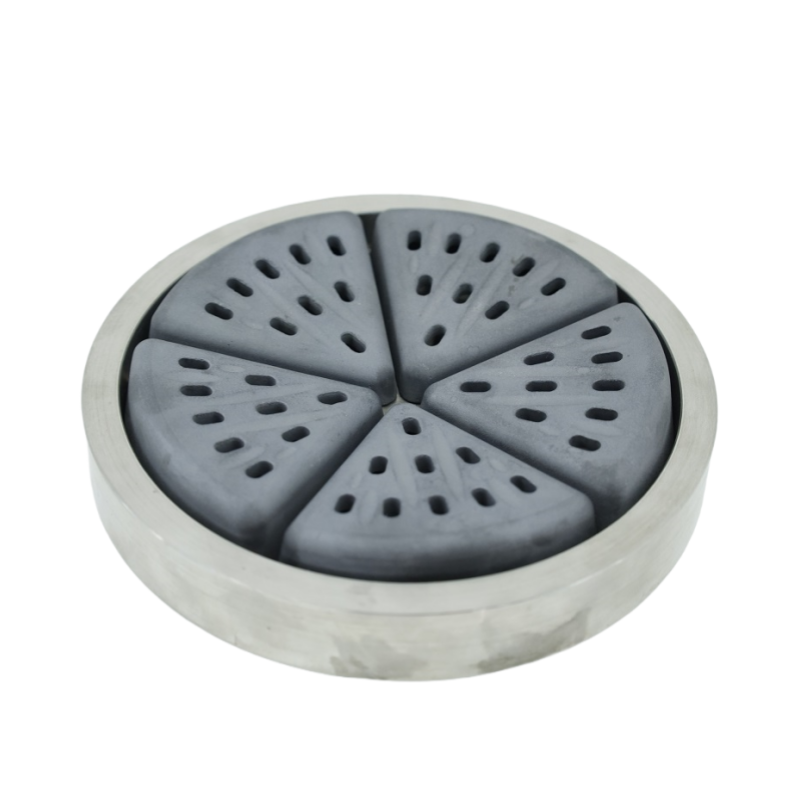
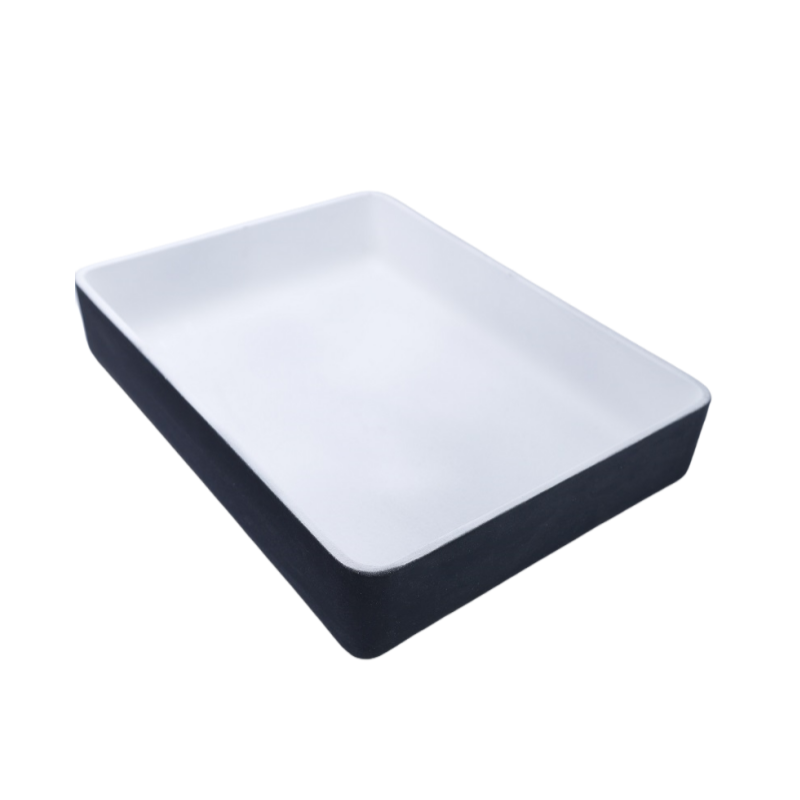
In today's world, with increasingly stringent environmental regulations, deepening industrial processes, and the urgent need for clean water resources, efficient and durable filtration technology has become central to addressing major challenges. Among various filtration materials, one cutting-edge material that stands out for its exceptional performance is the ceramic filter membrane made from Recrystallized Silicon Carbide (RSiC).
This is not just another filter; it represents a significant leap in separation technology for harsh environments. Let's delve into why RSiC ceramic membranes are hailed as the "Green Guardians" in the field of filtration.
What is Recrystallized Silicon Carbide (RSiC)?
To understand its excellence, we first need to understand its composition.
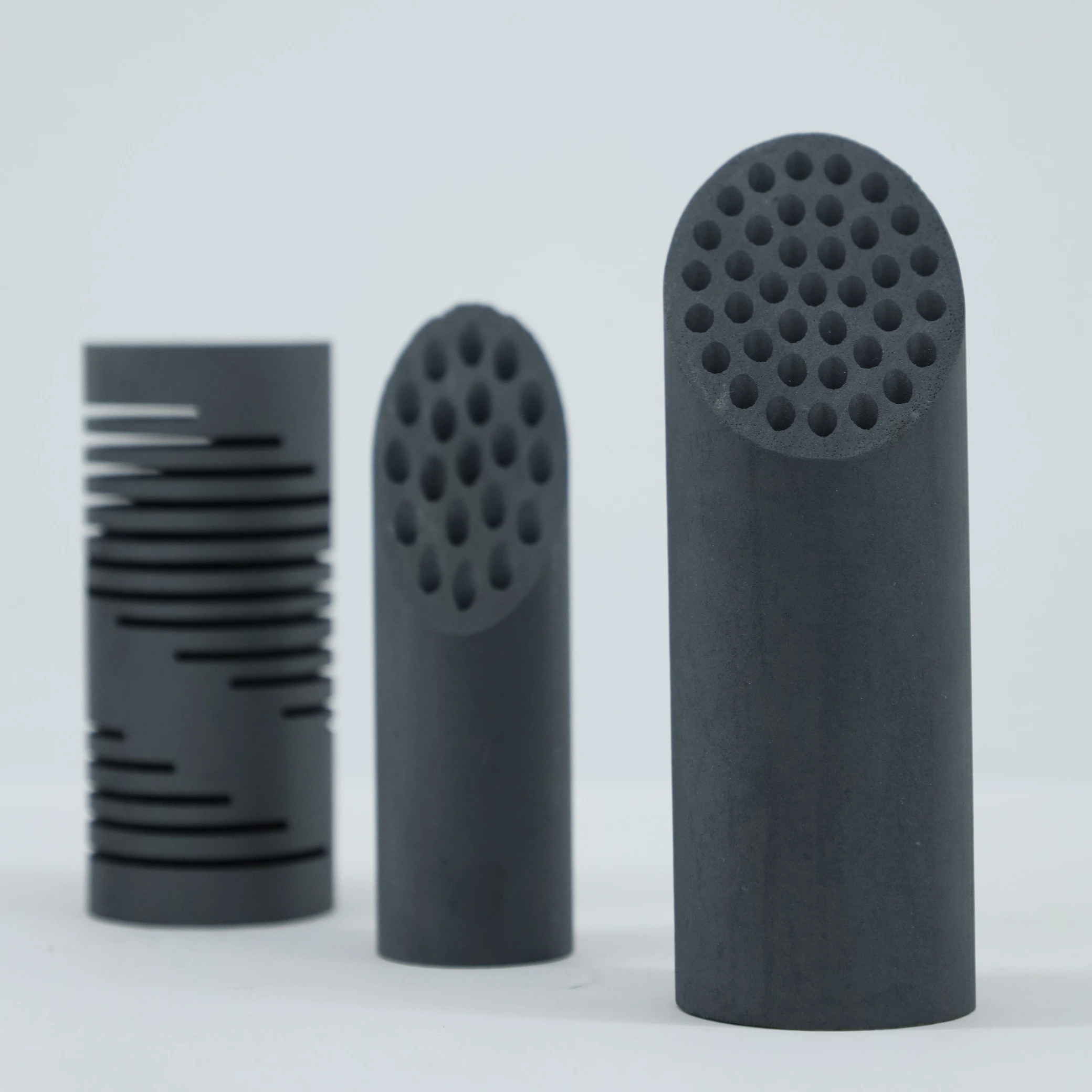
Silicon Carbide (SiC) is inherently a well-known ultra-hard ceramic material, renowned for its exceptional heat resistance and chemical inertness. Recrystallization is a special high-temperature sintering process. In this process, fine SiC particles are heated at temperatures exceeding 2,000°C without any sintering aids. At these extreme temperatures, the surfaces of the SiC particles sublimate and re-condense, forming strong "neck" connections between particles, resulting in a purely SiC-based, fully porous solid structure.
The final product—Recrystallized Silicon Carbide—is like a three-dimensional network composed of an extremely robust crystalline skeleton, filled with interconnected pores.
Why are RSiC Ceramic Membranes a Game-Changer for Environmental Applications?
RSiC filter membranes translate this unique material structure into unparalleled performance advantages, which directly translate into environmental and economic benefits.
1. Unparalleled Chemical Durability: Tackling Harsh Environments
Property: RSiC resists almost all known acids and alkalis, even at high temperatures and concentrations.
Environmental Advantage: This allows it to treat extreme wastewater that traditional polymer membranes or even other ceramic membranes cannot handle, such as highly corrosive wastewater from metal plating, chemical/pharmaceutical industries, or acid mine drainage. It enables the purification of these challenging streams and the recovery of valuable materials.
2. Exceptional Thermal Stability: Operation at High Temperatures
Property: RSiC membranes can operate long-term and stably at temperatures up to 800°C or even higher without deformation or degradation.
Environmental Advantage: This opens doors for high-temperature flue gas treatment and high-temperature catalytic reaction processes. For instance, they can be used to filter dust and particulate matter from industrial furnaces or power plant exhaust, enabling efficient and energy-saving hot gas filtration without needing to cool the gas first.
3. Extremely Long Service Life & Reduced Waste Generation
Property: Their outstanding mechanical strength and wear resistance mean RSiC membranes last significantly longer than organic polymer membranes. They can withstand repeated chemical cleaning and high-pressure backwashing, recovering their performance.
Environmental Advantage: A longer lifecycle directly reduces the generation of spent membrane material, aligning with the Cradle-to-Cradle circular economy principle. This means less landfill waste and a lower overall waste footprint.
4. High Filtration Efficiency & Low Energy Consumption
Property: RSiC membranes can be fabricated with symmetric or asymmetric structures possessing precisely controlled pore sizes, enabling very high filtration accuracy, from microfiltration to ultrafiltration ranges. Their rigid porous structure allows for high permeate flux, meaning high flow rates can be achieved at lower operating pressures.
Environmental Advantage: High Permeate Flux directly translates to lower pumping energy consumption, reducing operational costs and reliance on electricity. It enables purifying more water or processing more process fluid with less energy.
5. Easy Recycling & Material Inertness
Property: At the end of their service life, the RSiC material itself is inert and environmentally harmless. Due to its high value, spent membranes can be recycled and reprocessed into new SiC products.
Environmental Advantage: This closes the material loop, minimizes the extraction of virgin resources, and ensures environmental safety at the product's end-of-life.
Key Application Areas for RSiC Ceramic Membranes
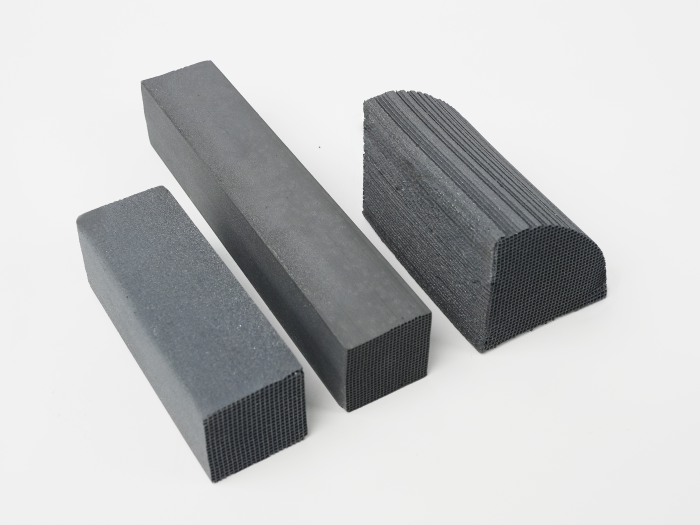
This powerful combination of properties makes RSiC membranes indispensable in several key sectors:
Water Treatment: Treating refractory industrial wastewater, oily wastewater, landfill leachate, and recovering valuable metals from waste streams.
Food & Beverage: Cold sterilization filtration of beer, juice, and wine, replacing pasteurization for better taste and lower energy consumption.
Chemicals & Pharmaceuticals: Catalyst recovery in harsh chemical reactions, high-temperature solvent filtration, and product separation.
Energy & Environment: Catalyst separation in biodiesel production, high-temperature flue gas dedusting (e.g., coal-fired power plants, waste incineration plants).
Looking Ahead
Although the initial investment cost for Recrystallized Silicon Carbide ceramic membranes is higher than traditional options, their long service life, exceptional durability, and lower operational energy consumption combine to present a compelling lifecycle cost. As manufacturing processes advance and scale up, their accessibility is bound to increase.
On the path towards harmonious coexistence between industry and the environment, the Recrystallized Silicon Carbide ceramic filter membrane is not just a tool; it is a beacon. It testifies that through innovative materials science, we can build a future that is both efficient and sustainable—one filtered drop, one degree of heat at a time.
[Contact us to Inquire or Order] or [Call Our Hotline].
