

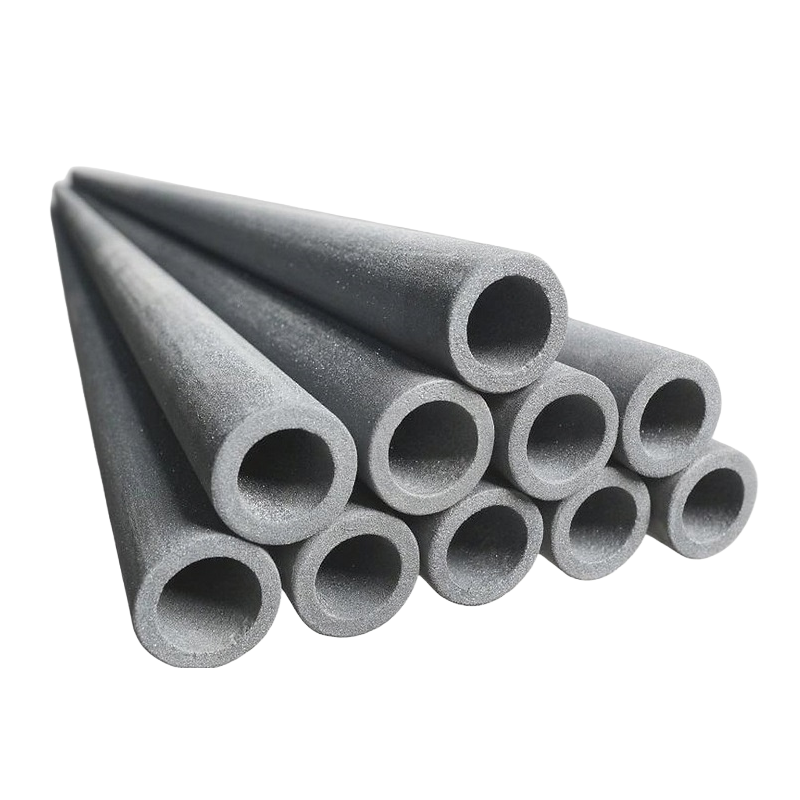
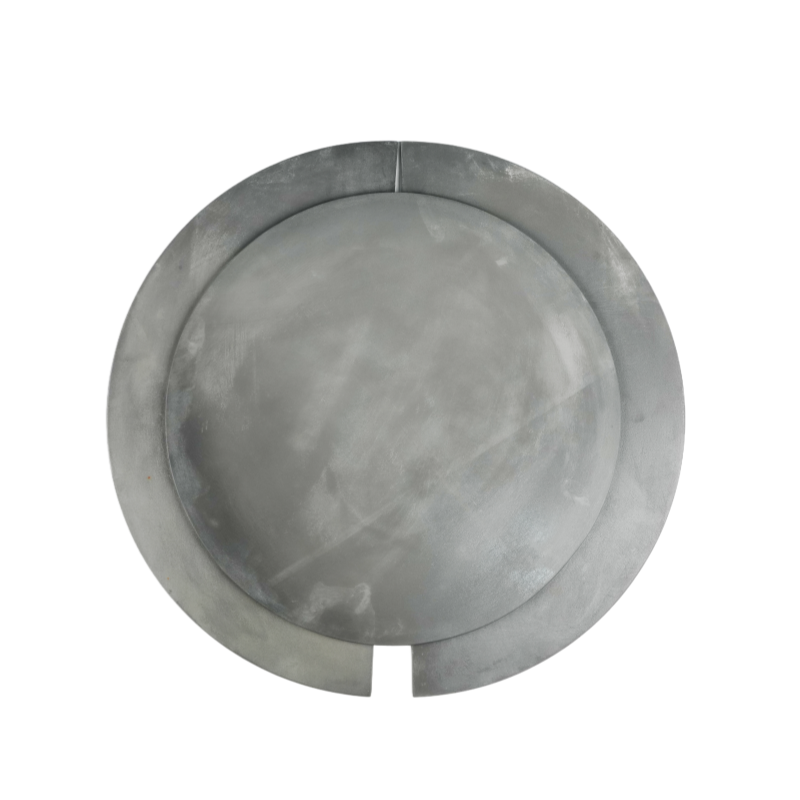
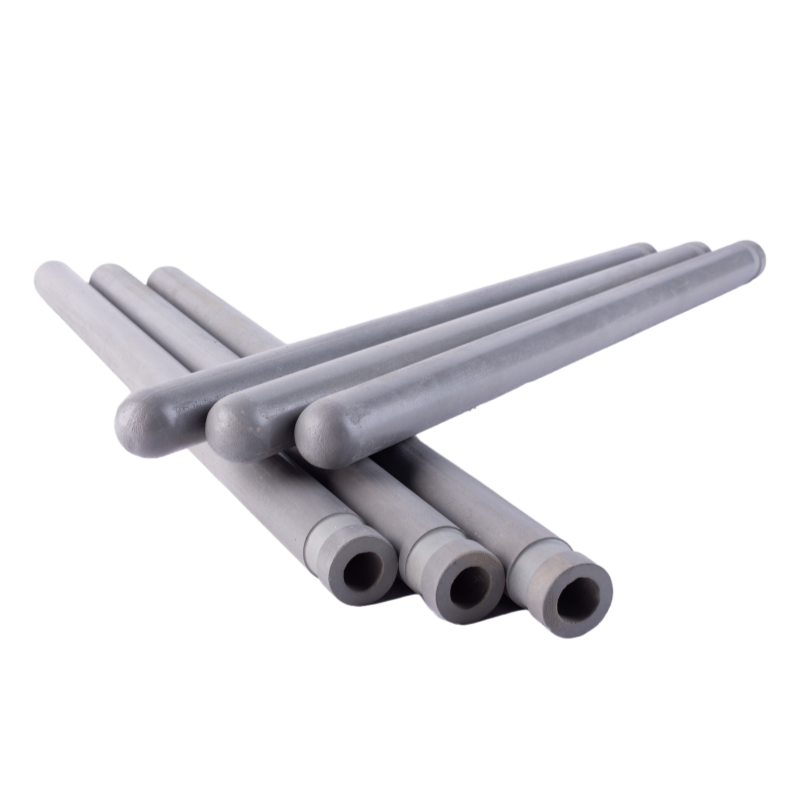
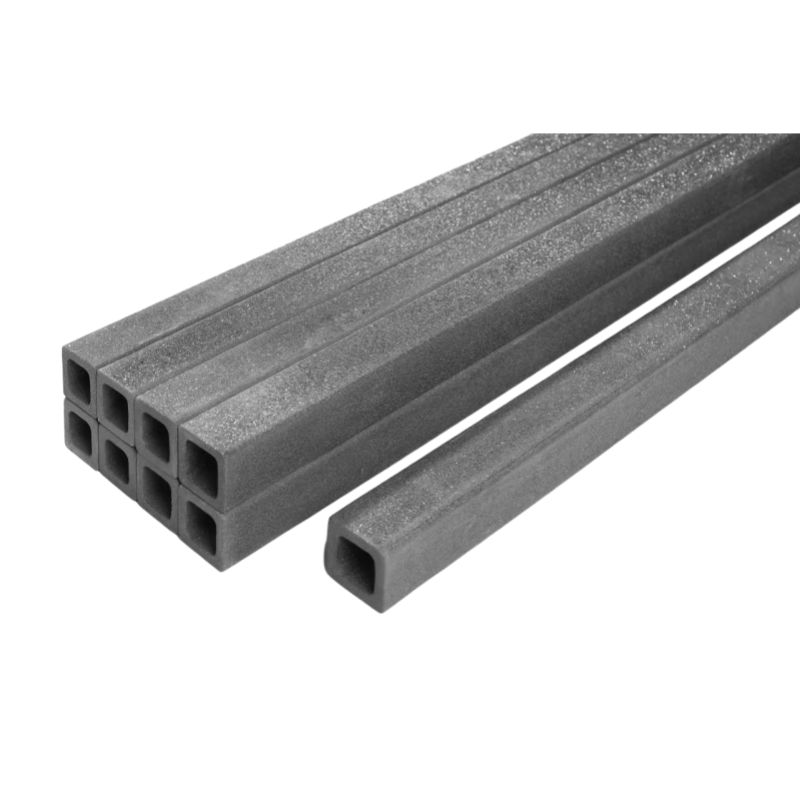
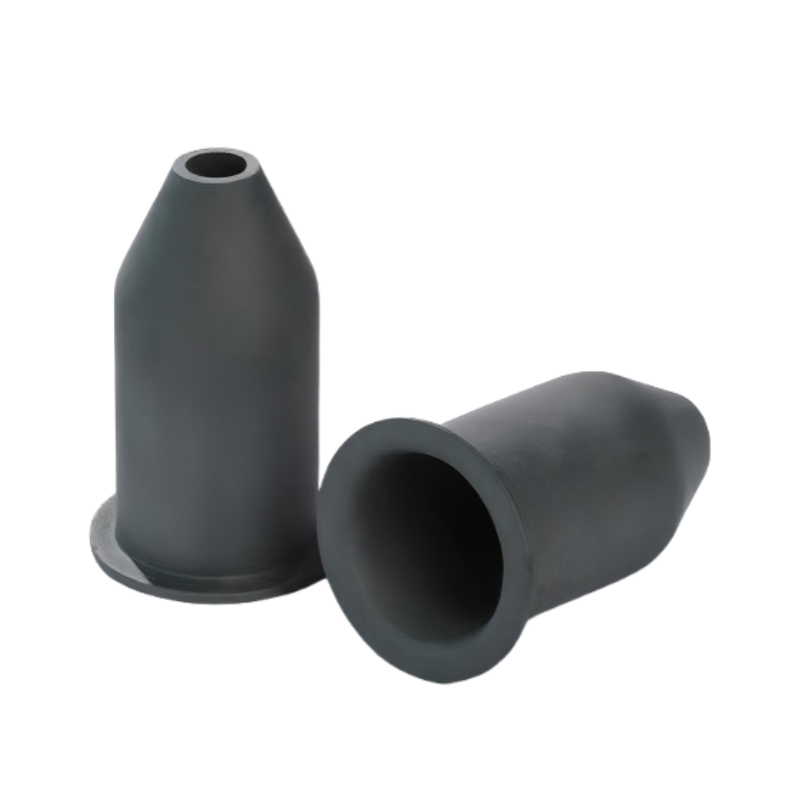
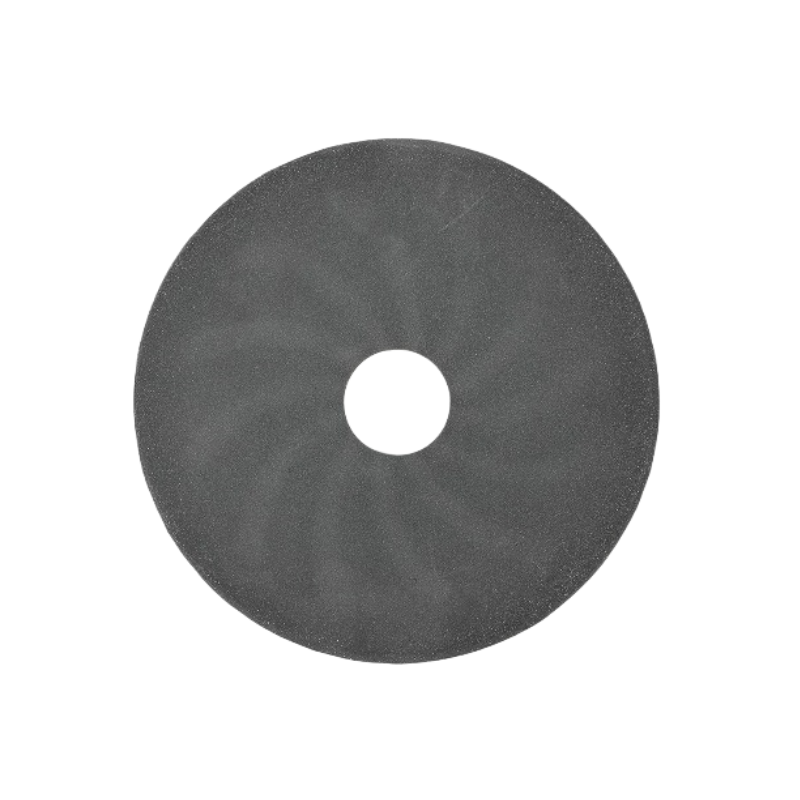
In the field of high-temperature industry, efficiency, durability, and energy consumption are perpetual pursuits. Whether it's metal smelting, ceramic sintering, or chemical production, the performance of the core component of combustion systems—the burner—directly determines the lifeline of a production line. When traditional metal alloy burners struggle under extreme operating conditions, a solution made from advanced ceramic materials is emerging as a secret weapon for engineers: the Silicon Carbide (SiC) Burner.
This article will provide an in-depth analysis of why this seemingly inconspicuous ceramic component is redefining industry standards for high-temperature combustion.
Silicon Carbide: Extraordinary Power from Sand
To understand the advantages of silicon carbide burners, one must first understand silicon carbide (SiC) itself. It is not ordinary ceramic but an artificially synthesized super-hard material formed by covalent bonds between silicon and carbon elements. Its hardness is second only to diamond and cubic boron nitride. This intrinsic nature endows it with a series of innate properties that seem tailor-made for high-temperature industry:
Exceptional Heat Resistance: Capable of stable operation at temperatures of 1600°C or even higher for extended periods.
Outstanding Thermal Shock Resistance: Can calmly withstand drastic temperature fluctuations and rapid thermal cycling inside the furnace, resisting cracking.
High Thermal Conductivity: Far exceeds the heat transfer efficiency of ordinary refractory materials, leading to more uniform heat distribution.
Strong Chemical Inertia: Resists corrosion from most acids, alkalis, molten metals, and harmful furnace atmospheres.
It is these superior properties of the base material that forge the five irreplaceable core advantages of silicon carbide burners.
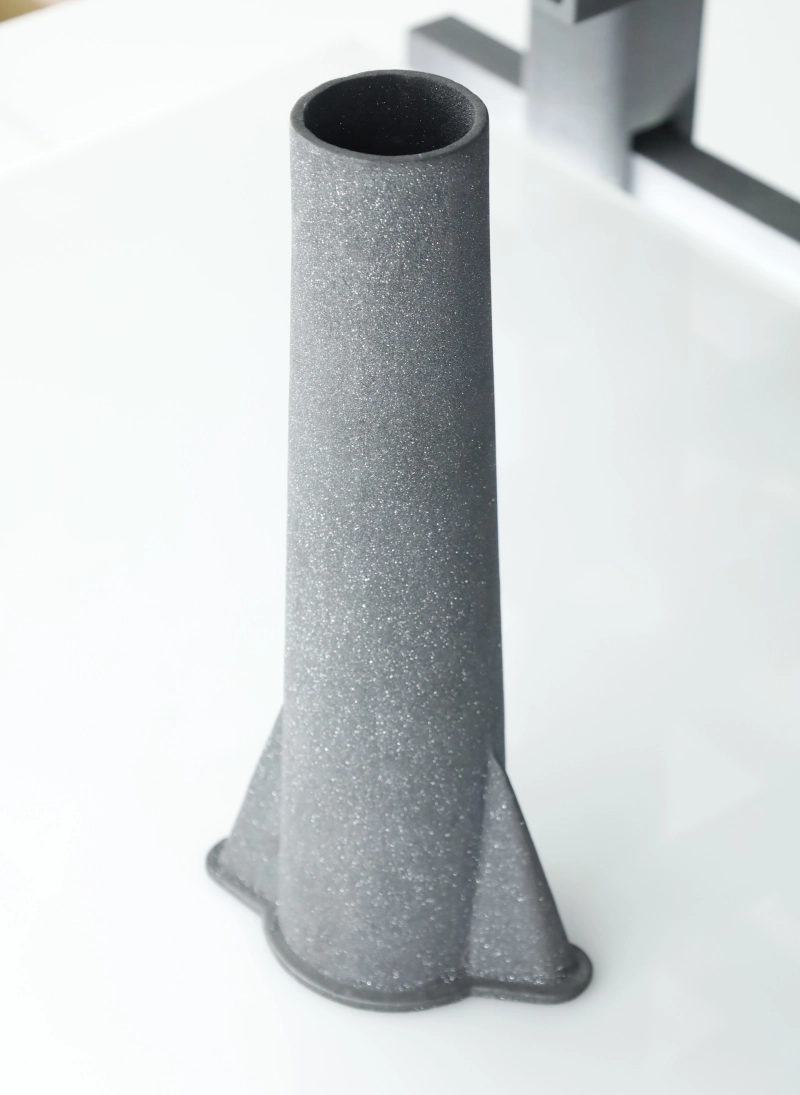
Five Core Advantages Leading an Efficiency Revolution
1. Unmatched Durability: Say Goodbye to Frequent Replacements
This is the most intuitive advantage that can save significant costs for enterprises. Under similarly harsh conditions of high temperature and corrosive atmospheres, ordinary heat-resistant steel or cast iron burners may require maintenance or replacement within months. In contrast, the service life of silicon carbide burners is typically measured in years. Their exceptional resistance to high-temperature oxidation, creep, and slag adhesion ensures the nozzle shape remains stable long-term, and the flame pattern stays precise and consistent. This translates to less downtime, lower spare parts inventory, and reduced maintenance labor costs, directly improving Overall Equipment Effectiveness.
2. Superior Thermal Shock Stability: Calmly Adapts to Production Rhythms
Many industrial furnaces require frequent start-ups, shutdowns, or temperature adjustments, such as in batch heat treatment furnaces. Traditional metal burners are prone to deformation and micro-cracks due to thermal fatigue under rapid heating and cooling, eventually leading to leaks or failure. Silicon carbide's extremely low coefficient of thermal expansion and excellent toughness give it remarkable thermal shock resistance. It can instantly withstand temperature shocks exceeding 1000°C without damage, which is crucial for modern factories requiring flexible production schedules.
3. Precise and Efficient Combustion Performance: Energy Saving and Environmental Protection
The high thermal conductivity of silicon carbide is not for heat dissipation but for managing the temperature at the flame root uniformly and stably. This brings multiple benefits:
More Stable Ignition and Combustion: Uniform temperature at the burner head promotes more complete and stable premixing and combustion of fuel (especially low-calorific-value gas or heavy oil), reducing the risk of flame-out or flashback.
Wider Turndown Ratio: Maintains a stable flame over a wider range of gas/air ratios, adapting to more complex operating conditions.
Lower Pollutant Emissions: Complete combustion means fewer emissions of carbon monoxide (CO) and unburned hydrocarbons (UHC), helping enterprises easily comply with increasingly stringent environmental regulations. Its durability also reduces unexpected emissions caused by burner damage.
4. Excellent Corrosion Resistance: Challenging the Harshest Furnace Environments
In applications using high-sulfur fuels, scrap metal melting, glass melting furnaces, or certain chemical cracking furnaces, the furnace atmosphere may contain large amounts of corrosive elements like sulfur, vanadium, or sodium. These react with metals, causing rapid "erosion" of the burner. Silicon carbide is almost "insulated" from these corrosive agents. A dense layer of silicon oxide that forms on its surface effectively prevents further attack. This makes it the preferred choice for processing inferior fuels, waste co-processing, or special process furnaces, opening up application areas inaccessible to traditional burners.
5. Lightweight and Design Flexibility
Thanks to its high specific strength, silicon carbide burners can be designed to be lighter and more compact than metal burners while ensuring sufficient mechanical strength. This is advantageous for top-mounted installations or retrofit projects with space constraints. Furthermore, ceramic precision casting and sintering technologies allow for the manufacture of burners with more complex shapes and optimized flow channels in an integrated structure. This enables more ideal aerodynamic design and mixing effects, thereby improving combustion efficiency.
Typical Application Scenarios: Where is its Value Maximized?
Silicon carbide burners are not a universal solution, but in the following scenarios, their advantages are maximized, offering the highest return on investment:
High-Temperature Industrial Furnaces: Such as soaking pits and heat treatment furnaces in the steel industry, where operating temperatures consistently exceed 1200°C.
Furnaces with Corrosive Atmospheres: Non-ferrous metal melting furnaces (e.g., for aluminum, copper), glass melting tanks, and boilers using high-sulfur fuels.
Furnaces Requiring Rapid Cycling: Such as car bottom furnaces and box furnaces, where frequent heating and cooling are the norm.
Applications Requiring High Combustion Purity: Such as furnaces for sintering advanced ceramics or powder metallurgy, which require a pure, contaminant-free flame.
A Rational Perspective: Considerations and Selection Advice
Of course, selecting silicon carbide burners requires "tailoring to fit":
Resistance to Mechanical Shock: Although very hard, it is a brittle material. Direct severe impact or improper installation causing mechanical stress should be avoided.
Initial Investment: The unit purchase cost is typically higher than that of traditional metal burners. However, its value should be evaluated based on the total lifecycle cost, including energy savings, reduced maintenance, and increased production.
Professional Installation and Maintenance: Must follow manufacturer guidelines, use specialized gaskets, and ensure uniform tightening to prevent cracking due to installation stress.
Key to Selection: Have in-depth communication with a reliable supplier. Clarify your fuel type, maximum operating temperature, furnace atmosphere, required thermal load, and installation space to ensure the selection of the most suitable model.
Conclusion: An Investment for the Future
As manufacturing moves towards efficiency, sustainability, and intelligence, upgrading every basic component can leverage overall performance improvements. The silicon carbide burner is a prime example of a "small component with a big impact." It is not merely a more durable part but a systemic solution for improving energy efficiency, ensuring production continuity, and achieving clean combustion.
[Contact us to Inquire or Order] or [Call Our Hotline].
