

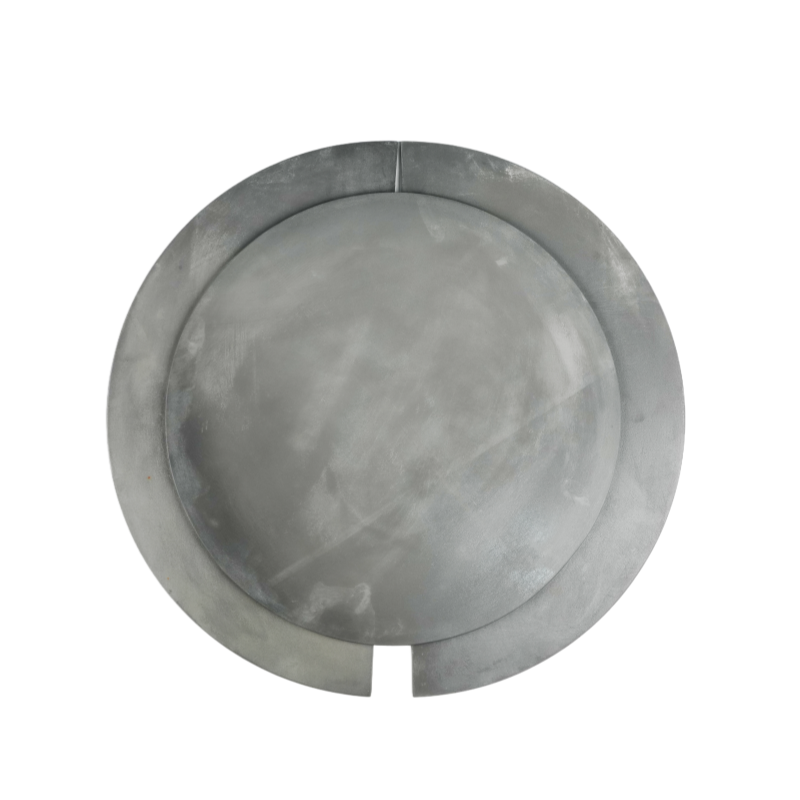
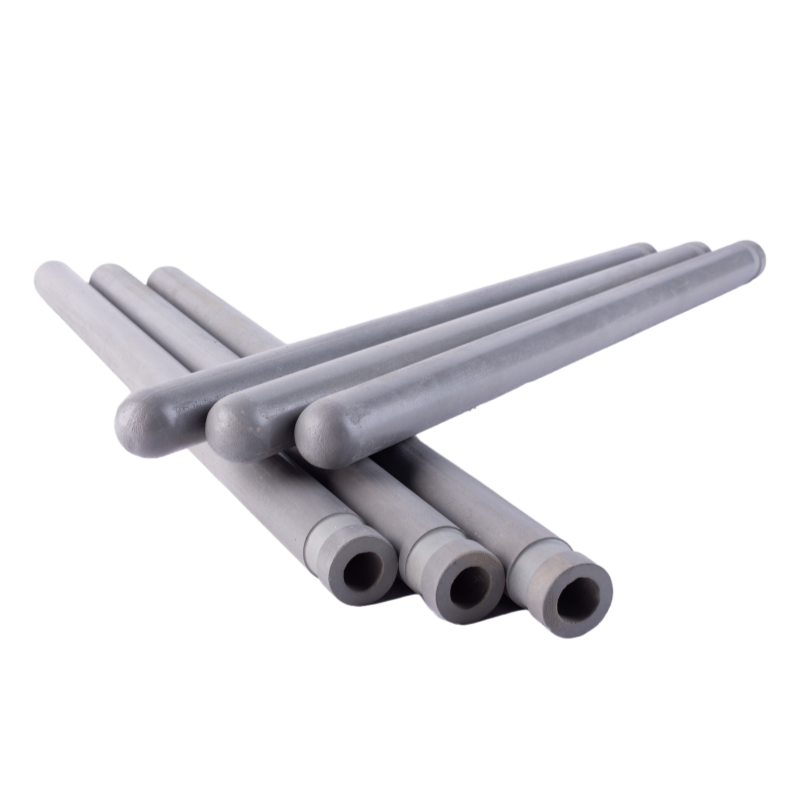
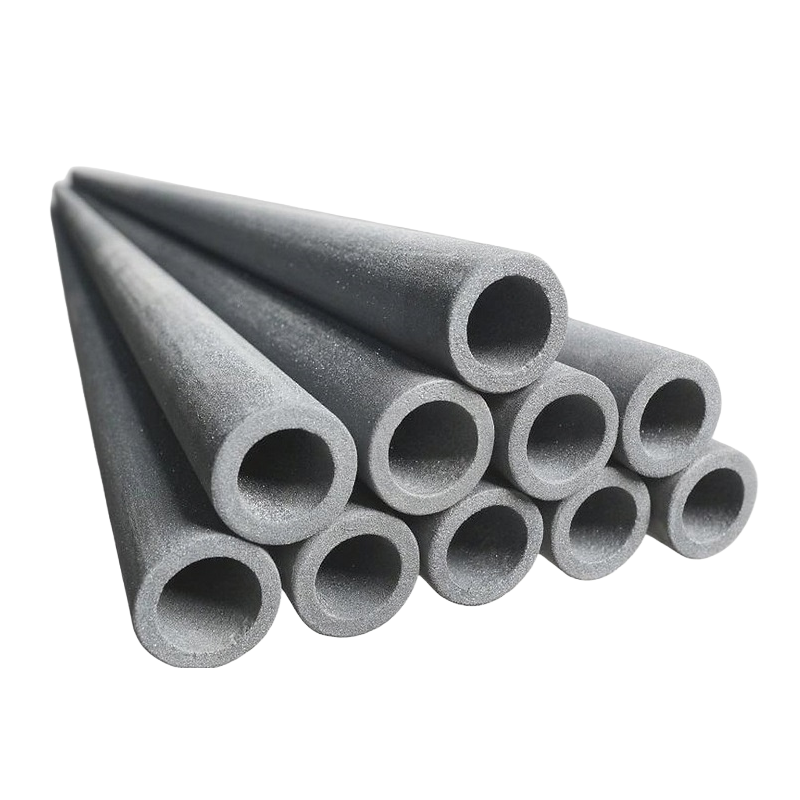
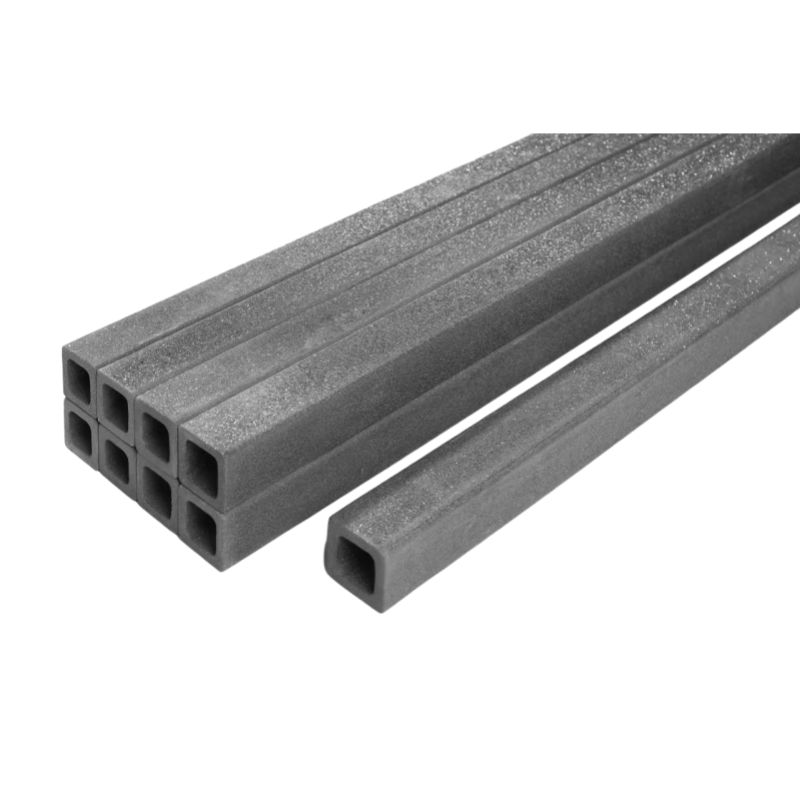
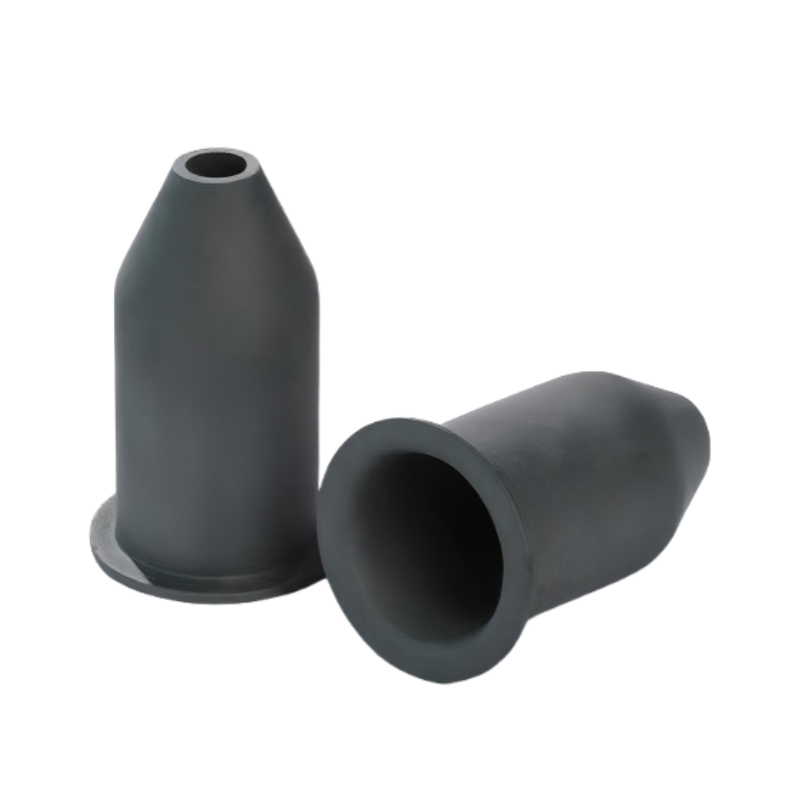
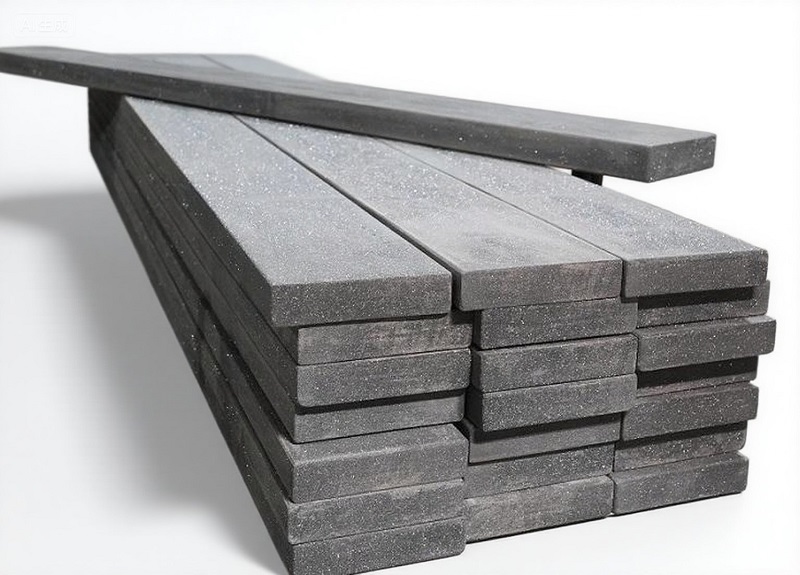
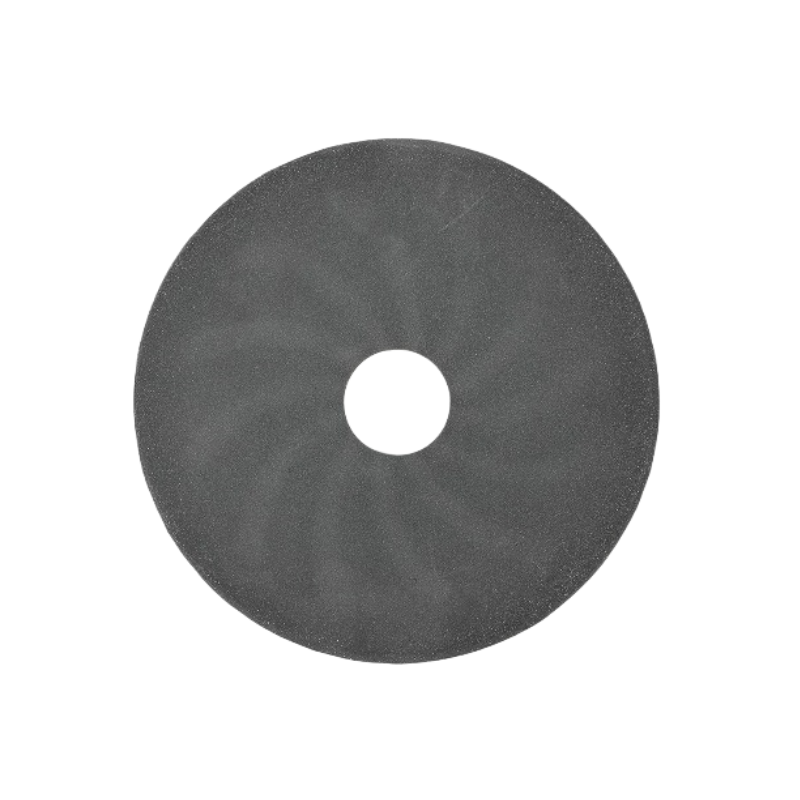
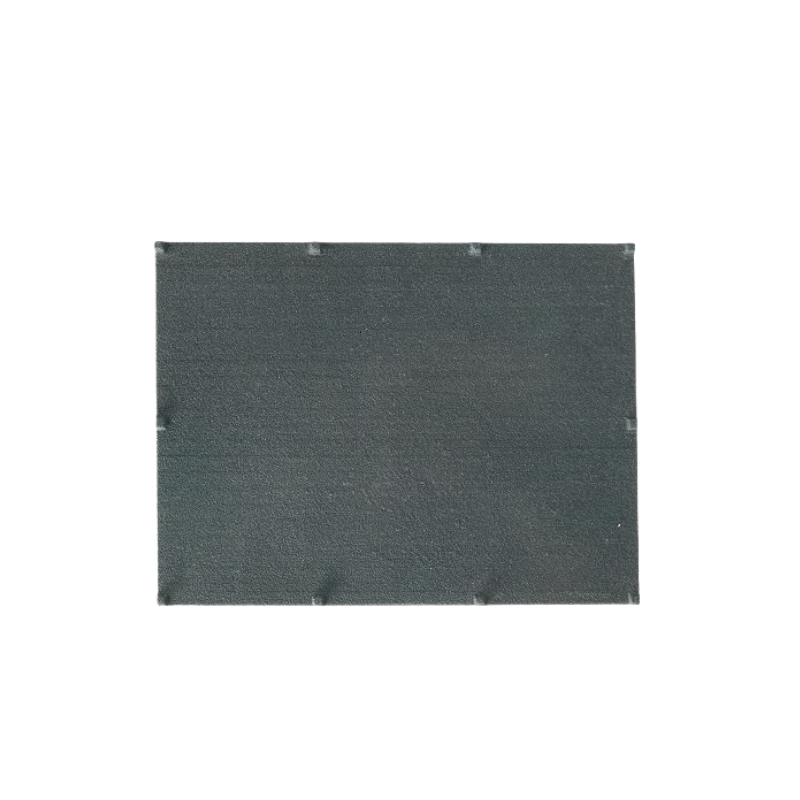
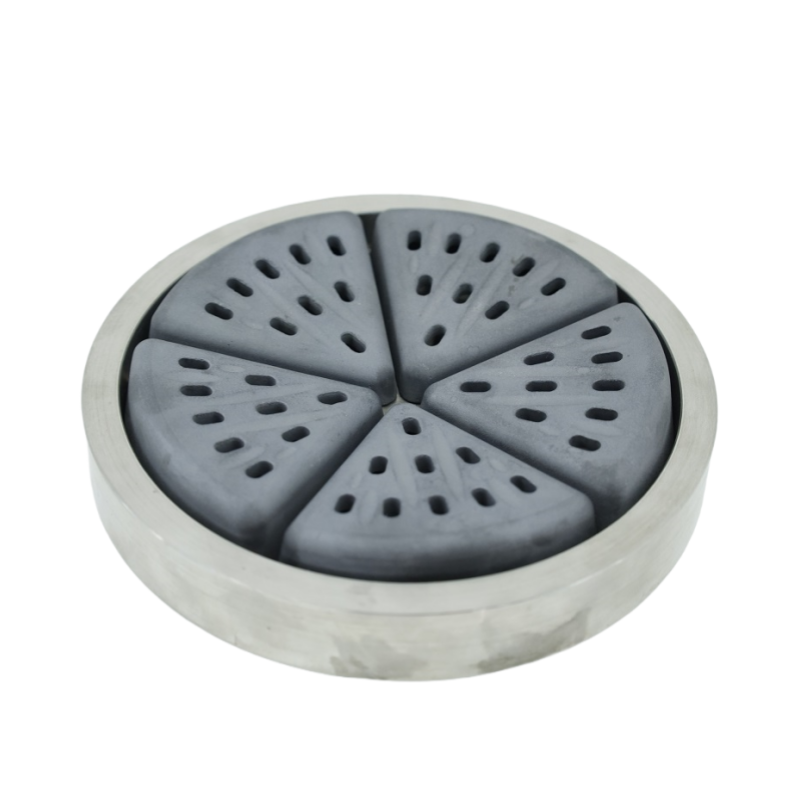
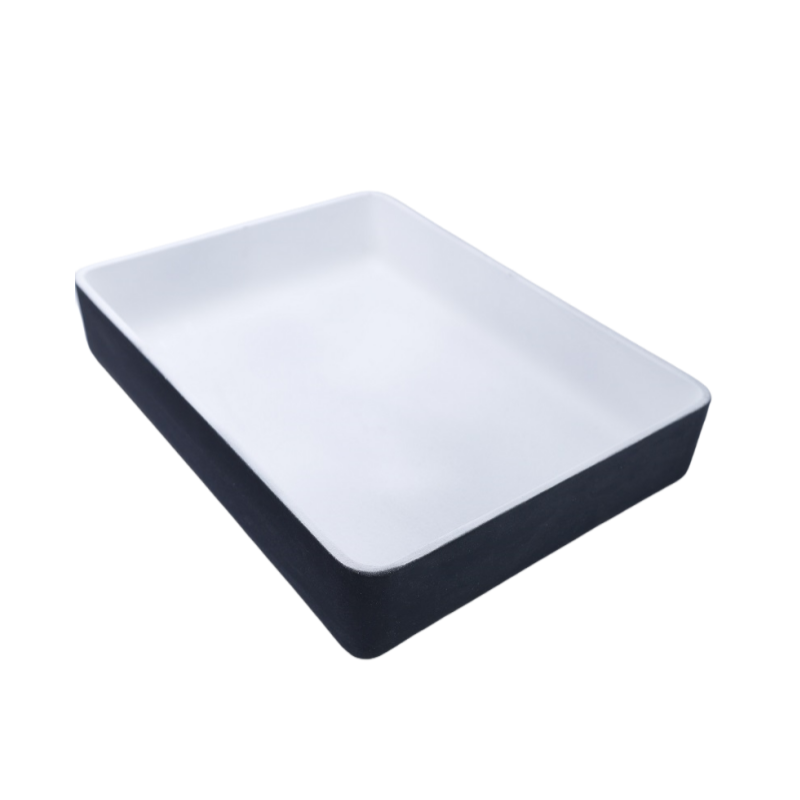
In the realm of high-temperature industrial applications, material selection often determines process success and efficiency limits. When temperatures exceed 1000°C, when rapid heating and cooling become routine, and when strong acids and molten salts erode relentlessly, conventional metals and ordinary ceramics surrender one after another. Yet silicon carbide (SiC) ceramics navigate these forbidden zones with ease, becoming the irreplaceable solution for extreme thermal environments.
I. Physical and Chemical Properties: Innate Heat-Resistant Genes
The exceptional performance of silicon carbide ceramics in extreme thermal environments stems from their unique structural characteristics. This material, formed through strong covalent bonds between silicon and carbon, constructs a stable and efficient heat-resistant system.
Thermal Properties: The Art of Synergy
Thermal shock resistance is a key indicator of a material's ability to withstand sudden temperature changes. Silicon carbide ceramics can endure ΔT > 1000°C without cracking—this remarkable capability results from the perfect synergy of two critical parameters: high thermal conductivity (120-200 W/m·K) ensures rapid heat dissipation, while a low thermal expansion coefficient (4.0×10⁻⁶/°C) limits stress from volumetric changes. This combination reduces thermal stress to within the material's tolerance range.
Strength retention at high temperatures is another trump card for silicon carbide. At 1600°C, its flexural strength retention exceeds 80%, reaching over 400 MPa. This means that at temperatures where most metals have long softened or melted, silicon carbide maintains robust mechanical support.
Chemical Stability: The Wisdom of Self-Protection
When facing chemical attacks from strong acids (concentrated sulfuric, hydrochloric, nitric acid) and molten salts, silicon carbide does not passively succumb. In high-temperature oxidizing environments, its surface spontaneously forms a dense protective silicon dioxide film, only 1-5 μm thick yet effectively preventing further chemical erosion. This "self-protection" mechanism grants silicon carbide lasting durability in corrosive media.
Mechanical Properties: Hardness Equals Strength
With a hardness of 9.2-9.6 on the Mohs scale—second only to diamond—silicon carbide exhibits astonishing wear resistance when facing high-speed particle erosion. Data shows its resistance to particle scouring is ten times that of alumina ceramics. This characteristic is critical for harsh conditions involving dust-laden flue gas and fluidized beds.
II. Market Position: Silicon Carbide Versus Other Industrial Ceramics
No material is perfect; only some are best suited for specific applications. Silicon carbide's irreplaceability in certain fields stems from its differentiated advantages over other industrial ceramics.
Versus Alumina Ceramics: Comprehensive Superiority
Alumina (Al₂O₃) is the most widely used industrial ceramic, but when compared to silicon carbide, it falls short in several key indicators:
Thermal Conductivity: Silicon carbide is eight times higher (alumina only reaches 20-30 W/m·K)
Thermal Shock Resistance: Critical temperature difference increases by 300% (alumina's limit ΔT ≈ 300°C)
Acid Resistance: Service life extended fivefold (alumina's grain boundary phases are susceptible to acid erosion)
Of course, silicon carbide has its drawbacks: approximately 40% higher cost and slightly greater brittleness (fracture toughness 3.5-4.5 MPa·m¹/² versus zirconia's 10-12 MPa·m¹/²). However, for applications pursuing ultimate performance, these trade-offs are often worthwhile.
Versus Zirconia Ceramics: High-Temperature Stability Prevails
Zirconia (ZrO₂) is renowned for its high toughness, but in high-temperature applications, silicon carbide holds clear advantages:
Phase Stability: No phase transition risk above 800°C, while zirconia faces potential phase change failure
Wear Resistance: Silicon carbide is 200% higher (zirconia hardness is only 8-9 Mohs)
Zirconia's celebrated toughness (Y-TZP reaches 12 MPa·m¹/²) does surpass silicon carbide, but if operating temperatures exceed 800°C, this advantage diminishes significantly due to phase transition risks.
Versus Silicon Nitride Ceramics: A Match of Complementary Strengths
Silicon nitride (Si₃N₄) represents another class of high-performance ceramics. Compared to silicon carbide:
Thermal Conductivity: Silicon carbide is double (silicon nitride only reaches 20-30 W/m·K)
Molten Metal Resistance: Silicon carbide performs better in aluminum/copper liquid environments
Electrical Insulation: Silicon carbide is weaker (resistivity 0.1-10 Ω·cm, versus silicon nitride's >10¹³ Ω·cm)
Choosing between silicon carbide and silicon nitride depends on specific requirements: prioritize silicon carbide for thermal conductivity and molten metal resistance; choose silicon nitride for electrical insulation needs.
III. Manufacturing Process: Forging Thermal Shock Resistance
Achieving ΔT > 1000°C thermal shock resistance is no accident. Through stringent control of three core technologies, silicon carbide ceramics acquire this "superpower":
Raw Material Selection: 99.5% purity α-SiC powder with particle size D50 controlled at 0.8 μm. High purity ensures stability; fine particle size enables densification.
Forming Process: Based on product shape and dimensions, select isostatic pressing, slip casting, or extrusion to ensure uniform green body density without defects.
Two-Step Sintering Process: Through precisely controlled dual sintering cycles, achieve optimal microstructure and phase composition, striking the ideal balance among thermal conductivity, expansion, and strength properties.
It is the most cost-effective choice over the full lifecycle; it is one of the few materials that can stand firm in heat waves above 1000°C. When conventional materials succumb one after another to high-temperature corrosion, the presence of silicon carbide makes continuous operation of extreme processes possible.
[Contact us to Inquire or Order] or [Call Our Hotline].
