

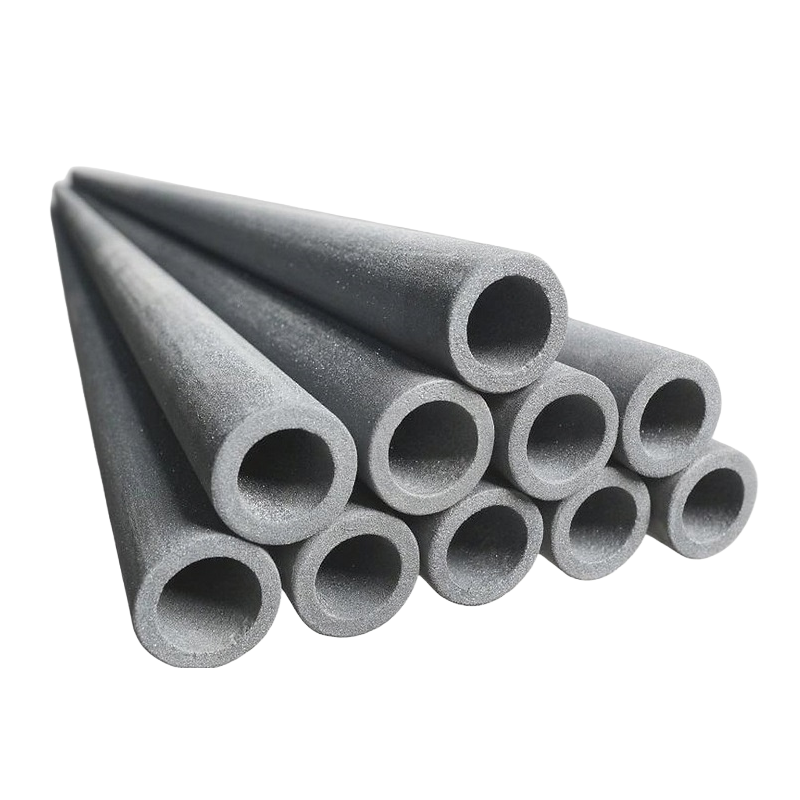
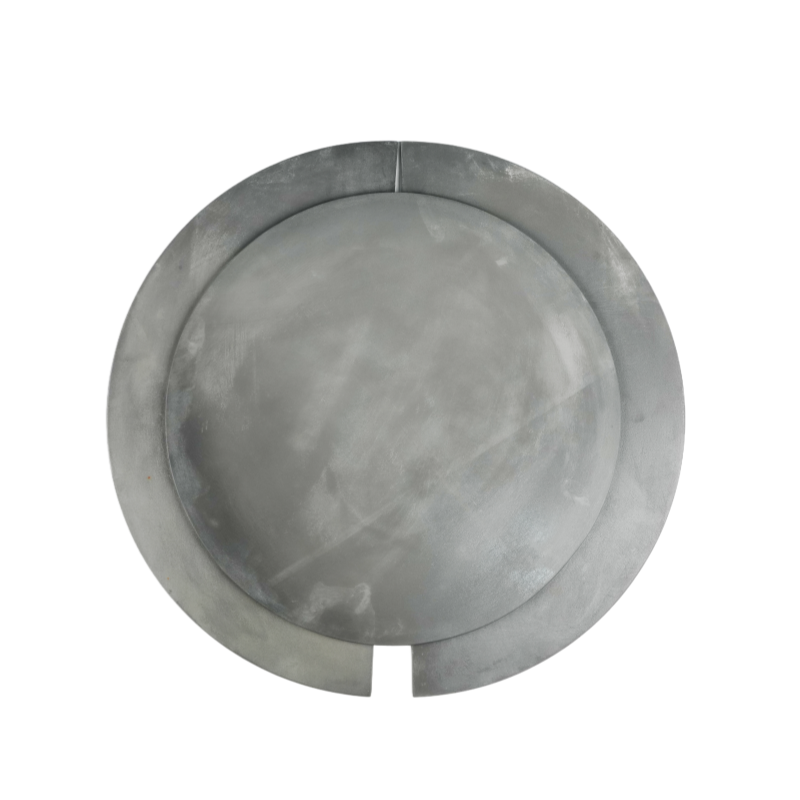
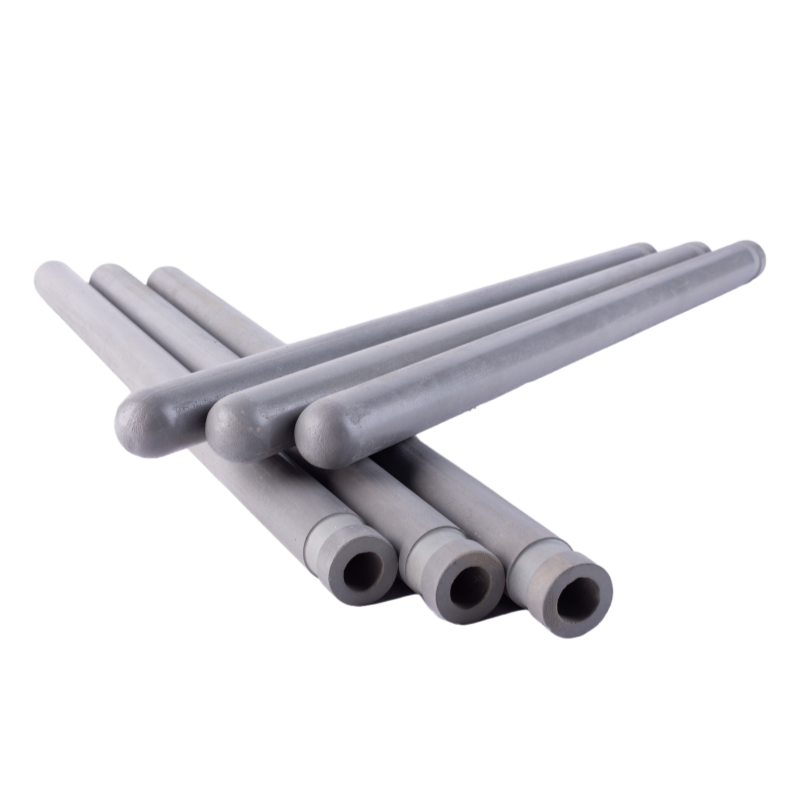
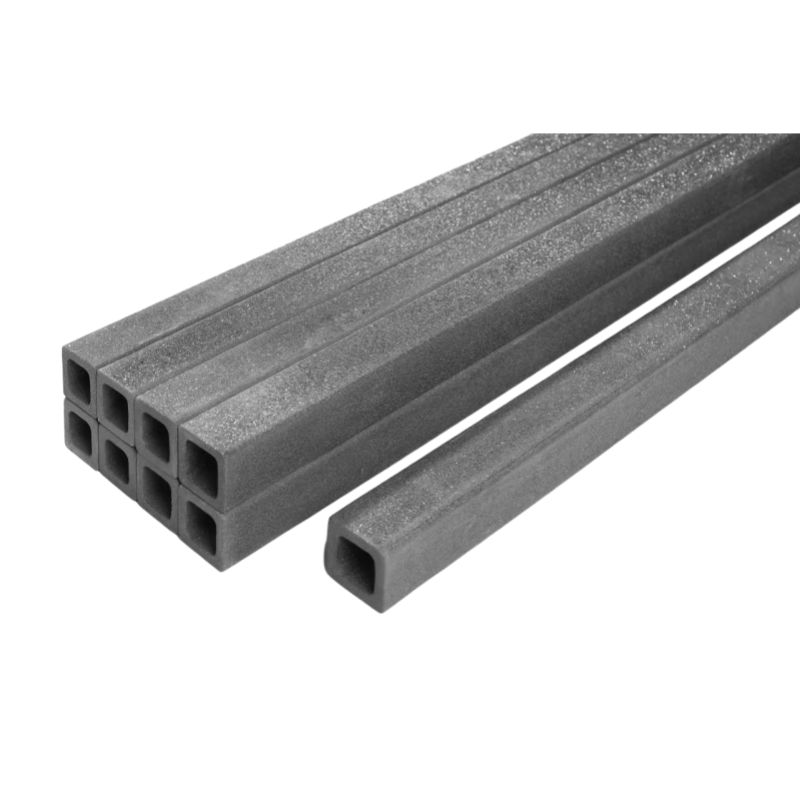
At 1500°C, as traditional materials succumb to the extreme heat, one material stands unyielding—silicon carbide, renowned as the "industrial teeth." When this material meets customized demands, a quiet revolution in extreme performance is underway.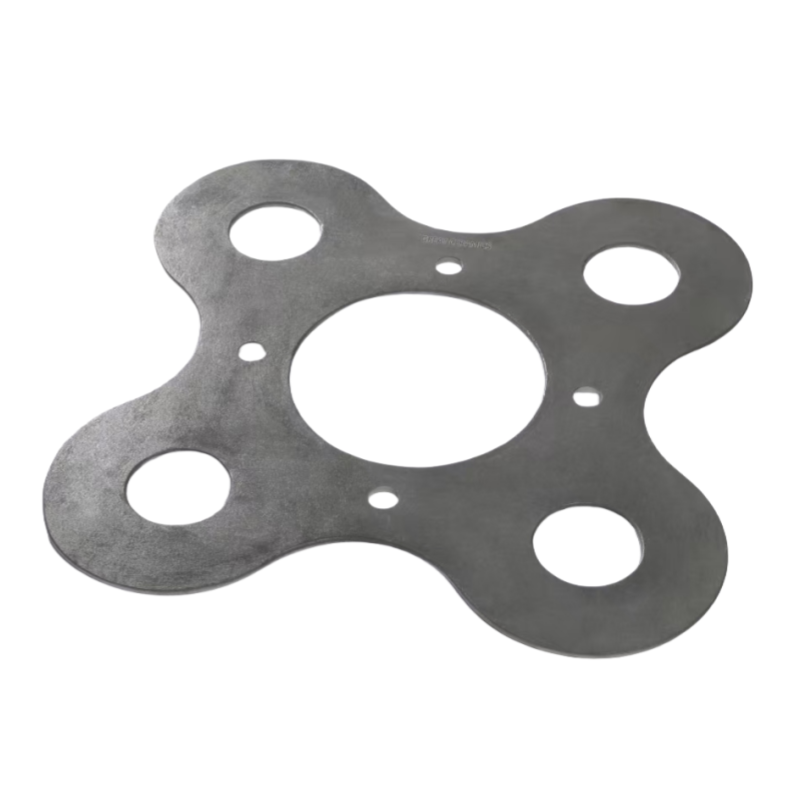
I. What Are Silicon Carbide Custom-Shaped Parts? The Intelligent Choice Beyond Standard Components
Imagine building a miniature "space station" capable of operating inside a high-temperature furnace, yet none of the standard components on the market meet your unique design requirements. This is where silicon carbide custom-shaped parts become the only viable solution.
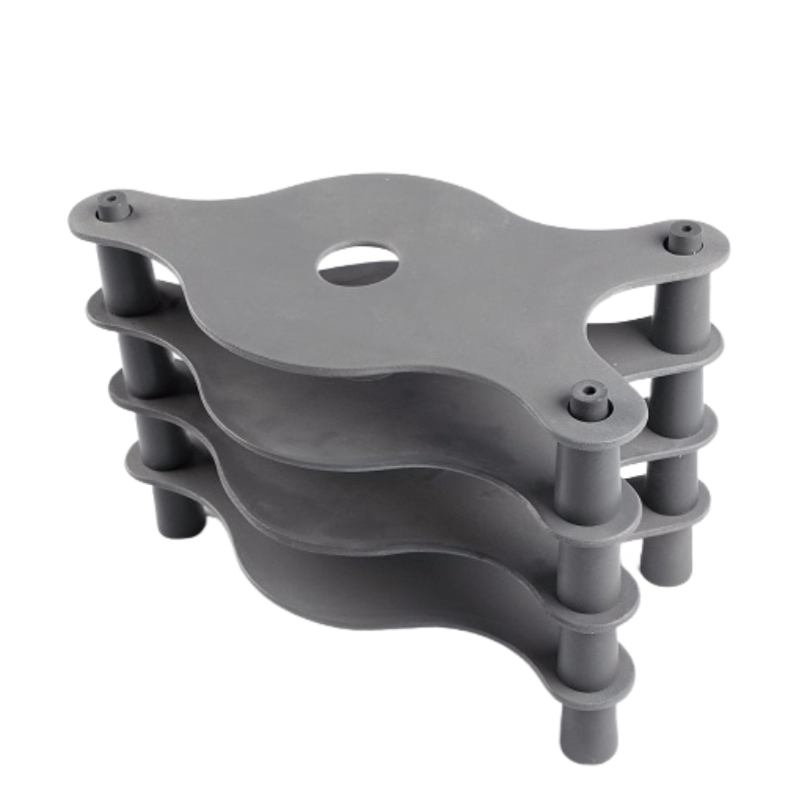
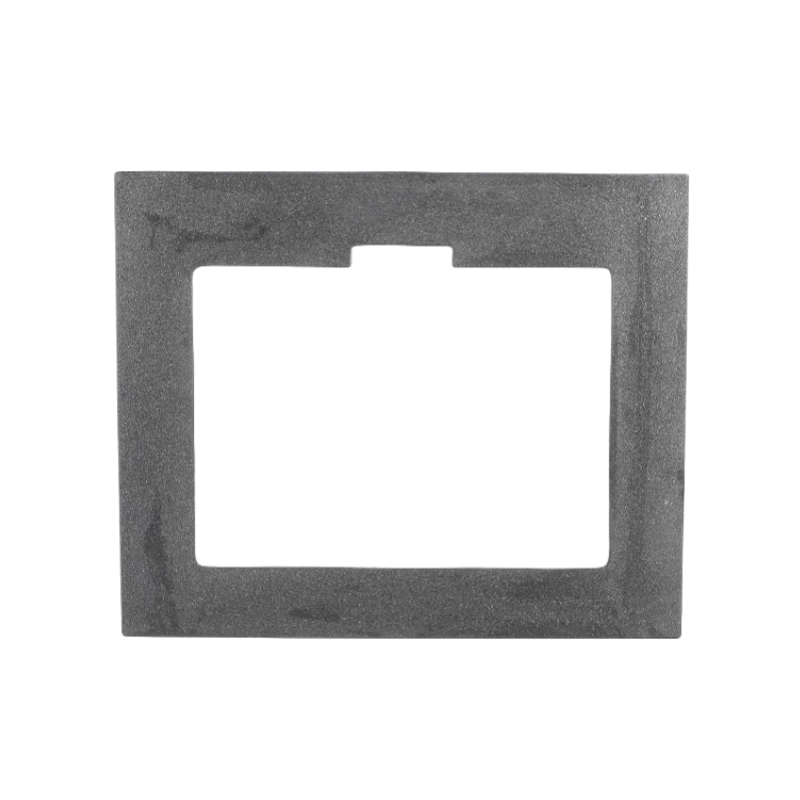
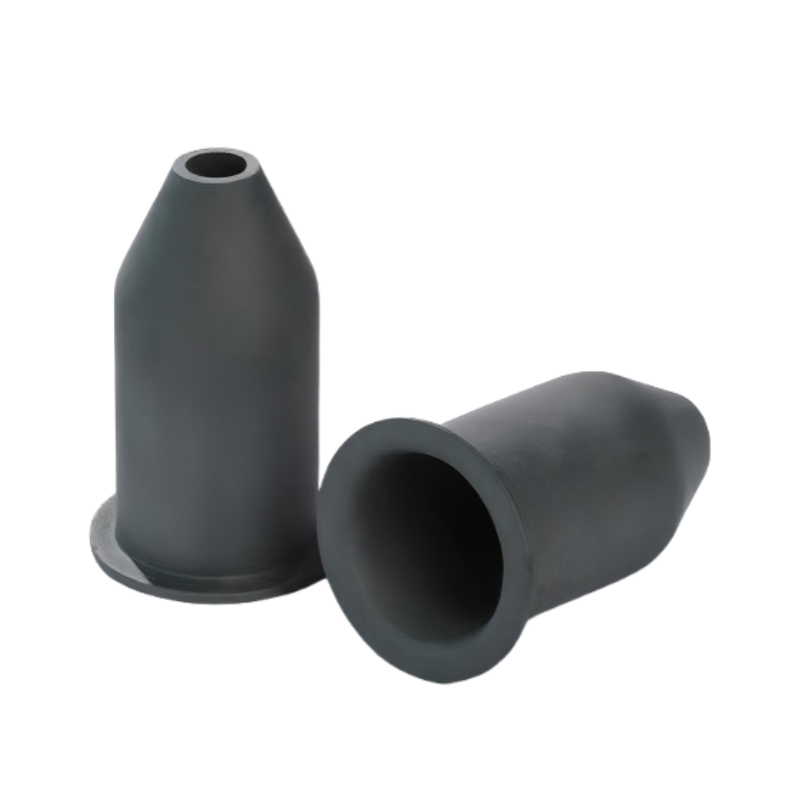
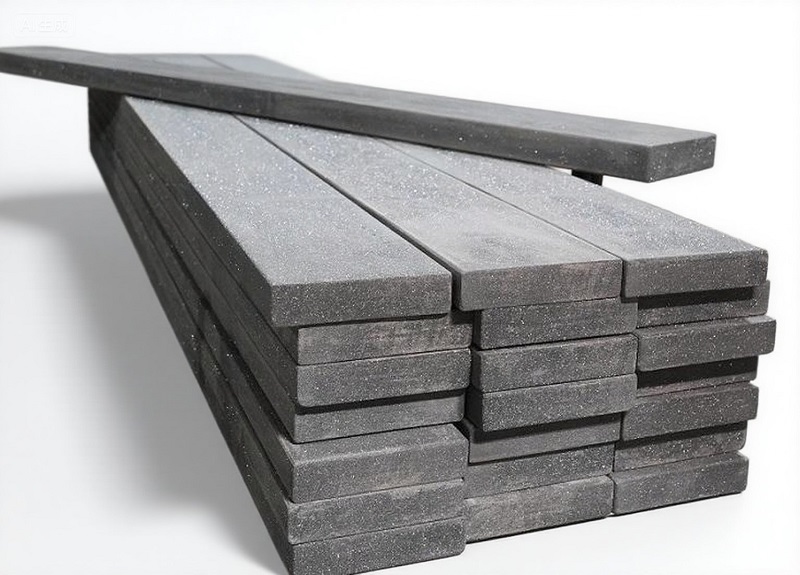
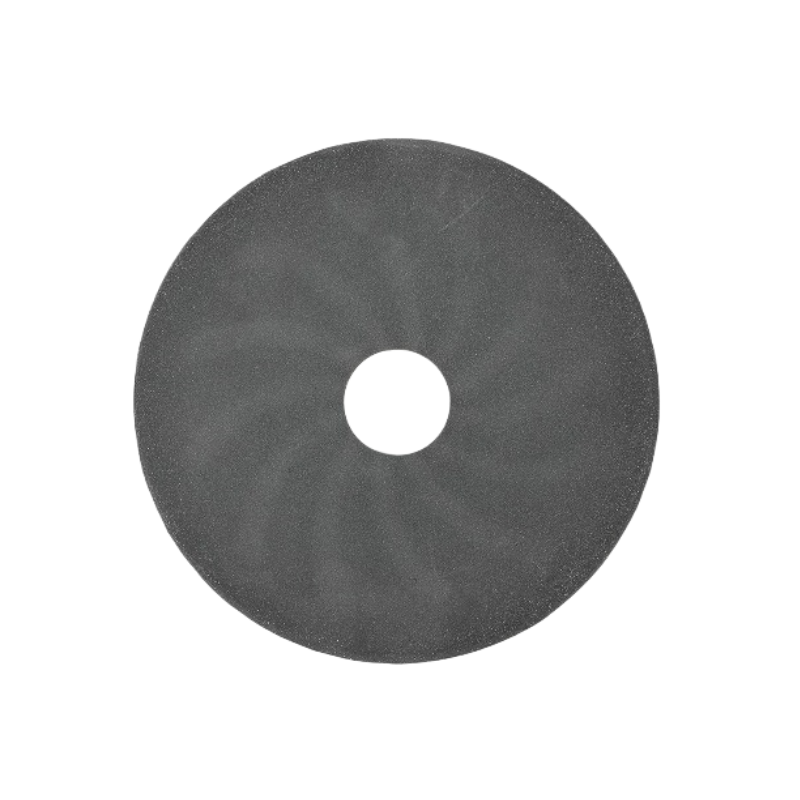
Silicon carbide custom-shaped parts are, simply put, silicon carbide products manufactured in non-standard shapes based on specific customer requirements and specialized processes. Unlike common standard components like flat plates, tubes, or rods, custom-shaped parts can feature:
Complex curved surfaces and geometric structures
Precisely designed holes and channels
Integrated multifunctional designs
Specialized shapes optimized for specific working conditions
From gas distribution plates in semiconductor chip manufacturing to specialized crucibles for sintering lithium battery cathode materials; from high-purity supports for photovoltaic silicon ingot growth to load-bearing beams in high-temperature kilns—these seemingly simple "accessories" are, in fact, critical to the smooth operation of entire production processes.
II. Why Choose Customization? Unveiling Three Core Scenarios
Scenario 1: The "Guardian" in Extreme Environments
In the front-end processes of semiconductor manufacturing, wafers undergo oxidation, diffusion, and other treatments at temperatures above 1300°C. Ordinary quartz or metal containers either deform under such conditions or contaminate the wafers. Customized high-purity silicon carbide carriers not only withstand high temperatures but also form a protective silicon dioxide film on their surface, effectively preventing metal ion contamination and ensuring chip yield.
Scenario 2: The "Interpreter" for Specialized Processes
In the photovoltaic industry, specific thermal field distributions are required during polycrystalline silicon ingot casting. Standard flat plates cannot meet this need, while customized silicon carbide custom-shaped parts—such as deflector plates with precise angles and specially shaped thermal shields—can precisely control heat flow, optimize crystal growth conditions, and directly improve ingot quality and yield.
Scenario 3: The "Key" to Equipment Upgrades
Many traditional industrial equipment use refractory materials with short lifespans and low thermal efficiency. Replacing these traditional components with custom-designed silicon carbide custom-shaped parts can achieve:
A 3 to 5-fold increase in service life
A 15–30% reduction in energy consumption
Significantly extended maintenance cycles
III. From Concept to Product: The Journey of Customizing Silicon Carbide Parts
Customizing a silicon carbide custom-shaped part is like crafting a "tailored suit of armor" for extreme environments. This process typically involves four key stages:
Stage 1: Needs Analysis and Material Selection
This is the most critical starting point. Professional engineers will engage in in-depth discussions with you to understand:
The operating temperature range and rate of change
The environmental atmosphere (oxidizing, reducing, vacuum, etc.)
The type and magnitude of mechanical loads
Purity requirements and contamination control standards
Whether integration with other components is necessary
Based on this information, engineers will recommend the most suitable silicon carbide material:
Reaction-Bonded Silicon Carbide (SiSiC): Suitable for complex shapes, cost-effective
Sintered Silicon Carbide (SSiC): Highest purity, optimal performance, but highest cost
Recrystallized Silicon Carbide (RSiC): Best thermal shock resistance, often used in rapidly changing temperature environments
Stage 2: Design and Simulation Optimization
Using modern CAD software and finite element analysis tools, engineers will:
Create a 3D digital model of the product
Perform thermal stress analysis and structural strength simulations
Predict performance during use
Optimize the design to eliminate potential weaknesses
This stage often requires multiple iterations until the design meets both functional requirements and manufacturing process constraints.
Stage 3: Precision Manufacturing and Quality Control
Depending on the complexity and performance requirements of the product, three main forming processes are employed:
| Process Type | Applicable Scenarios | Advantages | Limitations |
|---|---|---|---|
| Isostatic Pressing | Simple to moderately complex shapes | Uniform density, stable performance | High mold cost |
| Slip Casting | Complex thin-walled parts | Capable of fine structures | High shrinkage control requirements |
| 3D Printing/Additive Manufacturing | Extremely complex structures | Almost unlimited design possibilities | Very high cost, rough surface finish |
After forming, the green body undergoes a strict sintering process, which directly determines the final performance of the product. Professional manufacturers precisely control each key parameter: heating rate, maximum temperature, holding time, atmosphere conditions, and more.
Stage 4: Post-Processing and Verification
After sintering, the product may require:
CNC precision machining to achieve final dimensions
Surface polishing or coating treatment
Non-destructive testing (ultrasonic, X-ray inspection)
Performance testing (density, hardness, flexural strength, etc.)
Only products that pass all inspections are packaged and delivered, accompanied by detailed quality reports and usage guidelines.
IV. The Value of Customization: Beyond Just Unique Shapes
The Multiplier Effect of Performance Enhancement
A photovoltaic company once faced low yield rates in polycrystalline silicon ingot casting. By custom-designing thermal field silicon carbide components, they improved temperature uniformity by 40%, raised ingot quality from Grade B to Grade A, and increased annual revenue by millions of RMB from this improvement alone.
Optimization of Total Cost
While the unit price of custom parts is typically higher than that of standard components, considering the total lifecycle cost:
Extended service life reduces replacement frequency
Higher reliability minimizes downtime losses
Better performance improves the yield of the primary product
Lower energy consumption saves operational costs
True Value = (Direct Benefits + Indirect Benefits - Total Cost) × Service Life
Unleashing Innovative Potential
When engineers are no longer limited by the shapes and sizes of standard components, they can translate more innovative ideas into reality. Silicon carbide custom-shaped parts, in essence, provide foundational material-level support for innovation across entire production systems.
V. Conclusion: Creating Possibilities at the Extremes
Silicon carbide custom-shaped part customization, at its core, is about creating new possibilities for industrial production at the limits of material science. It is no longer merely "processing according to drawings" but a comprehensive solution that integrates materials science, mechanical engineering, thermodynamics, and chemistry.
[Contact us to Inquire or Order] or [Call Our Hotline].
