

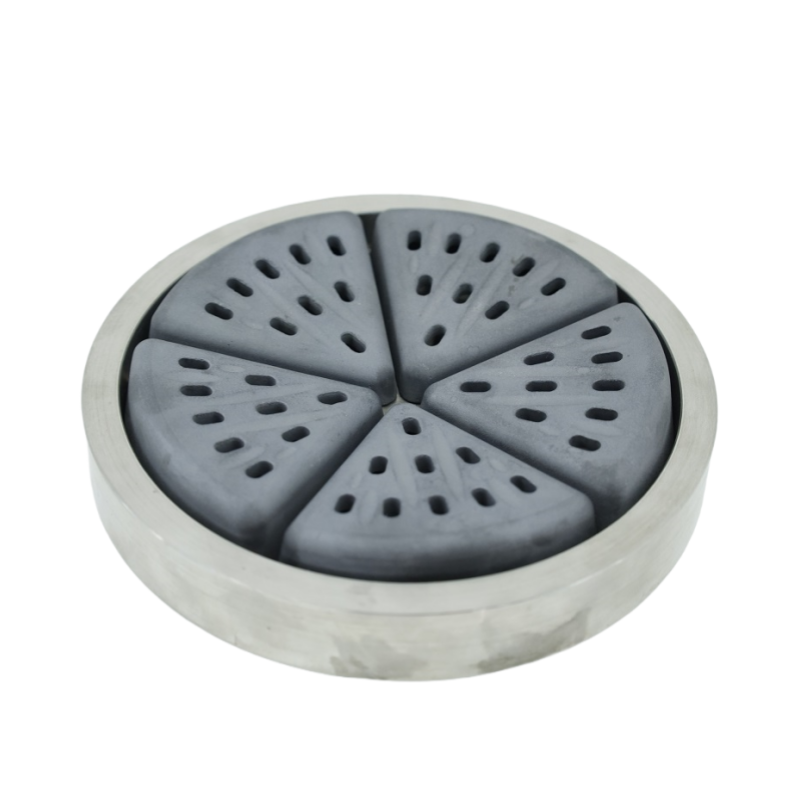
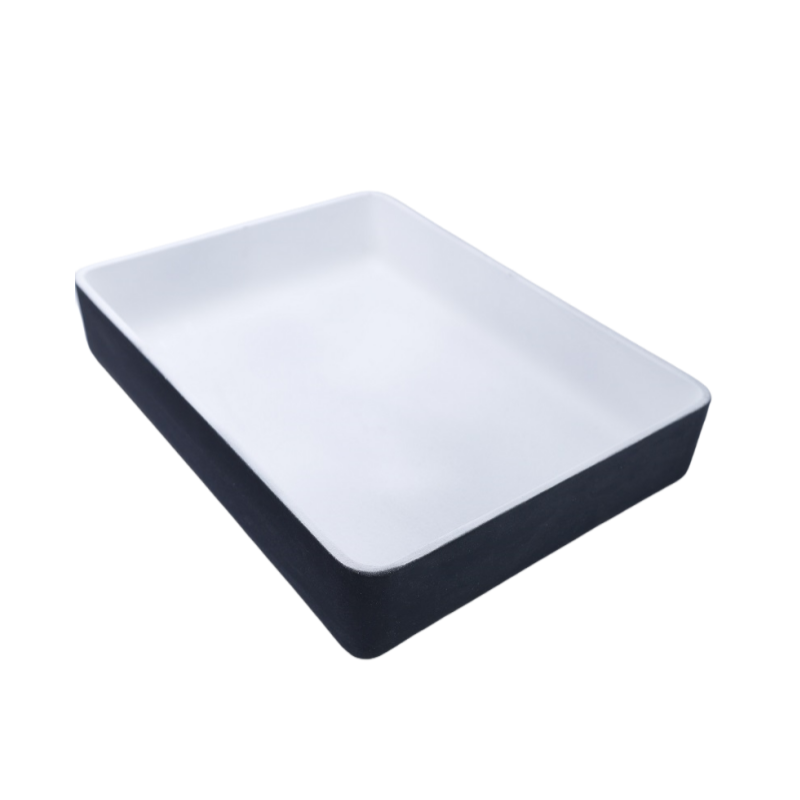
Today, let's talk about several new roles silicon carbide is playing in the current landscape.
I. The "Range Accelerator" for New Energy Vehicles
As 800V high-voltage fast charging becomes an industry trend, silicon carbide power devices are shifting from "optional" to "standard."
Compared to traditional silicon-based devices, silicon carbide modules can improve inverter efficiency by 5%–8%, directly translating into increased driving range. More importantly, they perform stably under high-temperature, high-frequency conditions, making electric vehicles more capable during high-speed driving and fast charging scenarios.
In a nutshell: Without silicon carbide, the 800V high-voltage platform would struggle to truly "get off the ground."
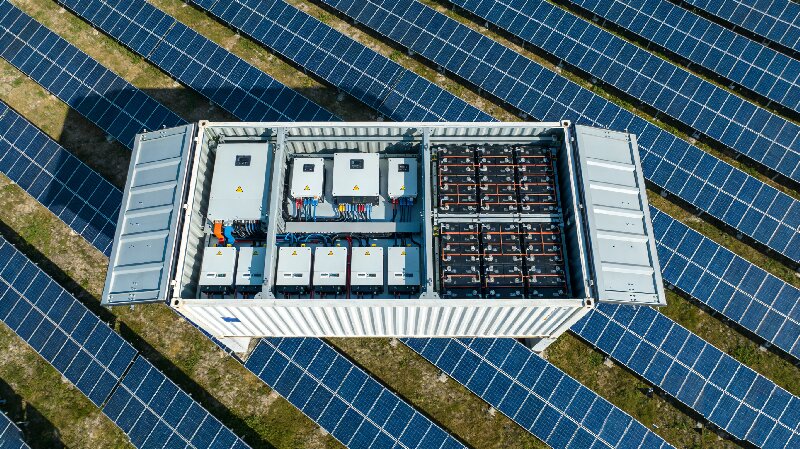
II. The "Efficiency Champion" for Photovoltaics and Energy Storage
In photovoltaic inverters, silicon carbide devices are replacing traditional silicon devices, boosting system efficiency by more than 2%. For multi-megawatt PV power plants, that 2% means tens of thousands or even hundreds of thousands of kilowatt-hours of additional annual electricity generation.
In energy storage systems, silicon carbide's high-frequency characteristics enable more efficient energy conversion, reducing losses and heat dissipation, while also shrinking system size and weight.
Trend observation: As photovoltaics enter the "grid parity" era, silicon carbide is becoming a key technology for improving return on investment.
III. The "Carbon Reduction Tool" for High-Temperature Industry
You may not realize it, but high-temperature kilns in the ceramics and metallurgy industries are major energy consumers and significant carbon emitters.
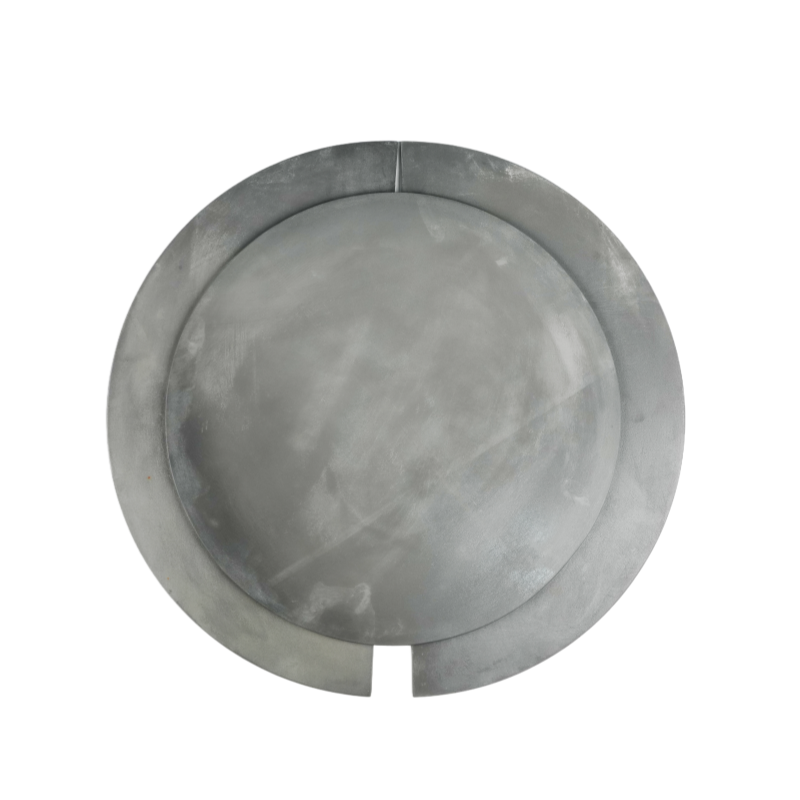
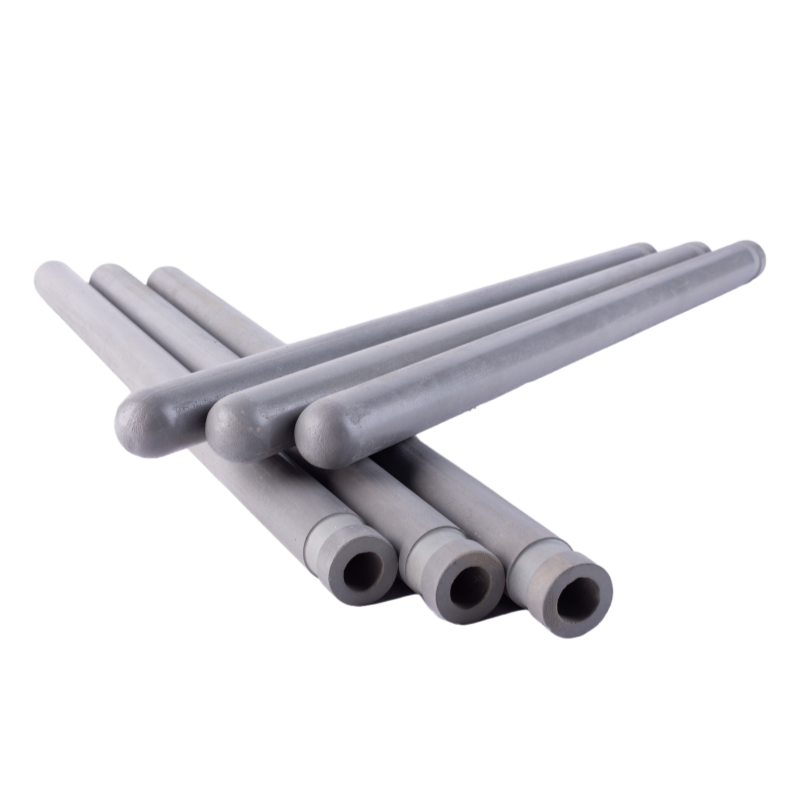
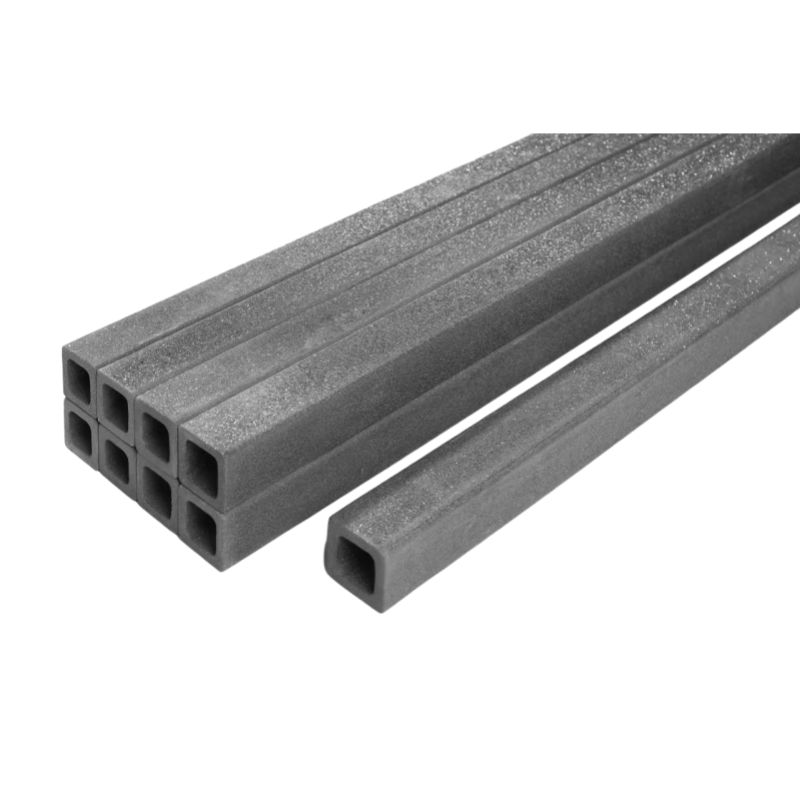
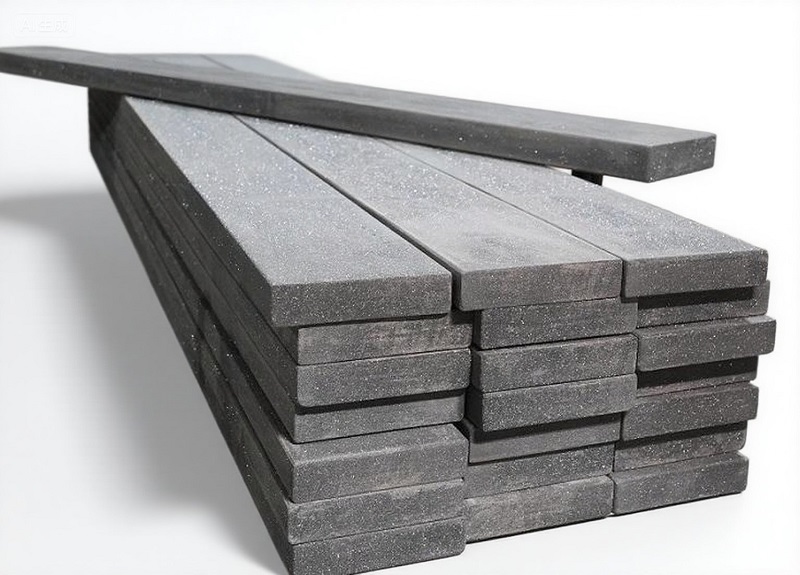
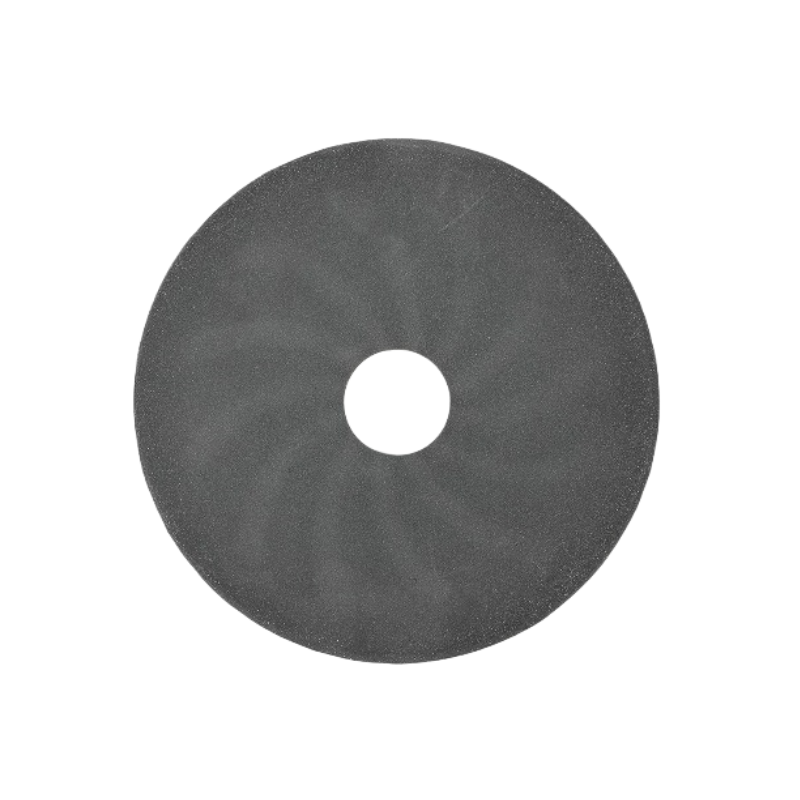
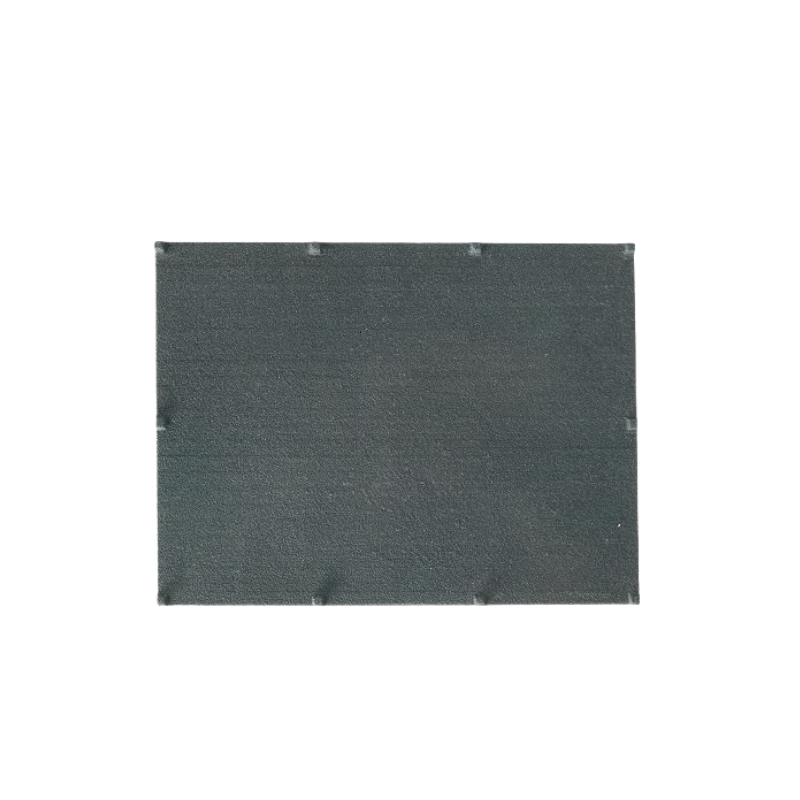
Silicon carbide ceramic kiln furniture (such as square beams, rollers, and firing plates), leveraging high thermal conductivity, low heat capacity, and thermal shock resistance, is helping kilns achieve two major upgrades:
Energy consumption reduced by 15%–25%: faster heat transfer, shorter firing cycles
Improved product consistency: uniform temperature field, reduced defect rates
Let's do the math: a medium-sized ceramic roller kiln, after adopting silicon carbide kiln furniture, can reduce carbon emissions by hundreds of tons annually. That's no small number.
IV. The "Corrosion Guardian" for Industrial Filtration
In extreme operating conditions such as phosphoric acid concentration, molten salt chlorination, and high-temperature flue gas dedusting, traditional metal filter media often "barely last" a few months.
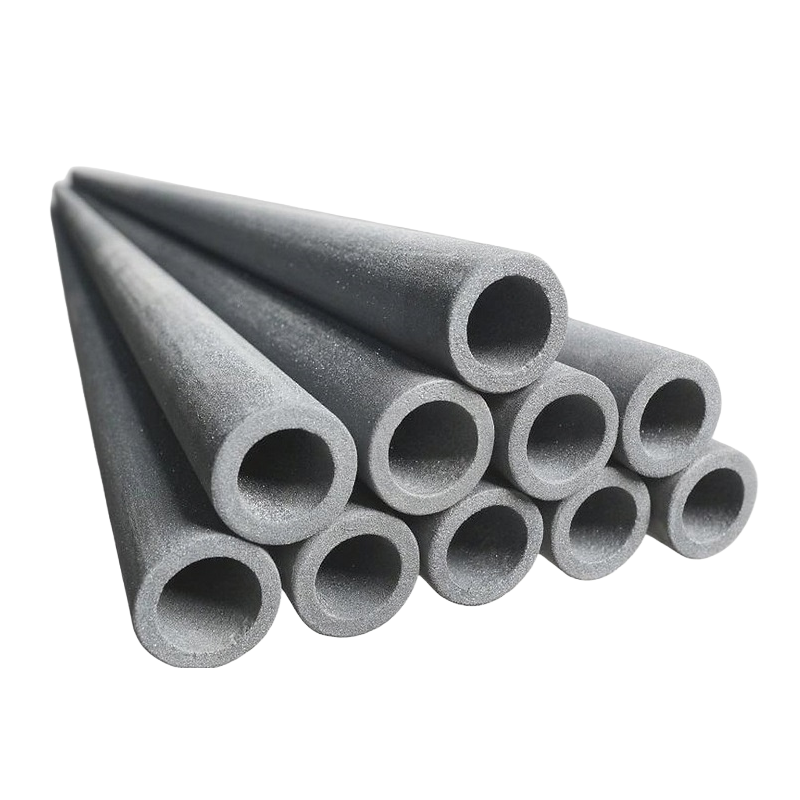
With the triple advantage of high-temperature resistance (>1000°C), strong acid resistance, and thermal shock resistance, silicon carbide filter plates/tubes extend equipment service life from "quarter-level" to "year-level," significantly reducing downtime for maintenance and ensuring production continuity.
Case in point: After a phosphorus chemical company replaced its 316L stainless steel filter plates with silicon carbide filter plates, service life increased from 3 months to over 3 years, and annual maintenance costs dropped by 80%.
V. The "Invisible Support" for Semiconductor Manufacturing
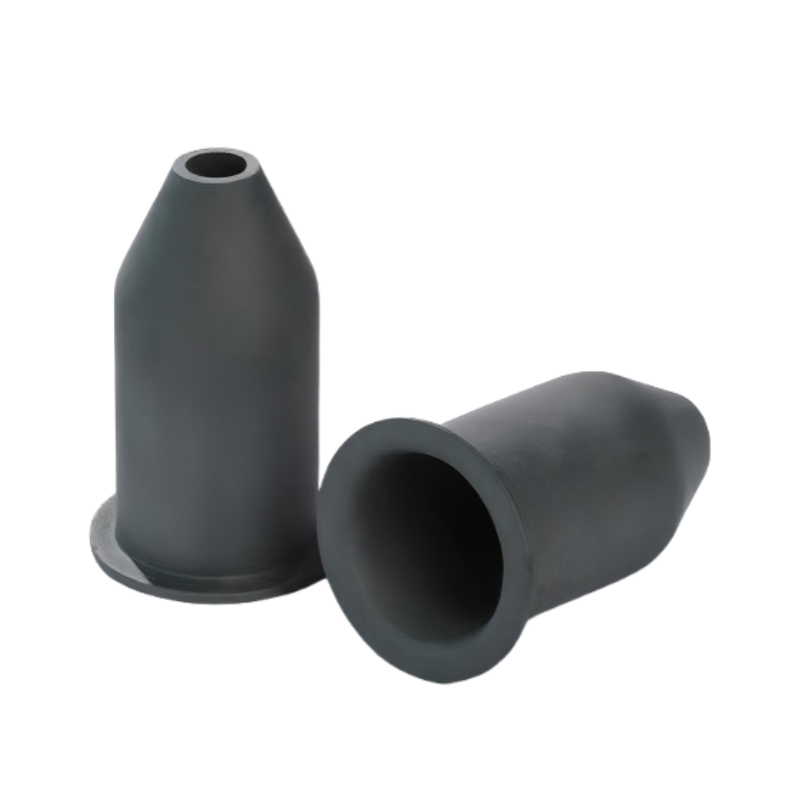
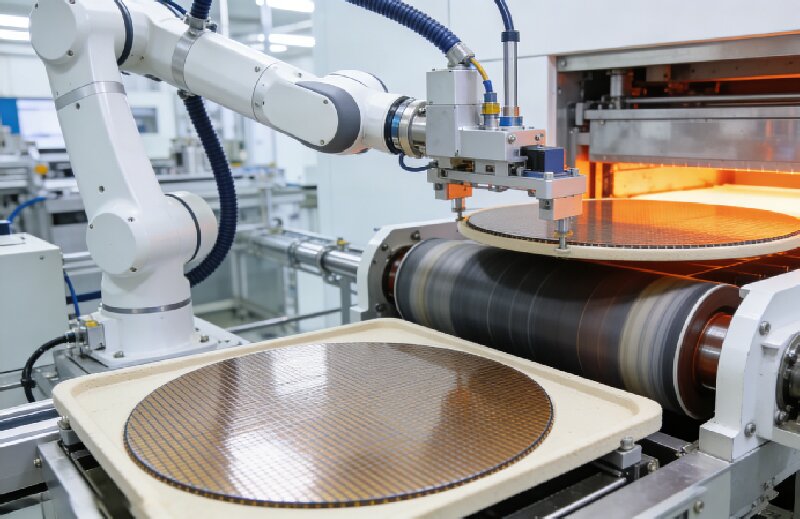
In the high-temperature process steps of chip manufacturing, silicon carbide, as a load-bearing component (such as epitaxial trays and diffusion furnace tubes), quietly supports every heat treatment of wafers.
Its high purity, low outgassing, and dimensional stability ensure that no contamination, deformation, or flaking is introduced during chip manufacturing. As the third-generation semiconductor industry booms, silicon carbide components are becoming a "must-have" for wafer fab expansions.
Conclusion
From abrasives and grinding tools to power devices, from kiln furniture to environmental filtration media, silicon carbide's roles continue to evolve, but the core logic remains unchanged: under extreme conditions of high temperature, high pressure, high frequency, and high corrosion, it always finds its own "irreplaceability."
Driven by the "dual carbon" goals, energy efficiency, high performance, and long service life are becoming the new standards for industrial manufacturing. And silicon carbide, in its unique way, is becoming a hardcore force in this green transformation.
The next time you see an EV with exceptional range or a photovoltaic panel with leading efficiency, there may be silicon carbide quietly contributing behind the scenes.
