


Why It Is the "Backbone" of Modern Industrial Kilns
In the extreme environments of modern industrial kilns, where temperatures consistently exceed 1000°C during processing of ceramics, lithium battery materials, and metallurgical products, silicon carbide kiln furniture provides the critical support system that ensures perfect firing results. This essential silicon carbide component forms the foundation of efficient thermal processing.
While never appearing in final products, silicon carbide kiln furniture serves as the uncelebrated hero throughout firing processes, rightfully earning its title as the "backbone" of modern industrial kilns. Understanding this vital silicon carbide technology reveals why it's indispensable for contemporary manufacturing.
1. Understanding Silicon Carbide Kiln Furniture
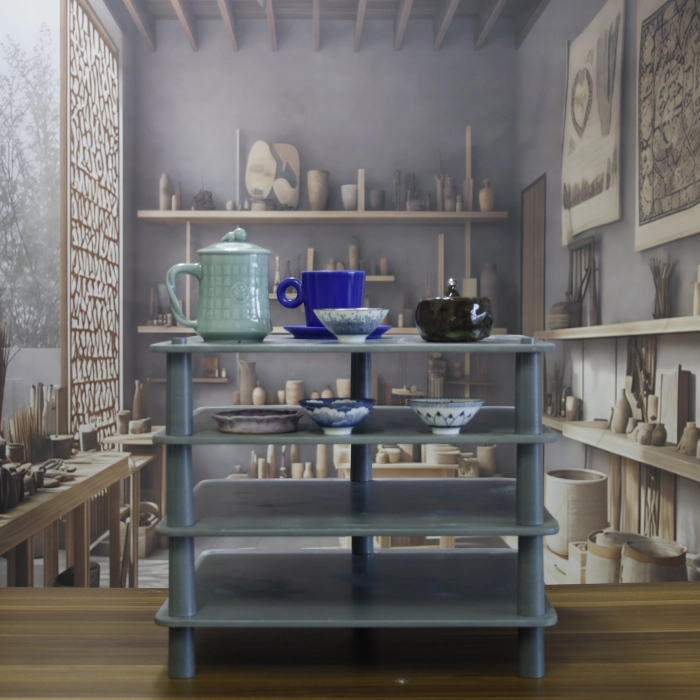
Fundamentally, silicon carbide kiln furniture encompasses the specialized tools and structural elements crafted from silicon carbide that maintain, support, and safeguard products during kiln operations. These silicon carbide components create the essential framework for industrial firing processes.
Consider silicon carbide kiln furniture as an ultra-durable structural network that establishes protected spaces within kilns. Products including tiles, battery components, and refractory materials reside within this silicon carbide framework during high-temperature exposure.
Principal varieties of silicon carbide kiln furniture include:
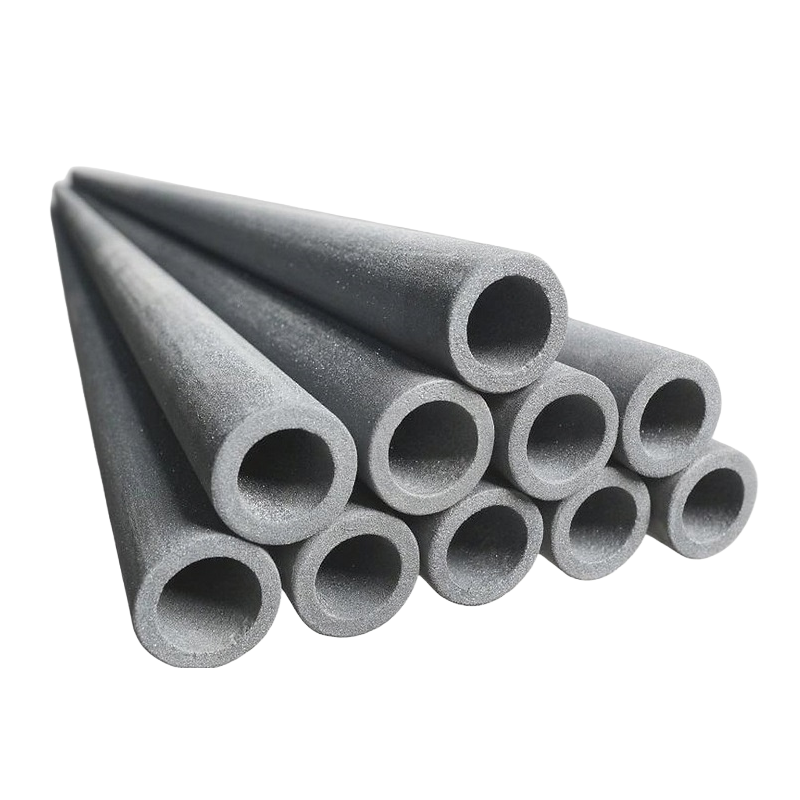
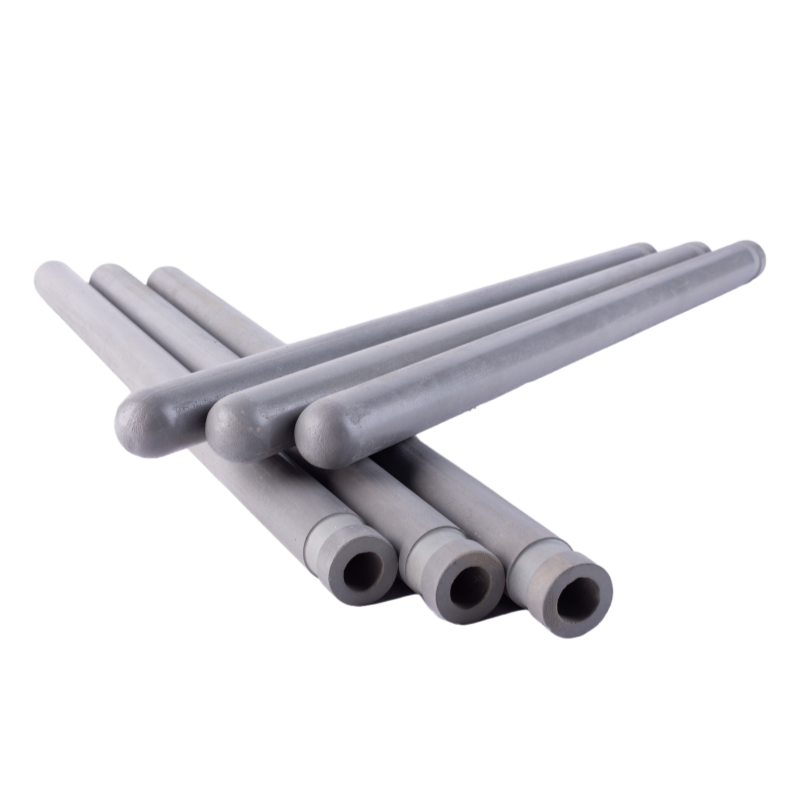
Rollers: Functioning as durable rotating elements in roller kilns, these silicon carbide components smoothly convey products through complete thermal zones, serving as the kiln's transportation mechanism.
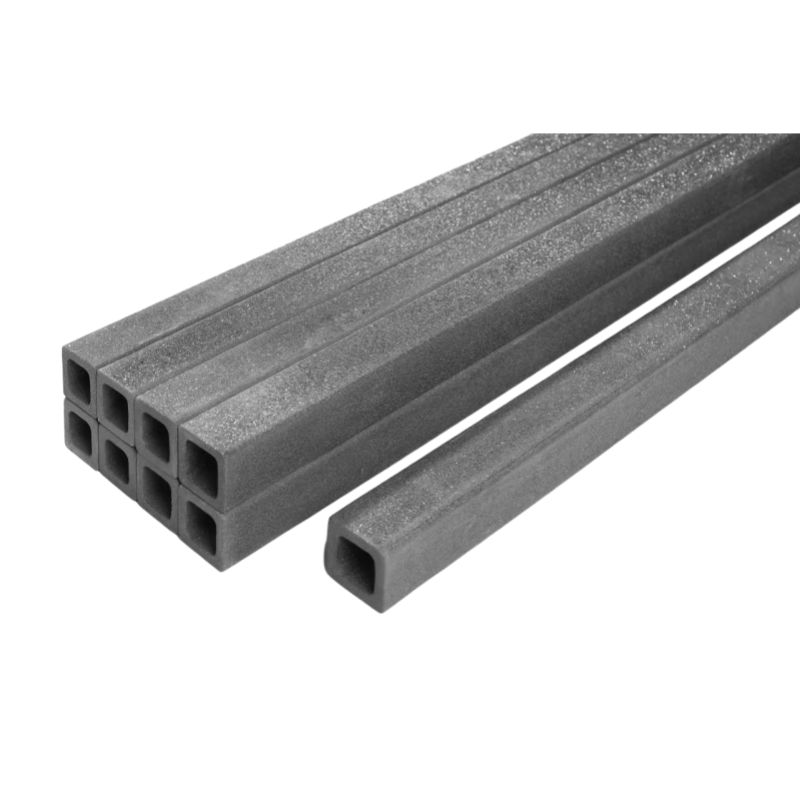
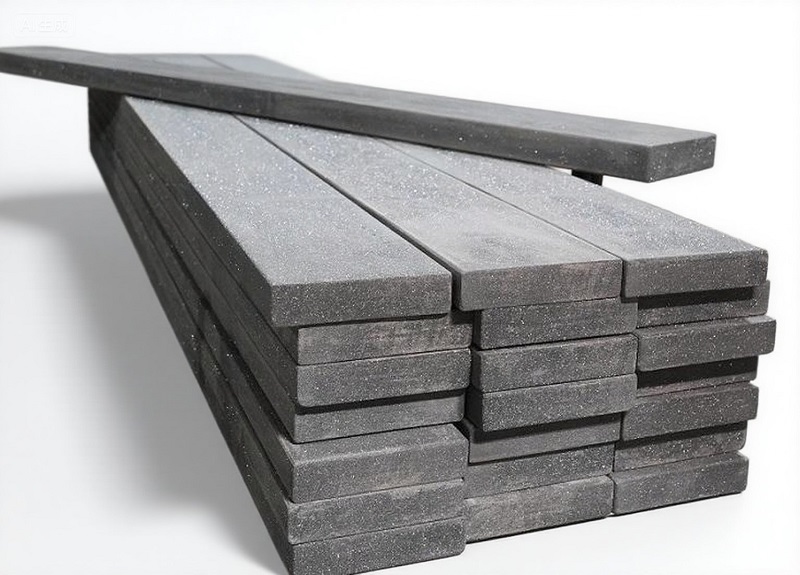
Beams: Acting as primary structural members, these silicon carbide elements span kiln interiors, supporting rollers and other refractory components under substantial loads at elevated temperatures.
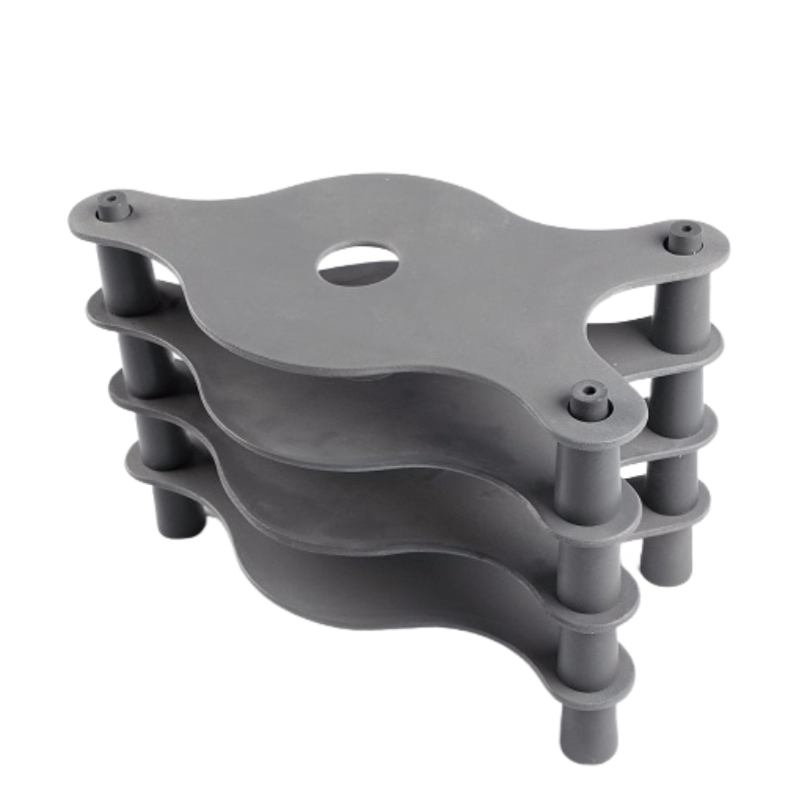
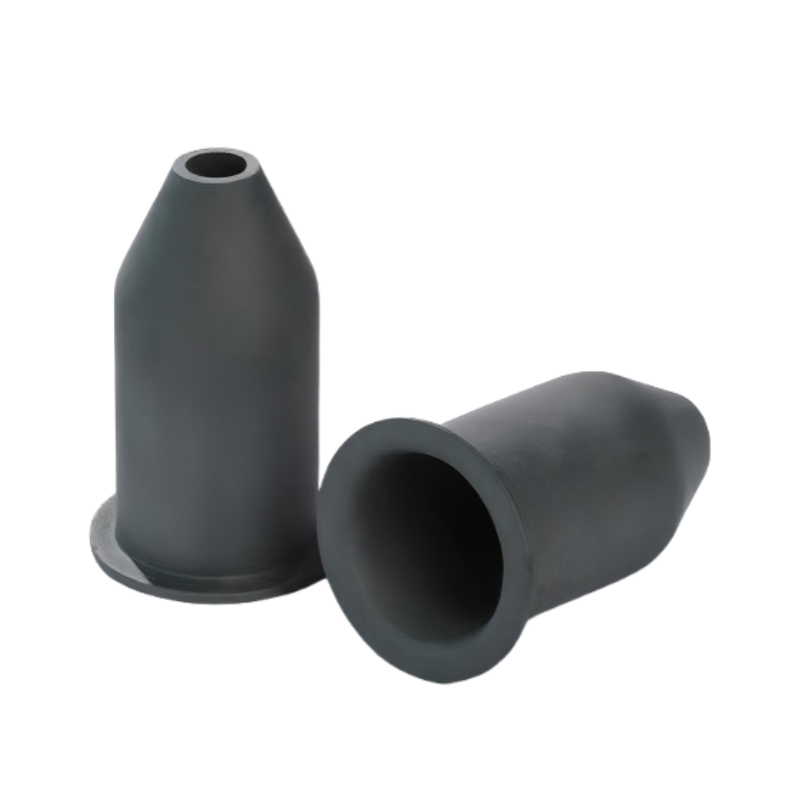
Supports and Saggers: Operating as protective enclosures, these silicon carbide containers isolate and cradle products during firing, preventing distortion or contamination.
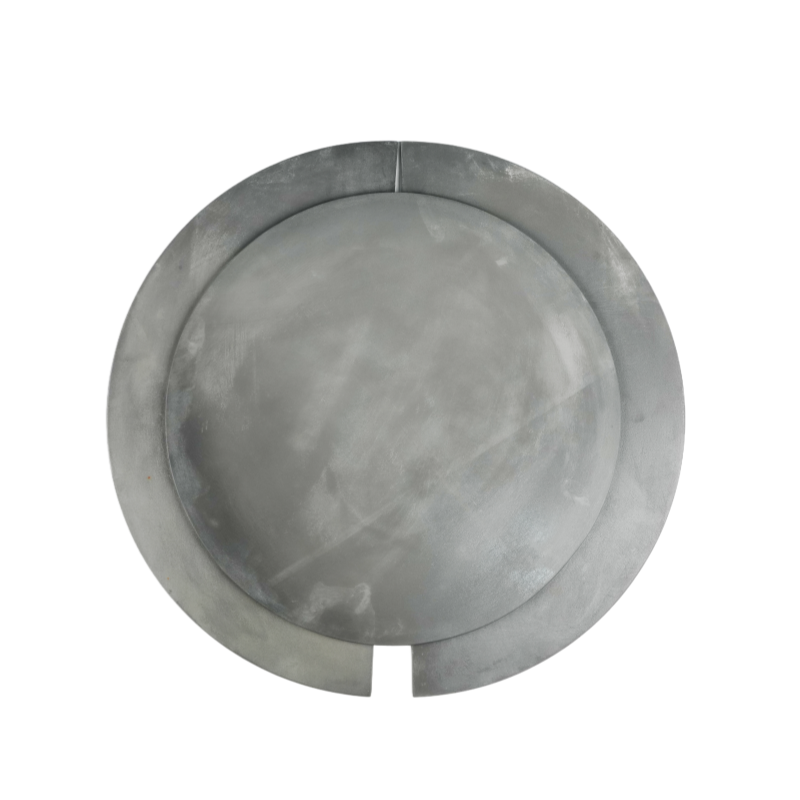
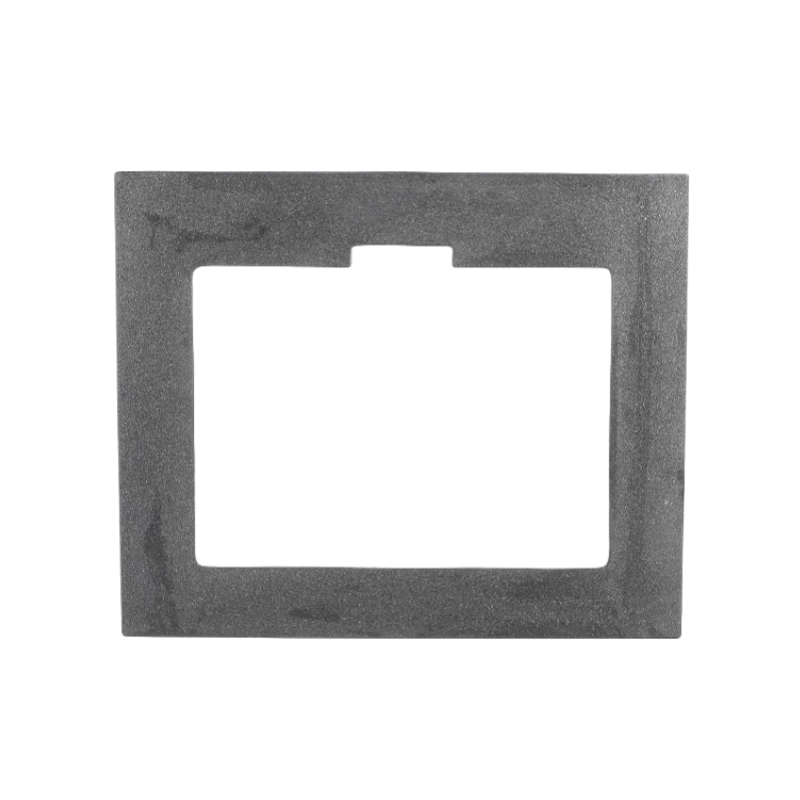
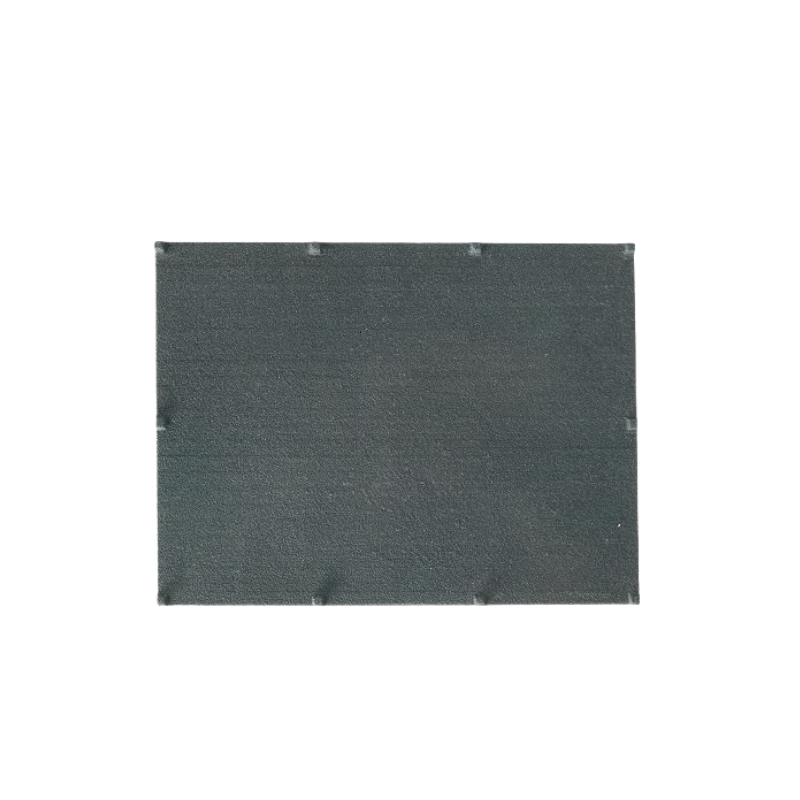
Silicon Carbide Plates: As fundamental kiln shelf, these silicon carbide panels create the primary surfaces for direct product placement during thermal processing.
Collectively, these silicon carbide elements constitute the complete structural framework within industrial kilns.
2. The Technical Evolution of Silicon Carbide as Kiln Backbone
The transformation of silicon carbide from conventional material to advanced kiln furniture represents a revolutionary advancement in thermal processing technology.
Historical kiln furniture typically employed clay or alumina materials. These conventional options would soften under thermal stress and falter during rapid temperature transitions, resulting in inefficient operation, excessive energy consumption, and inconsistent output quality.
The emergence of silicon carbide technical ceramics initiated a paradigm shift in kiln technology, offering three fundamental advantages:
Exceptional High-Temperature Capability: Silicon carbide kiln furniture maintains structural integrity beyond 1500°C, resisting deformation while ensuring sustained kiln stability.
Superior Thermal Shock Resilience: This silicon carbide characteristic enables reliable performance during kiln cycling and temperature variations, preventing crack formation and extending service life.
Enhanced Thermal Transmission: The innate conductivity of silicon carbide promotes rapid, uniform heat distribution to products, reducing process duration and energy requirements.
To optimize these material properties, manufacturers developed specialized production methodologies, with recrystallized silicon carbide (RSiC) and silicon nitride bonded silicon carbide (NSiC) representing two significant technological achievements:
Recrystallized Silicon Carbide (RSiC): This manufacturing approach fuses silicon carbide particles at extreme temperatures without binding additives, yielding maximum-purity kiln furniture with unparalleled resistance to thermal stress and mechanical creep, ideally serving demanding applications like beams and rollers.
Silicon Nitride Bonded Silicon Carbide (NSiC): This production technique enables fabrication of complex and large-format silicon carbide kiln furniture, including specialized saggers and extensive kiln shelf, balancing performance attributes with economic viability and design adaptability.
3. The Foundational Role of Silicon Carbide Kiln Furniture
The backbone analogy appropriately describes silicon carbide kiln furniture through three essential functions:
Structural Foundation: Silicon carbide kiln furniture directly comprises the kiln's operational chamber, with robust beams and rollers upholding the complete firing apparatus—indispensable for basic operation.
Efficiency Core: The conductive properties and strength of silicon carbide facilitate accelerated thermal cycling and increased product loading, directly enhancing production capacity and output quality.
Quality Assurance: Reliable silicon carbide kiln furniture guarantees consistent thermal distribution throughout kiln volumes, eliminating defects caused by temperature variations and ensuring product uniformity.
Conclusion
The progression from traditional clay components to advanced silicon carbide technical ceramics, including sophisticated formulations like recrystallized silicon carbide and silicon nitride bonded silicon carbide, reflects the ongoing advancement of industrial kilns toward enhanced efficiency, reduced energy consumption, and intelligent operation.
Selecting high-performance silicon carbide kiln furniture extends beyond simple component replacement—it represents an investment in structural reinforcement for thermal processes, directly improving operational competitiveness.
