

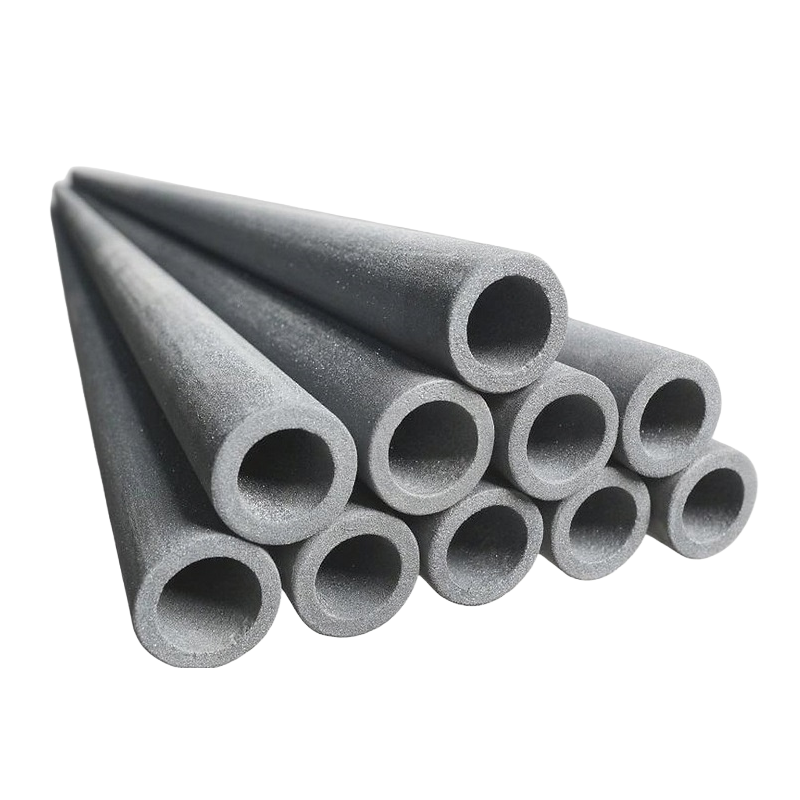
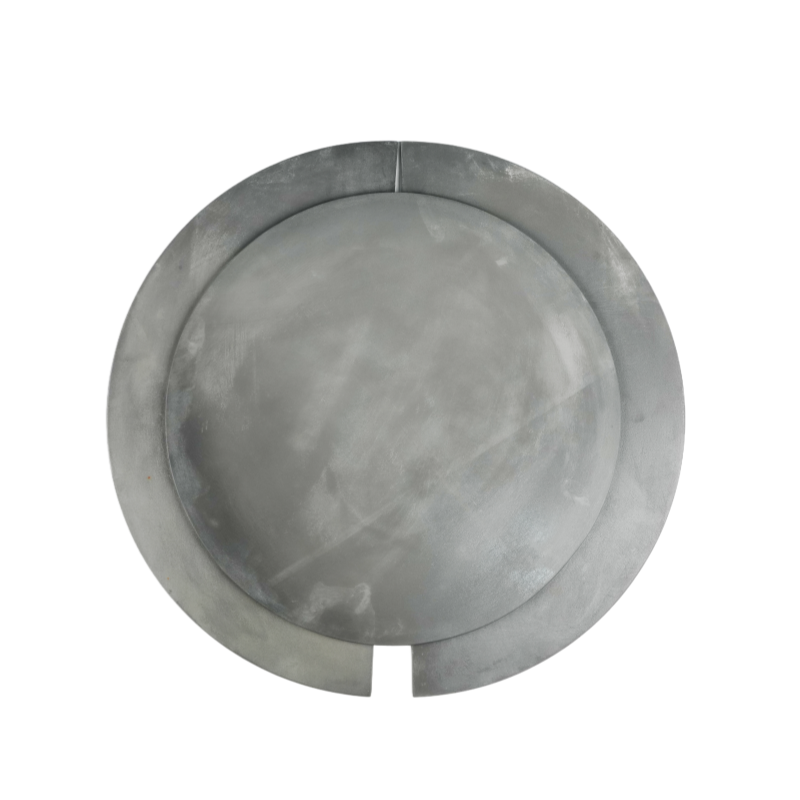
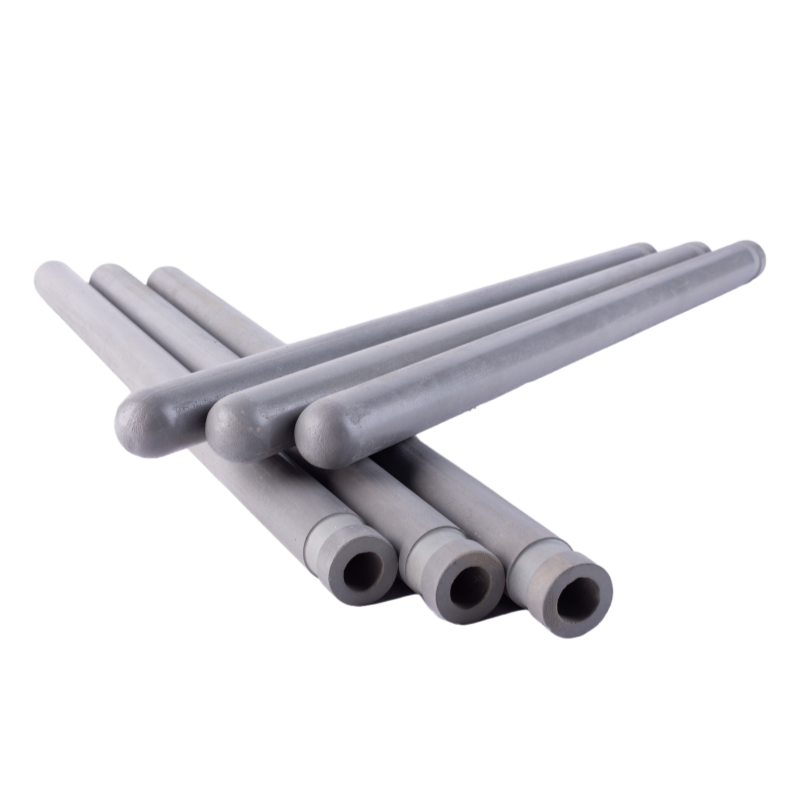
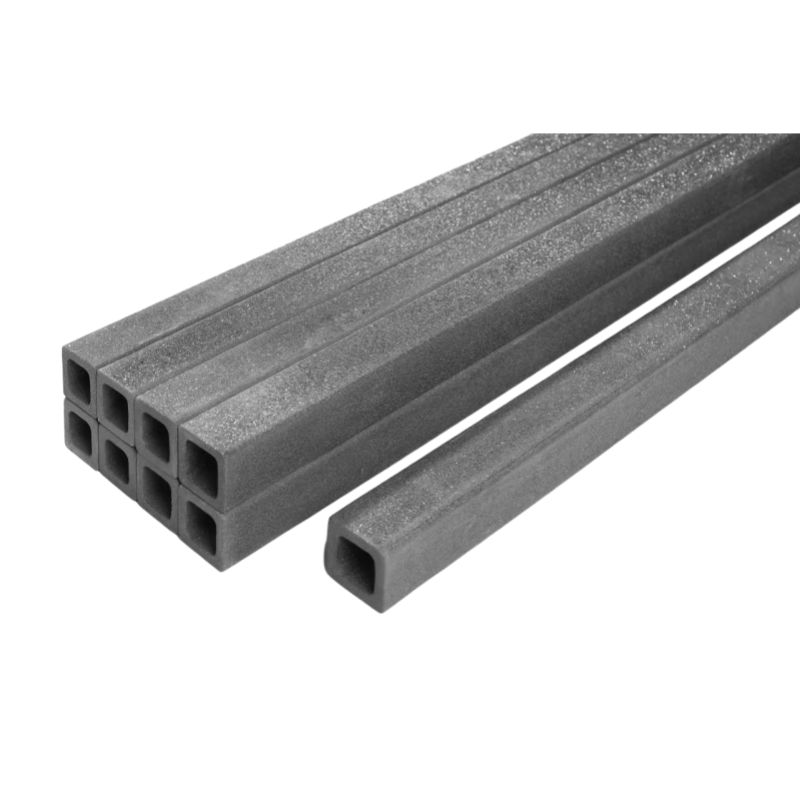
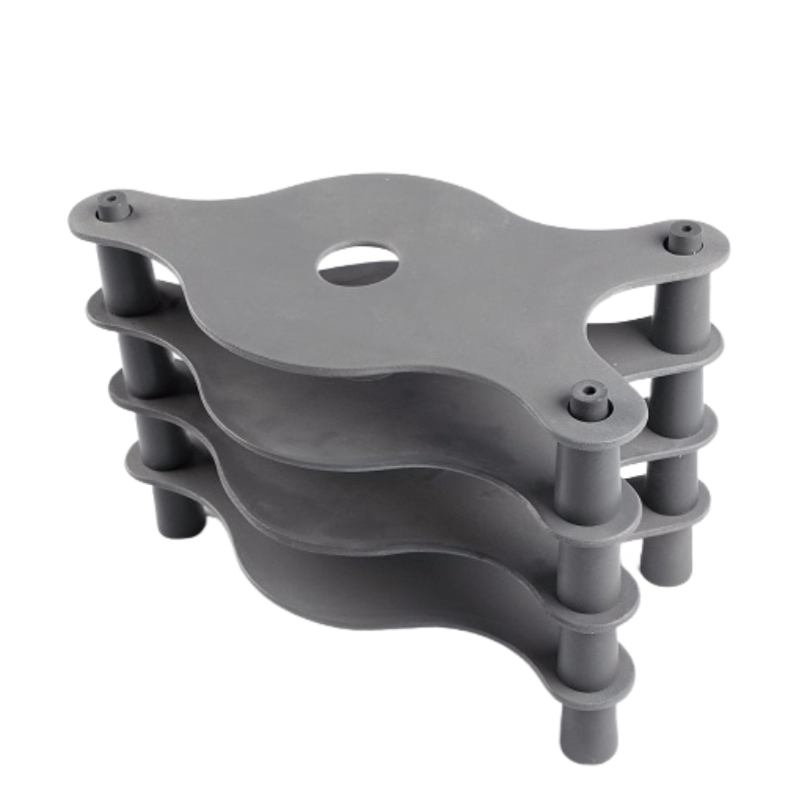
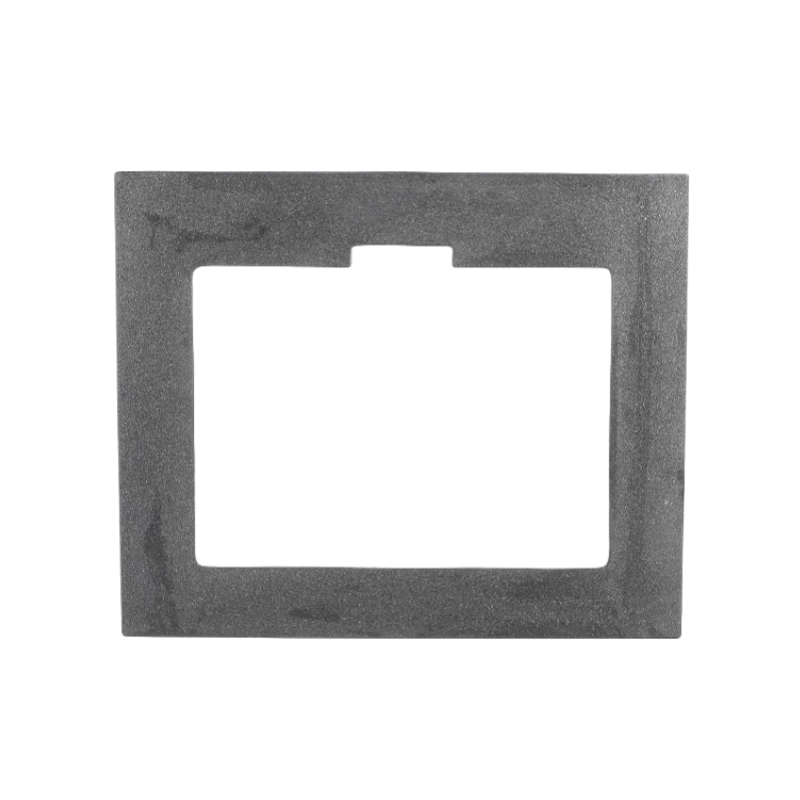
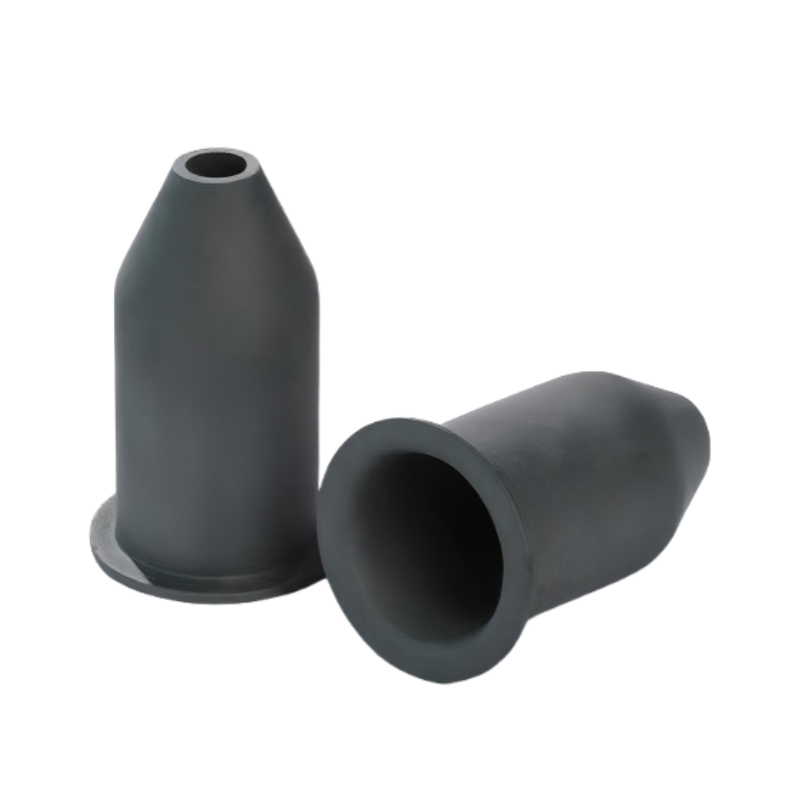
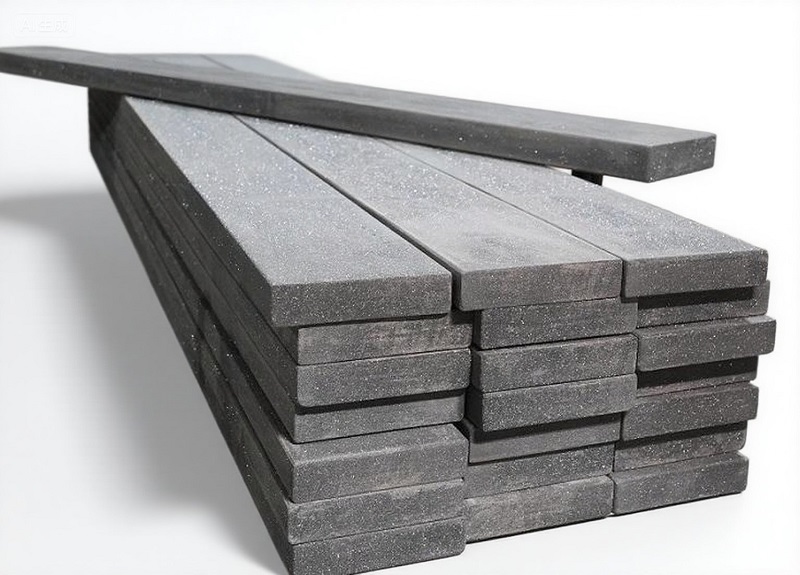

In the grand hall of semiconductor chip manufacturing, there exists a type of component that appears ordinary yet is vitally important—it functions like the vascular system of the human body, carrying the lifeblood of chip fabrication. This is the silicon carbide process tube. In extreme environments exceeding 1200°C, these tubular systems quietly support the stable operation of the entire chip manufacturing process.
I. What Are Silicon Carbide Process Tubes?
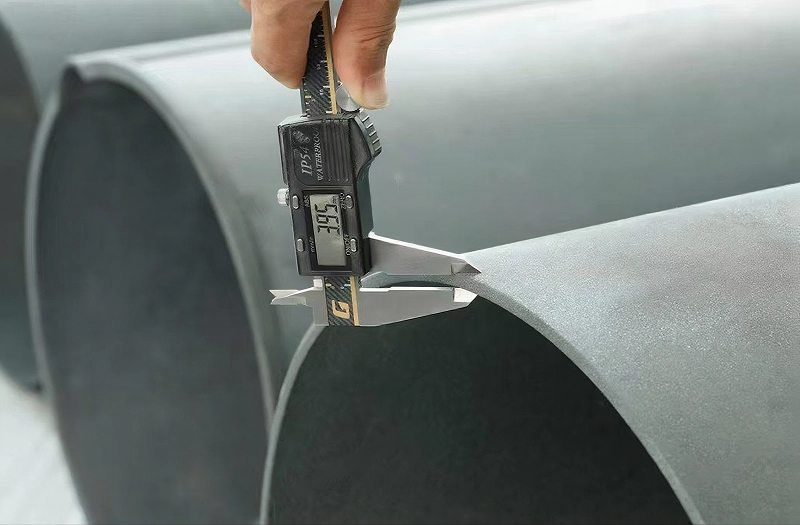
Silicon carbide process tubes are tubular structural components made from silicon carbide (SiC) material, primarily used in high-temperature process equipment within industries such as semiconductor manufacturing, photovoltaics, and LEDs. They form the transport channels for process gases, serve as critical components of reaction chambers, and act as supporting structures for thermal field systems.
Core Characteristics:
High-Temperature Resistance: Capable of stable long-term operation at 1200–1600°C
Thermal Shock Resistance: Withstands extreme temperature fluctuations from rapid heating and cooling
High Purity: Metal impurity content below one part per million (ppm level)
Corrosion Resistance: Resists erosion from halogen gases and acidic/alkaline atmospheres
Excellent Thermal Conductivity: Achieves uniform thermal field distribution
II. Critical Applications in Semiconductor Manufacturing
1. Diffusion/Oxidation Process Tubes
In vertical diffusion furnaces, silicon carbide process tubes serve as the core reaction chamber, directly supporting wafer boats and process gases. Their performance directly determines:
Temperature uniformity (typically required to be < ±1°C)
Uniform distribution of process gases
Particulate contamination control levels
Process repeatability and stability
2. CVD Reactor Liners
In chemical vapor deposition equipment, silicon carbide process tubes act as reactor liners:
Preventing reaction gases from interacting with the metal furnace body
Reducing wall deposition adhesion
Improving thin-film deposition uniformity
Extending equipment maintenance cycles
3. Gas Delivery Systems
Used for transporting corrosive process gases (such as HCl, Cl₂, WF₆, etc.):
Ordinary stainless steel pipes corrode and fail rapidly at high temperatures
Silicon carbide pipes enable long-term stable operation
Ensuring gas purity remains uncontaminated
III. Material Selection: Why Must It Be Silicon Carbide?
In high-temperature semiconductor equipment, material selection has evolved from quartz to silicon carbide:
| Material | Maximum Operating Temperature | Thermal Shock Resistance | Purity | Service Life | Cost |
|---|---|---|---|---|---|
| Quartz Glass | 1100°C | Poor | High | Short (prone to devitrification) | Low |
| Ordinary Silicon Carbide | 1400°C | Moderate | Moderate | Moderate | Moderate |
| High-Purity Recrystallized Silicon Carbide | 1600°C | Excellent | Very High | Long (>3 years) | High |
Unique Advantages of Silicon Carbide:
Thermal Matching: Coefficient of thermal expansion is close to that of silicon, reducing thermal stress
Surface Properties: Forms a dense SiO₂ film at high temperatures, preventing further oxidation
Self-Cleaning Capability: Under certain process conditions, surface deposits can be cleaned in situ
IV. Manufacturing Process: From Raw Materials to Precision Tubes
The manufacturing of silicon carbide process tubes represents the perfect integration of materials science and precision engineering:
Process Flow:
High-purity SiC Powder → Forming (Isostatic Pressing/Slip Casting) → Green Body Machining → High-Temperature Sintering → Precision Machining → Surface Treatment → Cleaning → Inspection and Packaging.
Technical Challenges:
Forming Large-Scale Thin-Walled Tubes: Lengths up to over 2 meters, wall thickness only 10–20mm
Sintering Deformation Control: Requires precise control of temperature profiles and support methods
Internal Surface Quality: Requires Ra < 0.8μm, free from cracks and pore defects
Dimensional Accuracy: Straightness < 0.1%, roundness < 0.05%
Advanced Technologies:
Isostatic Pressing: Ensures uniform material density
Atmosphere-Controlled Sintering: Precisely controls microstructure
Ultrasonic/Eddy Current Testing: Ensures no internal defects
Coordinate Measuring Machines (CMM): Verifies dimensional accuracy
V. Application Case Studies: Practical Value in Problem Solving
Case Study 1: Improving Chip Yield
A chip manufacturer using traditional quartz process tubes frequently encountered issues at 1300°C:
Poor temperature uniformity (> ±3°C)
Monthly replacement of process tubes required
Significant fluctuations in chip yield
Solution:
After switching to high-purity recrystallized silicon carbide process tubes:
Temperature uniformity improved to ±0.5°C
Service life extended to 18 months
Chip yield increased by 1.5%
Annual maintenance cost savings exceeded 2 million RMB
Case Study 2: Supporting New Process Development
A research institution developing new semiconductor materials required CVD deposition at 1500°C in a corrosive atmosphere. Traditional materials could not meet the requirements.
Silicon Carbide Process Tube Solution:
Custom-designed dual-layer structure process tubes (corrosion-resistant inner layer, insulating outer layer)
Integrated gas preheating and distribution functions
Enabled successful development of the new process
Resulted in 5 related patents
VI. Future Outlook: Meeting More Stringent Challenges
As semiconductor technology advances toward 3nm, 2nm, and beyond, even higher demands are placed on process tubes:
Higher Temperatures: New material processes may require above 1600°C
Higher Purity: Metal impurity content requirements below 10ppb
More Complex Atmospheres: Stable transport of highly corrosive gases
More Precise Control: Temperature uniformity requirements < ±0.1°C
Innovation Directions:
Composite Material Process Tubes: Combining advantages of different materials
Adaptive Structures: Automatically adjusting thermal properties based on process conditions
Digital Twin Technology: Establishing virtual models to predict performance and lifespan
AI-Optimized Design: Utilizing artificial intelligence algorithms to optimize structures and process parameters
Conclusion: The Unseen Critical Support
Silicon carbide process tubes—these "high-temperature blood vessels" hidden within semiconductor equipment—do not directly participate in forming the circuits on chips. Yet, they provide indispensable environmental safeguards for the entire manufacturing process. They represent the crystallization of materials science, exemplars of precision manufacturing, and guardians of chip performance and yield.
[Contact us to Inquire or Order] or [Call Our Hotline].
