


When we talk about "silicon carbide," you might first think of the dazzling star of third-generation semiconductors—silicon carbide chips used in electric vehicles and 5G communication. But today, we shift our focus to its origin, an equally crucial yet relatively low-profile entity: Silicon Carbide Micropowder.
It may seem inconspicuous, just a collection of fine powders ranging in color from black to green. However, it is precisely these micron- and nano-sized particles that form the solid foundation of industries ranging from traditional heavy industry to cutting-edge technology. It can be said that without high-quality silicon carbide micropowder, many "edifices" of modern industry could not be built.
What is Silicon Carbide Micropowder?
Simply put, silicon carbide micropowder (SiC Micropowder) is a powdered material with particle sizes in the micron range (typically from a few microns to over a hundred microns). It is produced from high-purity silicon carbide raw materials through a series of precision processing steps, including crushing, classification, and purification.
Its core properties are inherited from silicon carbide itself:
Extreme Hardness: Mohs hardness as high as 9.2-9.5, earning it the title "industrial teeth."
High Thermal Conductivity: Efficient heat transfer.
Chemical Inertia: Resistant to acid and alkali corrosion, with stable performance.
High Melting Point and Temperature Resistance: Maintains performance even in extreme environments.
It is precisely these properties that have evolved silicon carbide micropowder from a simple abrasive into a versatile key engineering material.
Ubiquitous Applications: From Polishing to "Growth"
1. The "Main Force" in Grinding and Polishing
This is the most classic application of silicon carbide micropowder. From the glass on your phone screen and sapphire watch covers to the planarization of monocrystalline silicon wafers (CMP process) and the precision grinding of metal parts, silicon carbide micropowder of various particle sizes is required as an abrasive. It can achieve a mirror-like finish on material surfaces.
2. The "Skeleton" of High-Performance Ceramics
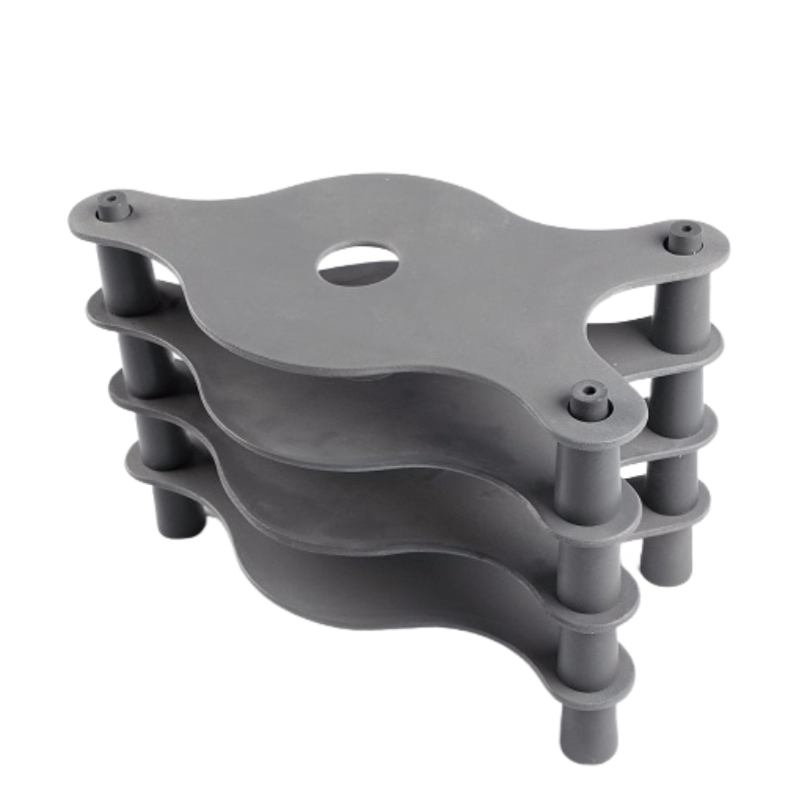
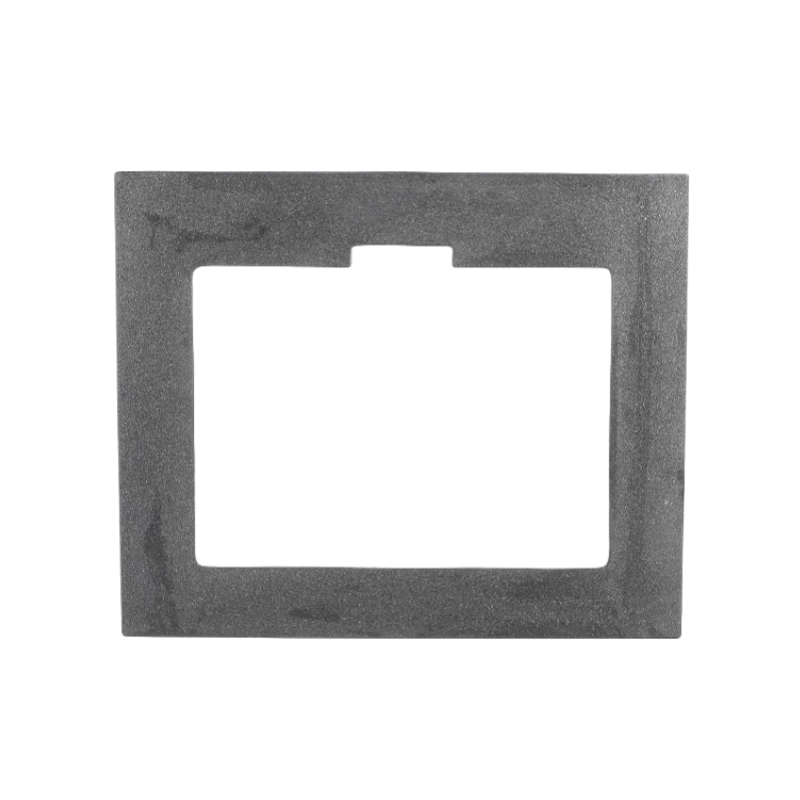
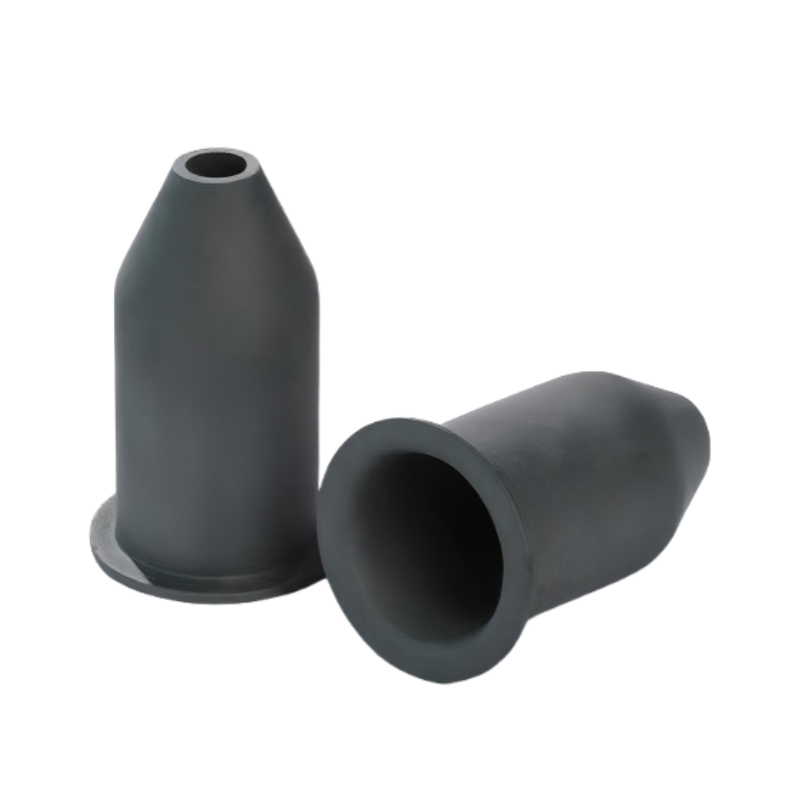
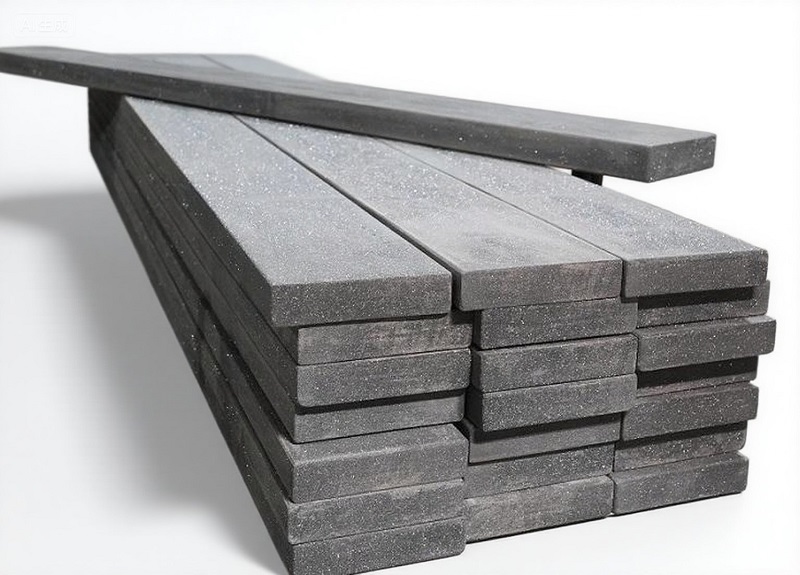
When we aim to manufacture high-temperature-resistant, wear-resistant silicon carbide ceramics (such as sealing rings, nozzles, ballistic plates), silicon carbide micropowder is the most important starting raw material. Through specific sintering techniques (such as reaction bonding, pressureless sintering), these micropowder particles are "bonded" into dense, sturdy components. The starting point for the recrystallized silicon carbide (R-SiC) mentioned in our previous article is precisely ultra-high-purity silicon carbide micropowder.
3. The "Efficiency Booster" in the Metallurgical Industry
In steelmaking, silicon carbide micropowder is used as an efficient deoxidizer and silicon/carbon additive. It effectively improves steel quality, shortens smelting time, and reduces energy consumption, making it an important auxiliary material for green metallurgy.
4. The "Reinforcement" in Functional Composites
Adding silicon carbide micropowder to polymer, rubber, or metal matrices can significantly enhance the hardness, wear resistance, thermal conductivity, and thermal shock resistance of composite materials. For example, it can be found in high-performance brake pads, wear-resistant coatings, and thermal greases.
5. The Most Cutting-Edge Mission: The "Seed" for Semiconductor Chips
This is the most technologically advanced application of silicon carbide micropowder. To grow silicon carbide monocrystalline substrates used for manufacturing chips, ultra-high-purity silicon carbide micropowder is first required as the raw material. It undergoes sublimation and recrystallization at high temperatures via the Physical Vapor Transport (PVT) method. It can be said that every expensive silicon carbide wafer begins with a batch of meticulously selected "perfect powder." The requirements for the micropowder's purity (often >99.9995%), particle size distribution, and impurity control reach an almost stringent level.
Dimensions of Quality: Beyond "Fineness"
Evaluating the quality of silicon carbide micropowder involves much more than just how "fine" it is:
Purity: The content of metallic impurities directly affects the performance of the final product, especially for semiconductor applications.
Particle Size and Distribution: Whether the particle size is uniform (narrow distribution) determines the consistency of grinding effects or the density of sintering.
Particle Shape: Angular particles have strong cutting power, suitable for grinding; more rounded particles have better flowability, making them more suitable for advanced ceramic sintering.
Surface Chemical Properties: This affects the compatibility and dispersibility of the micropowder with other materials in subsequent processes.
Industry Outlook: In Sync with the Pulse of the Times
With the global manufacturing upgrade, the explosive growth of the new energy industry (photovoltaics, electric vehicles), and the urgent need for semiconductor localization, the demand for high-quality silicon carbide micropowder continues to rise. The market is developing in two main directions:
High-End: Providing ultra-high-purity, ultra-fine micropowder for the semiconductor and precision ceramics industries.
Specialization: Developing customized, functionalized micropowder products for different application scenarios (e.g., photovoltaic wafer cutting, specialty ceramics).
Conclusion
Silicon carbide micropowder, this bridge connecting raw materials to cutting-edge applications, perfectly illustrates the principle that "foundational materials determine industrial advancement." It is no longer just abrasive grains on a grinding wheel but a fundamental element driving advanced manufacturing and technological revolution.
Next time you hear the term "silicon carbide," consider this: whether in the roar of floor grinding or within the quiet furnace growing chip crystals, countless tiny silicon carbide particles are shaping the precision and strength of our world with their unparalleled hardness and stability.
Follow us to learn more about the mysteries of advanced ceramics and new materials!
[Contact us to Inquire or Order] or [Call Our Hotline].
