

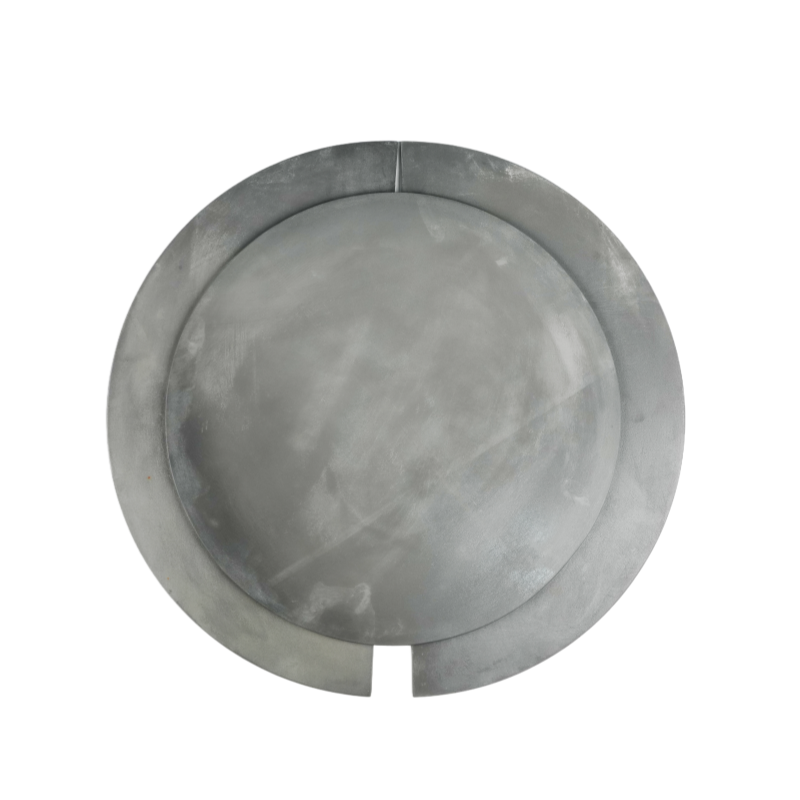
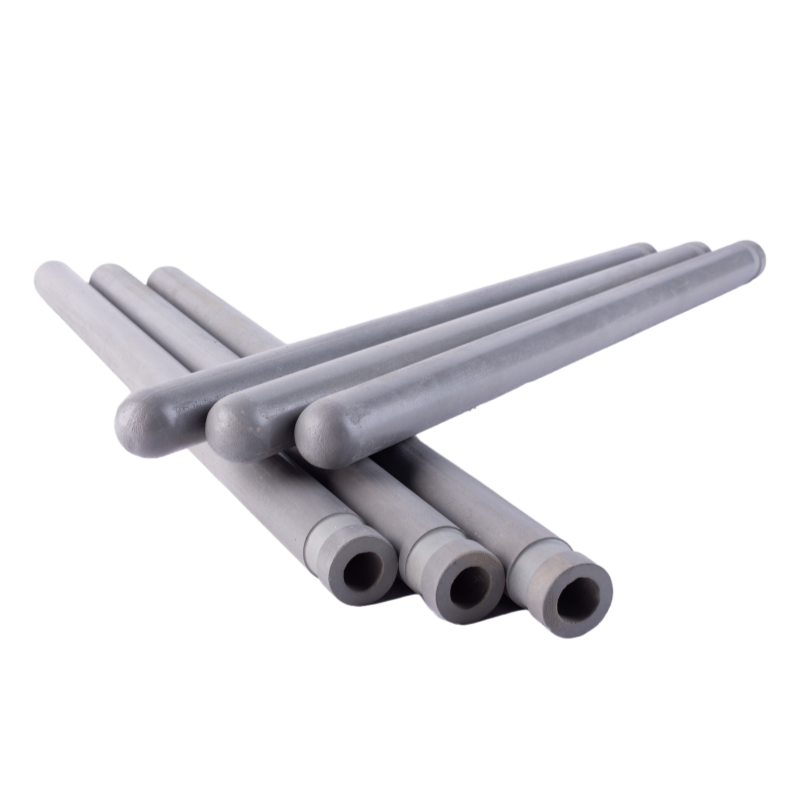
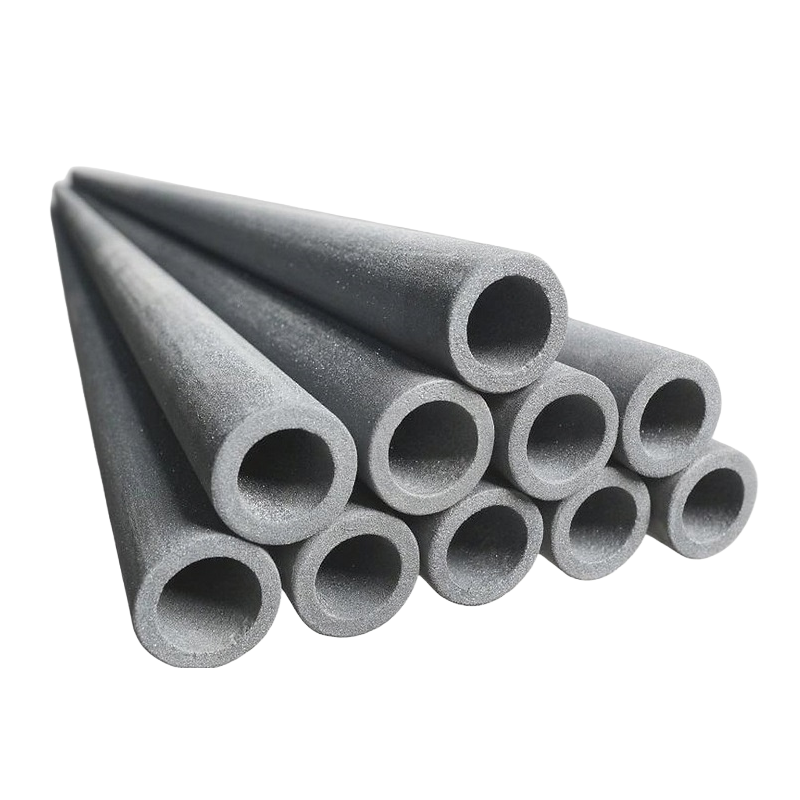
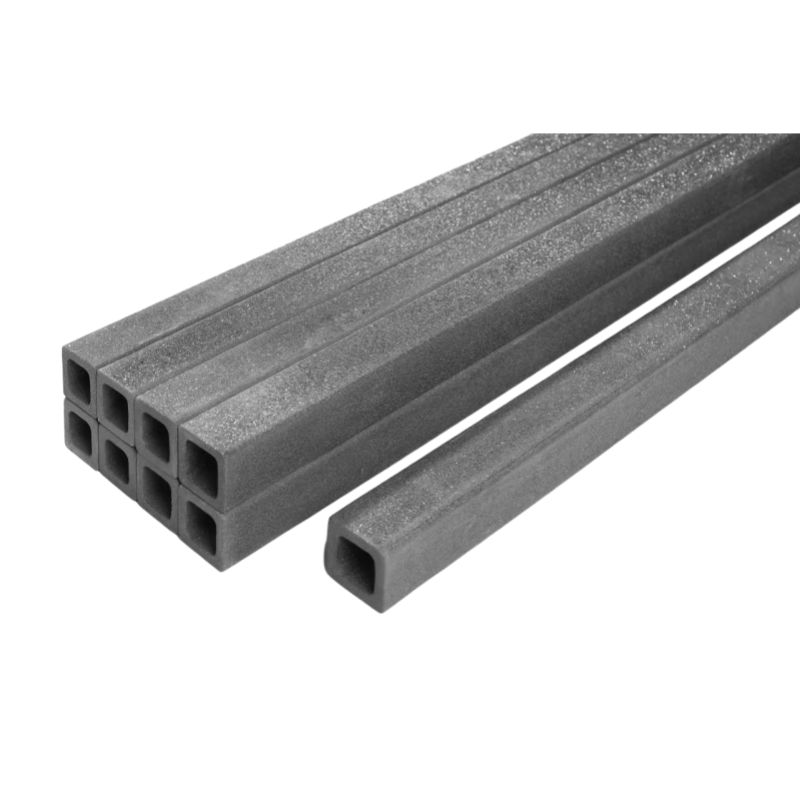
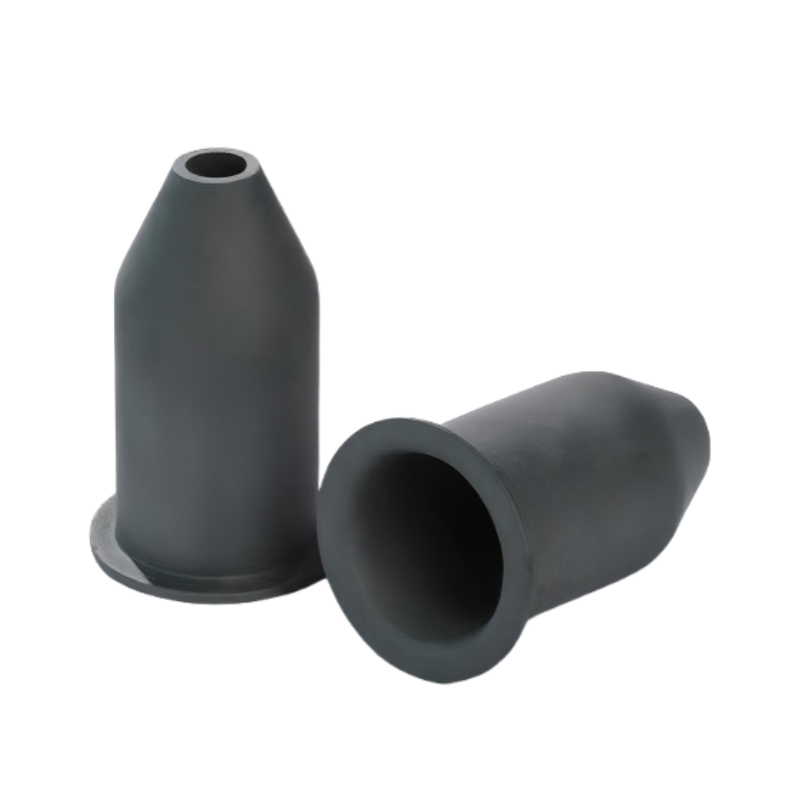
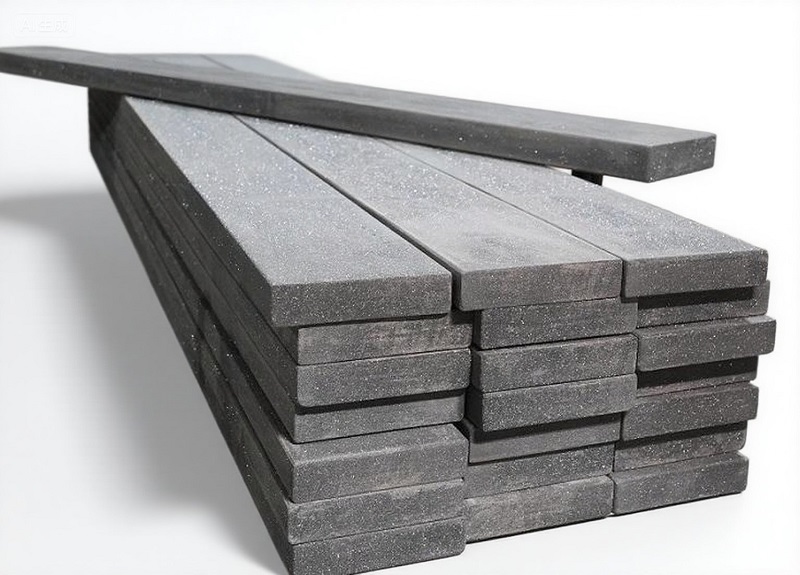
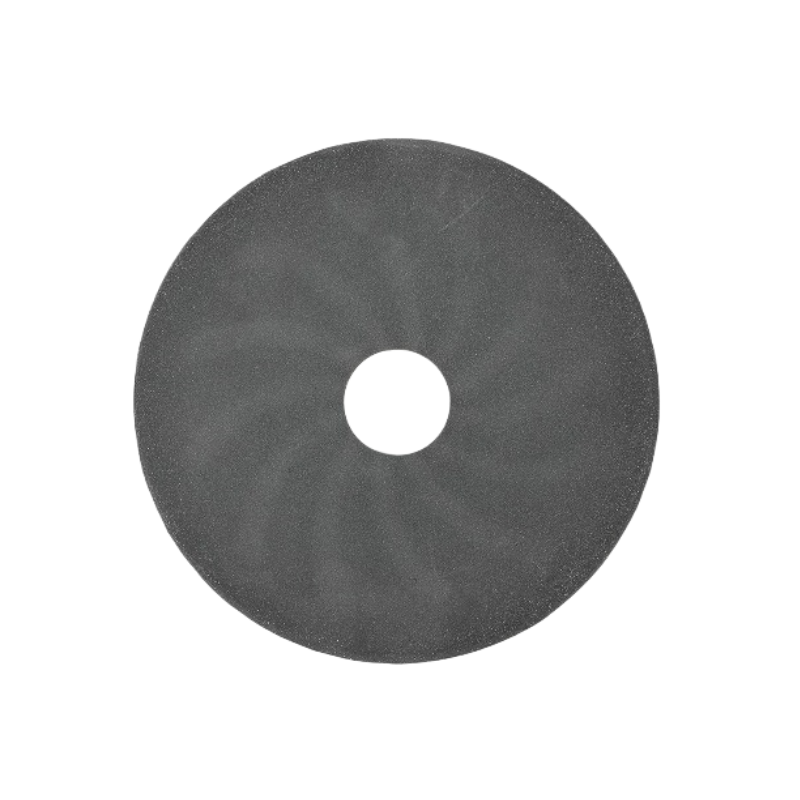
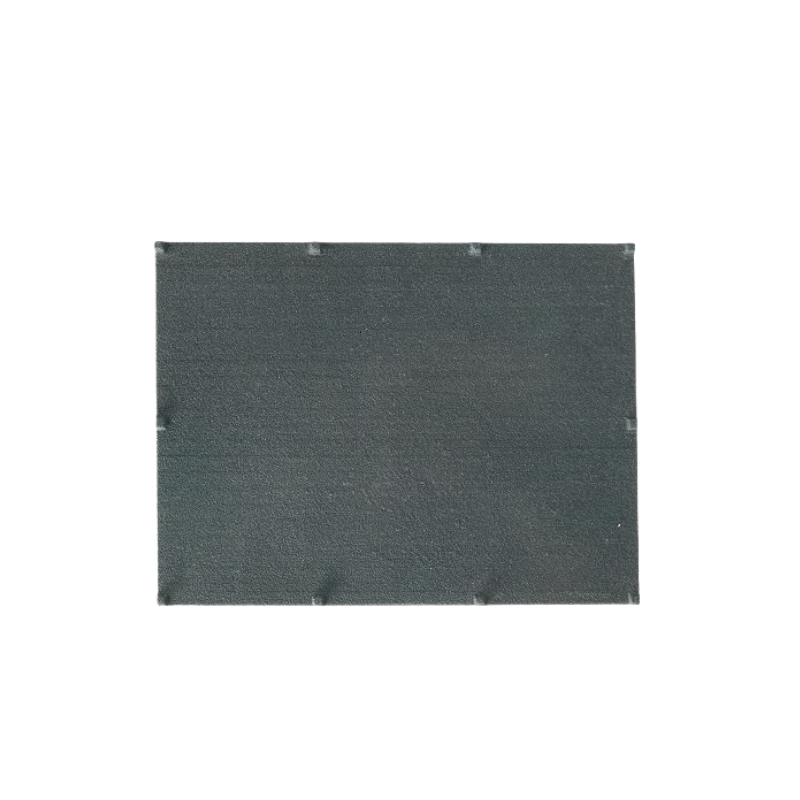
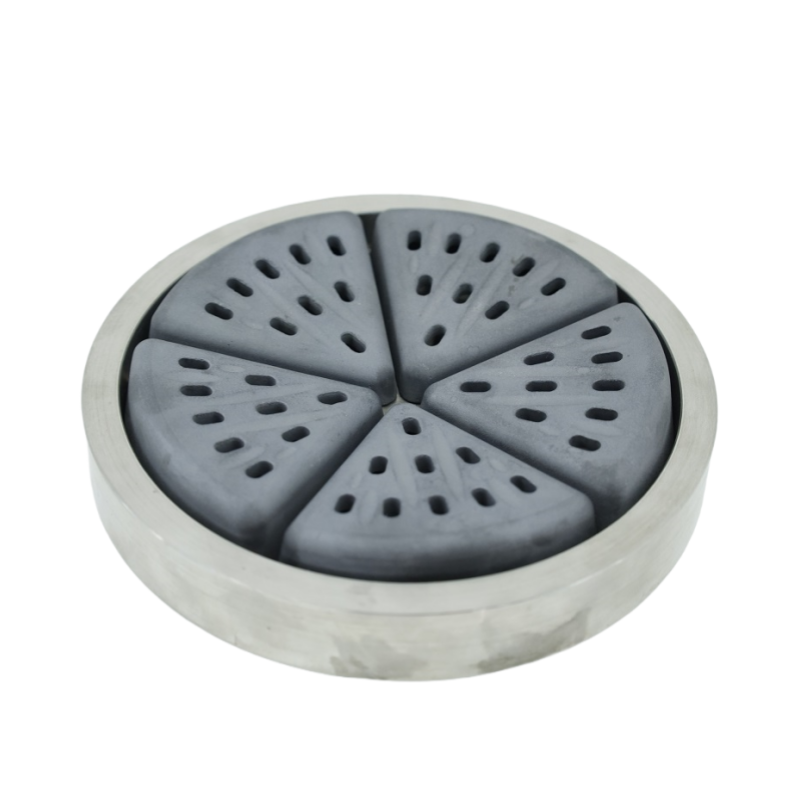
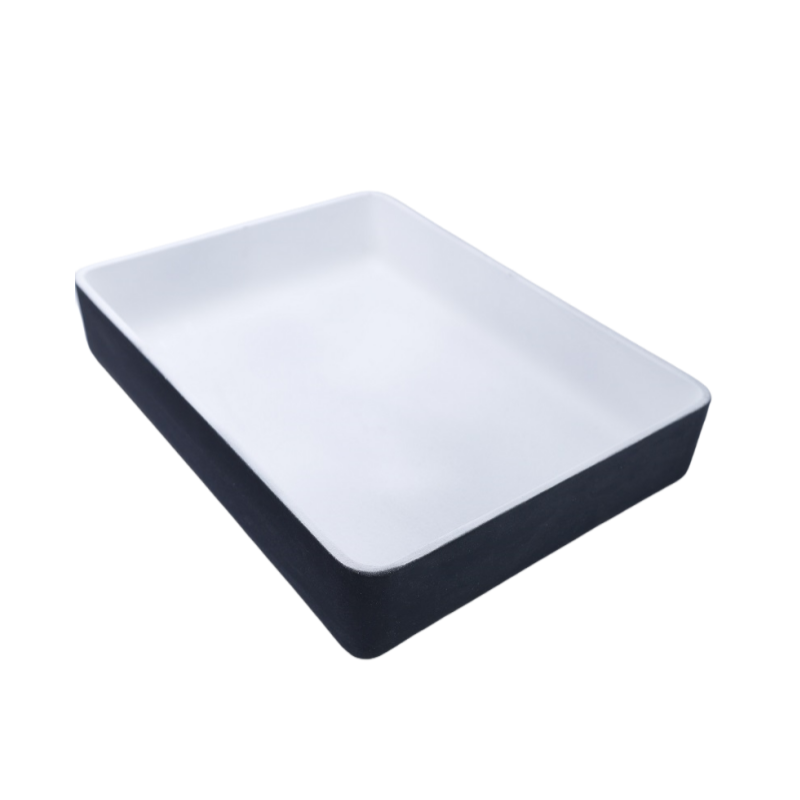
In the heart of modern industry—be it in high-speed pumps, demanding chemical reactors, or precision aerospace engines—sealing technology is the critical barrier ensuring safety, efficiency, and reliability. Traditional materials are struggling to meet the demands of increasingly extreme operating environments. Yet, an advanced ceramic material hailed as "industrial diamond"—Silicon Carbide (SiC)—is leading a quiet revolution in the high-end sealing ring sector with its exceptional properties.
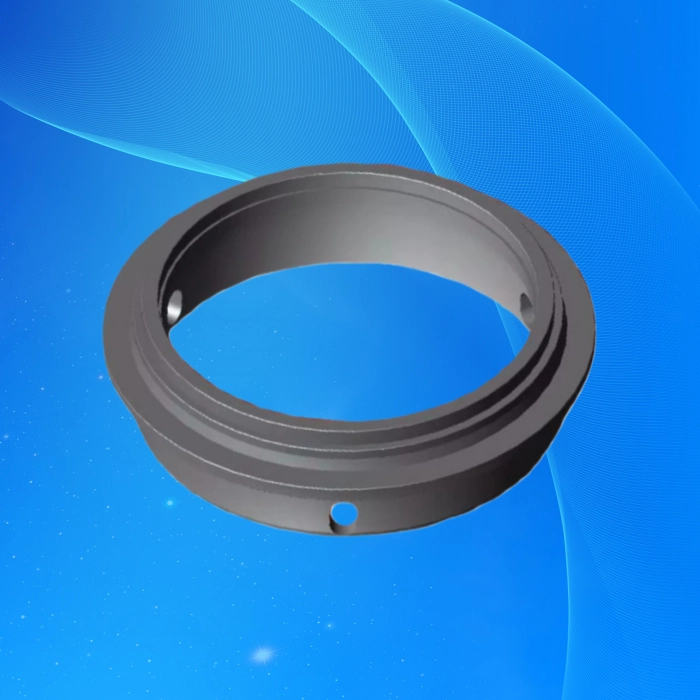
Core Characteristics: Why is Silicon Carbide the "Ace Material" in Sealing?
Silicon carbide is not a single substance. In the sealing field, the primary types used are Pressureless Sintered Silicon Carbide and Reaction Bonded Silicon Carbide. Together, they offer unparalleled performance advantages:
Unmatched Hardness and Wear Resistance: The hardness of silicon carbide is second only to diamond and cubic boron nitride. This allows SiC sealing rings to effectively resist erosion and wear from particles in the medium. In abrasive applications like slurry pumps containing solids, their lifespan far exceeds that of traditional materials.
Excellent Chemical Inertia: Silicon carbide exhibits exceptional resistance to most strong acids, bases, and corrosive solvents. It remains stable in environments such as concentrated sulfuric acid, sodium hydroxide, and various organic solvents, solving the problem of metal and common ceramic seals being easily corroded by corrosive media.
Superior Thermal Stability and High Thermal Conductivity: Silicon carbide can maintain its strength at temperatures up to 1600°C, while its thermal conductivity is more than ten times that of traditional alumina ceramics. This property means that during high-speed, high-temperature operation, the frictional heat generated can be quickly dissipated, preventing the sealing faces from deforming or even "thermal cracking" due to heat buildup. This greatly enhances reliability in high-temperature applications.
Low Friction Coefficient and Self-Lubricating Properties: Especially Graphite-Impregnated Silicon Carbide, which incorporates the solid lubricant graphite into the material matrix. This allows the sealing faces to maintain a low friction coefficient and stable operation even under dry or boundary lubrication conditions, significantly reducing energy consumption and improving safety during startup and low-speed operation.
Application Scenarios: Where Do Silicon Carbide Sealing Rings Excel?
Thanks to this combination of properties, silicon carbide sealing rings have become the preferred solution for the following demanding applications:
Chemical and Process Industries: Chemical pumps, reactor agitators, flue gas desulfurization circulation pumps, etc. Facing sulfuric acid, hydrochloric acid, alkalis, solvents, and more, it acts as "armor" against corrosion and wear.
Energy and Environmental Protection: Multistage pumps, slurry pumps, seawater desalination plants. It provides exceptionally long service life when handling challenging fluids like particle-laden media or seawater.
Automotive and New Energy: New energy vehicle coolant pumps, fuel cell systems. Its advantages of lightweight, corrosion resistance, and reliability are becoming increasingly prominent.
High-End Mechanical Seal Pairing: Often serves as a critical component in hard-on-hard friction pairs, paired with itself or other hard materials (like cemented carbide, engineering ceramics) for extreme conditions.
Material Selection: Not All Silicon Carbide is the Same
Pressureless Sintered Silicon Carbide (SSiC): Highest purity, density, and hardness close to theoretical values, offering the best comprehensive mechanical properties and corrosion resistance. It is the top-tier choice for high-performance sealing rings.
Reaction Bonded Silicon Carbide (RBSiC): Contains a small amount of free silicon, offers superior thermal conductivity, and is relatively lower in cost. Widely used in applications requiring rapid heat dissipation.
Graphite-Impregnated Silicon Carbide (GiC): The silicon carbide matrix is impregnated with graphite, giving the material excellent self-lubricating and dry-running performance. It is a powerful tool for coping with poor lubrication conditions.
Future Outlook
With advancements in advanced manufacturing technologies, such as precision molding, ultra-precision machining, and coating technologies, the manufacturing cost of silicon carbide sealing rings is expected to be further optimized, and their application boundaries will continue to expand. It is not only the key to solving existing industrial challenges but also a core material engine driving the development of the next generation of efficient, environmentally friendly, and reliable equipment.
Choosing silicon carbide is not just selecting a component; it is choosing ultimate reliability and long-term protection for your core equipment.
[Contact us to Inquire or Order] or [Call Our Hotline].
