

The King of Technical Ceramics:
In advanced industrial applications, there's a growing need for materials that combine metallic durability, ceramic resilience, and stability under extreme conditions. This is where technical ceramics shine—no longer the fragile tableware of old, but precision-engineered high-performance materials that are the "secret weapon" of high-end manufacturing.
Among these advanced materials, Silicon Carbide (SiC) stands out as a true star. Let's dive into the world of this remarkable material.
I. The Family of Technical Ceramics
To understand SiC, let's first look at the broader family of technical ceramics, typically categorized by chemical composition and key properties:
Oxide Ceramics:
Alumina (Al₂O₃): The most common and cost-effective; high hardness and excellent electrical insulation. Used in mechanical seals, wear-resistant parts, and electronic substrates.
Zirconia (ZrO₂): Known for exceptional toughness and high flexural strength. Common in dental implants, medical devices, and precision cutting tools.
Nitride Ceramics:
Silicon Nitride (Si₃N₄): Excellent strength, toughness, and outstanding thermal shock resistance. Ideal for high-temperature bearings and turbine blades.
Aluminum Nitride (AlN): Superior thermal conductivity, making it perfect for high-end electronic packaging and heat sinks.
Carbide Ceramics:
Silicon Carbide (SiC): Our main focus, offering an exceptional balance of key properties.
Boride Ceramics: Such as Titanium Diboride (TiB₂), known for extreme hardness, used in armor and ultra-hard tools.
So, what makes Silicon Carbide the leader in this elite group?
II. Silicon Carbide's Winning Edge: The All-Rounder
SiC isn't "perfect," but it is the ultimate all-rounder, offering the best balance of properties.
vs. Alumina:
Higher strength & hardness (close to diamond), with wear resistance several times better.
Superior thermal conductivity (5-10 times higher), enabling efficient heat dissipation.
Better chemical resistance to strong acids and alkalis.
vs. Silicon Nitride:
Higher thermal conductivity, a key advantage for applications like semiconductor equipment.
Higher elastic modulus, meaning it's stiffer and deforms less under load.
Wider corrosion resistance against certain molten metals and harsh environments.
vs. Aluminum Nitride:
Higher mechanical strength and better toughness.
Generally lower cost.
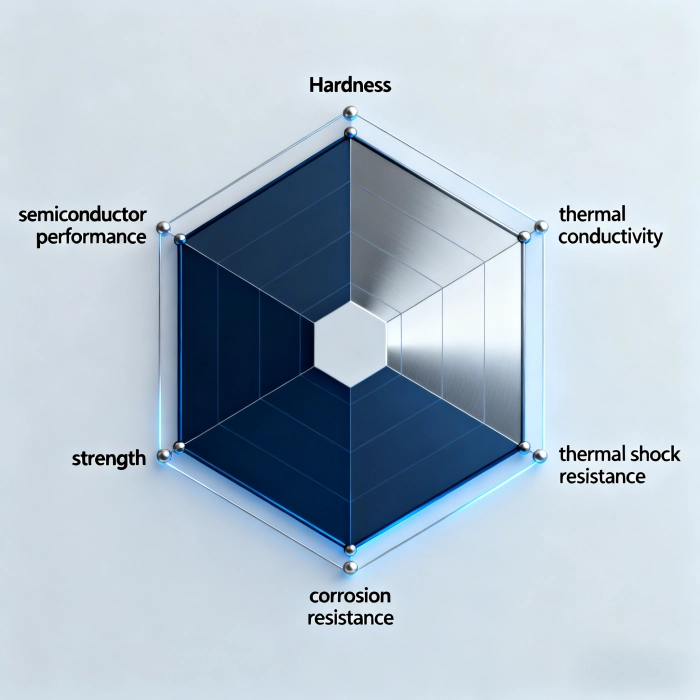
Core Advantages of SiC:
Extreme hardness & wear resistance
Excellent thermal conductivity
Outstanding thermal shock resistance
Superior chemical inertness
High strength and stiffness
Semiconductor properties (wide bandgap)
III. The Silicon Carbide Family: Three Main Types
SiC itself comes in different forms, each with unique characteristics based on manufacturing process and microstructure.
1. Reaction-Bonded SiC
Process: SiC and carbon powders are formed and reacted with molten silicon.
Pros: Lower sintering temperature, cost-effective, suitable for large/complex shapes.
Cons: Contains free silicon, limiting high-temperature performance (~1380°C max).
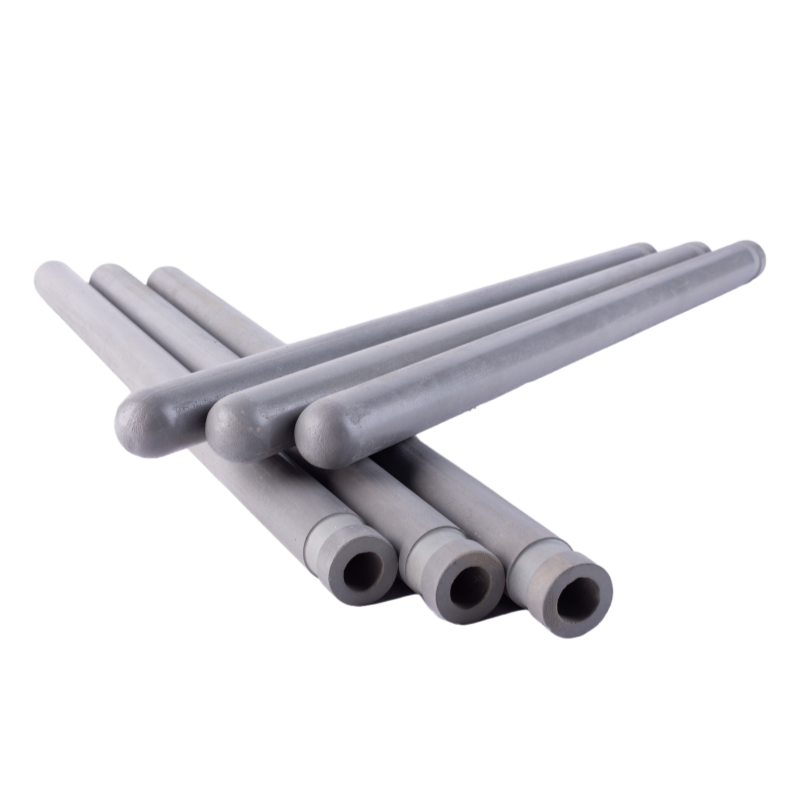
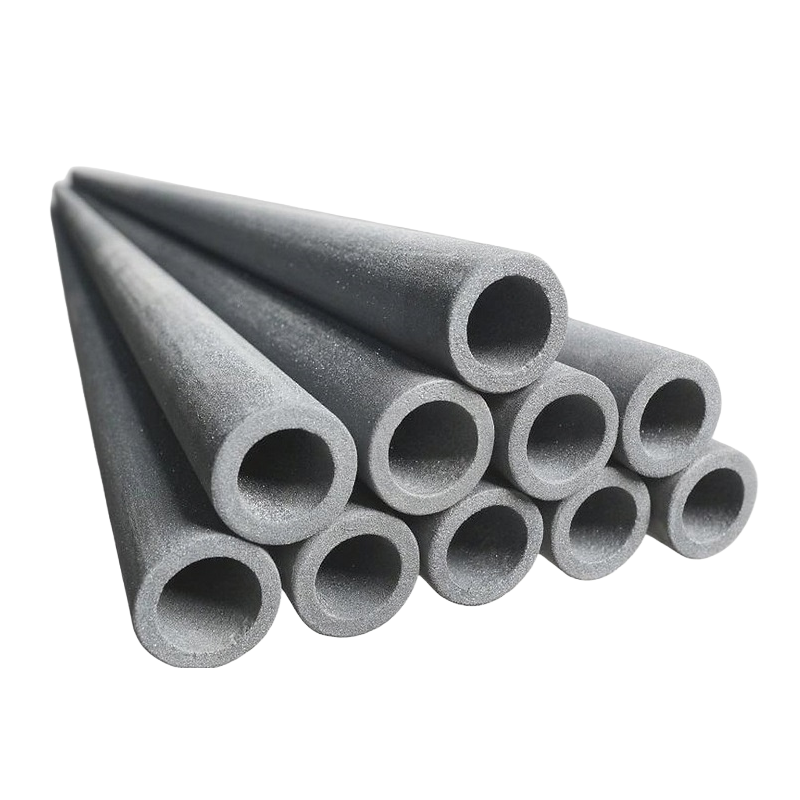
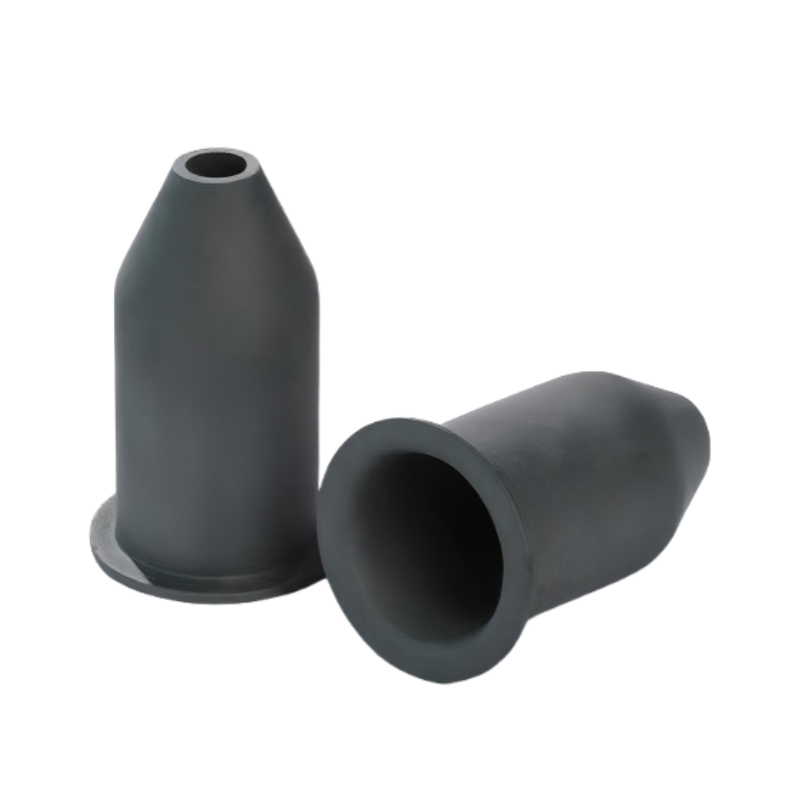
Uses: Sealing rings, kiln rollers, burner nozzles.
2. Sintered SiC
Process: Ultra-fine SiC powder sintered with additives at high temperature.
Pros: High purity, uniform structure, best all-around mechanical properties, excellent corrosion resistance and high-temperature stability (up to ~1650°C).
Cons: Higher processing requirements and cost.
Uses: Armor, mechanical seals, wear plates, advanced semiconductor equipment.
3. Recrystallized SiC
Process: Sintered at very high temperatures via evaporation-condensation without additives.
Pros: Extremely high purity, exceptional thermal shock resistance and high-temperature load capacity (up to ~1800°C).
Cons: Contains some interconnected porosity, so room-temperature strength is lower than Sintered SiC.
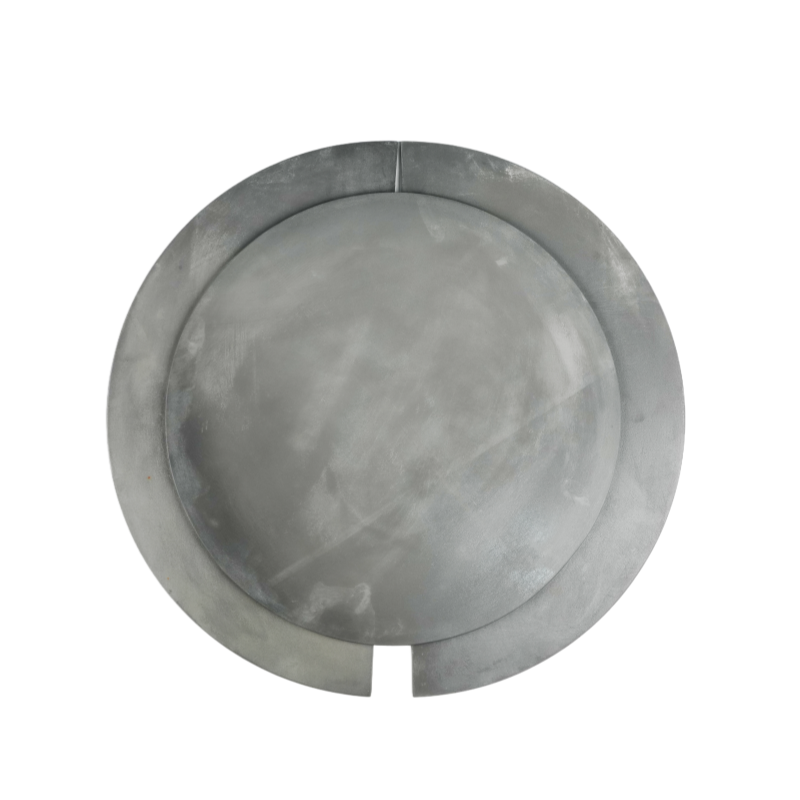
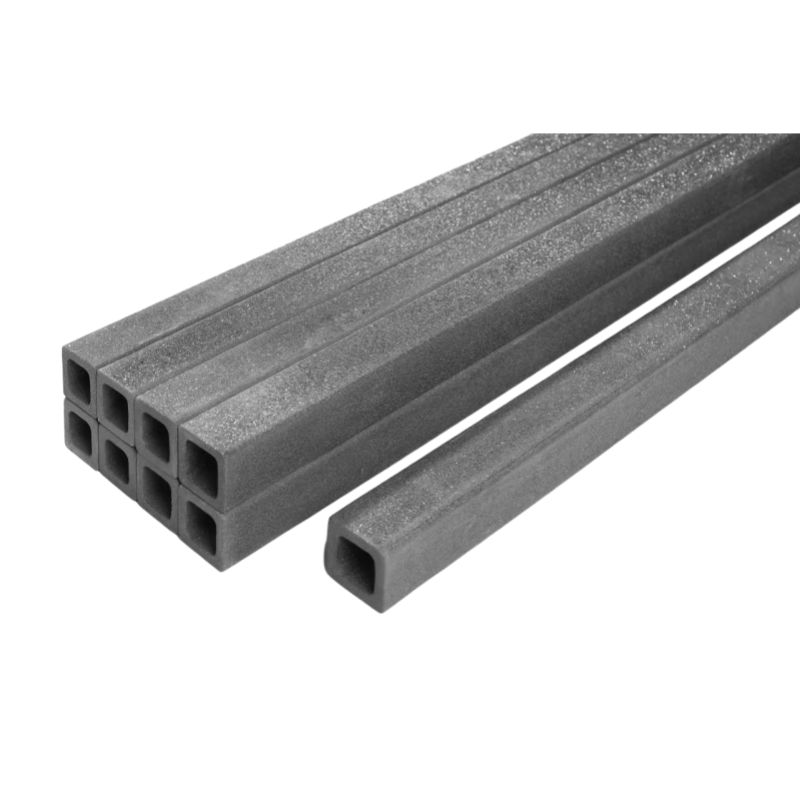
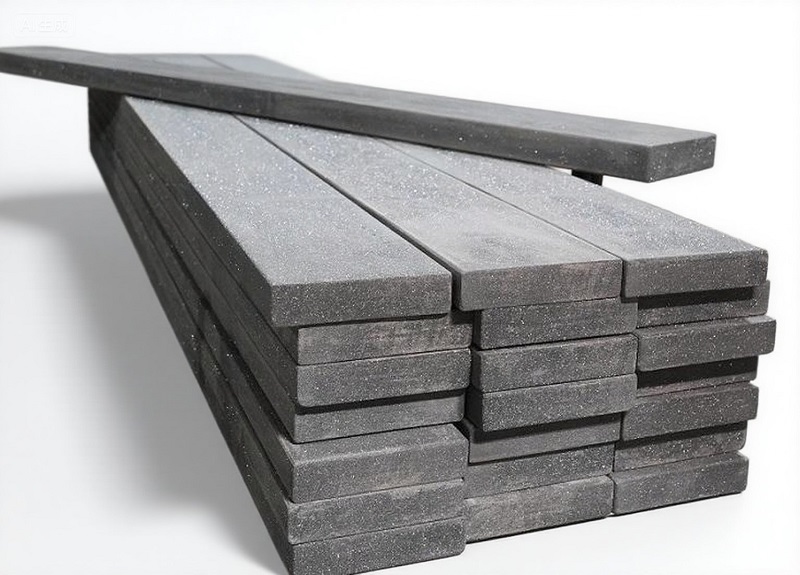
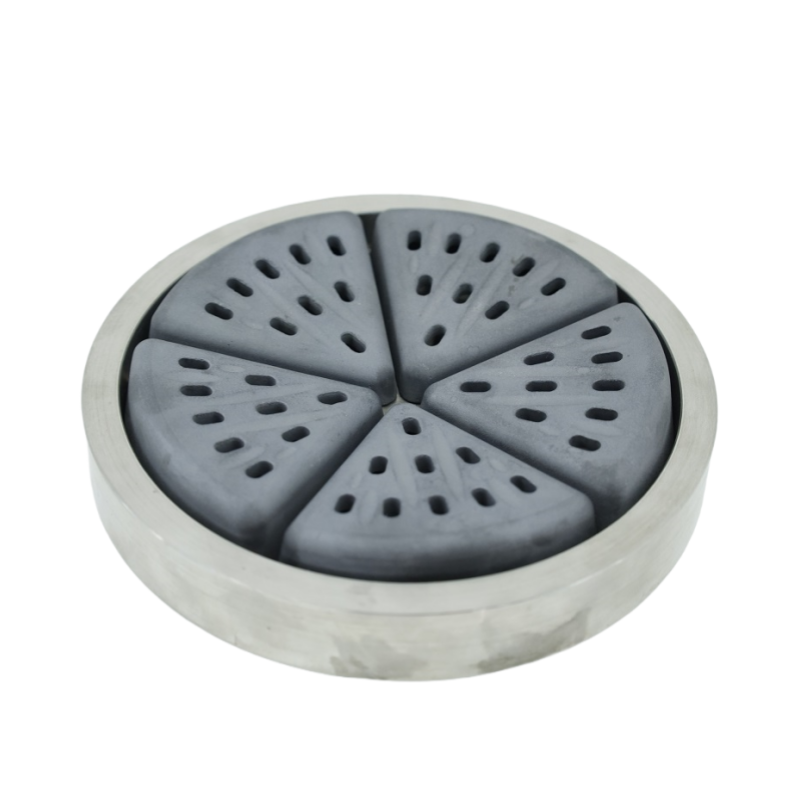
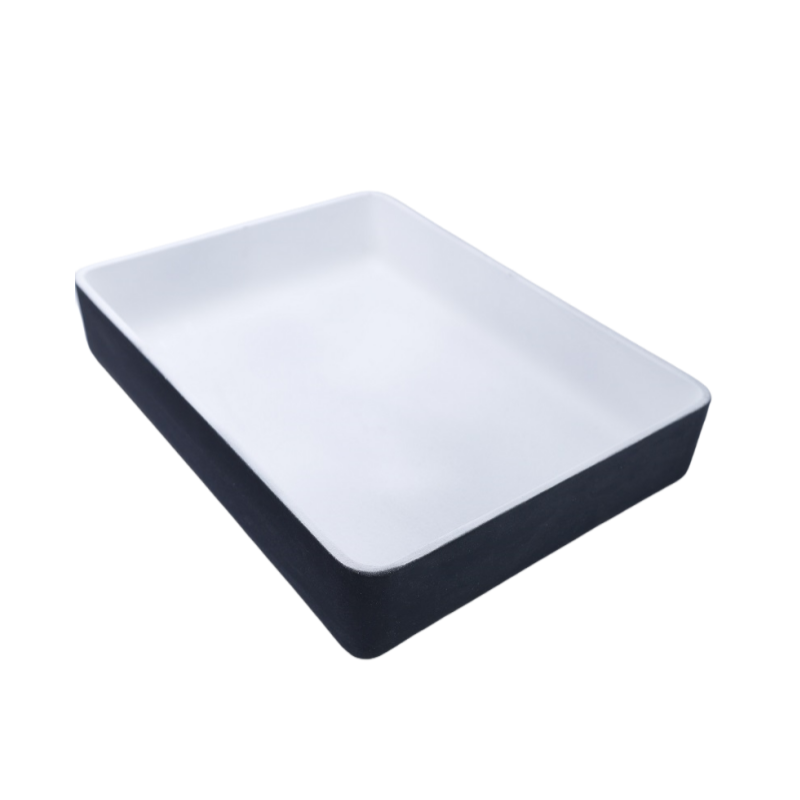
Uses: Kiln furniture, beams, burner plates.
Conclusion
From wear-resistant industrial parts and revolutionary power semiconductors to life-saving armor, Silicon Carbide is transforming our world with its unmatched combination of properties. It truly deserves its title as the king of technical ceramics.
Understanding the differences between its main types—Reaction-Bonded, Sintered, and Recrystallized—is key to selecting the right "industrial tooth" for your specific challenge, turning advanced material science into real-world performance.
[Contact us to Inquire or Order] or [Call Our Hotline].
We can also accommodate your needs even for small quantity orders.Click Here to Visit Our Official Retail Site and Explore Product Details Now!——kilnshelves-sic.com
