

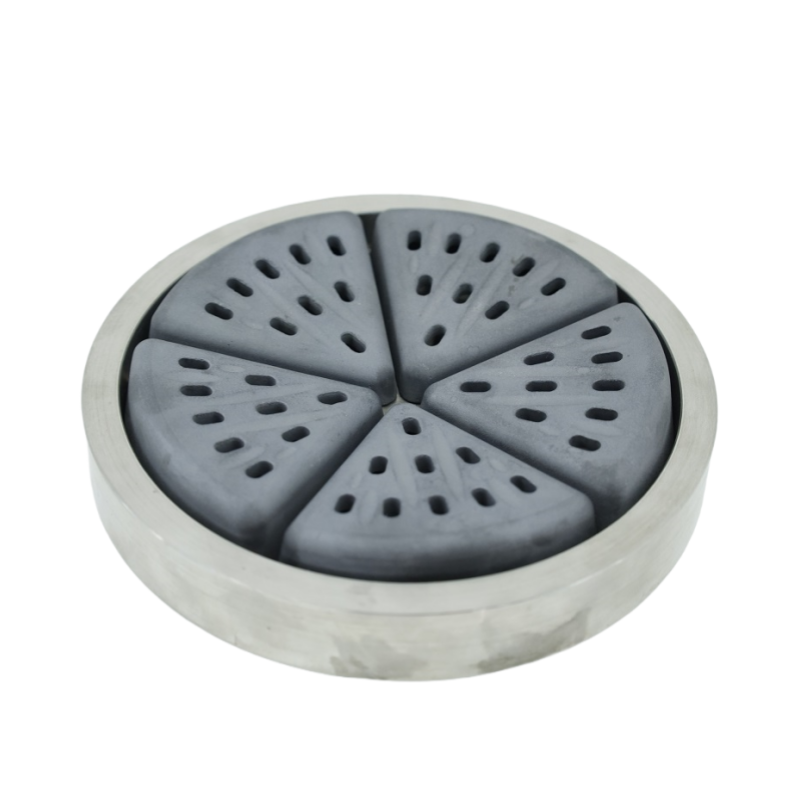
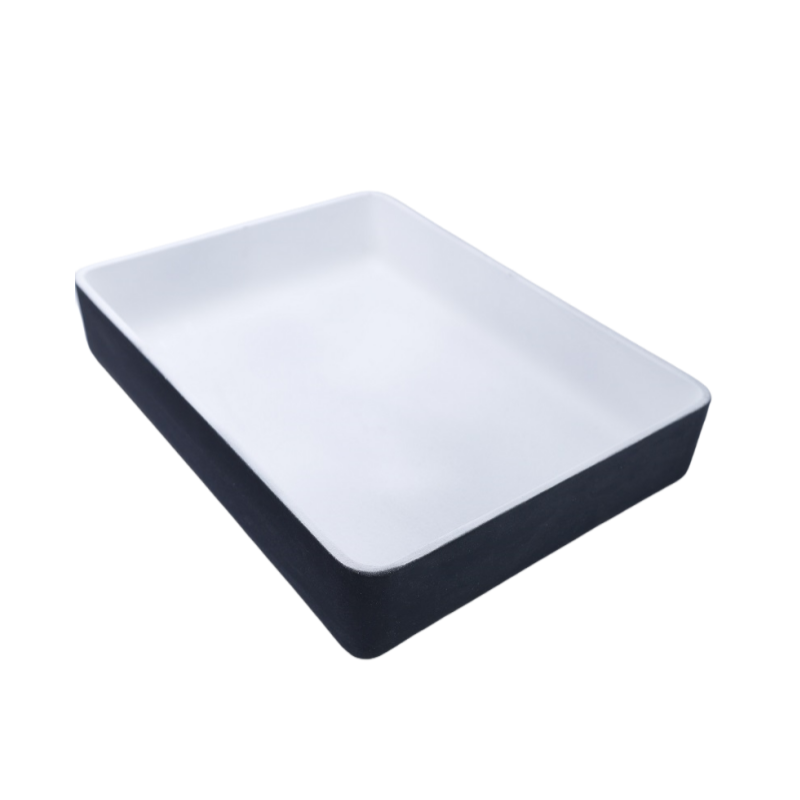
Introduction
Imagine a material with a hardness second only to diamond, yet capable of facing thousand-degree flames without changing expression. It can be immersed in blazing molten aluminum for extended periods without damage, while multiplying the lifespan of equipment several times over. This isn't science fiction; it's a tangible reality in our industrial world.
This is Silicon Nitride Bonded Silicon Carbide (Si₃N₄-SiC) – a name that's a bit of a mouthful, yet truly deserves the title of "industrial cornerstone." Today, let's talk about the story of this "hardcore" player.
01 Genesis: The Path from Powder to "Tough Guy"
No great material is made in a day. The birth of silicon nitride bonded silicon carbide is like a meticulously planned alchemical process.
Its starting point is high-purity silicon carbide and silicon powders. Engineers, like chefs with a secret recipe, mix them in precise proportions, then cast and shape them into a fragile green body. The real test, however, is just beginning: this green body is sent into a high-temperature furnace filled with nitrogen gas, exceeding 1200℃, for the critical step – "reaction sintering."
During this high-temperature baptism, the silicon powder reacts with the nitrogen gas. The newly formed product – silicon nitride microcrystals – act like countless tiny hands, firmly grasping the surrounding silicon carbide particles, constructing an unbreakable three-dimensional network.
The final product perfectly inherits the strengths of its "parents": the hard skeleton of silicon carbide and the tough "skin" of silicon nitride. Its Mohs hardness reaches 9, meaning it can scratch almost anything except diamond. Even more astonishingly, in a blazing environment up to 1500℃, it maintains its structural integrity, refusing to bend or break easily.
02 All-Rounder: An Impressive "Report Card"
If we were to create a resume for silicon nitride bonded silicon carbide, the "skills" section would be deeply impressive:
High Temperature Resistance: 1500℃ long-term operation is just the basics. In a reducing atmosphere, it can withstand up to 1650℃; in an oxidizing atmosphere, the limit can even reach around 1750℃. Simply put, most metals would liquefy long before it even breaks a sweat.
Extreme Hardness: With a Mohs hardness of 9 (second only to diamond), its wear resistance is exceptional.
Corrosion Resistance: It fears neither acid nor alkali, and stands firm against the corrosive attacks of molten metals like aluminum and zinc vapor.
This outstanding "report card" destined it for a starring role on the industrial stage.
03 Battle Record: The "Special Forces" in the Furnace
No matter how good the theoretical performance, it must be tested in real combat. Silicon nitride bonded silicon carbide is the special forces soldier capable of tackling the toughest challenges.
The Guardian of Aluminum Electrolytic Cells: In direct, prolonged contact with 940℃ molten aluminum, traditional materials often surrender after just three months. With Si₃N₄-SiC material in place, the service life easily exceeds one year, significantly reducing downtime for maintenance.
The Efficiency Booster for Zinc Distillation Furnaces: Exposed to zinc vapor at 1250℃, it demonstrates astonishing corrosion resistance. Not only does it remain unharmed, but it also helps increase single-furnace output by 15%.
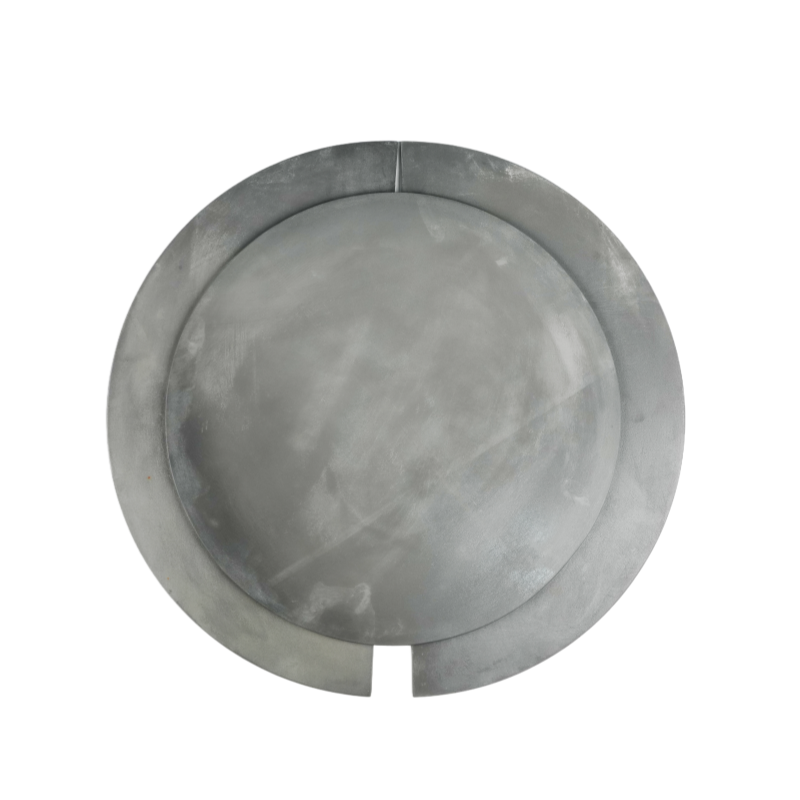
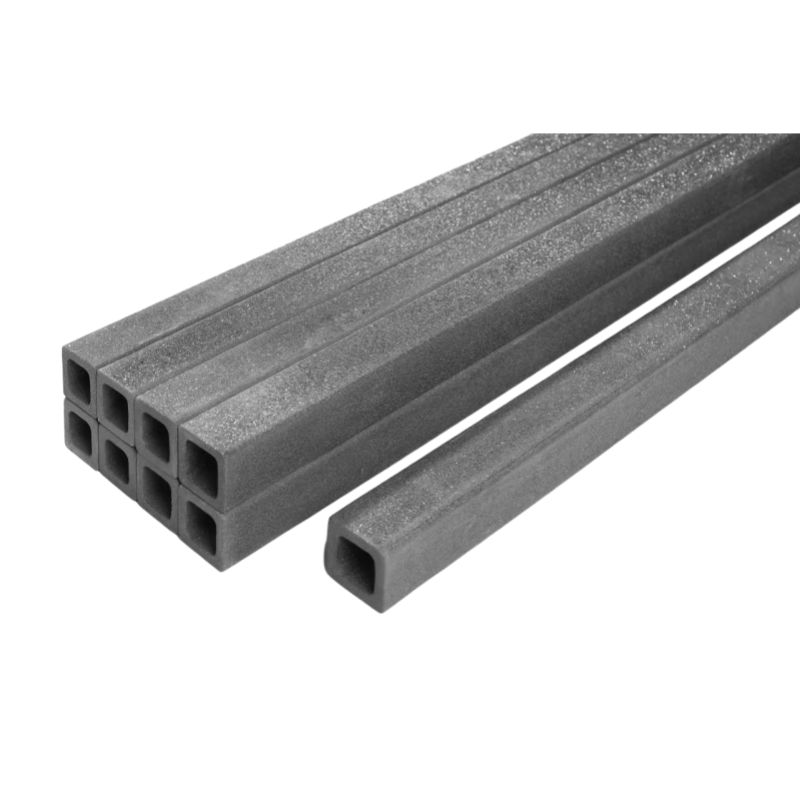
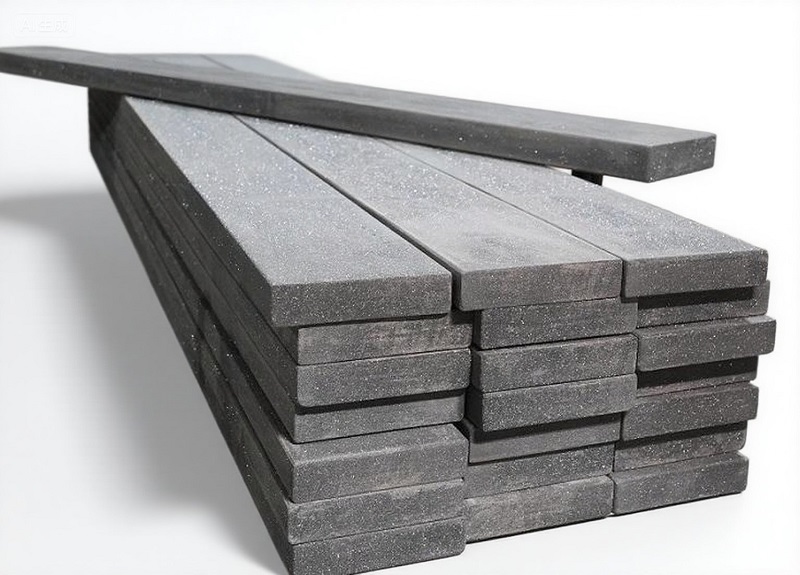
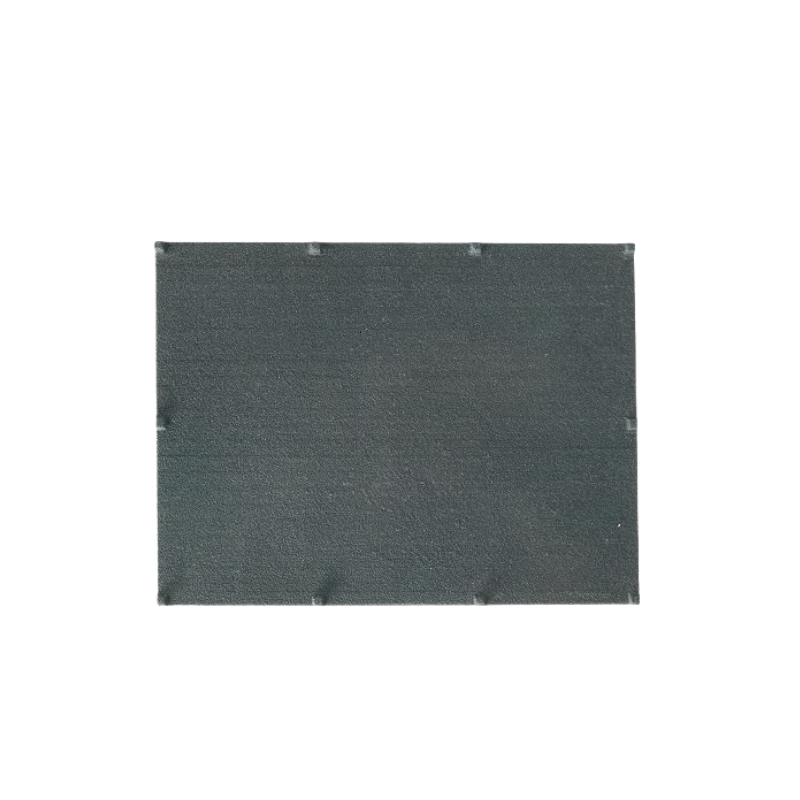
The Workhorse for Ceramic Kilns: Fabricated into thin-walled shed plates, it can bear heavy loads (flexural strength ≥45 MPa) while being tough enough to withstand temperature shocks (≥50℃ temperature difference) without cracking.
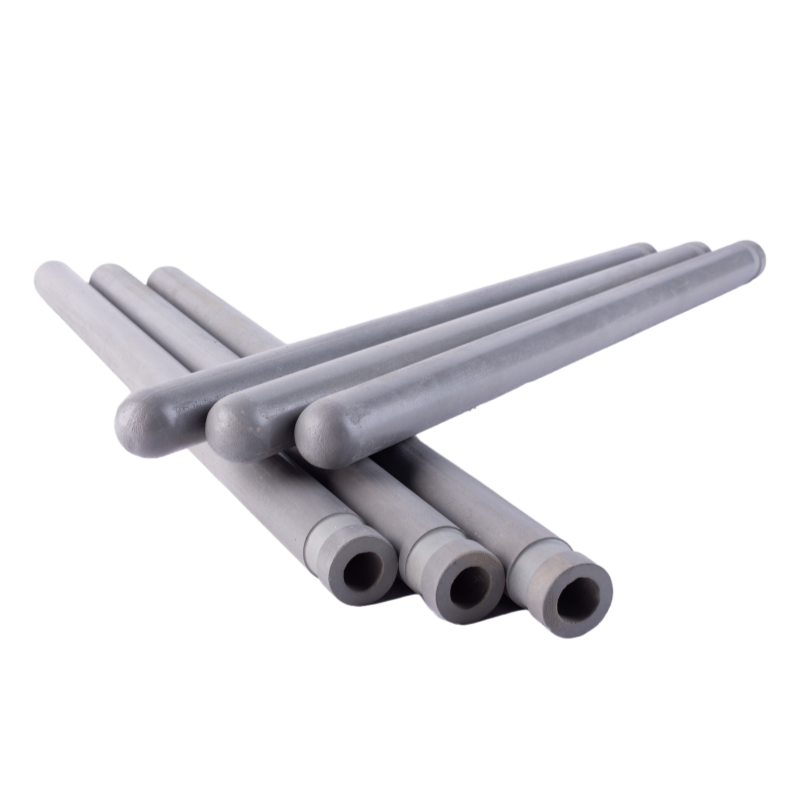
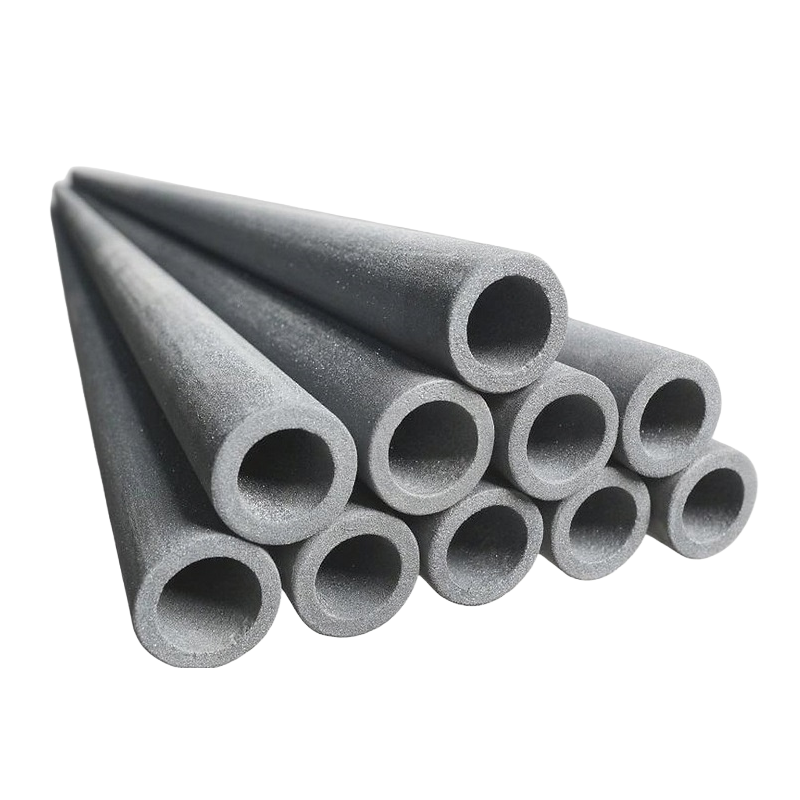
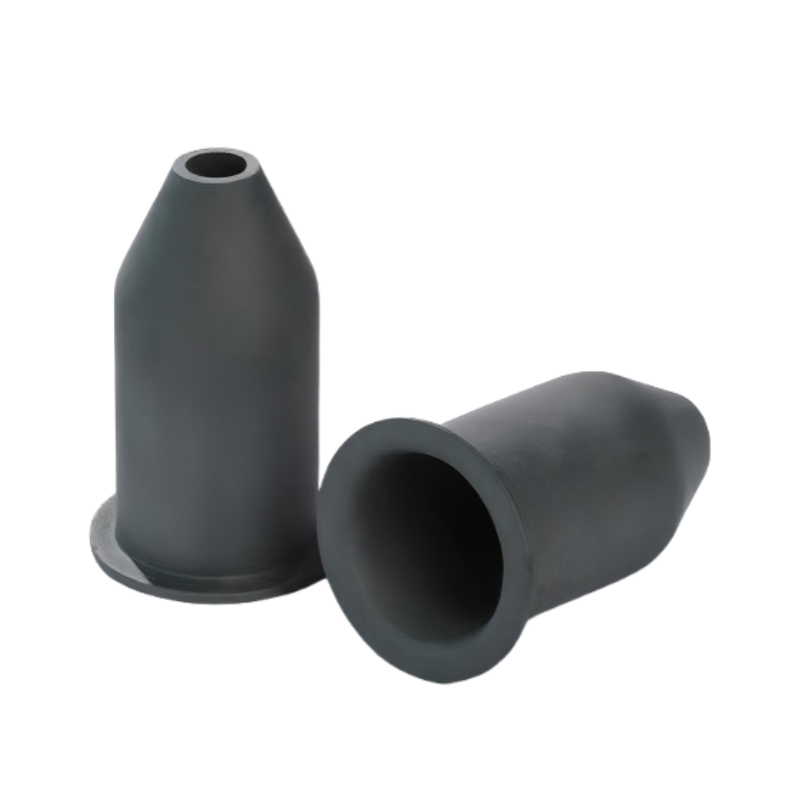
The Protector for Temperature Measurement: Protection tubes made from this material can accurately shield temperature-sensing elements at up to 1600℃, successfully replacing expensive precious metal thermocouple sheaths and saving significant costs for enterprises.
The Long-Life Champion for Electroceramic Molds: Molds made from this material offer three times the demolding strength of ordinary materials, extending their service life to over 20,000 cycles – truly the longevity champion of the mold world.
Simply put, wherever industrial processes demand materials that are "unafraid of heat, corrosion, and wear," you'll find it on duty.
04 Breaking the Ice on Standards: From "Doing Our Own Thing" to a "Worldwide Passport"
Back in the mid-1980s, China introduced its first production line for silicon nitride bonded silicon carbide. However, this good thing came with a headache: "doing our own thing." Different manufacturers produced plates with wildly varying densities, strengths, and dimensional tolerances. Due to inconsistent quality, exported products were frequently returned.
To break this deadlock, a "standardization battle" was launched. Led by the then-Ministry of Machinery Industry, after three years of research, testing, and comparison, a standard embodying industry consensus was finally issued in 1997.
This standard established clear rules for over a dozen core indicators, including bulk density, apparent porosity, room-temperature strength, and high-temperature creep. From then on, "Made in China" Si₃N₄-SiC material had an internationally comparable "ID card." The power of standards was immense. In the following decade, the domestic pass rate for plates jumped from 65% to 92%, and export volume more than doubled.
05 The Future: The "New Foundation" for Green Manufacturing
The story doesn't end here. In today's era, where "carbon peak and carbon neutrality" goals dominate the agenda, silicon nitride bonded silicon carbide – with its three magic weapons of low thermal conductivity (energy saving), high wear resistance (durability), and long life (material saving) – is quietly becoming the secret weapon for many high-energy-consuming industries to achieve cost reduction and efficiency gains.
In the aluminum electrolysis industry, it helps reduce electricity consumption per ton of aluminum by 3%.
In zinc smelting, it boosts heat exchange efficiency by 5%.
In the ceramic industry, it extends the single firing cycle of kiln furniture by 20%.
Ultimately, it contributes to a 12% reduction in the overall consumption of refractory materials. These seemingly small numbers, when added up, represent immense energy savings and environmental benefits.
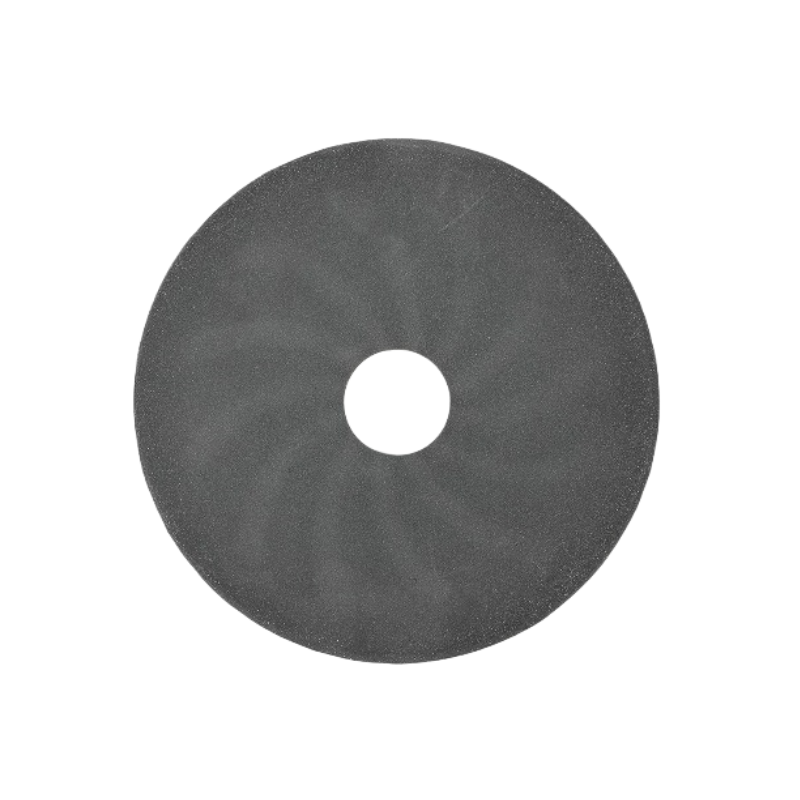
From laboratory samples to a wide array of industrial products like grinding wheels, kiln furniture, crucibles, and protection tubes, Si₃N₄-SiC is constantly pushing "high-temperature limits" into the realm of "routine operating conditions." With the support of cutting-edge technologies like 3D printing and continuous fiber toughening, we have every reason to believe that the next chapter in this "hardcore" legend will continue to be written in even more extreme and expansive environments.
[Contact us to Inquire or Order] or [Call Our Hotline].
