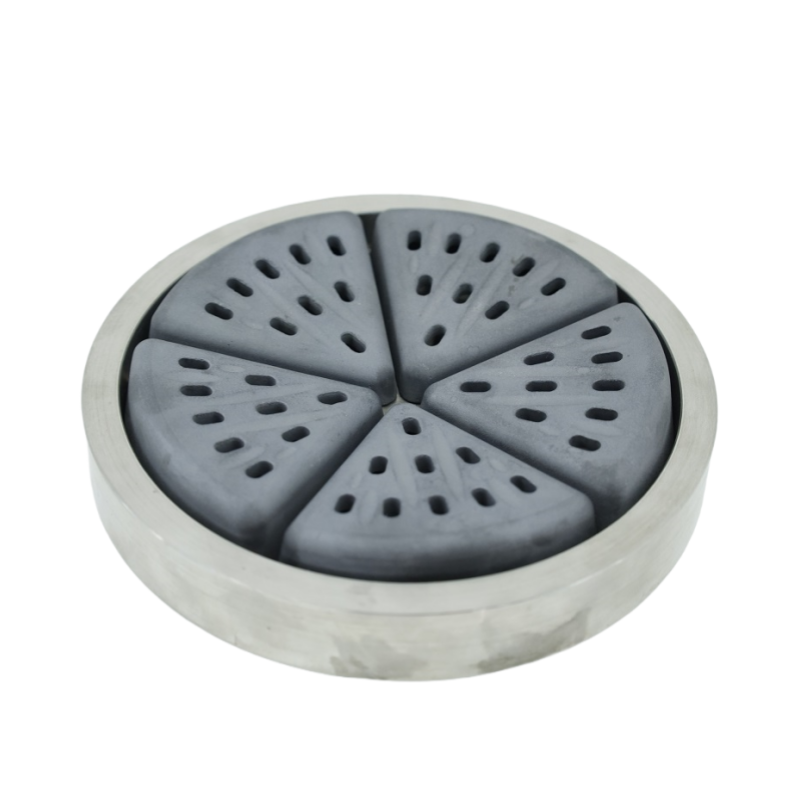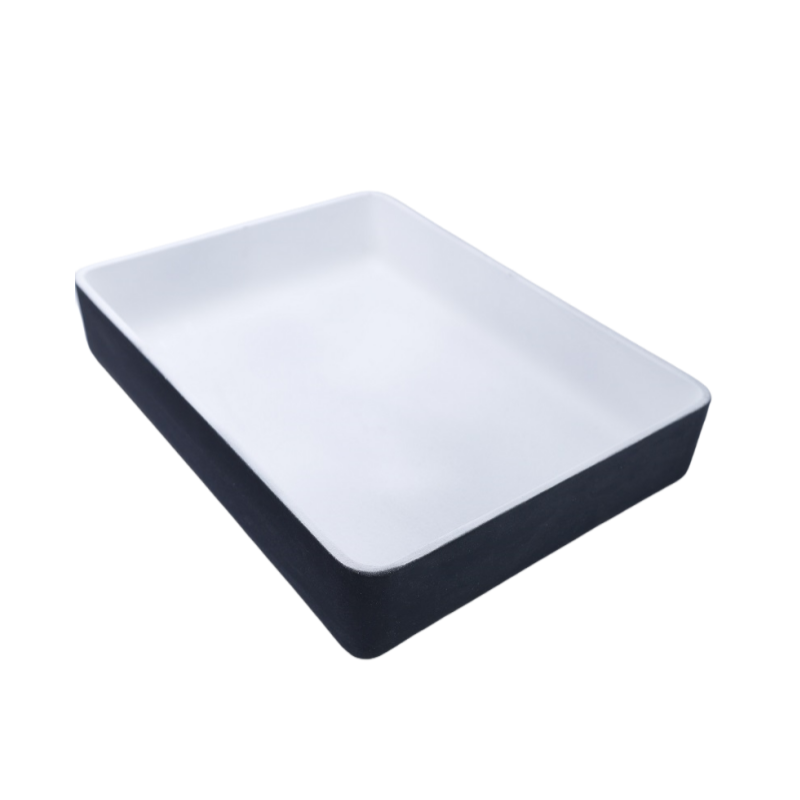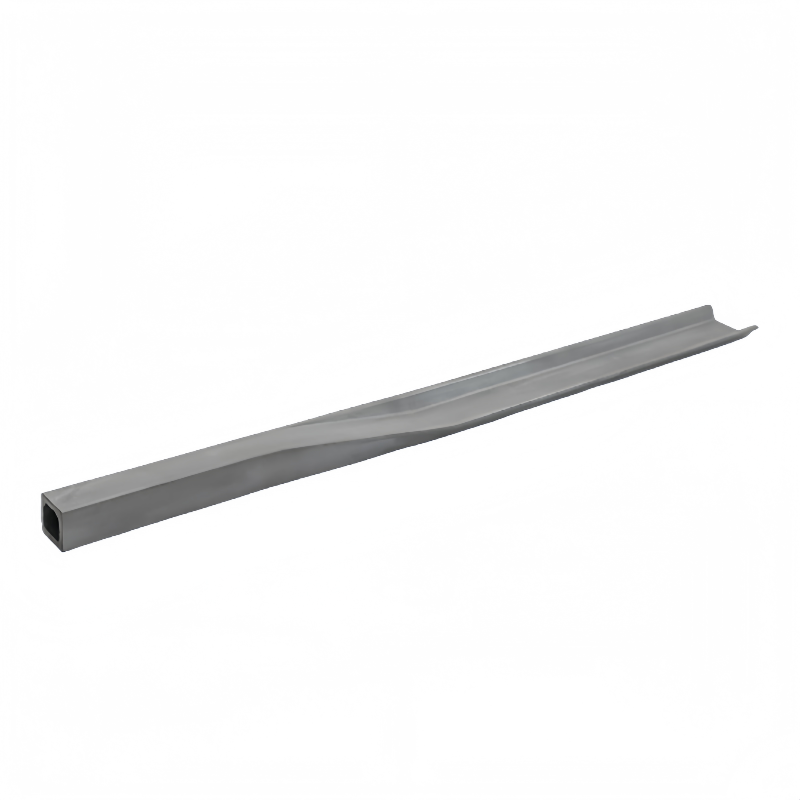
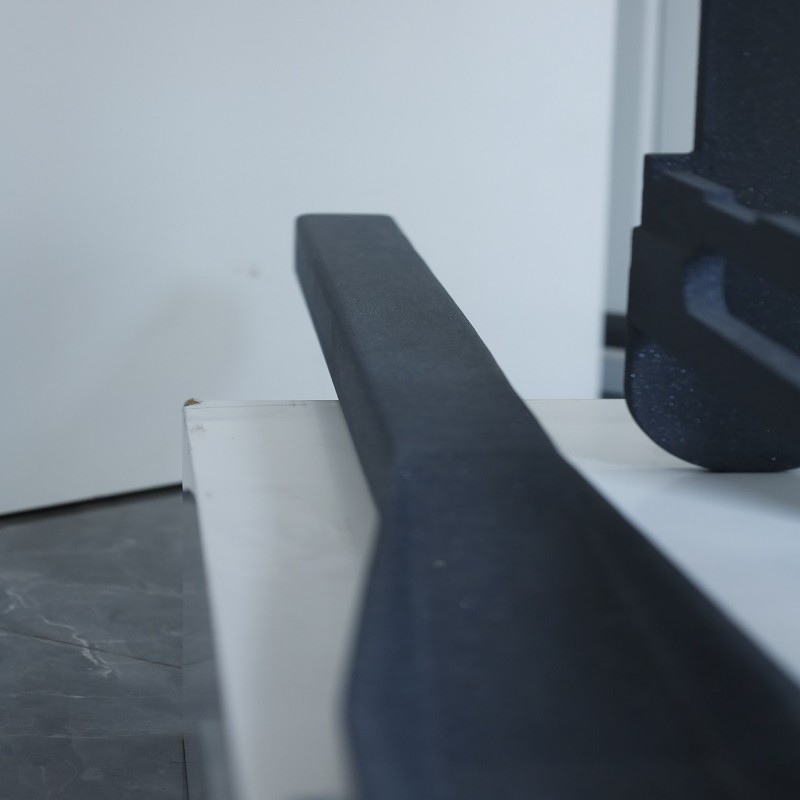
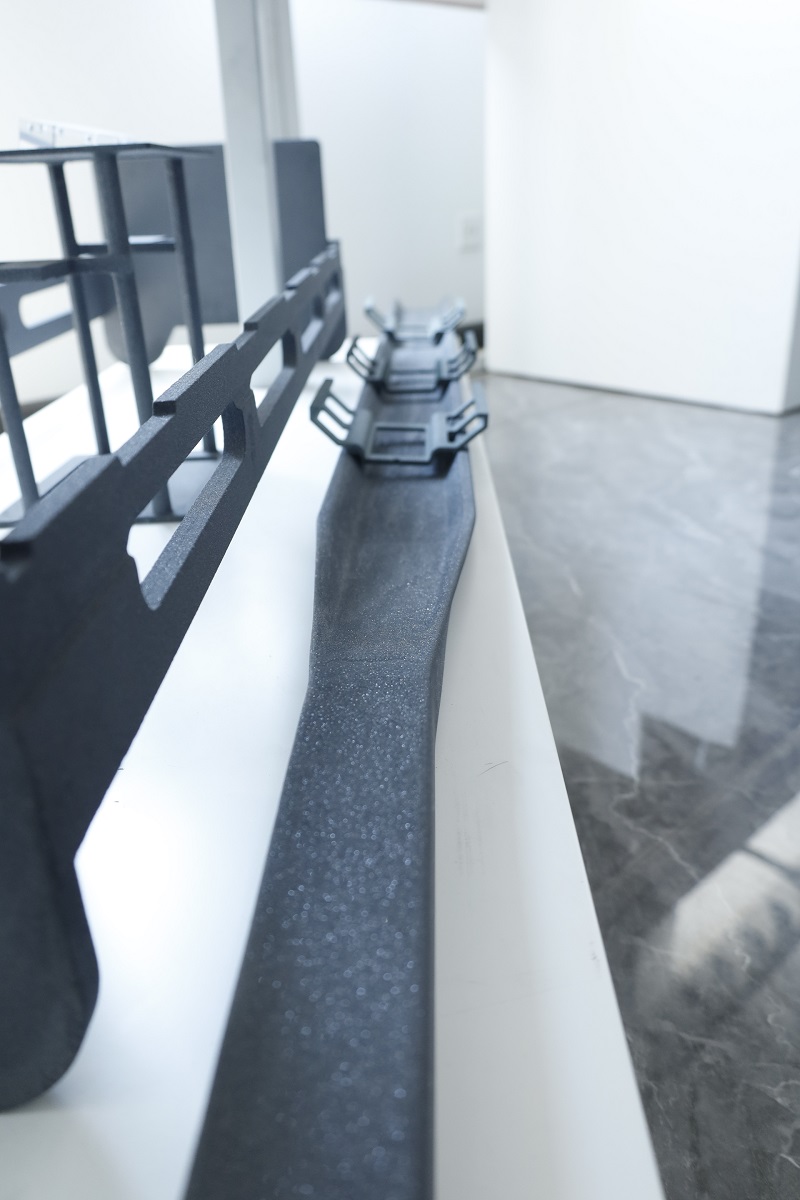
Recrystallized Silicon Carbide Cantilever Paddle
PRODUCT DESCRIPTION
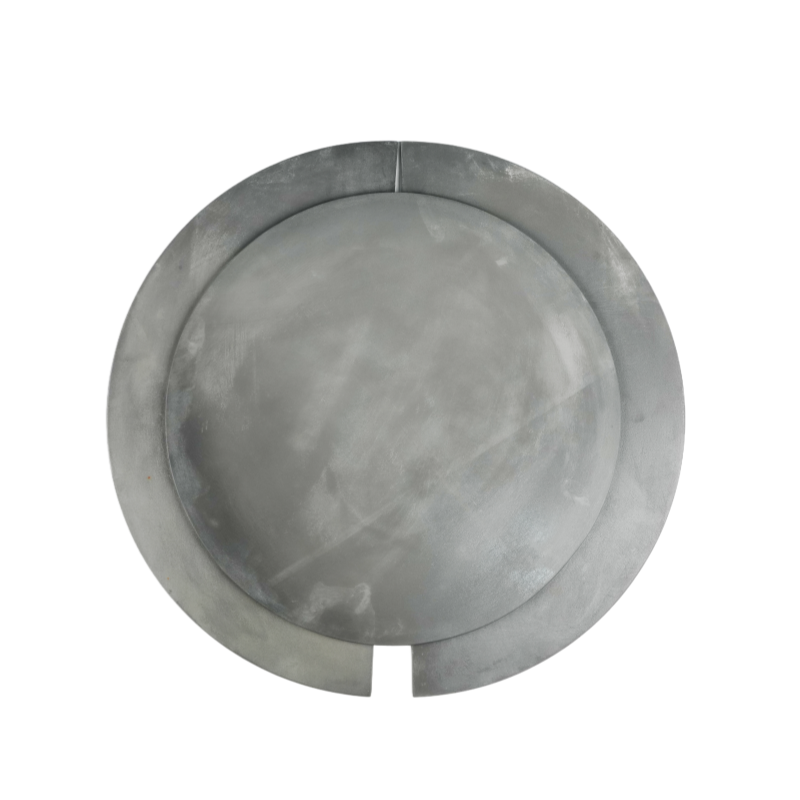
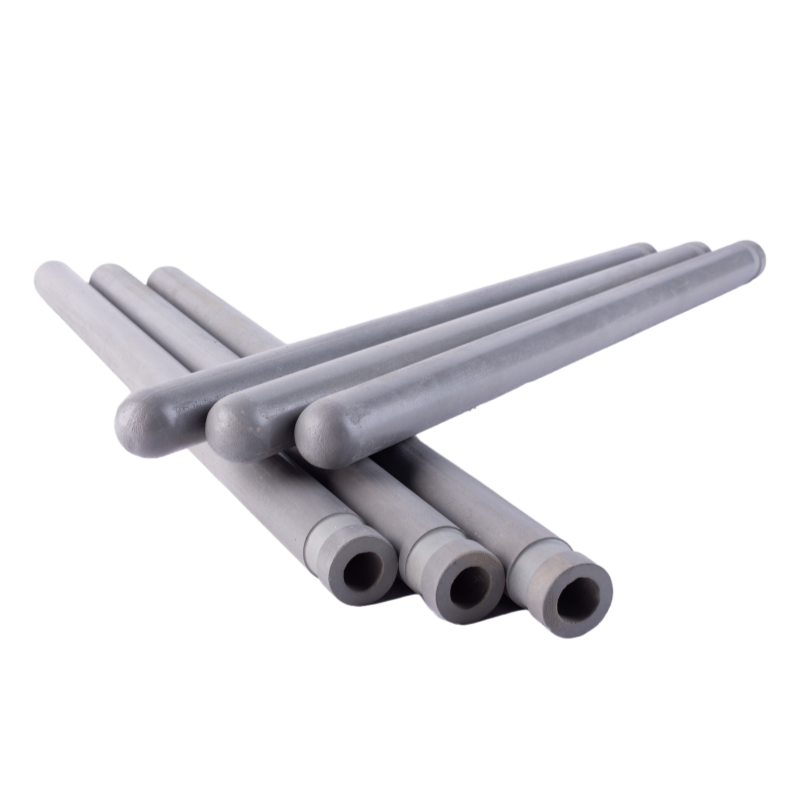
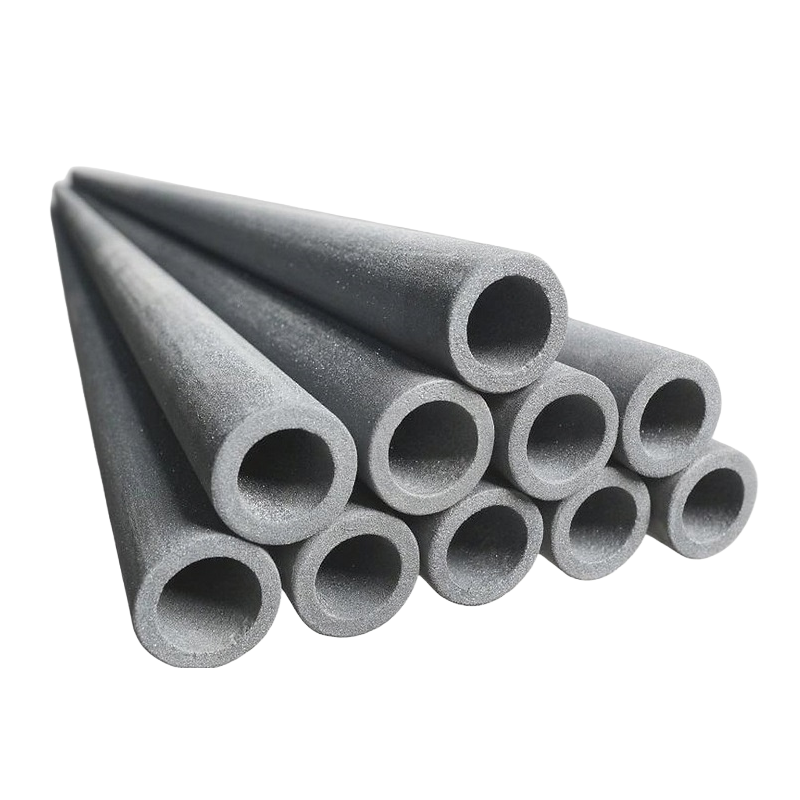
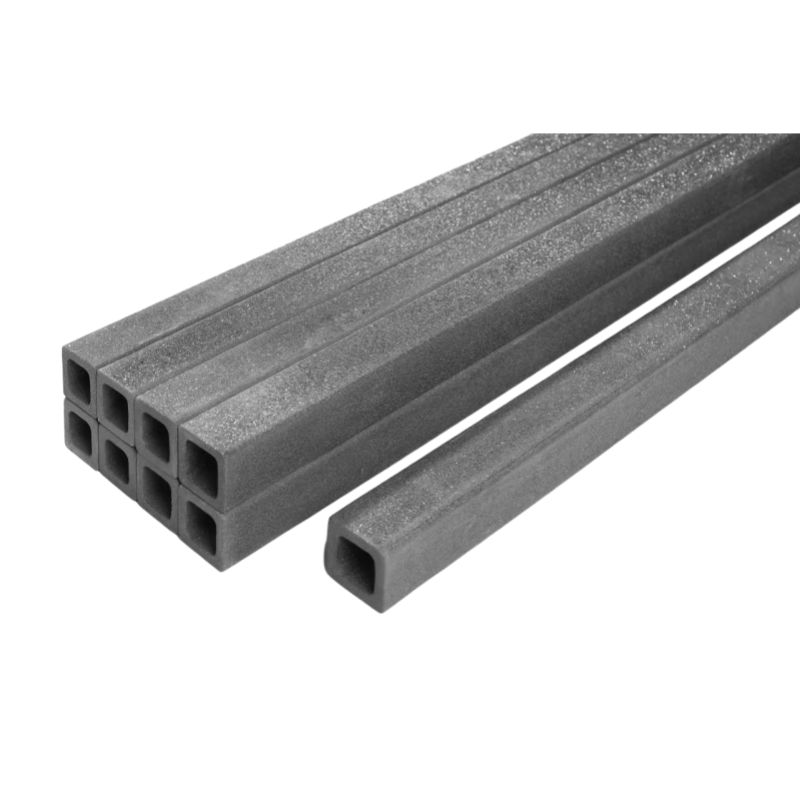
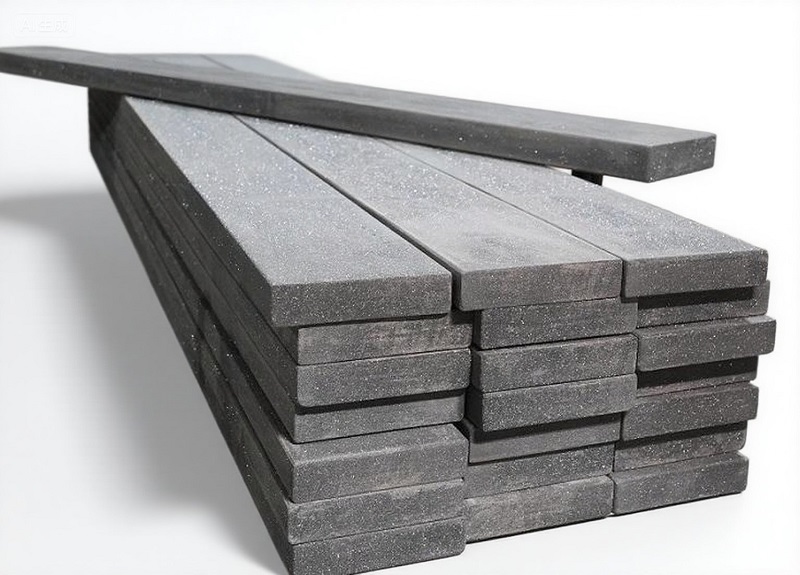
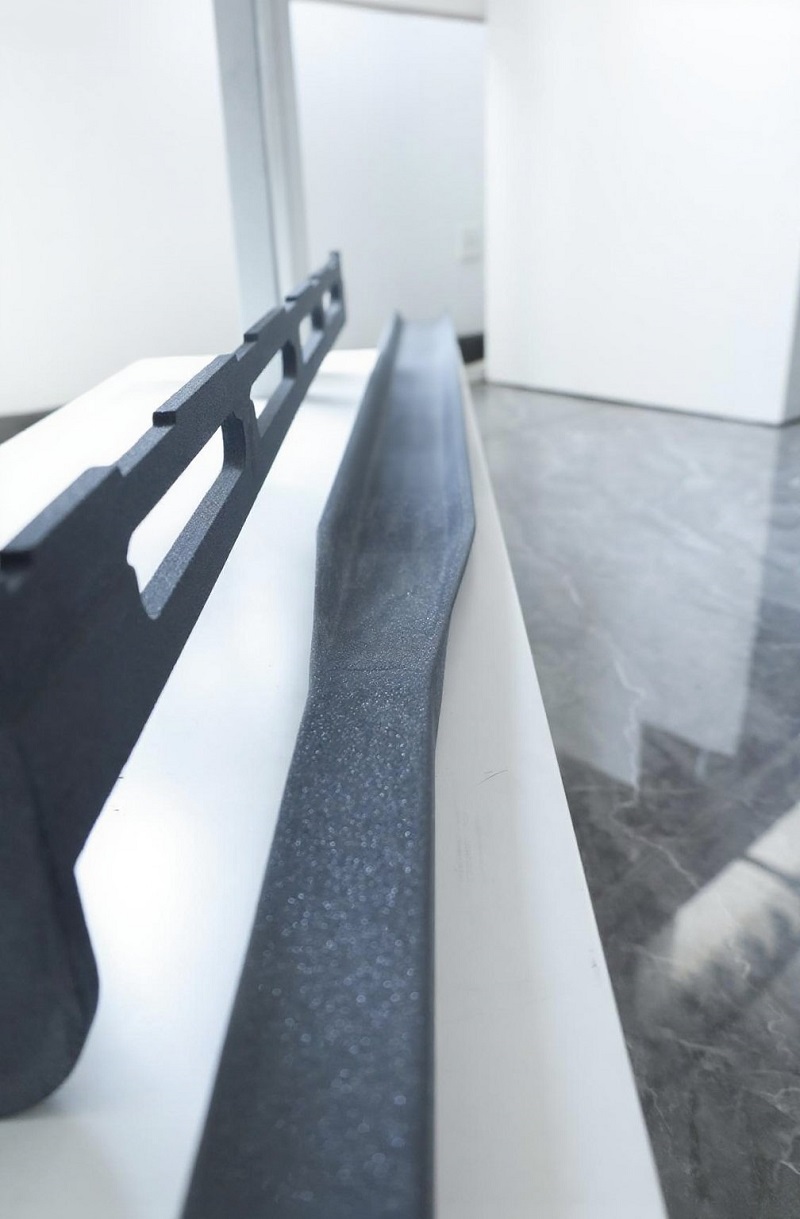
The silicon carbide cantilever paddle represents a high-performance ceramic structural component characterized by its flat design with elongated strip or perforated configurations. This specialized SiC cantilever paddle primarily serves in photovoltaic and semiconductor wafer handling systems, providing reliable support for materials during sintering processes. Manufactured using proprietary high-purity silicon carbide powder (SiC content >99.9990%), our company possesses unique capabilities for producing large-scale SiC cantilever paddle components measuring several meters in length with complex geometrical requirements. These advanced silicon carbide cantilever paddle units function as critical load-bearing and transport elements in wafer heat treatment and chemical vapor deposition applications.
Characteristics of Recrystallized Silicon Carbide Cantilever Paddle
1. Environmental Adaptability
High Temperature Resistance: The SiC cantilever paddle maintains structural integrity at operational temperatures reaching 1650°C, withstanding even higher short-term thermal exposure without deformation, making it ideal for LPCVD and other high-temperature processes.
Thermal Shock Resistance: With its low thermal expansion coefficient, this cantilever paddle endures rapid thermal cycling conditions, significantly extending equipment maintenance intervals.
2. Mechanical Performance
High Load Capacity: Exceptional bending strength enables the SiC cantilever paddle to support substantially higher wafer loads compared to traditional quartz materials, enhancing production throughput.
Wear and Corrosion Resistance: Rated at Mohs hardness level 9, the SiC cantilever paddle demonstrates excellent resistance to acids, alkalis, and particulate erosion, minimizing contamination risks and preserving wafer purity.
3. Lightweight Construction & Extended Service Life
The low-density cantilever paddle reduces mechanical system loads while offering 3-5 times longer service life than metal or quartz alternatives, substantially lowering total ownership costs.
4. Precision and Stability
Superior surface finish and exceptional thermal stability allow the silicon carbide cantilever paddle to facilitate automated robotic handling while meeting stringent precision requirements for semiconductor wafer processing.
FEATURES & BENEFITS
High temperature resistance
Thermal shock resistance
High thermal conductivity
High mechanical strength
Acid and alkali resistance
Wear resistance
MAIN PARAMETER
High Temperature Kiln Equipment Industry | RSiC |
SiC Content (%) | ≥99% |
Bulk Density (g/cm3) | 2.65~2.75 |
Apparent Porosity (%) | <17 |
Room temperature strength (MPa) | 90~100 |
Strengthat 1300℃(MPa) | 100-110 |
Elasticity modulus at 20℃ | 240 |
Thermal Conductivity At 1200℃(W/mk) | 36 |
Thermal Expansion x10-6/℃ | 4.6 |
Max Using Temperature(℃) | 1650℃ |
Hardness At 20°C (Kg/mm2) | 2000 |
Fracture Toughness At 20°(MpaxM1/2) | 2.0 |
APPLICATION
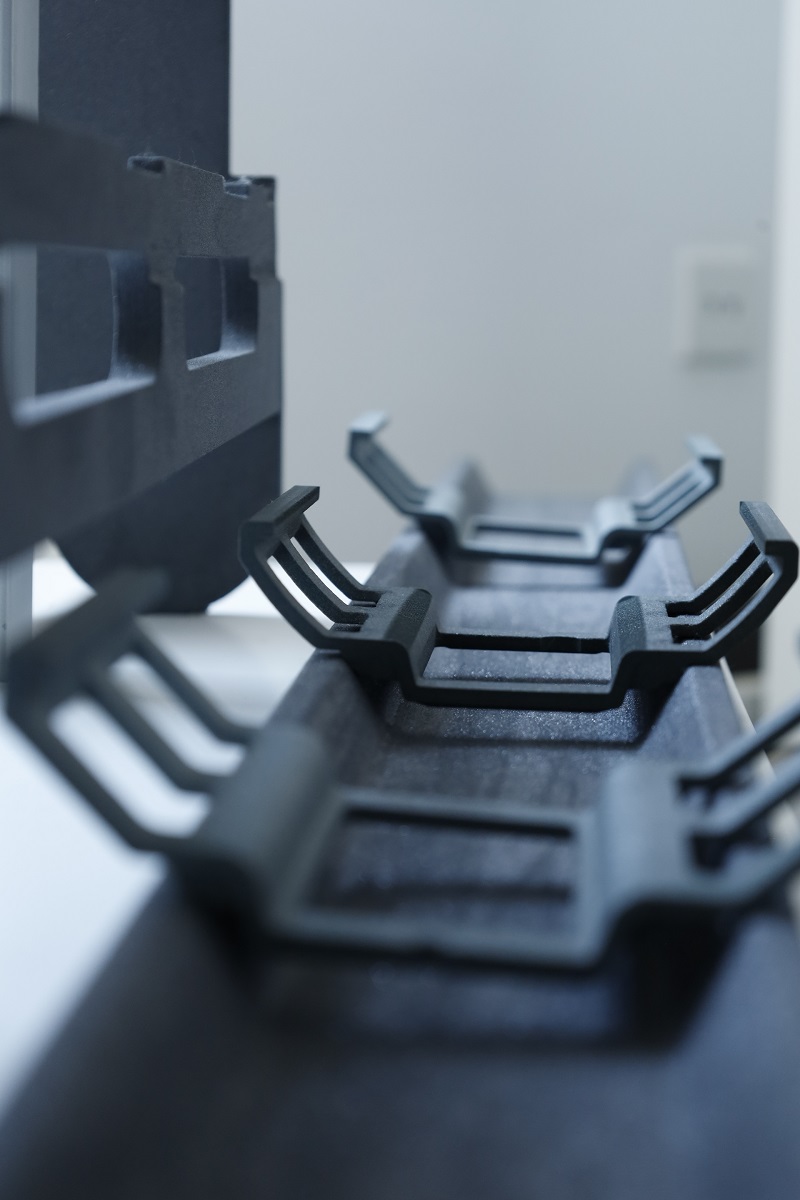
SiC Cantilever Paddle Industrial Applications
Semiconductor Manufacturing: The silicon carbide cantilever paddle provides essential support within diffusion furnaces and CVD equipment, ensuring stable wafer processing environments.
Photovoltaic Production: As critical load-bearing elements in silicon wafer sintering furnaces, the SiC cantilever paddle enables efficient mass production of solar cells.
Advanced Ceramics Processing: This cantilever paddle facilitates high-temperature sintering of technical ceramics including silicon nitride and zirconia components.
Glass Industry Applications: The robust silicon carbide cantilever paddle serves effectively as molten glass conveying rollers in high-temperature glass processing systems.
ABOUT US
After more than 20 years of product research and innovation, the company's industry covers industrial kiln furniture, silicon carbide raw material powder, environmentally friendly ceramic films, electronic ceramics, semiconductor photovoltaics, etc. Its products are exported to more than 20 countries and regions overseas, including the United States, Japan, Germany, Italy, Spain, Australia, South Africa, Brazil, Thailand, and so on. The company has agents in multiple countries, and the export volume of products will account for 30% of the total production in 2024.