

Customer Background:
A precision ceramic component manufacturer specializing in high-end products such as electronic ceramic substrates and sensor ceramic components. These products require sintering at temperatures above 1600°C, placing extremely high demands on the stability of the firing plates.Pain Points and Challenges:
Pain Points and Challenges:
The customer had long used silicon oxide firing plates, facing the following core issues:
Severe Deformation: Silicon oxide tends to soften at high temperatures, causing significant warping and deformation after multiple uses, leading to substandard product flatness.
Thermal Shock Cracking: Prone to cracking under sudden temperature changes, resulting in a short service life.
Contamination Risk: Silicon oxide may volatilize under extreme high temperatures, posing a contamination risk to sensitive ceramic products.
Dimensional Instability: High coefficient of thermal expansion necessitates larger expansion joints, reducing effective loading area.
Solution: R-SiC Porous Plate + Alumina Coating System
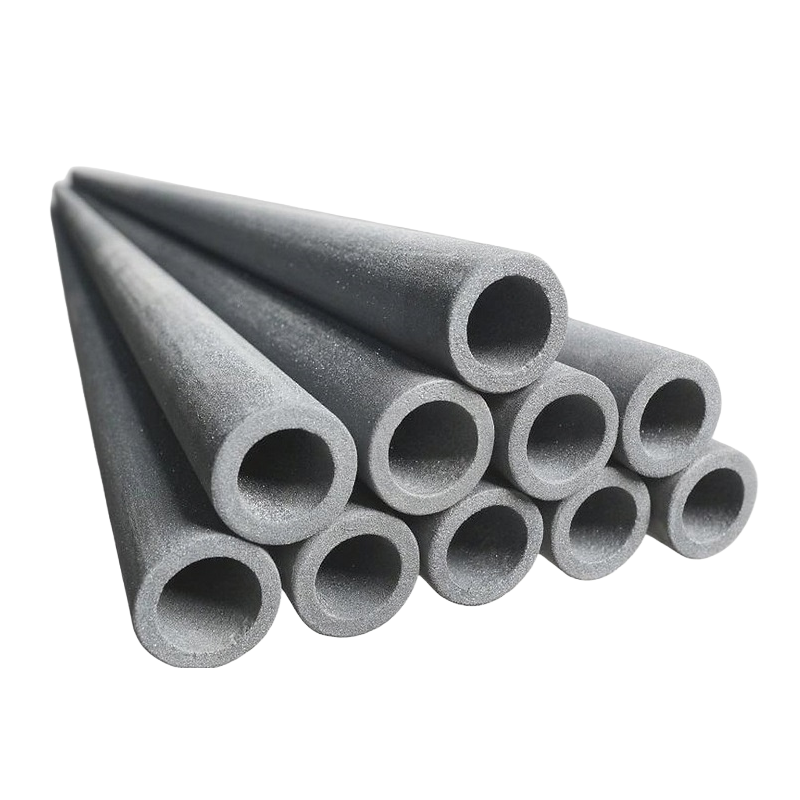
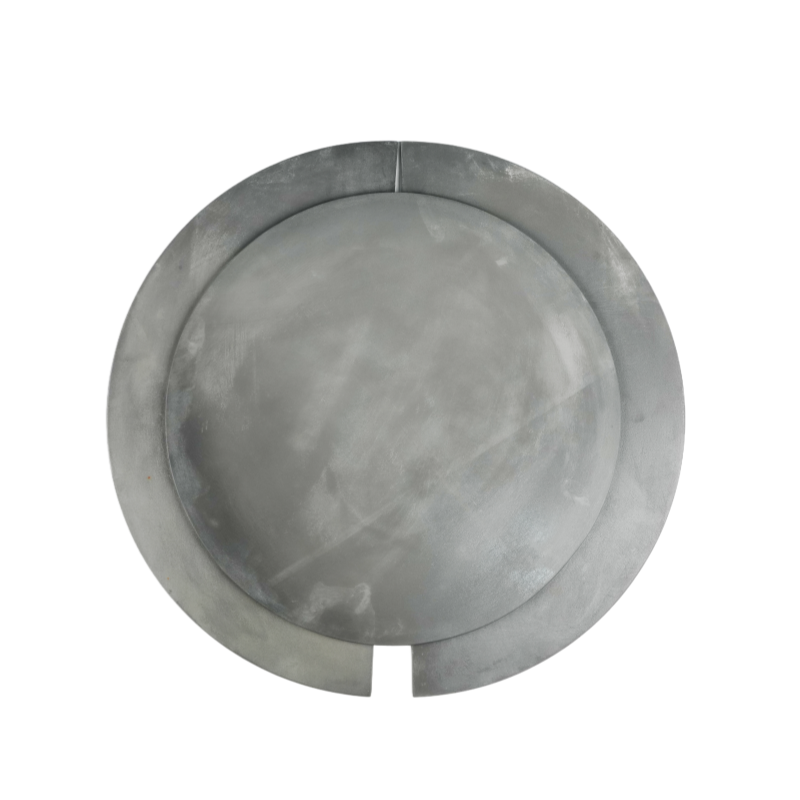
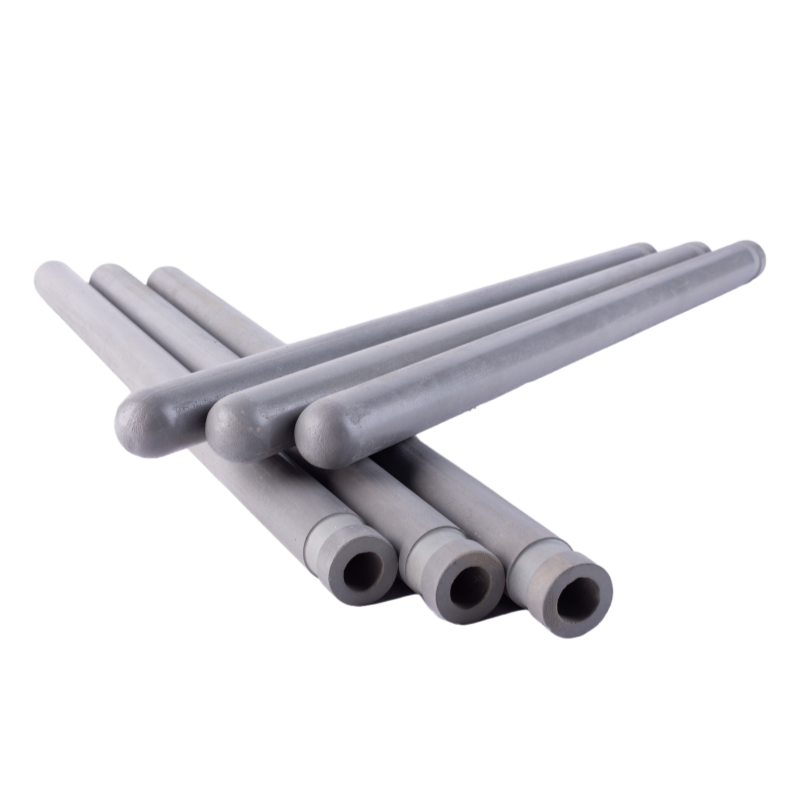
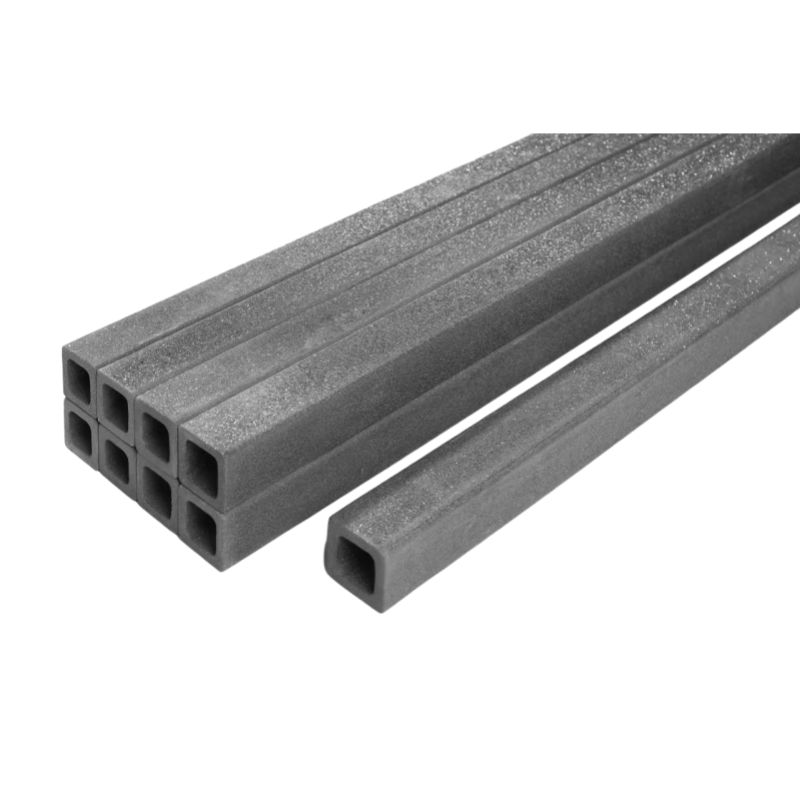
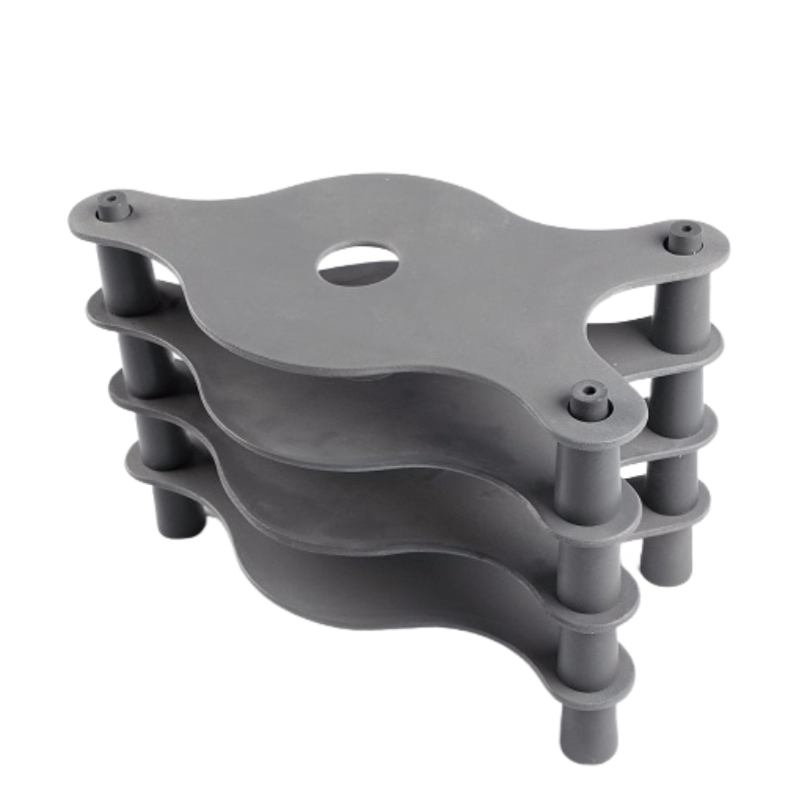
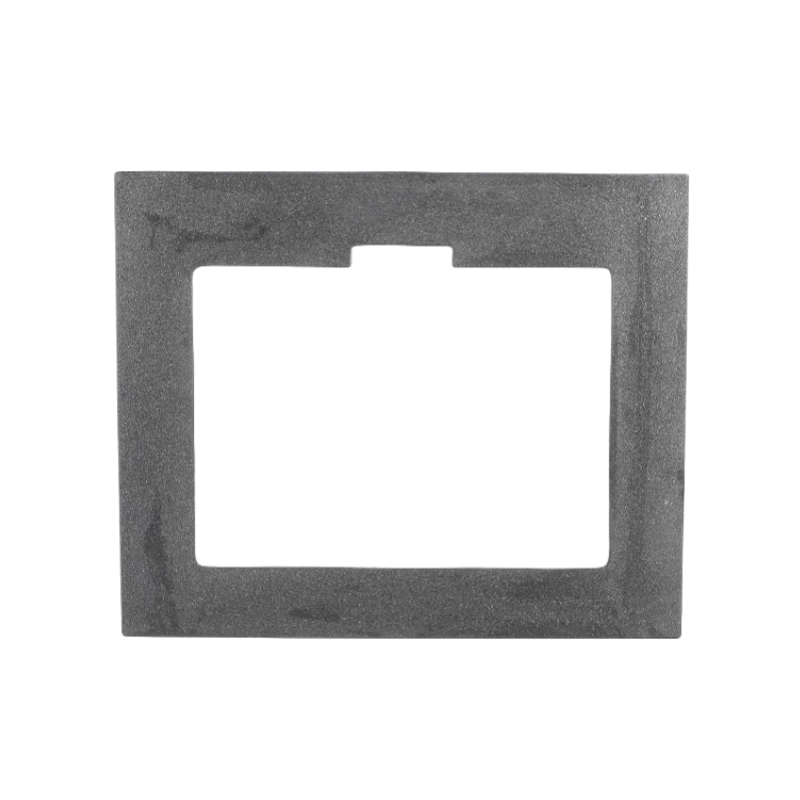
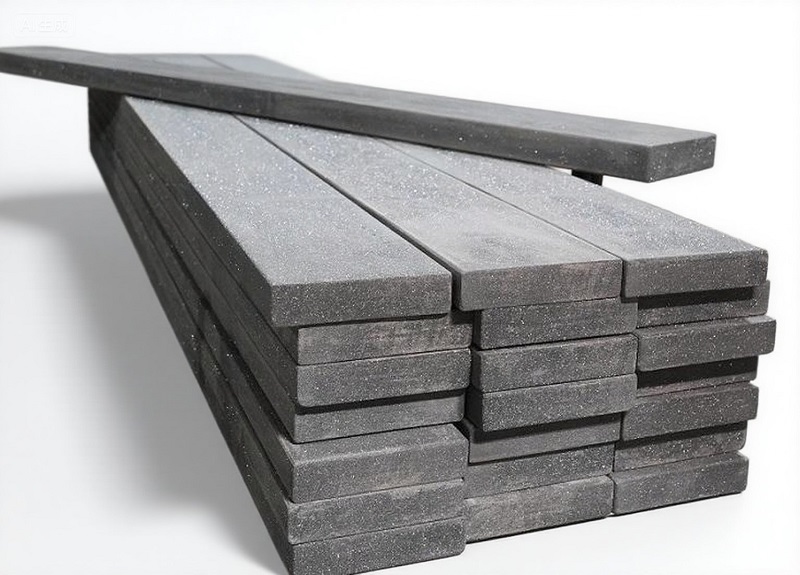
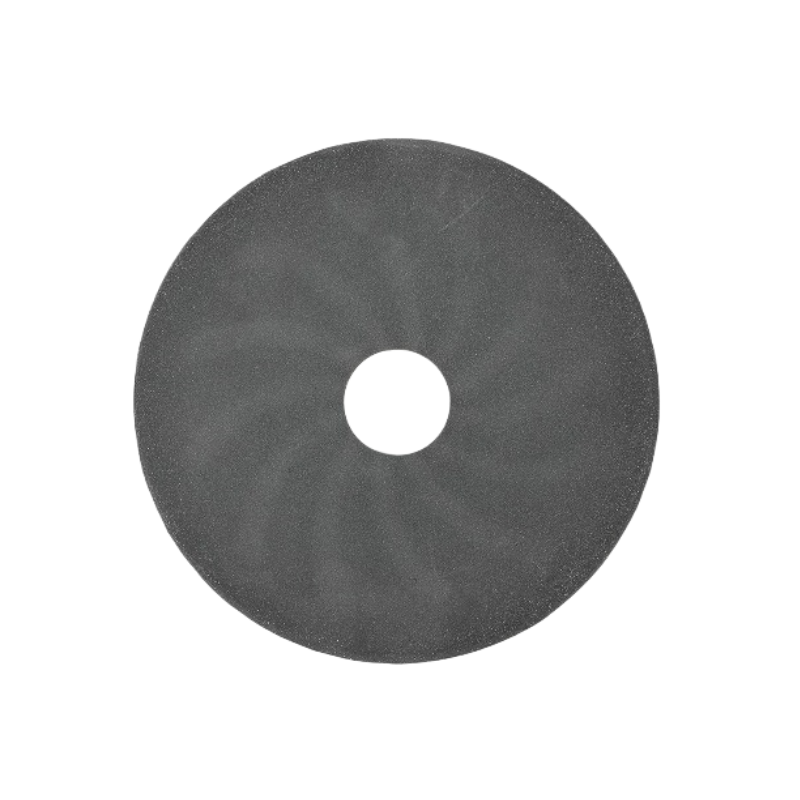
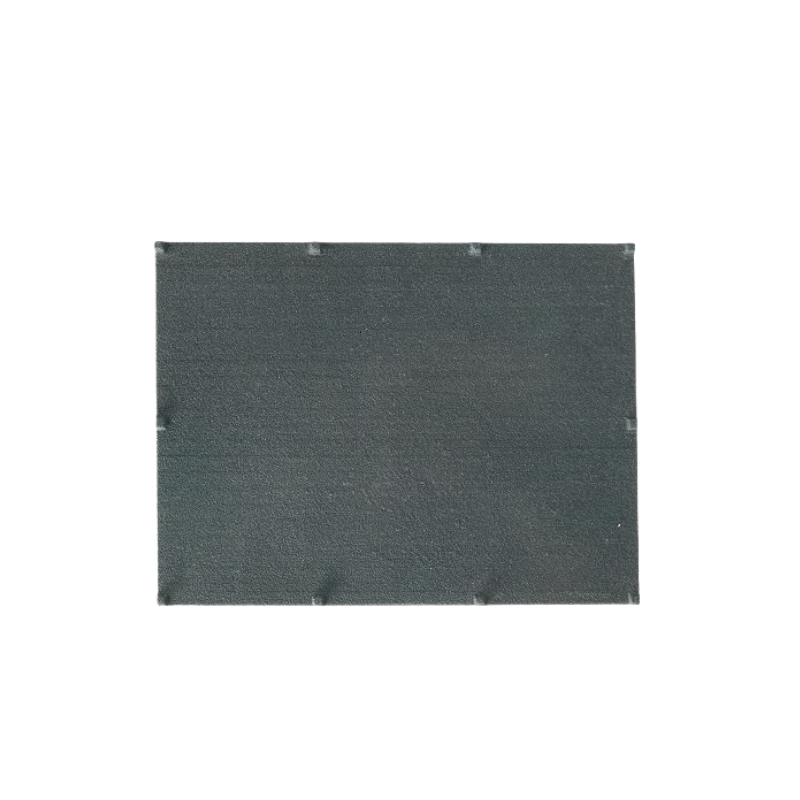
We recommended and customized a recrystallized silicon carbide porous firing plate for the customer, featuring a proprietary alumina coating technology on the surface.
Technological Innovation Highlights:
1. Breakthrough in Substrate Performance
Exceptional High-Temperature Stability: Recrystallized silicon carbide (R-SiC) maintains structural stability up to 2200°C.
Ultra-Low Coefficient of Thermal Expansion (4.5×10⁻⁶/K): Only one-third that of silicon oxide, with minimal dimensional changes.
Outstanding Thermal Shock Resistance: Withstands rapid temperature changes >500°C/min without cracking.
2. Surface Coating Innovation
Special Alumina Coating: Applied via plasma spraying to form a dense protective layer.
Dual Functionality:
Prevents potential contamination from direct contact between silicon carbide and products.
Reduces adhesion between products and the firing plate for easier demolding.
Optimized Porous Structure: The coating does not affect the breathability of the porous plate, ensuring uniform sintering atmosphere.
3. Structural Design Optimization
Precise Porosity Control: Porosity of 50%-60% with uniform pore size distribution.
No Expansion Joint Design: Eliminates the need for traditional expansion joints due to extremely low thermal expansion.
Lightweight Design: Approximately 30% lighter than traditional plates, reducing energy consumption.
Performance Comparison
| Metric | Traditional Silicon Oxide Plate | R-SiC + Alumina Coated Plate | Improvement |
|---|---|---|---|
| High-Temperature Deformation | >5mm/m | <0.5mm/m | 90% Reduction |
| Service Life | 10-15 cycles | 100+ cycles | 6-10x Longer |
| Maximum Operating Temperature | 1500°C | 1650°C (long-term) | 300°C Increase |
| Product Flatness | ±1.0mm | ±0.05mm | 83% Precision Improvement |
| Maintenance Cost | High (frequent replacement) | Very low | 70% Reduction |
Technical Details Explained
Why is the R-SiC Porous Plate Resistant to Deformation?
During the preparation of recrystallized silicon carbide, particles form direct bonds through an evaporation-condensation mechanism without the presence of a glass phase. This means there is no softening point at high temperatures, relying entirely on strong covalent bonds between grains to maintain shape. This fundamentally solves the issue of high-temperature creep.
The "Intelligent" Protection of the Alumina Coating
Our coating is not a simple overlay but a dense alumina barrier layer
This structure ensures protective functionality without compromising the breathability of the porous plate, improving furnace atmosphere uniformity by 40%.
Actual Usage Data
Customer Production Records (6-Month Tracking):
Production Batches: 240 furnaces
Firing Plate Replacements: 2 times (only due to process adjustments)
Product Scrap Rate Due to Firing Plates: 0.08%.
Average Energy Consumption Reduction: 12.5%
Overall Production Cost Reduction: 9.3%
Expert Commentary
"Recrystallized silicon carbide porous plates represent a new direction in high-temperature firing technology. Their core value lies not only in high-temperature resistance but also in absolute dimensional stability. For the precision ceramic industry, this means better product consistency, higher yield rates, and more controllable production costs. The surface alumina coating technology ingeniously addresses potential contamination issues, making this solution even more comprehensive."
Our Service Commitment
We provide not only standard specifications but also:
Free Sample Testing: Small-sized samples for customer process validation
Customized Design: Tailored aperture, thickness, and other parameters based on customer furnace type, products, and processes
Technical Training: Usage and maintenance training
Performance Guarantee: Commitment to specific performance improvements compared to original silicon oxide plates.
[Contact us to Inquire or Order] or [Call Our Hotline].
