

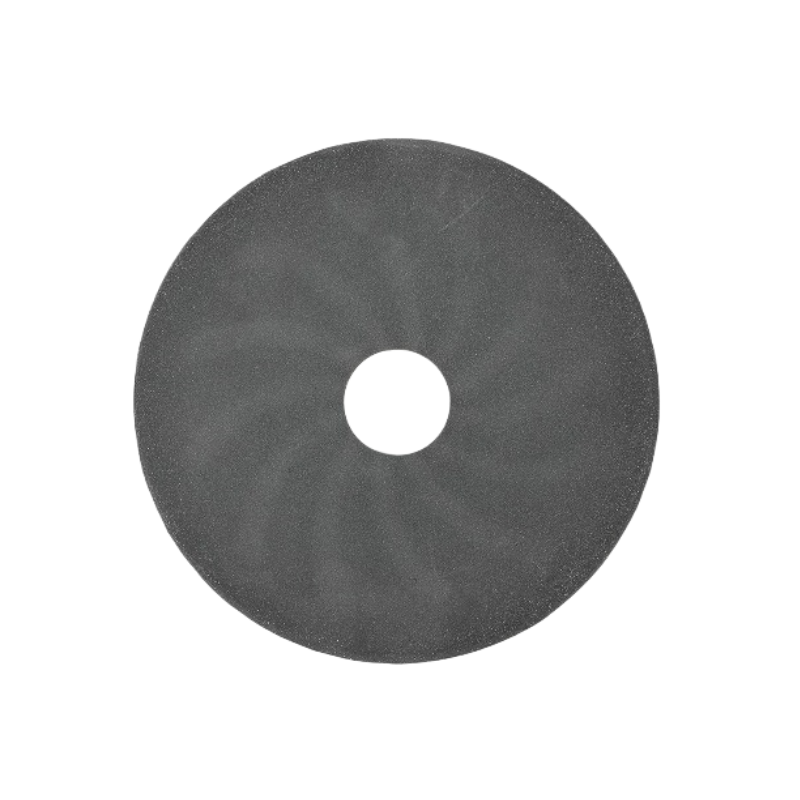
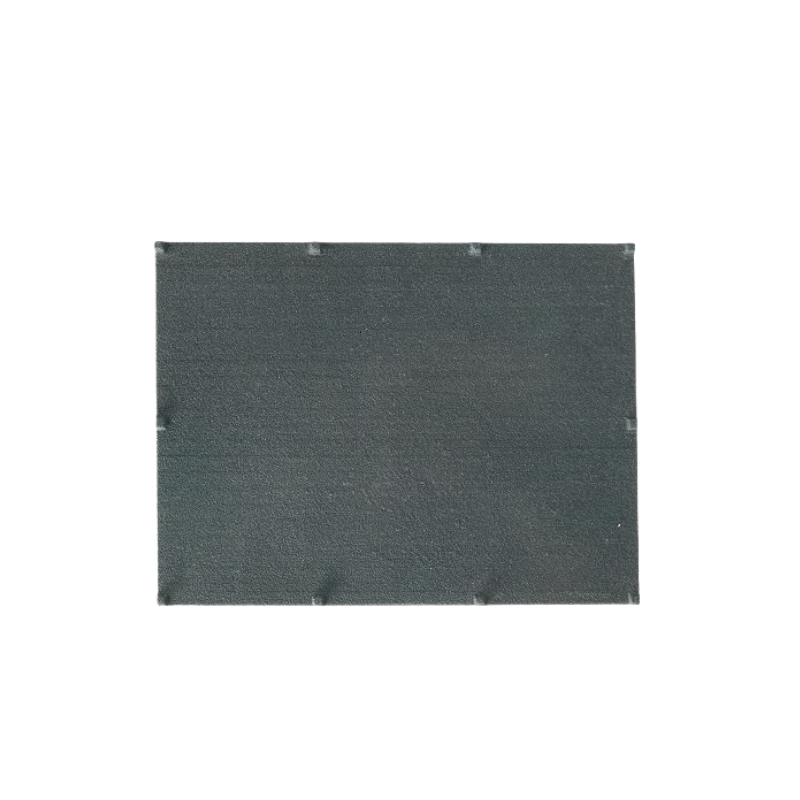
In the world of ceramics, electronic ceramics, and specialty material sintering, as standardized square plates face the challenges of product diversification and complexity, custom-shaped kiln furniture has emerged. This represents not merely an innovation in form but a critical step in industrial manufacturing's transition from "mass production" to "bespoke precision engineering."
What is Custom-Shaped Kiln Furniture?
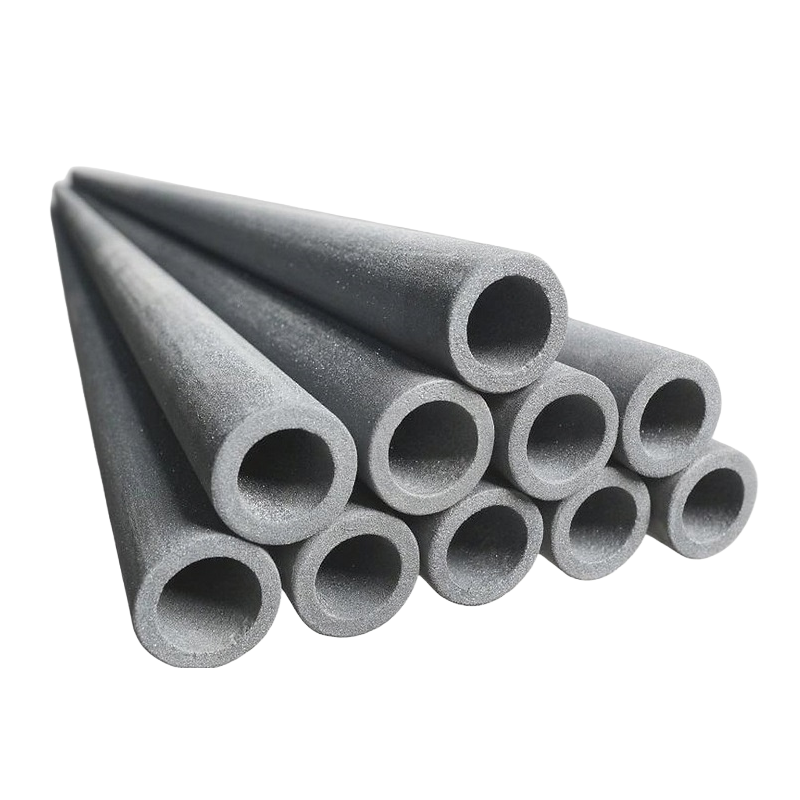
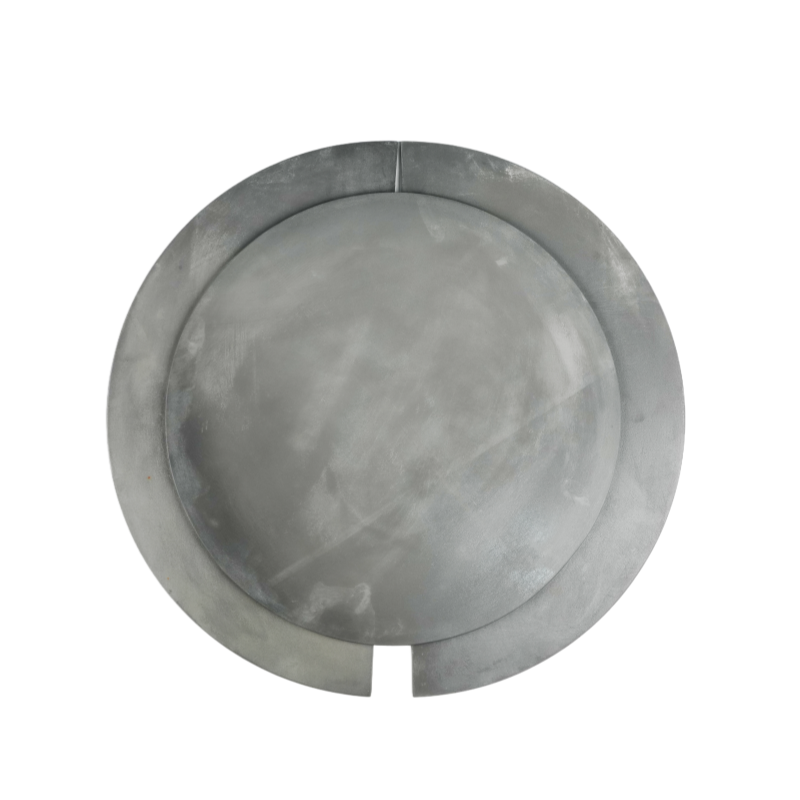
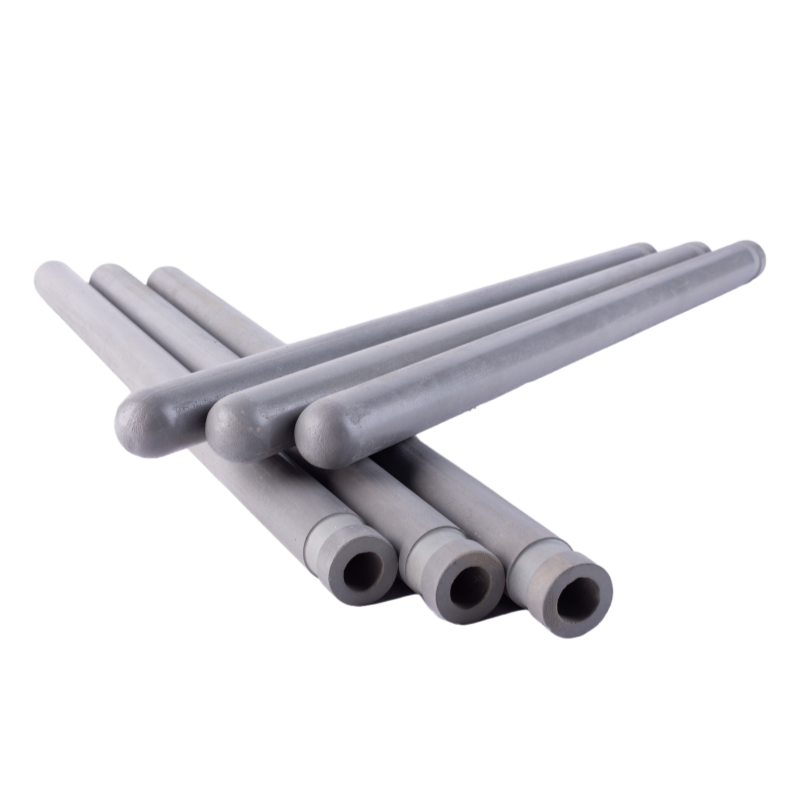
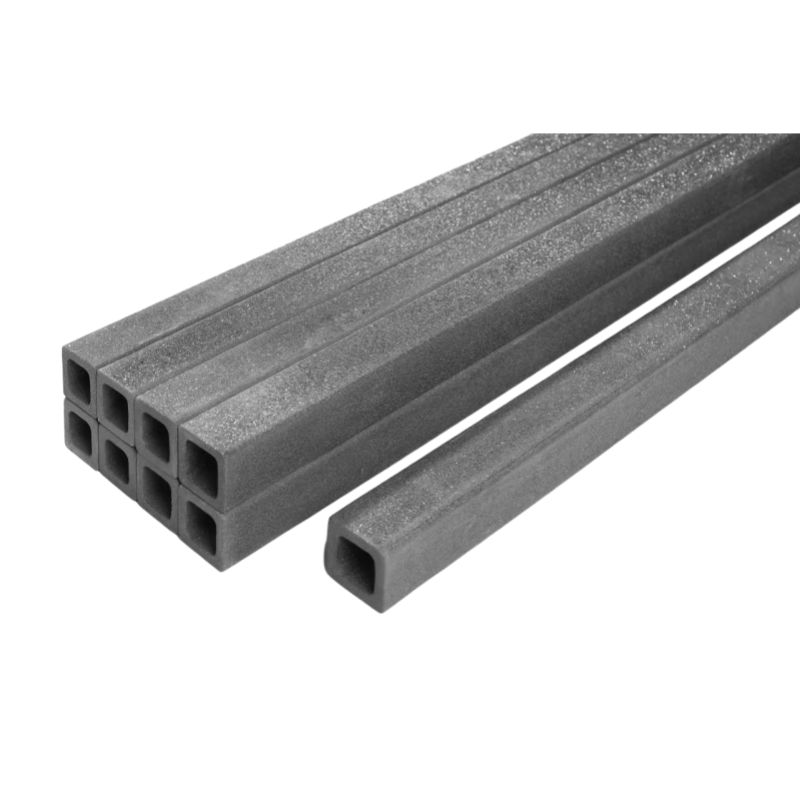
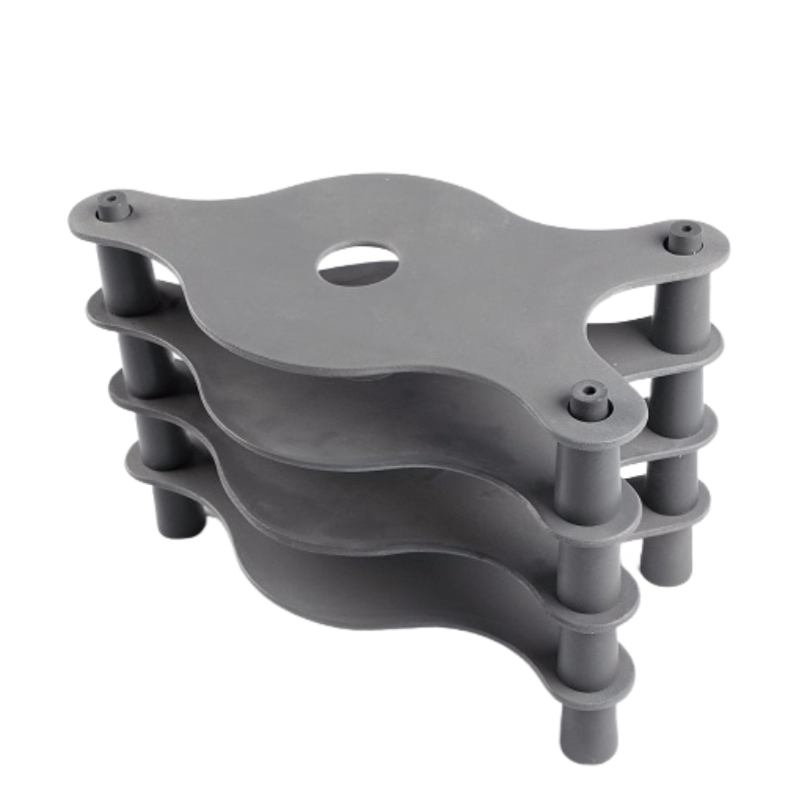
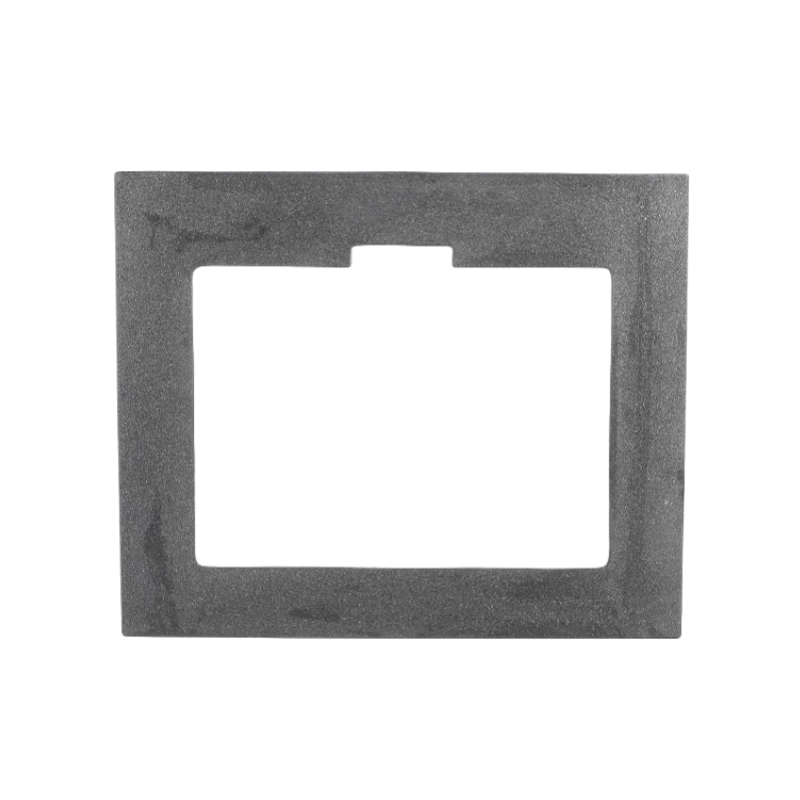
Custom-shaped kiln furniture refers to kiln shelves that are designed and manufactured for specific products or specific firing processes, featuring non-standard geometric shapes or special structures, as opposed to standard square or round plates. It may include:
Shape Customization: Such as triangular, hexagonal combinations, petal-shaped, or frame-shaped.
Structural Customization: Incorporating precise grooves, raised platforms, holes, support columns, or positioning notches on the plate.
Functional Customization: Designed to meet special requirements such as atmosphere circulation, auxiliary forming, or prevention of adhesion.
It signifies the evolution of kiln furniture from a generic accessory to a process solution.
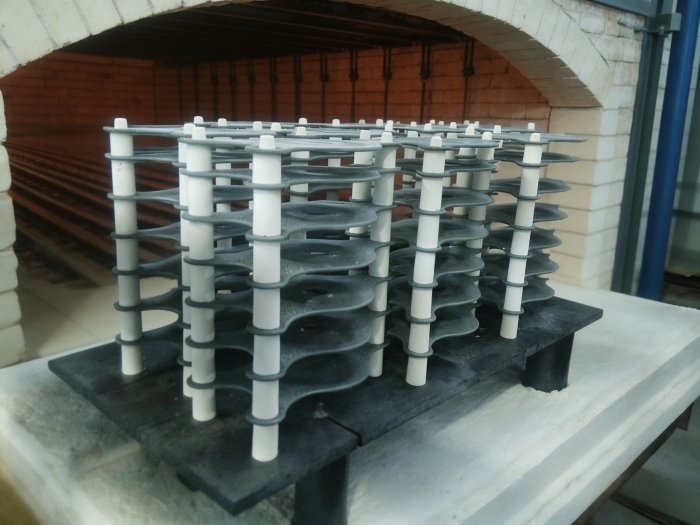
Why Opt for Custom-Shaped Plates? Three Core Drivers
Product Adaptability: Making the "Impossible" Possible
Challenge: When sintering products with complex shapes, unstable centers of gravity, cantilevered structures, or thin walls prone to deformation (e.g., intricate ceramic artworks, turbine blades, thin-walled structural components), standard plates cannot provide effective support.
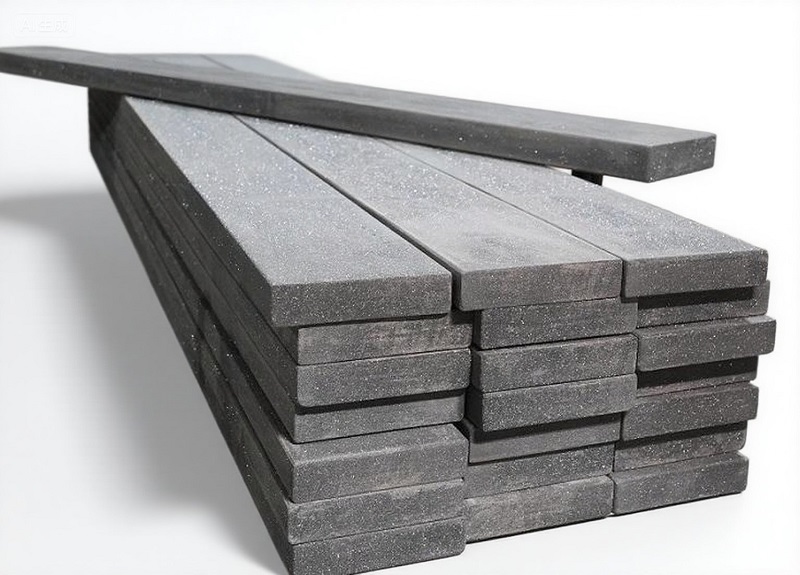
Solution: Through contour-fitting design, custom-shaped plates offer "full-surround" or "multi-point contact" support, precisely distributing weight to prevent collapse and deformation during the high-temperature softening stage. For example, when firing long ceramic guide rails, custom plates with curved grooves perfectly conform to the product, ensuring its straightness.
Production Efficiency and Density: Maximizing Kiln Space
Challenge: Placing circular or irregularly shaped products on square plates leaves significant gaps, leading to low kiln loading rates.
Solution: Through nesting design, custom-shaped plates can fit together like puzzle pieces, allowing product contours to interlock tightly and maximizing space utilization. For instance, a hexagonal honeycomb-shaped custom plate designed for circular discs allows nearly gapless arrangement, potentially increasing loading capacity by over 30%.
Process Quality and Consistency: Beyond Simple Support
Challenge: Some products have stringent requirements for uniform heating, atmosphere circulation, or specific physical contact.
Solution: Custom plates can integrate functional structures such as flow channels, atmosphere holes, or isolation pillars. For example, when firing Multi-Layer Ceramic Capacitors (MLCCs), custom plates with fine, uniform pillars not only support the wafers but also ensure unobstructed airflow between layers, prevent contamination, and promote uniform heating.
Typical Application Areas for Custom-Shaped Kiln Furniture
High-End Structural and Electronic Ceramics
Applications: Sintering ceramic bearing balls, turbine rotors, ceramic capillaries, semiconductor ceramic substrates, laser components, etc. Custom plates provide high-precision positioning and anti-rolling structures.
Value: Ensures dimensional accuracy of products while improving yield rates and batch consistency.
Specialty Refractories and Metallurgy
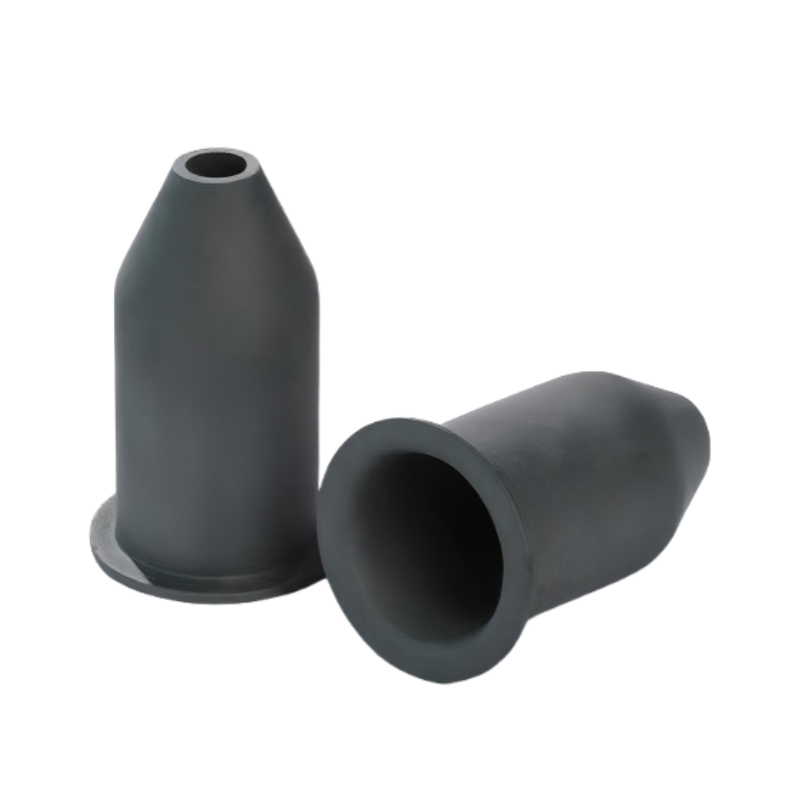
Applications: Firing shaped refractory bricks, crucibles, nozzles, runner plates, and other irregular refractory products.
Value: Enables efficient kiln loading, reduces firing deformation, and is key to producing high-quality shaped refractory products.
Art Ceramics and High-End Tableware
Applications: Firing large sculptures, irregular vessels, and craft pieces with complex reliefs.
Value: Liberates artists and artisans from design constraints, making it possible to fire large, complex works.
New Energy and Advanced Materials
Applications: Saggars for sintering lithium battery cathode/anode materials, carrier plates for fuel cell electrolyte sheets.
Value: Optimizes thermal field distribution, reduces material contamination, and enhances performance consistency of battery materials.
Design and Manufacturing of Custom Plates: From Concept to Reality
Successful application of custom plates relies on a rigorous collaborative process:
In-Depth Requirement Analysis: Detailed communication with kiln furniture engineers regarding product drawings, physical properties, firing processes, and pain points.
Digital Design and Simulation: 3D design using CAD/CAE software, followed by thermal stress and structural mechanics simulation to optimize the design.
Material Science Matching: Selection of the most suitable material based on maximum temperature, atmosphere, and product chemistry, such as:
High-Purity Alumina: Suitable for electronic ceramics with high purity requirements.
Recrystallized Silicon Carbide (RSiC): Ideal for ultra-high temperatures requiring high thermal conductivity and thermal shock resistance.
Cordierite-Mullite Composite: Suitable for art ceramics requiring matched thermal expansion.
Precision Forming and Sintering: Forming using technologies like isostatic pressing, slip casting, or 3D printing (additive manufacturing), followed by strictly controlled high-temperature sintering.
Post-Processing and Quality Inspection: Precision machining (e.g., grinding) and non-destructive testing to ensure dimensional and performance standards are met.
Return on Investment: Beyond Cost, It's About Value
Although the upfront development and unit cost of custom plates are significantly higher than standard plates, the value they deliver far exceeds the investment:
Leap in Yield Rates: Minimizes cracking and deformation defects for specific products.
Capacity Unleashed: Significantly increases value per kiln cycle through high-density loading.
Quality Premium: Achieves complexity and precision unattainable with standardized production, enhancing product competitiveness.
Process Moat: Establishes unique process know-how and intellectual property.
Conclusion: From Tool to Partner
Custom-shaped kiln furniture has evolved from a passive support tool into an active strategic partner in process innovation. It symbolizes the deep transformation of manufacturing toward flexibility, precision, and high added value. When your product design encounters sintering bottlenecks, consider this: a tailored custom plate solution might just be the key to unlocking the next stage of process breakthrough. It carries not only products but also infinite possibilities for innovation.
[Contact us to Inquire or Order] or [Call Our Hotline].
We can also accommodate your needs even for small quantity orders.Click Here to Visit Our Official Retail Site and Explore Product Details Now!——kilnshelves-sic.com
