

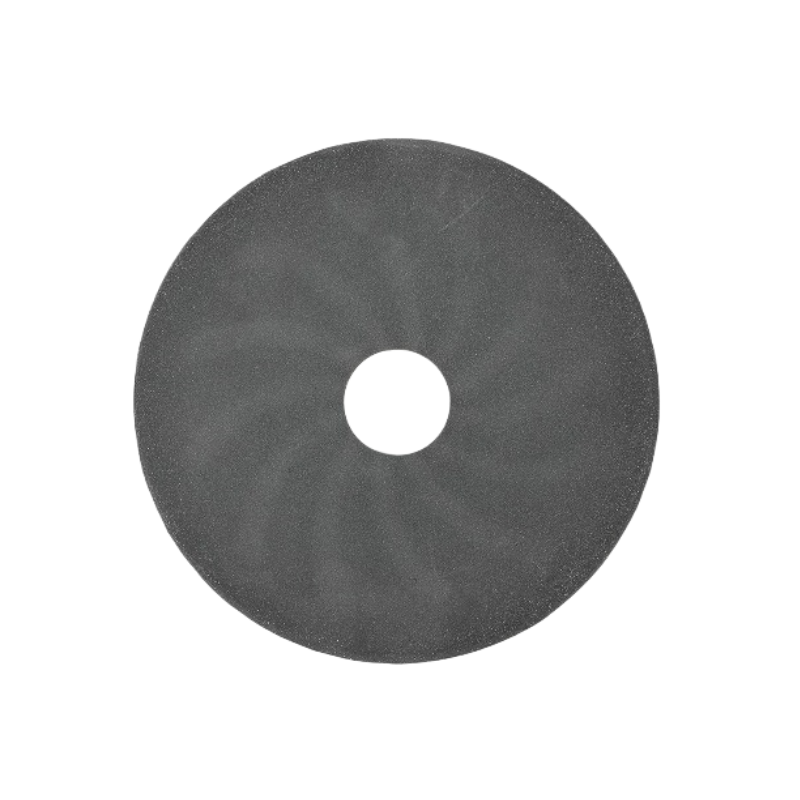
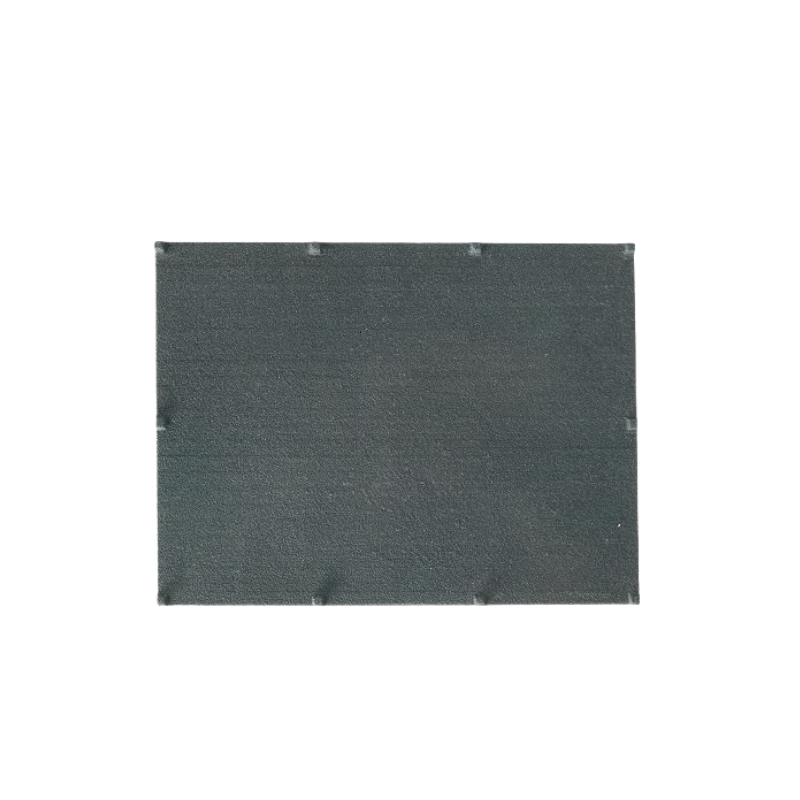
In industrial sectors, especially in harsh environments like kilns, heat treatment, and chemical processing, material selection directly determines equipment performance, service life, and final product quality. Among advanced ceramic materials, Silicon Carbide (SiC) is undoubtedly a star player, renowned for its excellent high-temperature strength, wear resistance, and thermal shock resistance.
However, when you delve into procurement, you often face two common choices: Recrystallized Silicon Carbide (R-SiC) and Silicon Nitride-Bonded Silicon Carbide (NSiC). Their names are similar, both are based on silicon carbide, but their properties and suitable applications differ significantly. Today, we will thoroughly analyze these two materials to help you find the one best suited for your application.
First, Understand Their 'Origins': Manufacturing Process Determines Nature
The key difference between these two materials lies in their bonding phase – what "glues" the hard silicon carbide grains together.
Recrystallized Silicon Carbide (RSiC): The Pinnacle of "Purity"
Process: Through a solid-state sintering process at ultra-high temperatures (above 2400°C) in an inert atmosphere, the surfaces of fine SiC grains evaporate and condense, forming direct SiC-SiC covalent bonds between the grains.
Core Characteristic: There is no secondary bonding phase. Its composition is 100% silicon carbide, resulting in a very pure structure.
Silicon Nitride-Bonded Silicon Carbide (NSiC): A Powerful "Alliance"
Process: SiC grains are mixed with silicon (Si) powder, shaped, and then reaction-sintered in a nitrogen atmosphere around 1400°C. The silicon powder reacts with nitrogen gas to form Silicon Nitride (Si₃N₄), which creates a strong network that tightly binds the SiC grains together.
Core Characteristic: It is a composite material consisting of SiC grains and a Si₃N₄ bonding phase.
It is precisely this difference between a "pure origin" and a "powerful alliance" that leads to a watershed in their properties.
Head-to-Head Comparison: Core Differences at a Glance
| Property | Recrystallized SiC (R-SiC) | Silicon Nitride-Bonded SiC (NSiC) | Implication for Application |
|---|---|---|---|
| Max. Service Temperature | Extremely High (can exceed 1650°C+) | High (approx. 1400°C in air) | RSiC is better for ultra-high temperature, inert/neutral atmospheres. |
| Oxidation Resistance | Good (but oxide layer transformation occurs at 800-1100°C) | Excellent (Si₃N₄ protective layer) | NSiC generally offers longer service life and better stability in oxidizing atmospheres. |
| Creep Resistance | Exceptional | Very Good | RSiC has minimal deformation under long-term high temperature and load. |
| Corrosion Resistance | Very Good, resistant to acids and molten bases | Excellent, especially against acids and molten metals/bases | NSiC performs better in specific corrosive environments. |
| Mechanical Strength | High | Very High | NSiC typically has higher strength at room and elevated temperatures than RSiC. |
| Thermal Shock Resistance | Exceptional | Very Good | Both are excellent, but RSiC is usually slightly superior due to higher purity. |
| Thermal Conductivity | High | Moderate | RSiC is an excellent thermal conductor, suitable for heat exchangers. |
How to Choose? A Scenario-Based Decision Guide
Understanding the performance differences makes the choice clearer. Please match your specific application scenario:
Prefer 【Recrystallized SiC (RSiC)】 when:
Your application's core requirements are "extreme temperature" and "long-term structural stability".
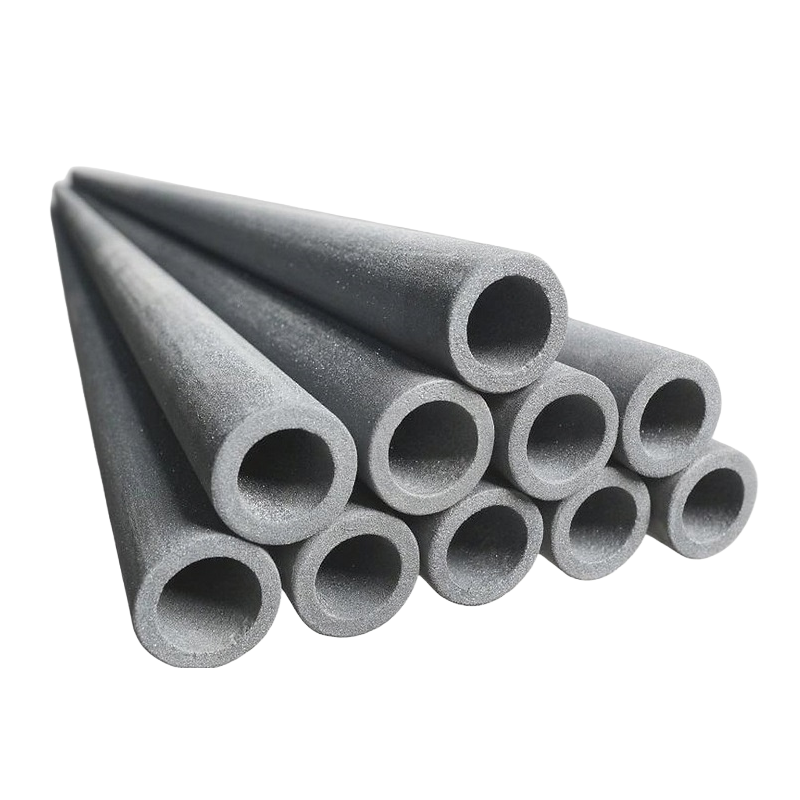
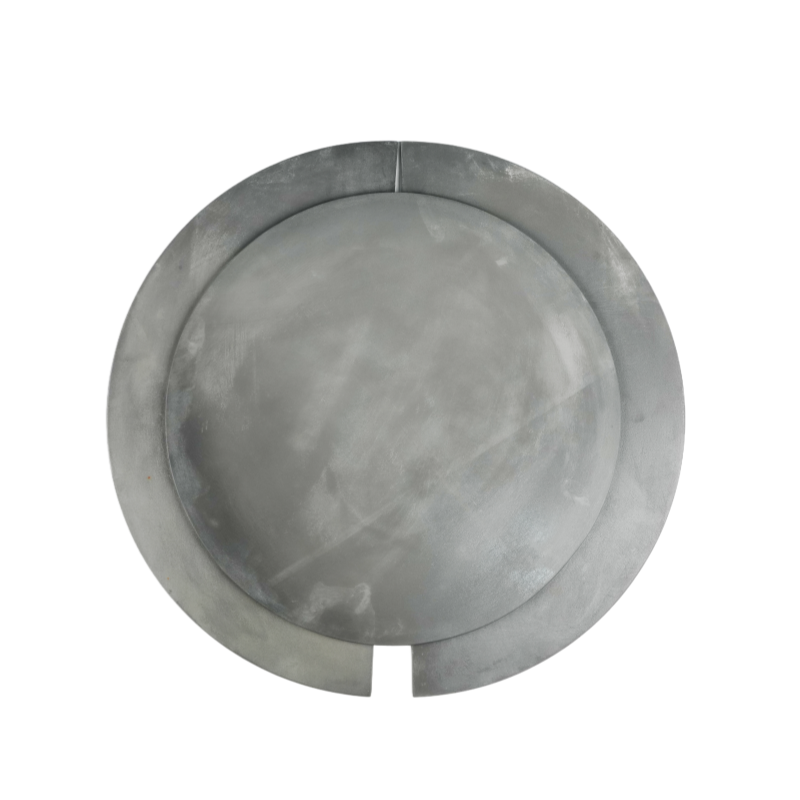
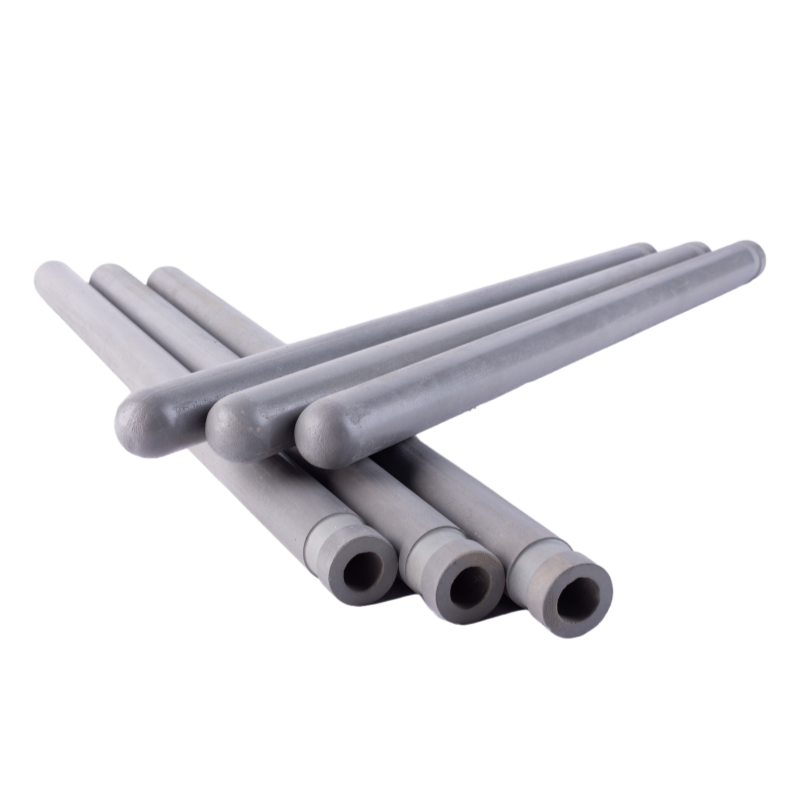
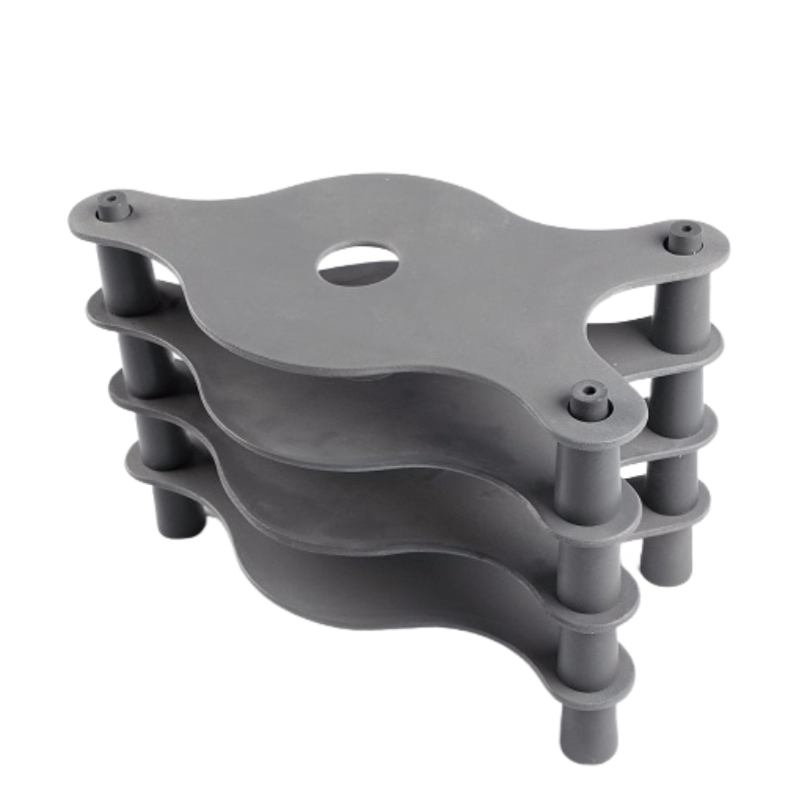
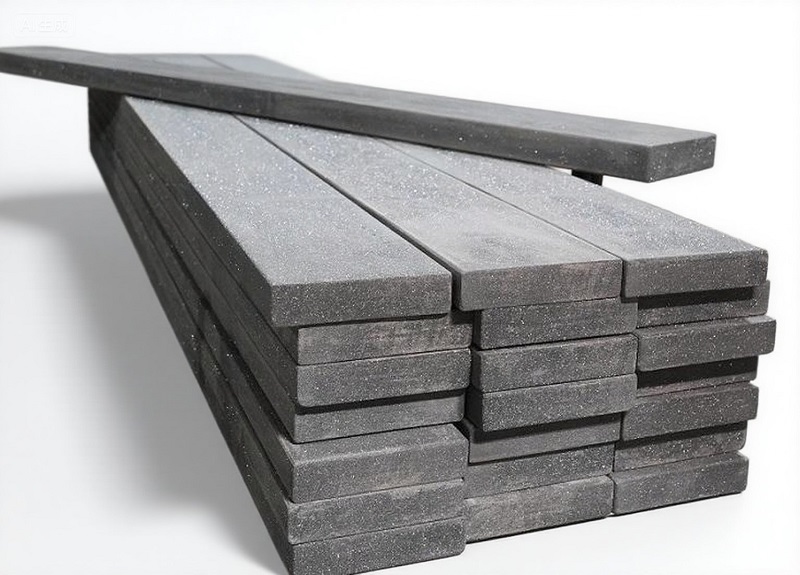
Furniture for Ultra-High Temperature Kilns: Such as pusher plates, radiant tubes, and beams for sintering rare earths, phosphors, magnetic materials, or ceramic powders. In these inert or vacuum environments near or exceeding 1500°C, RSiC is irreplaceable.
Applications Requiring High Thermal Conductivity and Thermal Shock Stability: Such as gas radiant tubes, efficient heat exchangers, where the material needs to conduct heat rapidly and withstand severe temperature changes.
Environments Requiring Extreme Purity: As it contains no metallic or oxide impurities, RSiC prevents product contamination, making it suitable for sintering high-quality electronic materials or precision ceramics.
In a nutshell: Choose pure RSiC when temperature is your primary concern.
Prefer 【Silicon Nitride-Bonded SiC (NSiC)】when:
Your application's core challenges are "oxidation/corrosion" and "mechanical wear".
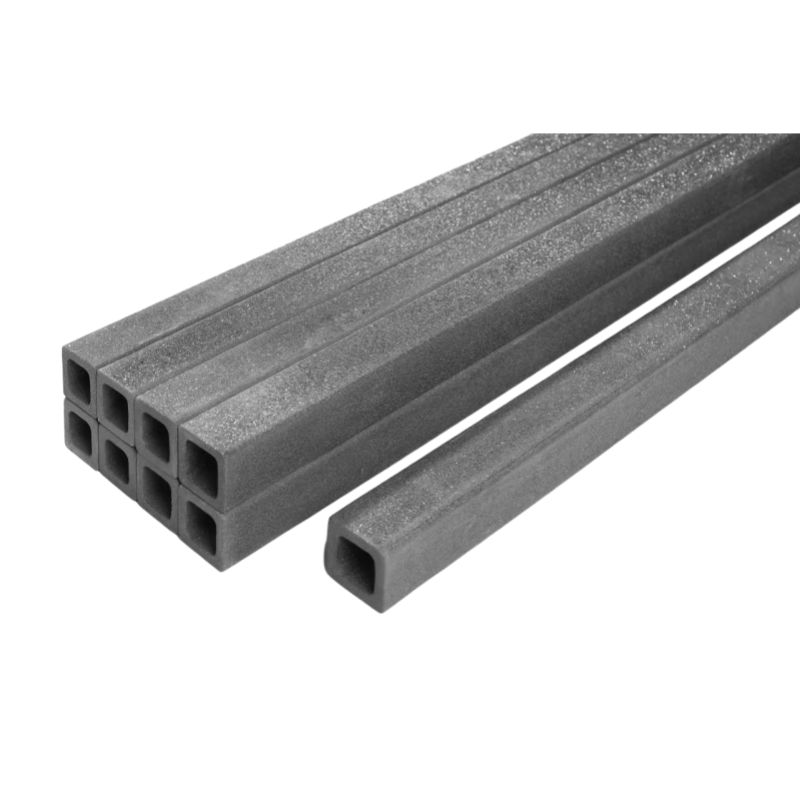
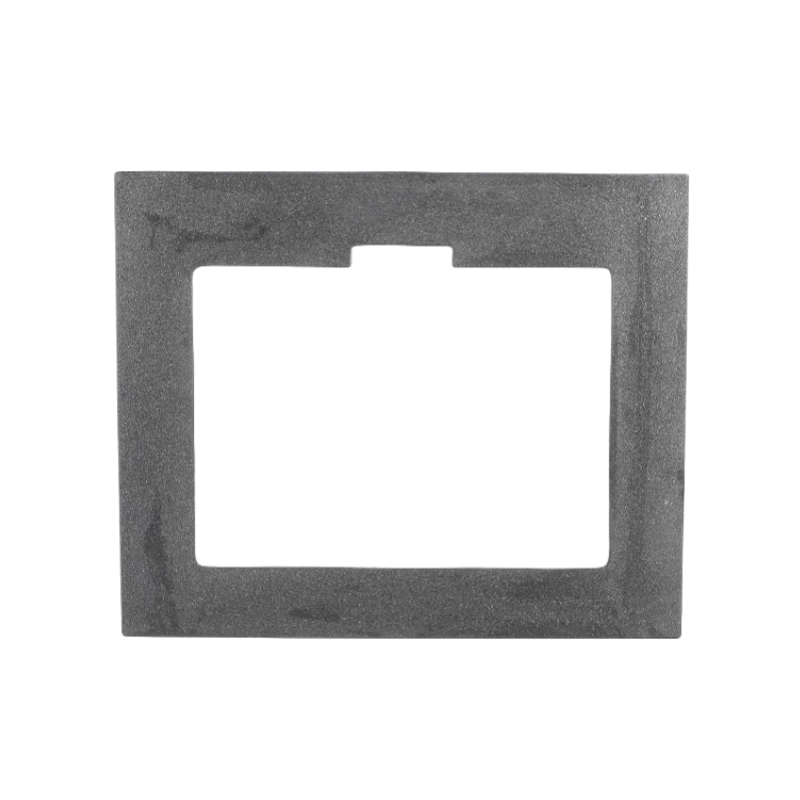
Mid-to-High Temperature Kilns with Oxidizing Atmospheres: Such as kiln furniture (shelves, supports) for firing tableware, sanitaryware, or electrical porcelain. In oxidizing atmospheres around 1300°C, the protective layer formed by Si₃N₄ gives it a much longer service life than RSiC.
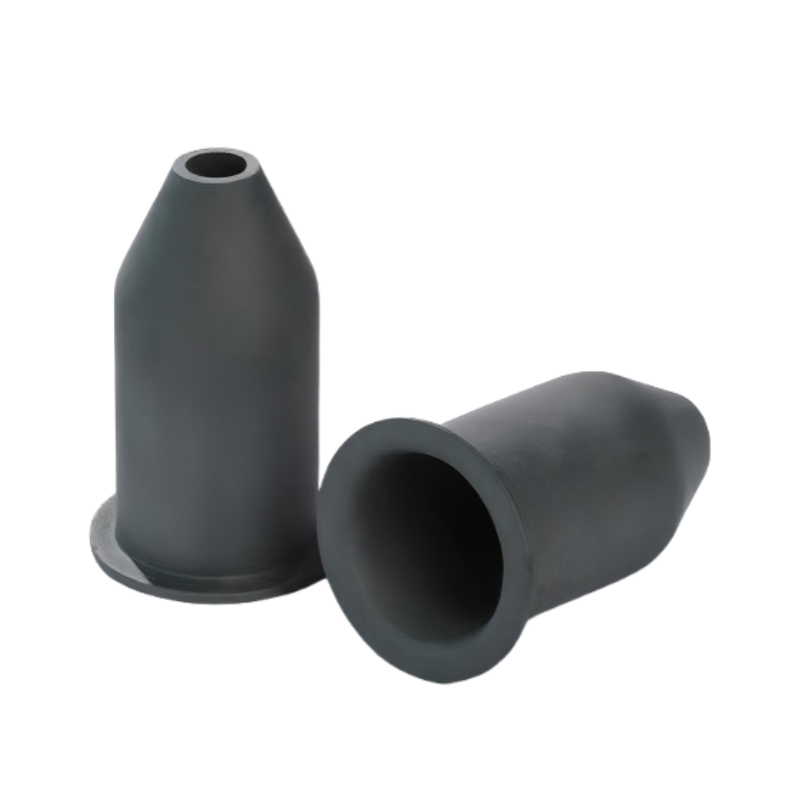
Wear-Resistant Components: Such as slurry pump parts, flue gas seal rings, nozzles. Its high strength and toughness provide excellent wear resistance.
Highly Corrosive Environments: In molten metals like aluminum, zinc, copper, or in certain chemical corrosive media, the Si₃N₄ bond phase offers exceptional corrosion resistance.
High-Load Structural Parts: Due to its higher mechanical strength, it is very suitable for manufacturing large-sized, heavy-load kiln furniture that is less prone to bending or deformation.
In a nutshell: Choose robust NSiC when oxidation, wear, and corrosion are your main concerns.
Final Considerations
| Selection Dimension | Questions to Ask Yourself |
|---|---|
| Operating Temperature | What is my actual operating temperature? Is it consistently above 1400°C? |
| Atmosphere | Is the furnace atmosphere oxidizing, reducing, or inert? |
| Primary Challenge | Is my biggest problem high-temperature deformation, oxidation, corrosion, or wear? |
| Budget/Cost | NSiC often has a slightly higher manufacturing cost, but its longer lifespan may lead to a lower total cost of ownership. |
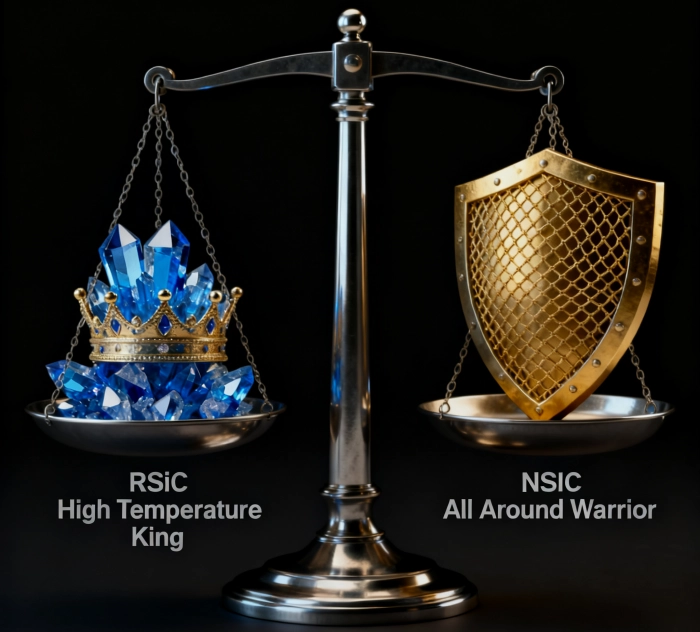 Recrystallized Silicon Carbide (RSiC) is like the "Lone Master" born for extreme temperatures, pure and stable.
Silicon Nitride-Bonded Silicon Carbide (NSiC) is like the "Versatile Warrior" adept in complex environments, robust and durable.
There is no absolute "better," only "more suitable." We hope this blog helps clear the fog, enabling you to make the most economical and effective choice based on your specific working conditions. If you have more detailed questions, please feel free to consult professional material suppliers who can provide more targeted advice.
[Contact us to Inquire or Order] or [Call Our Hotline].
We can also accommodate your needs even for small quantity orders.Click Here to Visit Our Official Retail Site and Explore Product Details Now!——kilnshelves-sic.com
