

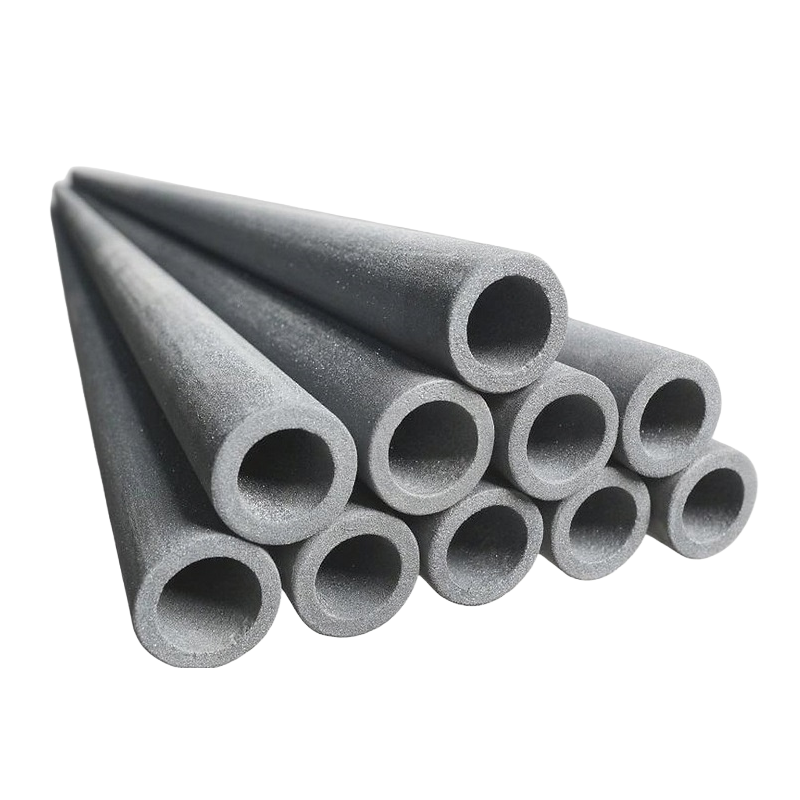
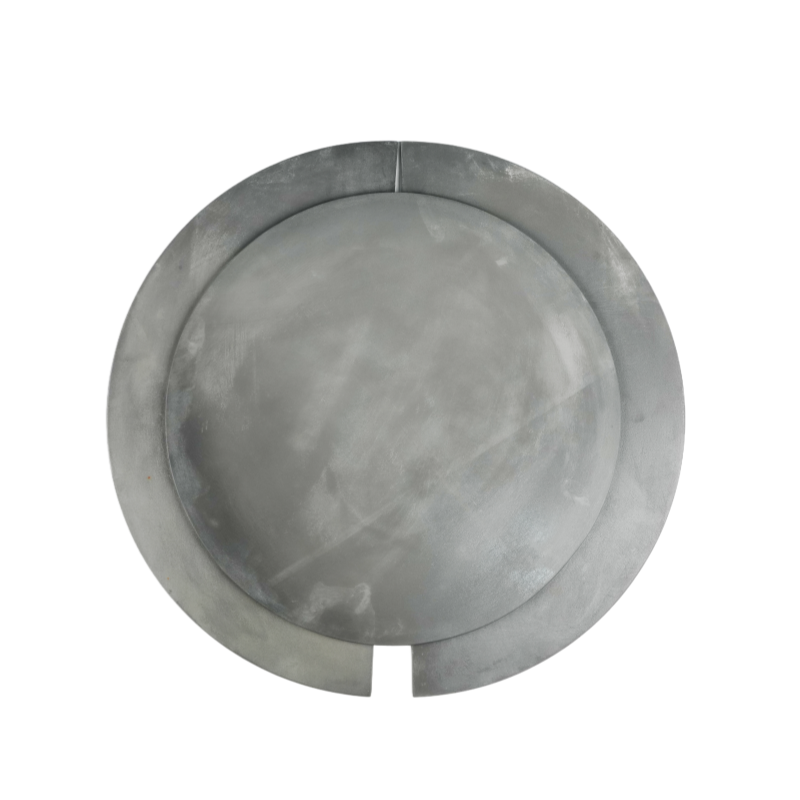
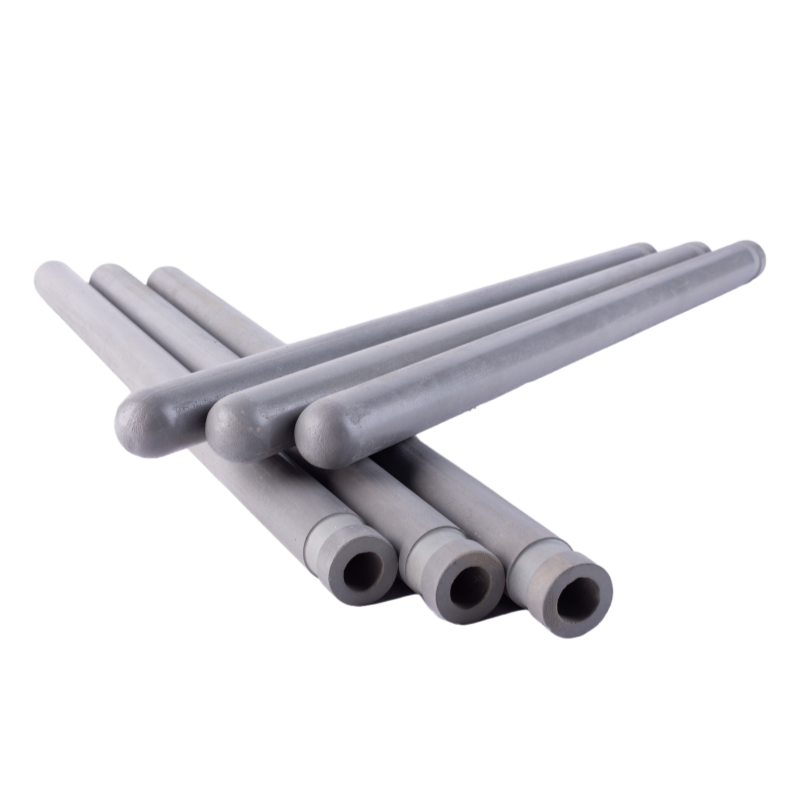
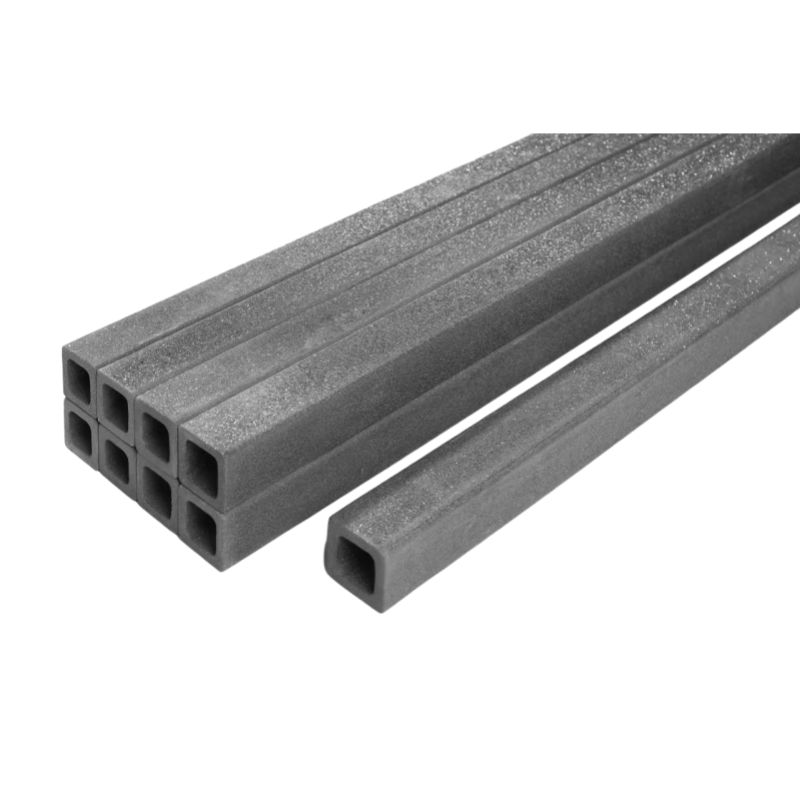
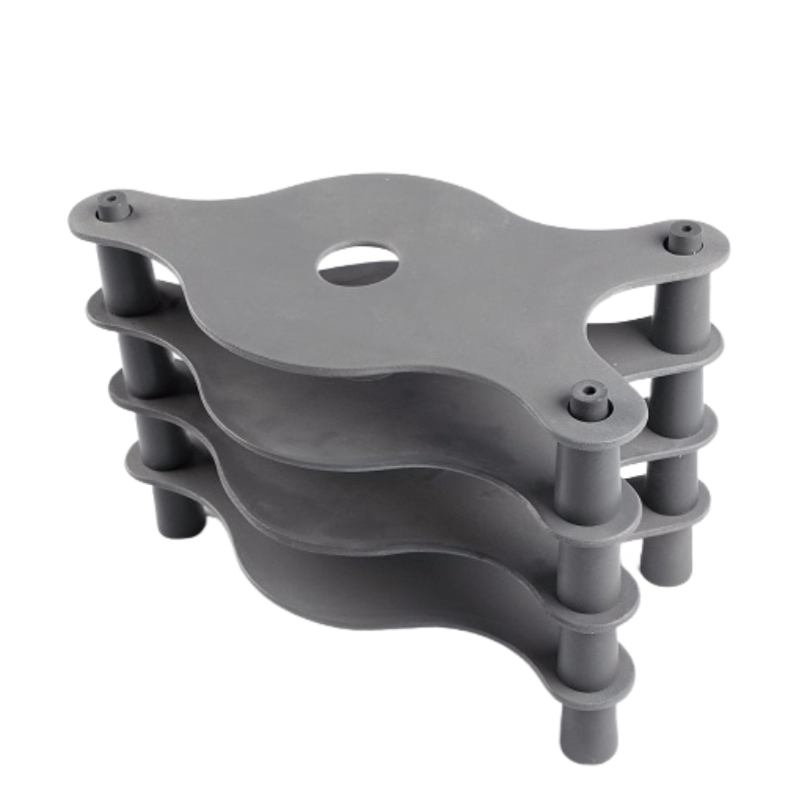
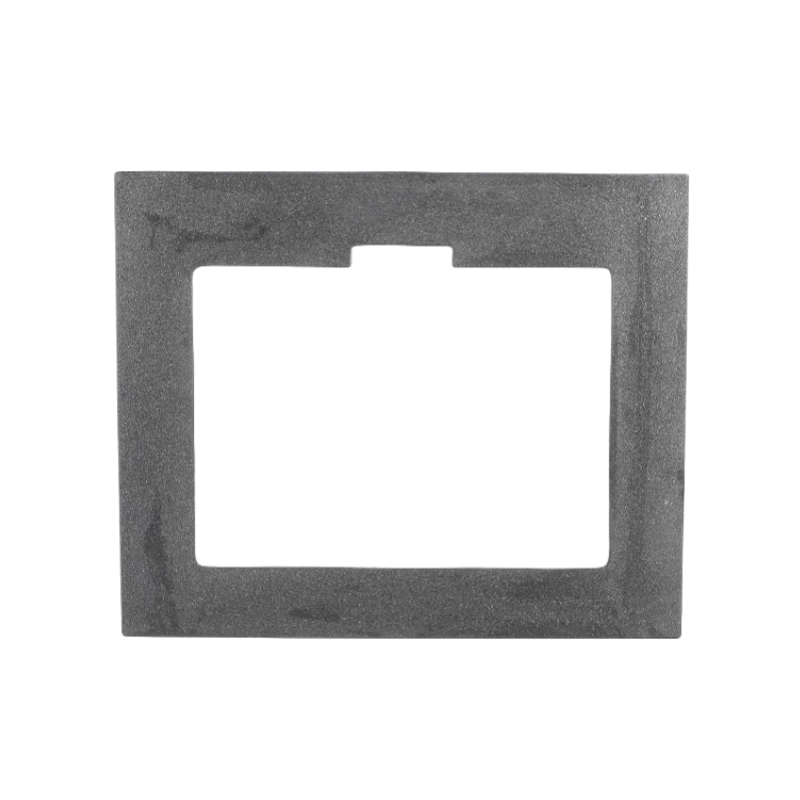
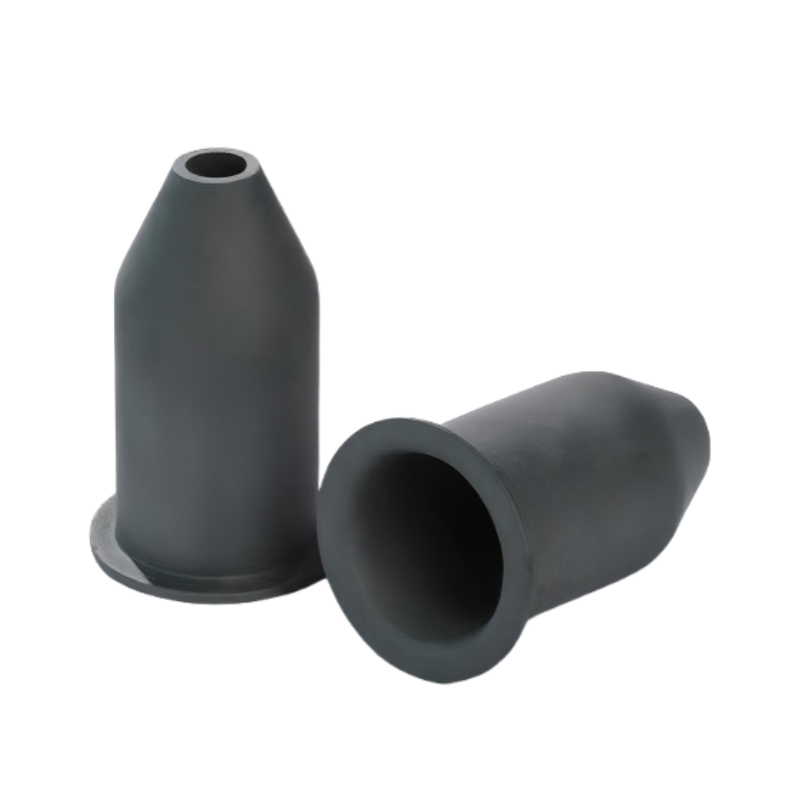
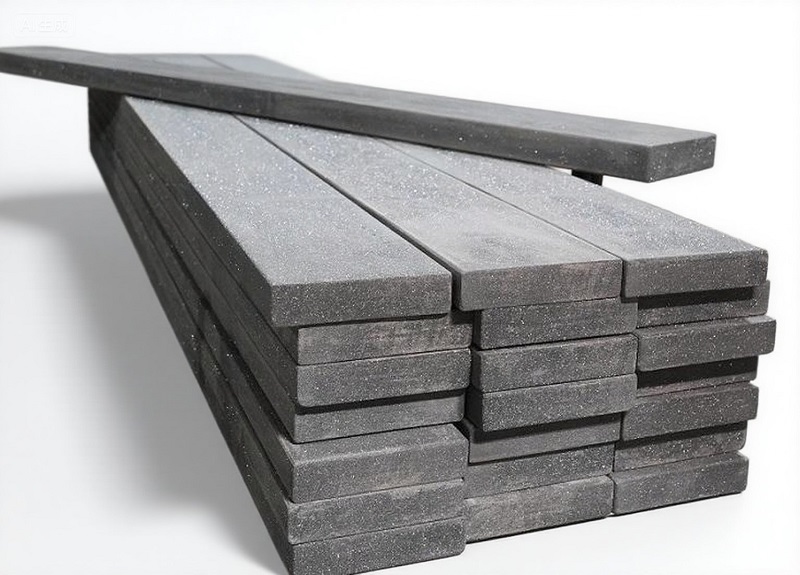
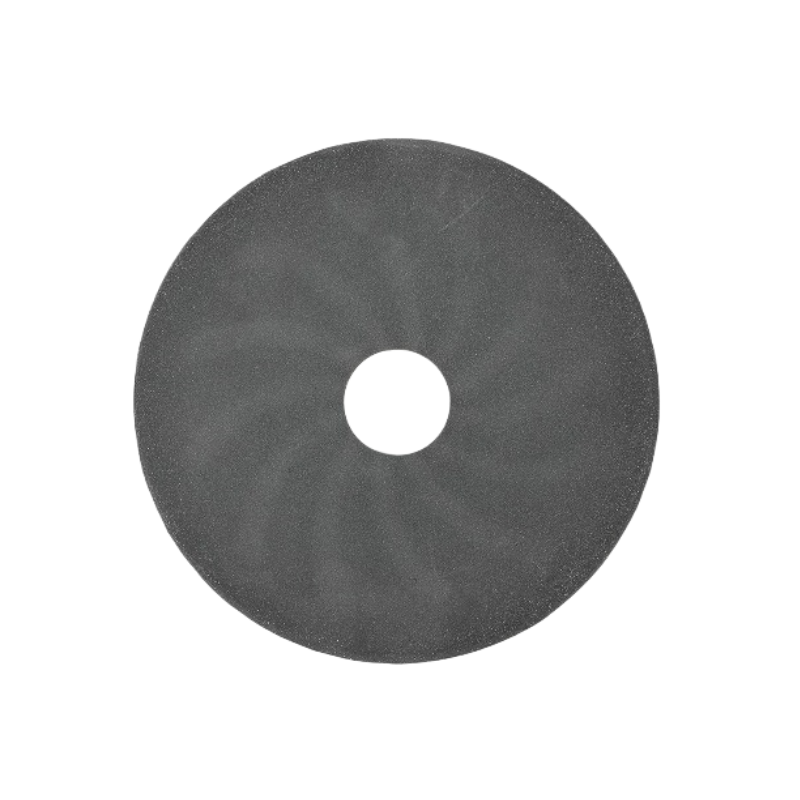
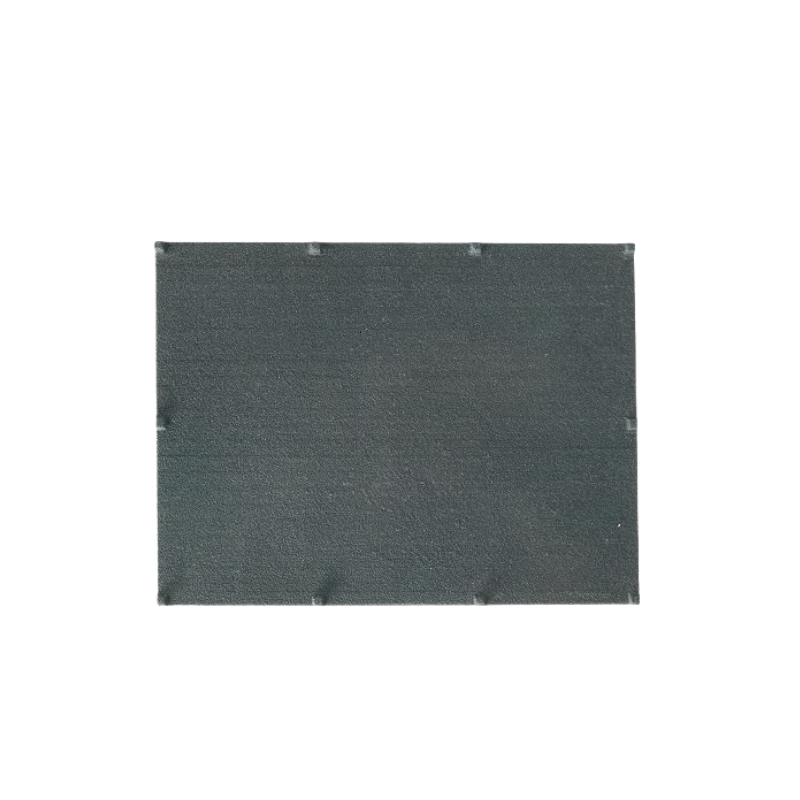
In the fields of ceramics, electronics, or metallurgy, where extreme precision is pursued, you are likely already familiar with the renowned reputation of silicon carbide (SiC) kiln furniture—it's known for its high-temperature resistance, high strength, and fast thermal conductivity. But have you ever noticed that some high-performance silicon carbide kiln furniture features a uniform and fine porous structure on its surface or within its body?
These pores are by no means manufacturing defects. On the contrary, they are the result of a "smart design" based on precise calculations—an invisible black tech that enhances the performance of silicon carbide kiln furniture.
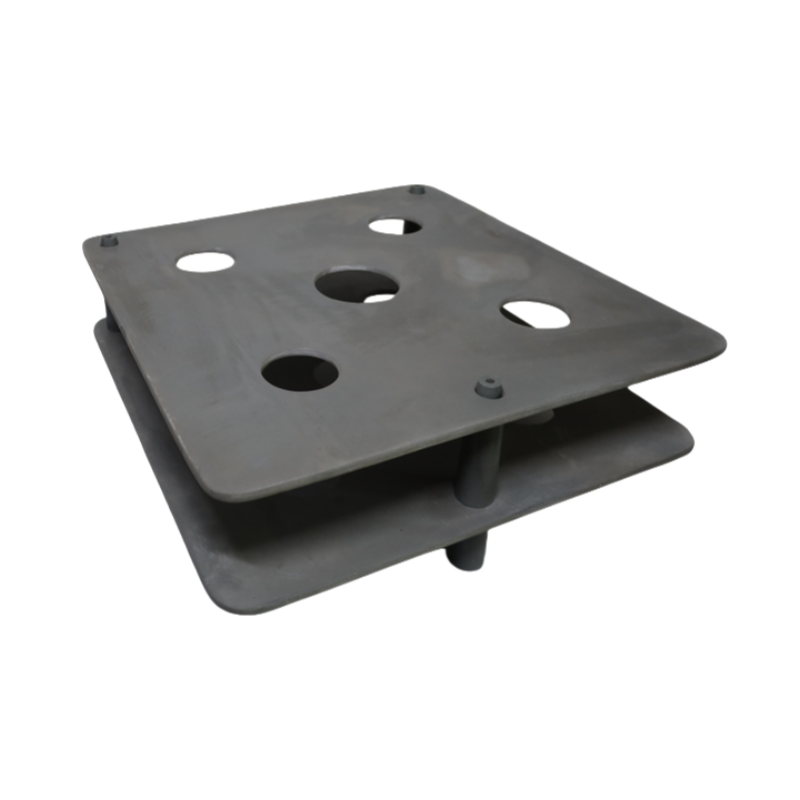
Today, we unveil the profound knowledge hidden behind these tiny pores.
一、Not a Defect, But "Breathing": The Core Functions of the Porous Structure
This porous structure essentially gives the kiln furniture "life," allowing it to actively "breathe" and "regulate" within the harsh kiln environment. Its main advantages are as follows:
1. Enhanced Thermal Shock Resistance, Eliminating Cracking Risks
Principle: Kiln furniture undergoes drastic temperature changes during firing, causing the material to expand and contract. If the resulting stress cannot be released, it can lead to cracking. The porous structure acts like countless tiny "buffer air cushions" within the material, effectively absorbing and dispersing this thermal stress.
Analogy: Imagine a solid glass plate that can easily crack when suddenly heated, whereas a foam glass block is more resistant. The porous structure gives silicon carbide similar "toughness."
Effect: Significantly improves the kiln furniture's ability to withstand rapid heating and cooling, extends its service life, and is particularly suitable for fast-firing processes.
2. Improved Thermal Insulation, Achieving Energy Savings
Principle:Static air is an excellent thermal insulator. These uniformly distributed micropores are filled with air, creating an efficient thermal barrier.
Effects:
Protects the Kiln Structure: When porous silicon carbide is used as supports or setters, it reduces heat transfer to the kiln car or base structure, protecting the kiln infrastructure and extending its lifespan.
Energy Savings and Cost Reduction: Reducing heat loss means less energy is required to maintain the target temperature, directly lowering production costs.
Temperature Uniformity: Helps slow heat loss and promotes a more uniform temperature distribution within the kiln.
3. Significant Weight Reduction, Improving Loading Efficiency
Principle: The presence of pores directly reduces the amount of material used, thereby reducing the kiln furniture's own weight.
Effects:
Reduced Energy Consumption: Moving and heating lighter kiln furniture inherently requires less energy.
Increased Load Capacity: For kiln cars and support systems, a lighter self-weight means that, under the same load-bearing limit, more products can be loaded, directly increasing yield per firing cycle.
Easier Handling: Reduces the physical strain on workers.
4. Optimized Airflow and Atmosphere, Ensuring Product Quality
Principle: In specific processes (such as sintering requiring a protective atmosphere), the porous structure can act as a functional airflow distributor, allowing the heat flow or protective gas to penetrate and surround the products more evenly.
Effect: Helps eliminate local temperature differences, ensures a consistent atmosphere throughout the kiln, thereby guaranteeing stable firing quality for every product and reducing defects like color variation and deformation.
二、How Is It Made? Unveiling the Birth of the Porous Structure
This porous structure isn't formed by accident; it's achieved through precise manufacturing techniques. The most common method is the "Addition of Pore-Forming Agents":
A specific proportion and particle size of pore-forming agents (e.g., plastic microspheres, sawdust, starch) are mixed into the raw materials (SiC grains, powder, and binders) used to make the silicon carbide kiln furniture.
The mixture is pressed into the desired kiln furniture shape.
During high-temperature sintering, these pore-forming agents burn out or volatilize, leaving behind uniformly distributed, size-controlled pores in their place.
By controlling the type, amount, and particle size of the pore-forming agents, manufacturers can precisely tailor the final product's porosity, pore size, and strength to meet the specific requirements of different applications.
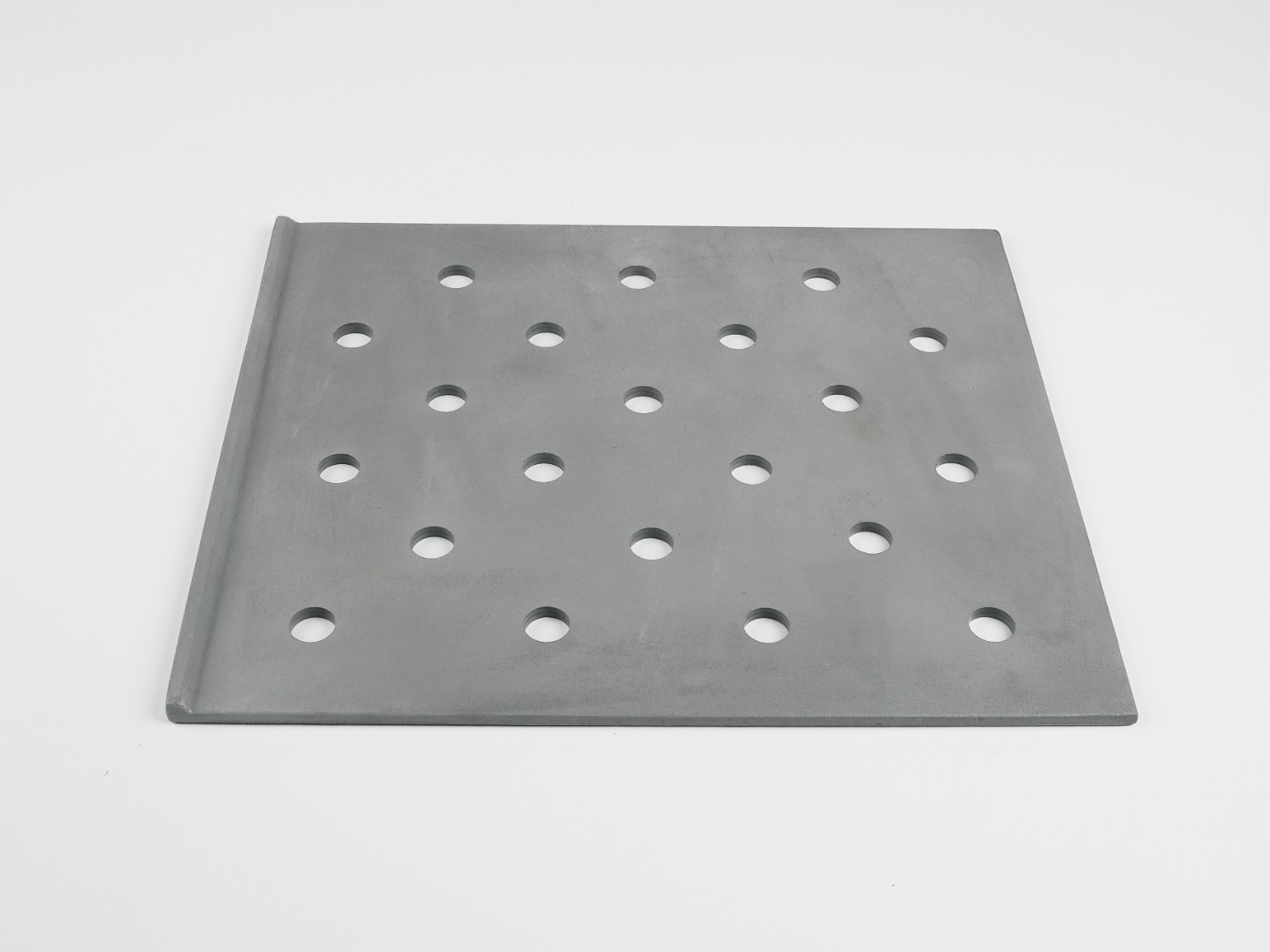
三. The Trade-Off: Porous is Not a Panacea
Of course, there's no such thing as a free lunch. While the porous structure offers numerous benefits, it also comes with certain trade-offs:
Slight Sacrifice in Strength: Although silicon carbide itself has high strength, the porous structure inevitably reduces its mechanical strength to some extent. Therefore, for applications requiring extremely heavy loads (e.g., very high stacking in the kiln), solid or dense silicon carbide remains the preferred choice.
Durability Considerations: Open surface pores might be slightly more susceptible to impurity infiltration over long-term use, although this effect is usually minimal.
Conclusion: The Choice Depends on Your Process Needs
Porous silicon carbide kiln furniture is an ideal choice when your process meets one or more of the following conditions:
You require rapid heating and cooling rates.
You are highly concerned about energy costs and wish to save energy.
You need to reduce the kiln furniture's weight to increase loading capacity.
You have extremely high requirements for temperature uniformity and airflow distribution inside the kiln.
Conversely, if your primary need is to carry tons of products or withstand exceptionally harsh mechanical stress, dense silicon carbide might be more suitable.
In summary, the porous structure on silicon carbide kiln furniture is a testament to the perfect integration of materials science and engineering. It teaches us that sometimes, "leaving space" rather than "filling completely" is the wiser path to achieving higher performance. When selecting kiln furniture, pay attention to this detail—it could become your secret weapon for improving product quality and production efficiency.
[Contact us to Inquire or Order] or [Call Our Hotline].
We can also accommodate your needs even for small quantity orders.Click Here to Visit Our Official Retail Site and Explore Product Details Now!——kilnshelves-sic.com
