

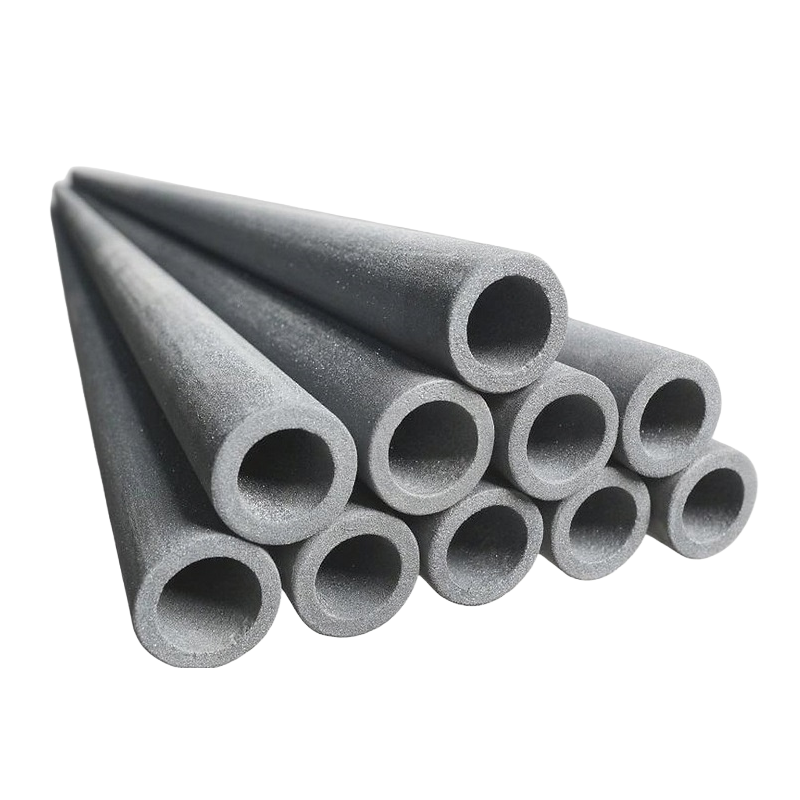
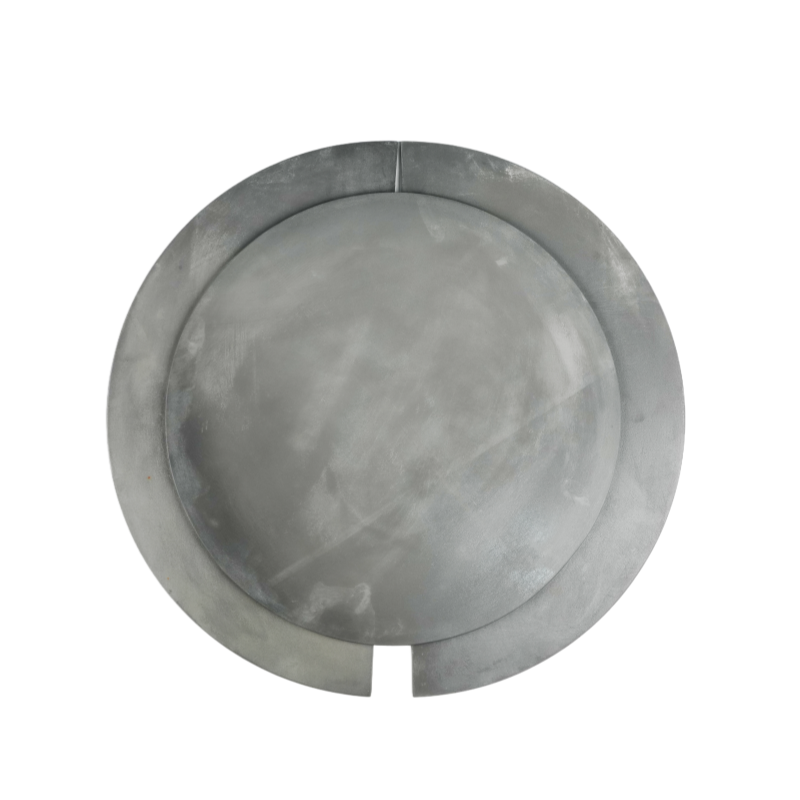
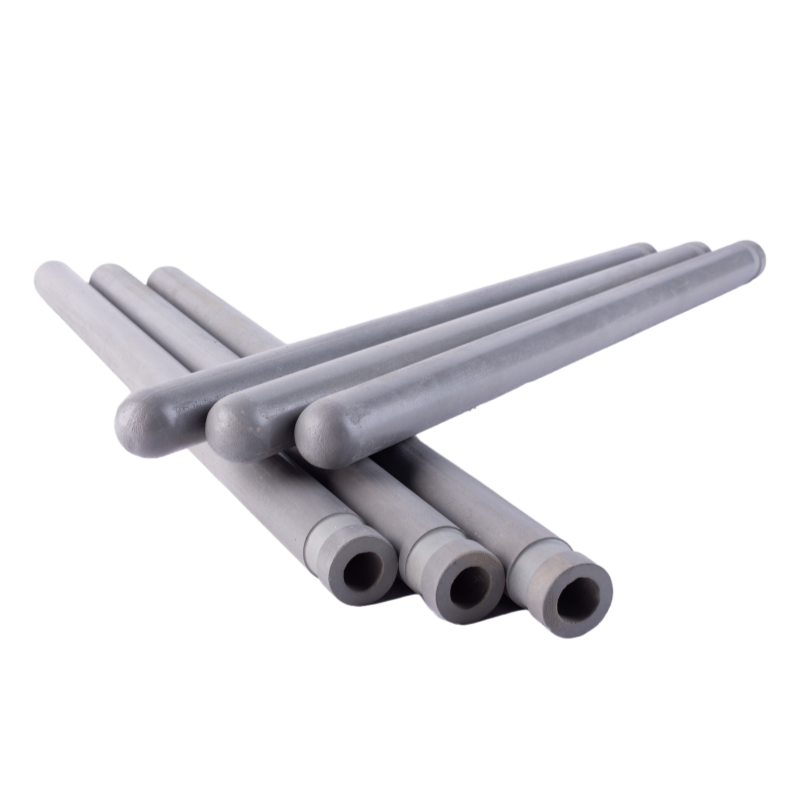
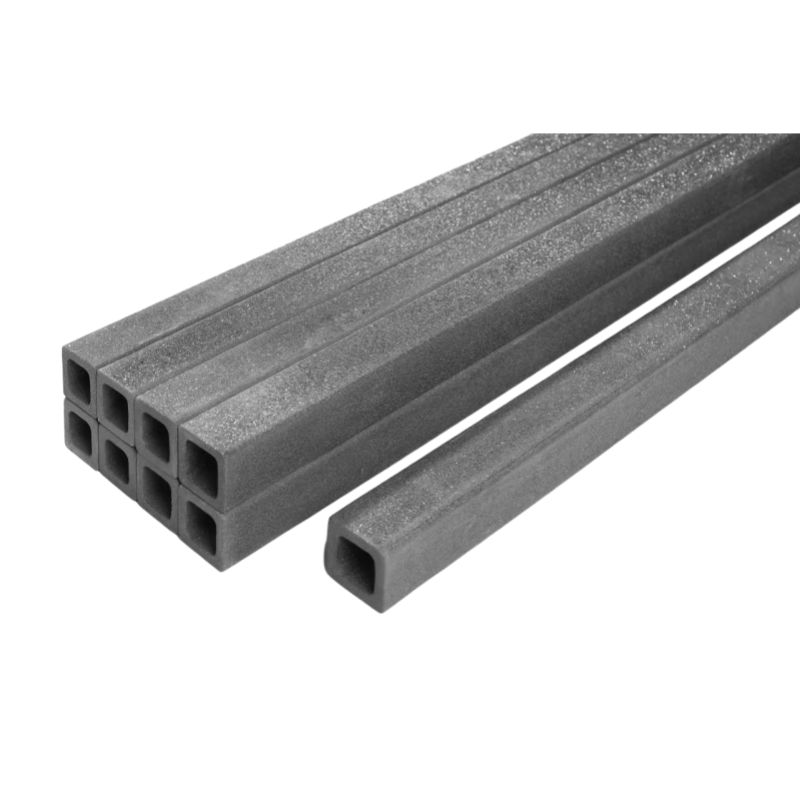
Abstract: In the face of persistently rising global energy costs and the pressure to meet "dual carbon" targets, the energy consumption of industrial kilns has become a critical bottleneck constraining manufacturing profits. This article, data-driven at its core, reveals how silicon carbide (SiC) kiln furniture reconstructs the economics of high-temperature sintering from three key dimensions: thermal efficiency, service life, and total cost of ownership. It aims to help enterprises in sectors like electronic ceramics and new energy materials achieve their transformation goal of reducing energy consumption by 20%-30%.
1. The Pain of Energy Consumption: Traditional Kiln Furniture is "Stealing" Your Profits
In industries such as electronic ceramics, lithium battery materials, and structural ceramics, the high-temperature sintering process typically accounts for 60%-70% of total production energy consumption. Many companies still use traditional refractory kiln furniture like alumina or ZrO₂, unaware that it has become a hidden energy drain:
Low Thermal Conductivity: Heat transfers slowly within the furniture, leading to extended heating times.
High Heat Capacity: A significant amount of thermal energy is stored in the furniture itself rather than being used for product sintering.
Short Service Life: Frequent replacement causes production interruptions and generates high disposal costs.
Take, for example, an electronic ceramic substrate manufacturer. Using original alumina furniture at 1650°C, the average firing cycle was 22 hours, with a unit product energy consumption of 1.8 kWh/kg. With rising energy prices, the energy cost of this single process already constituted 18% of the product's total cost.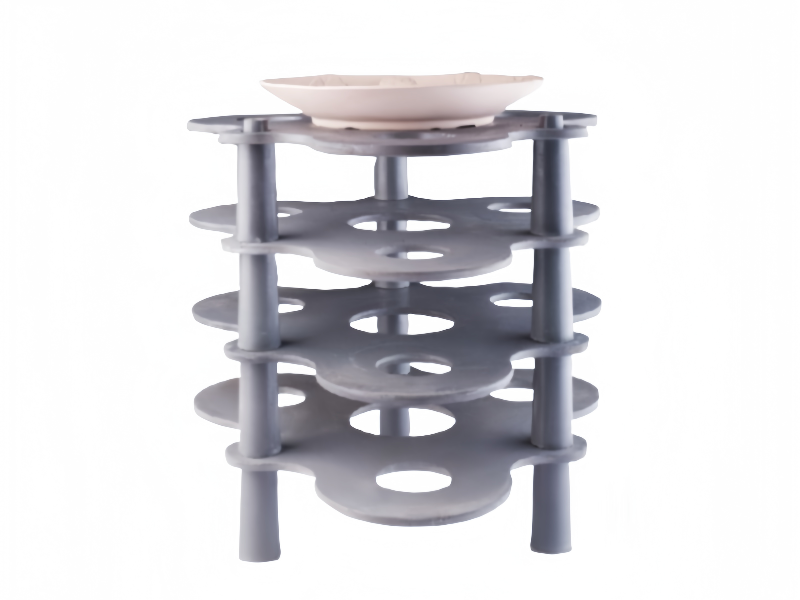
2. Data Comparison: How Silicon Carbide Kiln Furniture Reconstructs Thermal Efficiency
1. Overwhelming Advantages in Physical Properties
| Performance Indicator | Alumina Kiln Furniture | zirconia Kiln Furniture | Recrystallized SiC (R-SiC) Kiln Furniture |
|---|---|---|---|
| Thermal Conductivity (1400°C, W/m·K) | 20-30 | 2-3 | 80-150 |
| High-Temperature Flexural Strength (1400°C, MPa) | 300 - 400 | 800 - 1200 | 400 - 600 |
| Coefficient of Thermal Expansion (×10⁻⁶/K) | 7 - 8 | 10 - 11 | 4.5-4.8 |
| Maximum Service Temperature (°C) | 1500 - 1600 | 约1000 | 1650 (Long-term) |
Key Insights:
6-8 Times Higher Thermal Conductivity: Heat diffuses uniformly throughout the kiln at "light speed," reducing the time to reach setpoint temperature by 25%-35%.
2-3 Times Higher High-Temperature Strength: Furniture can be designed thinner and lighter (30%-50% weight reduction), further lowering heat storage losses.
Low Thermal Expansion: Exceptional thermal shock resistance allows for rapid heating and cooling cycles (e.g., ≥100°C/min), enabling process innovation.
2. Direct Quantifiable Benefits for Energy Consumption and Efficiency
Calculation Model (Based on a tunnel kiln with an annual output of 1000 tons of electronic ceramics):
Original Scenario (Alumina Furniture):
Firing Cycle: 22 hours
Annual Effective Operating Hours: 7200 hours
Annual Output: 1000 tons
Unit Energy Consumption: 1.8 kWh/kg
Annual Total Energy Consumption: 1,800,000 kWh
After Adopting Silicon Carbide Furniture:
Firing Cycle Shortened to 15 hours (31.8% reduction)
Reduced furniture heat storage and improved thermal efficiency lower unit energy consumption to 1.35 kWh/kg (25% reduction)
Annual Total Energy Consumption: 1,350,000 kWh
Annual Electricity Savings: 450,000 kWh
At an industrial electricity price of 0.8 CNY/kWh, Annual Direct Energy Cost Savings: 360,000 CNY.
3. Total Cost of Ownership Analysis: Why is the "More Expensive" Silicon Carbide Actually More Cost-Effective?
Customers often hesitate due to the higher initial investment for silicon carbide kiln furniture. Let's calculate the total cost:
| Cost Item | Alumina Kiln Furniture | Silicon Carbide (R-SiC) Kiln Furniture |
|---|---|---|
| Single Purchase Cost | 1 (Set as baseline) | 2.5 - 3 |
| Average Service Life | 6-12 months | 5 - 8 years |
| Replacement Frequency | 1-2 times per year | Once every 5-8 years |
| Production Loss per Replacement | ~2 days of production time | Negligible |
| 5-Year Total Purchase Cost | 5 - 10 times baseline cost | 0.3 - 0.6 times baseline cost |
| 5-Year Energy Savings (See example above) | 0 | ≥1.8 million CNY |
Payback Period Calculation:
Additional Initial Investment: Assume 500,000 CNY.
Annualized Benefit: Energy savings 360,000 CNY + increased production from reduced downtime ~100,000 CNY = 460,000 CNY.
Simple Payback Period: Approximately 1.1 years (13 months).
5-Year Net Benefit: Over 1.8 million CNY.
Conclusion: Silicon carbide kiln furniture represents a capital investment yielding long-term returns, not a consumable expense.
[Contact us to Inquire or Order] or [Call Our Hotline].
We can also accommodate your needs even for small quantity orders.Click Here to Visit Our Official Retail Site and Explore Product Details Now!——kilnshelves-sic.com
