

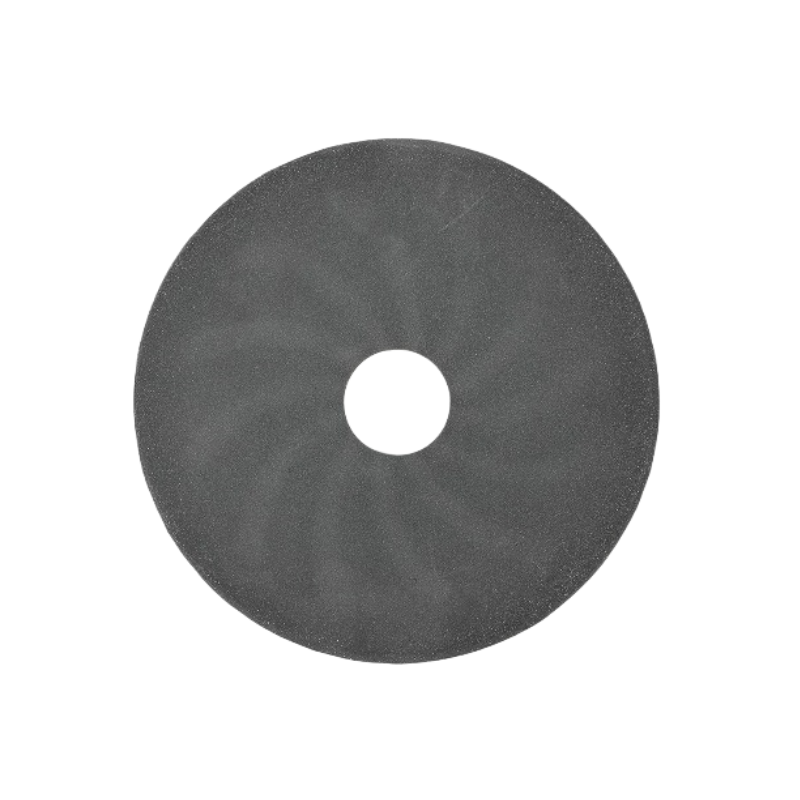
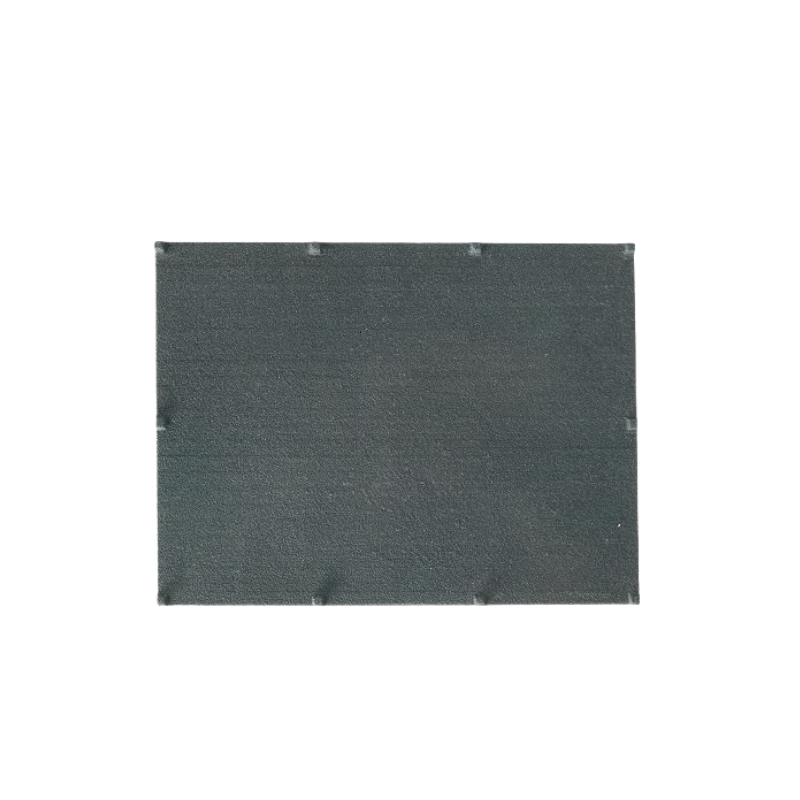
At the heart of modern industrial kilns lies an extreme environment characterized by high temperatures, heavy loads, and chemical corrosion. Here, ordinary metal materials may soften and deform, while traditional ceramic materials can become brittle and fail. Yet, one exceptional material—silicon carbide rollers—has become the "invisible backbone" supporting this high-temperature world, thanks to its extraordinary properties.
Today, we will delve into why silicon carbide rollers have become indispensable components in many high-end kilns and how they empower various industries to achieve more efficient and higher-quality production.
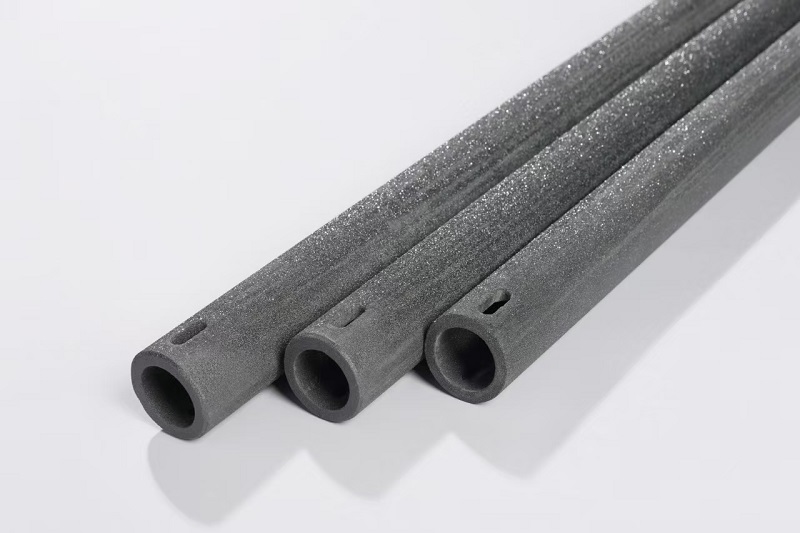
1. What Are Silicon Carbide Rollers?
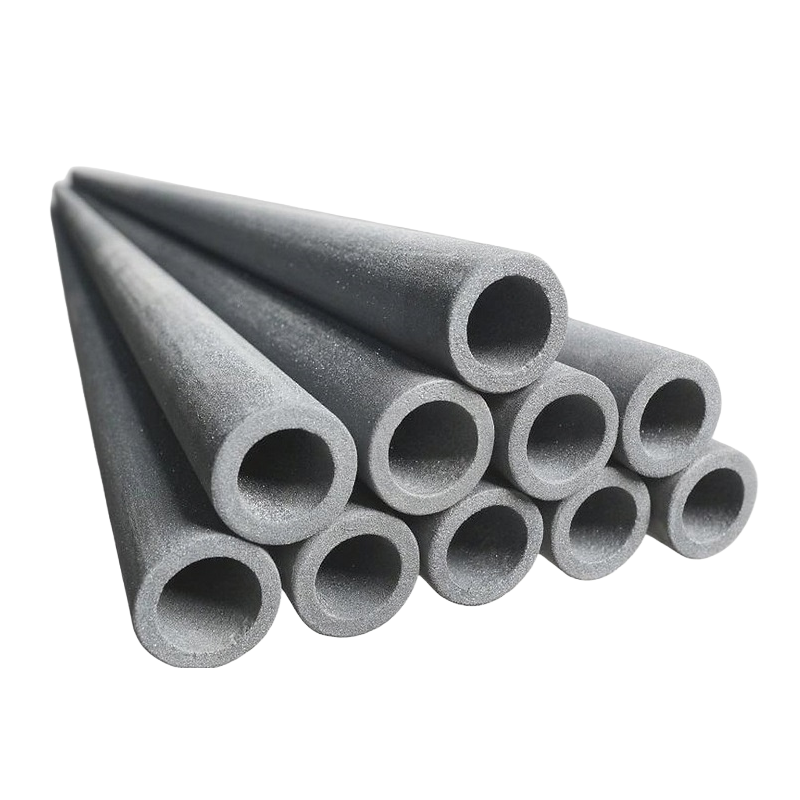
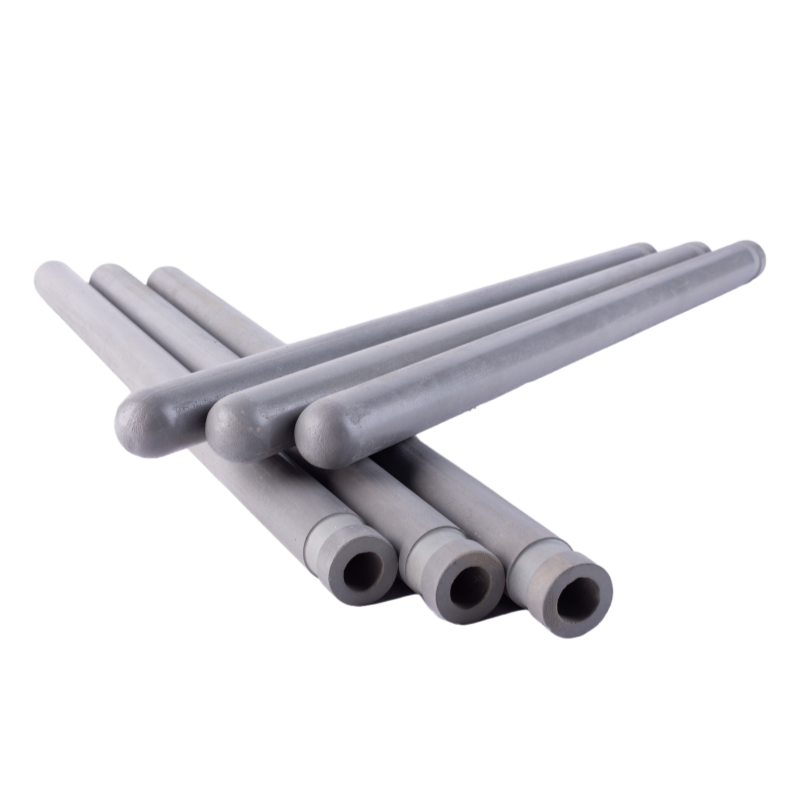
Silicon carbide rollers are refractory components, typically long cylindrical shapes, made from silicon carbide, an advanced ceramic material. They are not composed of a single type of SiC but are manufactured through advanced processes such as recrystallization sintering, reaction bonding, or silicon nitride bonding, forming a robust network of SiC crystals.
This unique microstructure endows silicon carbide rollers with a combination of properties that are nearly ideal for kiln applications.
2. Exceptional Properties of Silicon Carbide Rollers: Why Are They the "Ideal Skeleton" for Kilns?
Exceptional High-Temperature Load-Bearing Capacity
Performance: Silicon carbide rollers maintain extremely high mechanical strength at temperatures up to 1600°C, with high-temperature flexural strength far surpassing most refractory materials. This means they can support heavy kiln products (such as tiles, sanitary ware, magnetic materials, etc.) at high temperatures without bending or breaking.
Comparison: In contrast, metal rollers may soften and sag at high temperatures, while other ceramic rollers may suffer brittle fracture under heavy loads.
Outstanding Thermal Shock Resistance
Performance: Silicon carbide rollers can withstand rapid temperature changes without cracking. Whether during rapid heating in the kiln preheating stage or rapid cooling when products are unloaded, they perform reliably.
Value: This characteristic significantly extends the service life of the rollers and allows for more flexible kiln operation processes, improving production efficiency.
High Thermal Conductivity
Performance: Silicon carbide is an excellent thermal conductor, with a thermal conductivity coefficient much higher than other refractory materials.
Value: In roller hearth kilns, where the rollers rotate, their high thermal conductivity helps transfer heat to the fired products more quickly and evenly, reducing temperature gradients within the kiln. This improves the consistency of product firing quality and can also contribute to energy savings.
Excellent Oxidation Resistance and Chemical Corrosion Resistance
Performance: At high temperatures, a dense silicon dioxide protective layer forms on the surface of silicon carbide rollers, effectively preventing further oxidation of the internal material. Additionally, they exhibit strong resistance to both acidic and alkaline atmospheres.
Value: This makes them particularly suitable for use in kilns with complex or variable atmospheres, such as in the sintering of lithium battery materials or electronic ceramics, ensuring long-term stability.
High Wear Resistance and Long Service Life
Performance: Silicon carbide itself is extremely hard, second only to diamond and cubic boron nitride. This makes the roller surface highly wear-resistant, capable of withstanding long-term friction from the transmission system and slight scraping from products.
Value: A long service life means lower replacement frequency and maintenance costs. Although the initial investment is higher, the life-cycle cost-effectiveness is very compelling.
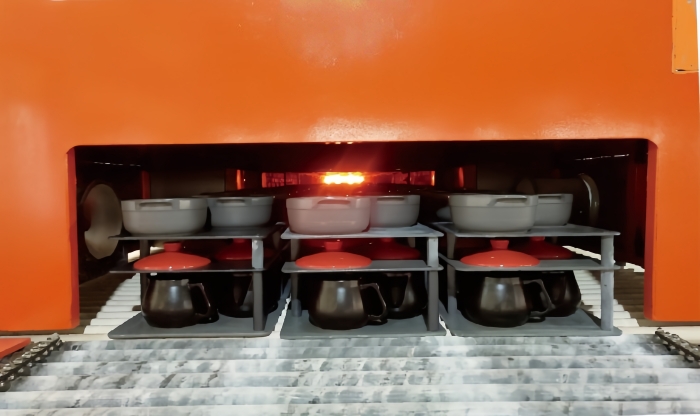
3. Core Application Scenarios for Silicon Carbide Rollers
Silicon carbide rollers are absolutely essential in the following types of kilns:
Roller Hearth Kilns: This is the most classic application for silicon carbide rollers. Numerous rollers are arranged in parallel and, through their own rotation, carry products placed on them smoothly through various temperature zones of the kiln, completing the entire process of preheating, firing, and cooling. Widely used in:
Building Ceramics: Firing of tiles and glazed tiles.
Sanitary Ceramics: Firing of toilets and washbasins.
Daily-Use Ceramics: Fast firing of tableware.
Magnetic Materials: Sintering of magnetic components like ferrites.
Lithium Battery Cathode Materials: Sintering processes.
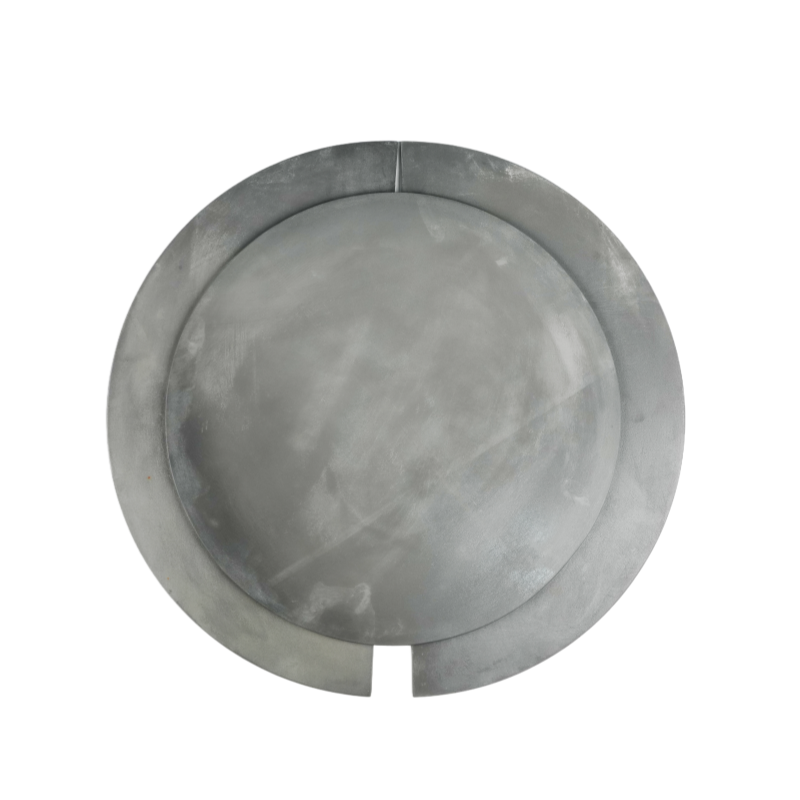
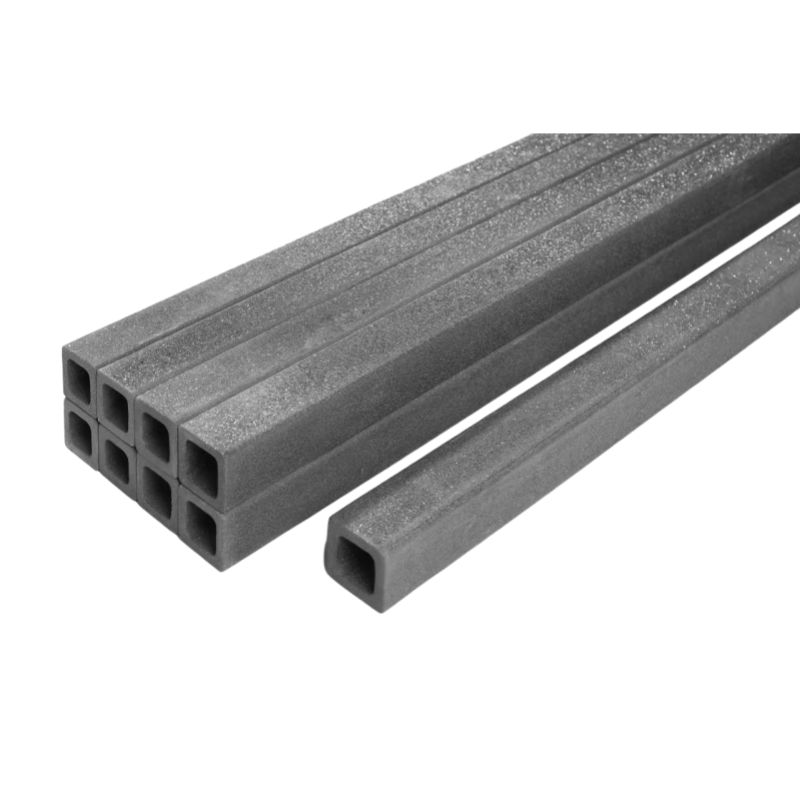
Shuttle Kilns, Car Bottom Kilns: In these periodic kilns, silicon carbide rollers are often used as load-bearing beams for the kiln car deck, supporting refractory slabs that carry the products. They must withstand mechanical vibrations during kiln car movement and repeated thermal cycling.
4. Key Points for Selecting and Using Silicon Carbide Rollers
Precise Selection: Choose the appropriate type of silicon carbide roller (e.g., recrystallized silicon carbide, reaction-bonded silicon carbide) and diameter based on the kiln's maximum operating temperature, load-bearing requirements, kiln atmosphere (oxidizing or reducing), and the span of the rollers.
Correct Installation: Ensure the rollers are installed level, and the seals between the rollers and the kiln walls are tight to prevent air leakage. The spacing between rollers should be uniform to ensure smooth product movement.
Regular Inspection and Maintenance: Periodically check the rollers for signs of bending, cracking, or severe surface erosion. Replace problematic rollers promptly to prevent breakage inside the kiln, which could cause widespread production stoppages.
Stable Operation: Strictly adhere to the kiln's heating and cooling curves, avoiding excessively rapid temperature changes. Although silicon carbide has good thermal shock resistance, gentle operation remains the best practice for maximizing its service life.
Conclusion
Silicon carbide rollers, these silently rotating cylinders at the bottom of the kiln, though not directly involved in product formation, are the foundation upon which the entire high-temperature process reliably proceeds. With their resilient "backbone," they shoulder the challenges of high temperatures, heavy loads, and corrosion, ensuring the continuous, stable, and efficient production of high-quality products in modern industry.
Investing in high-quality silicon carbide rollers equips your kiln with a strong and reliable "support system." The benefits extend beyond improved product quality to encompass comprehensive optimization of production efficiency and cost control. On the path to manufacturing excellence, they are undoubtedly a trustworthy partner.
[Contact us to Inquire or Order] or [Call Our Hotline].
