

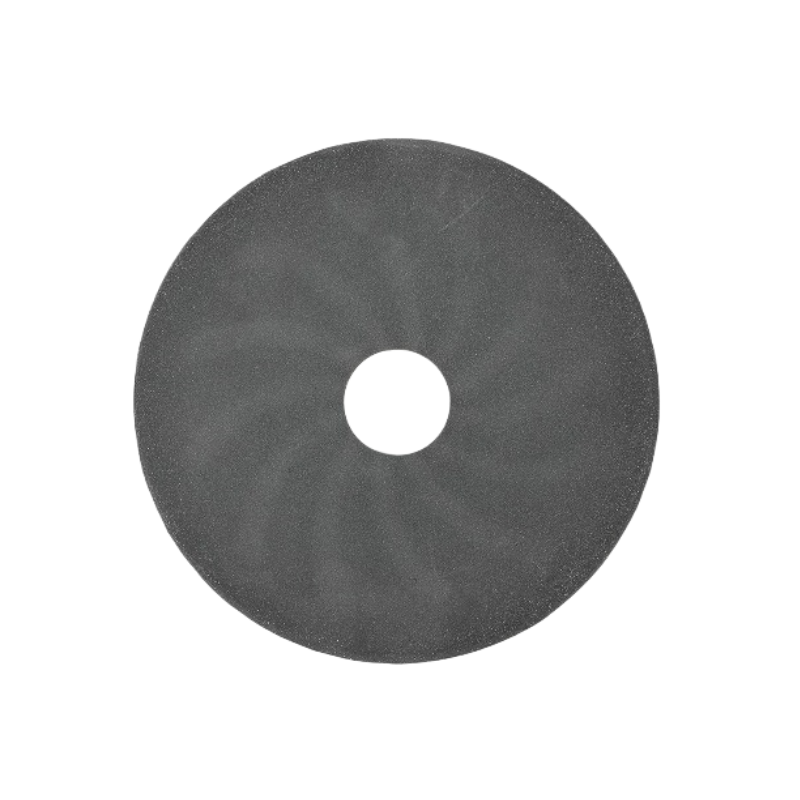
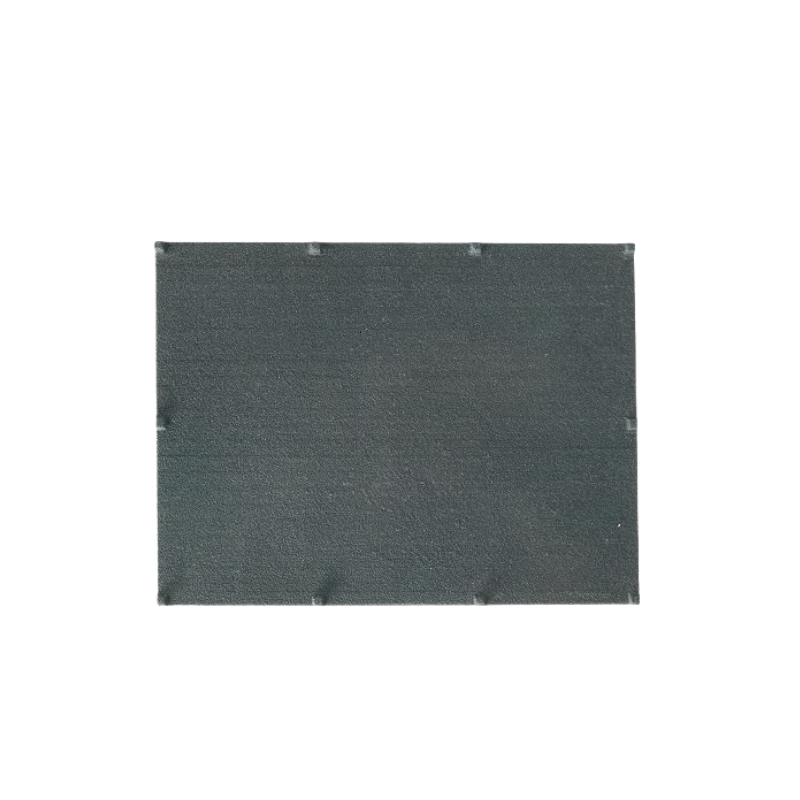
Selecting the right kiln furniture is crucial for achieving efficient production. Here is a systematic selection guide based on kiln type and performance parameters.
Part 1: Selection by Kiln Structure
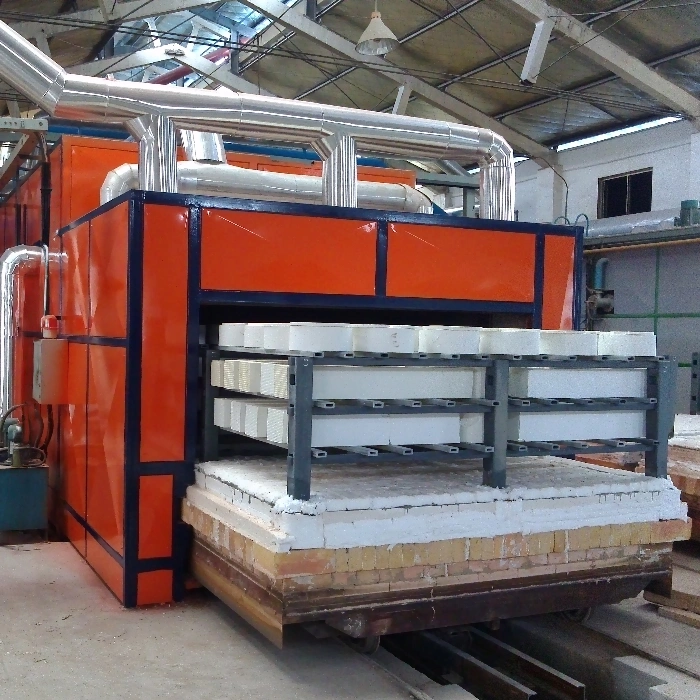
1. Shuttle Kiln
Core Need: Excellent thermal shock resistance.
Recommended Solution: recrystallized silicon carbide (RSiC) or silicon nitride bonded silicon carbide (NSiC) are the premier choices. They offer unparalleled ability to withstand rapid temperature changes during frequent firing cycles.
Key Considerations:
Mechanical Strength: Must withstand frequent loading/unloading and stacking pressures.
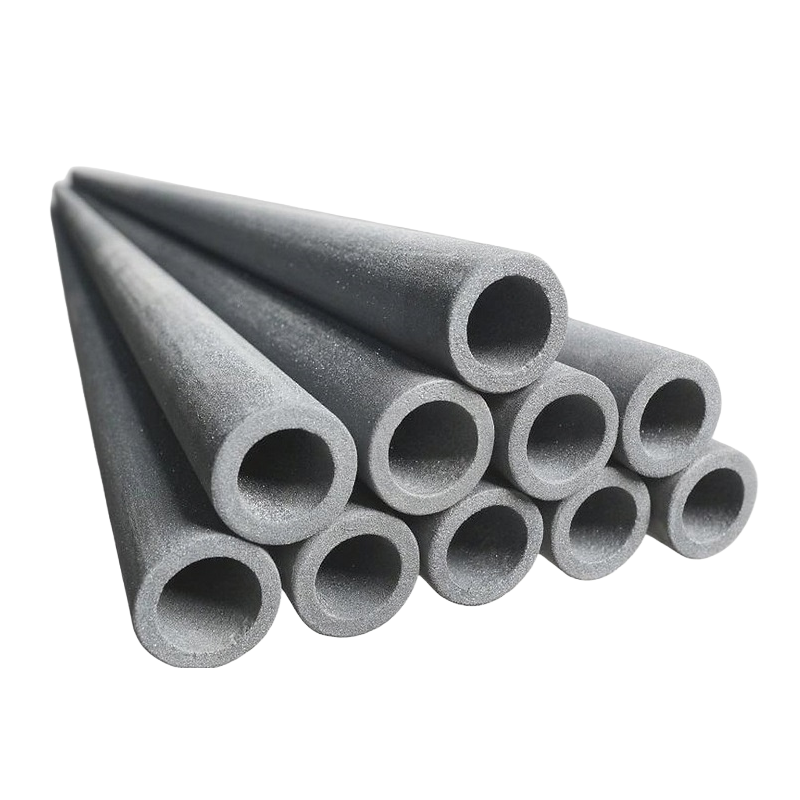
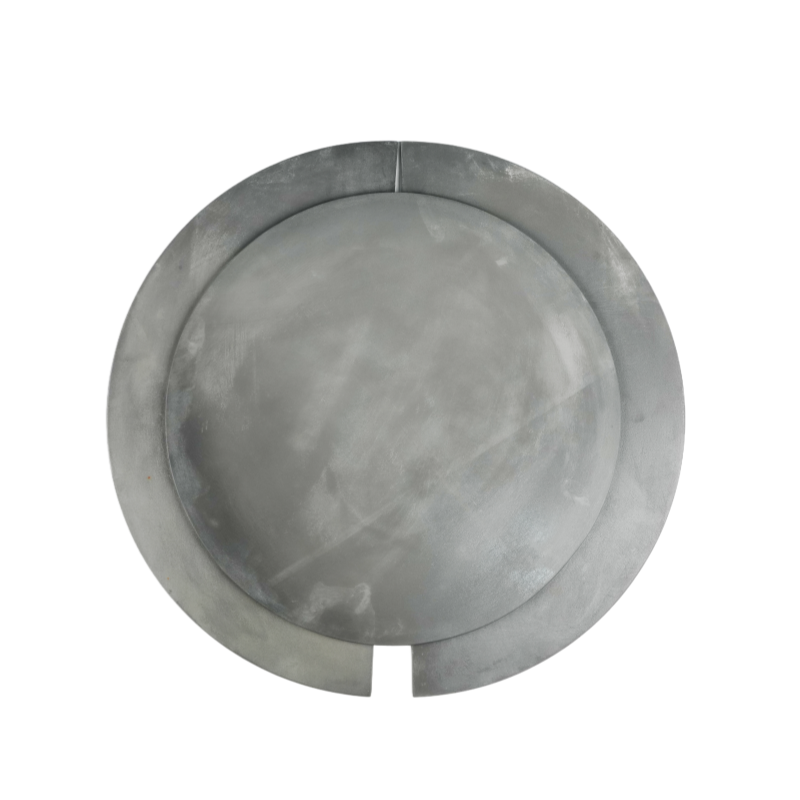
Lightweighting: Hollow pillars and thin slabs significantly reduce thermal mass, shortening cycle times and saving energy in this intermittent operation.
2. Tunnel Kiln
Core Need: High-temperature load-bearing strength and longevity.
Recommended Solution: reaction bonded silicon carbide (RBSiC) or recrystallized silicon carbide (RSiC) provide the necessary sustained strength under load.
Key Considerations:
Durability & Service Life: Choose materials resistant to wear and creep for continuous operation, ensuring minimal deformation over hundreds or thousands of hours.
Stability: The stacking structure on the kiln car must be extremely stable to withstand movement and vibration.
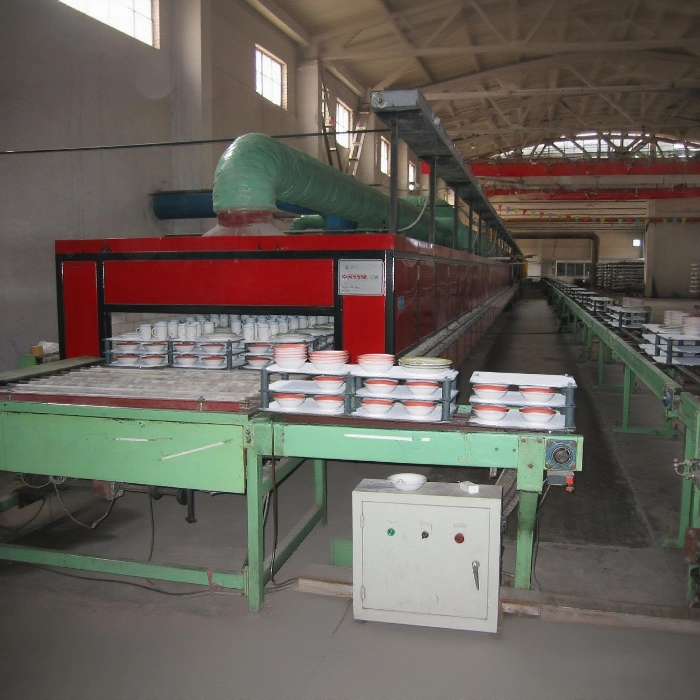
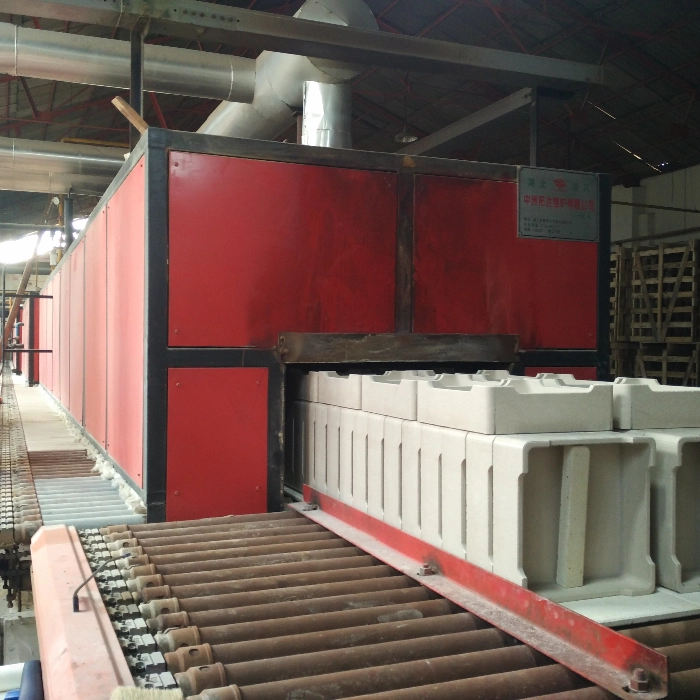
3. Roller Hearth Kiln
Core Need: Extreme lightweight and low thermal mass.
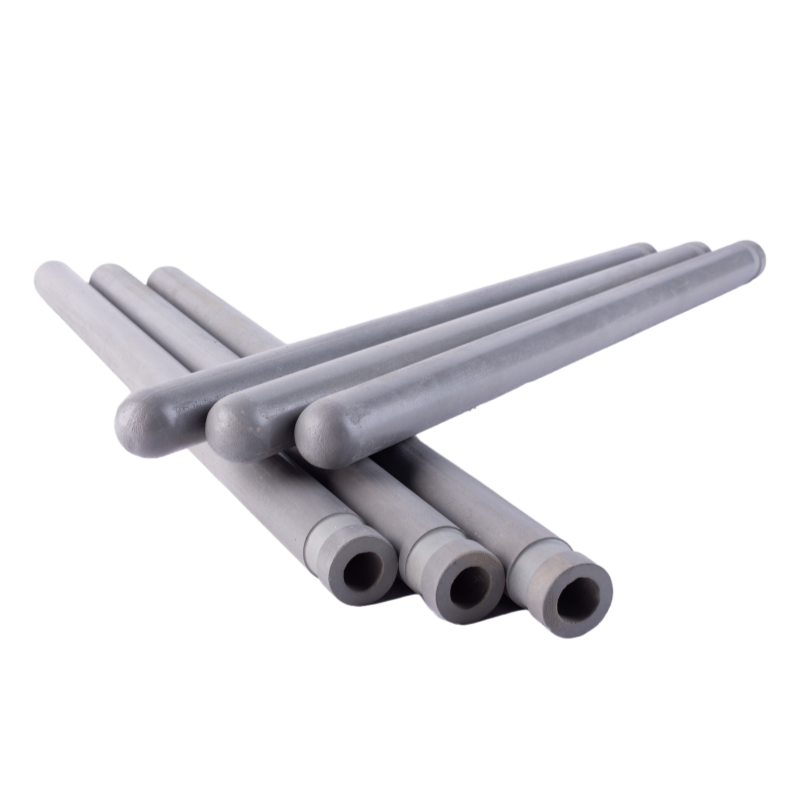
Recommended Solution: Thin silicon carbide setters or specialized ceramic fiber boards are common. Traditional posts-and-shelves are rarely used unless for special shapes.
Key Considerations:
Application Context: Used for pads, supports, or setters when firing unique shapes or protecting products.
Flatness: Requires extremely high flatness to ensure smooth travel on rollers without causing defects.
Part 2: Selection by Key Performance Parameters
Regardless of the kiln type, the following universal parameters guide the selection of kiln furniture:
1. Maximum Service Temperature
< 1350°C: Cordierite, mullite, or reaction bonded silicon carbide (RBSiC) offer cost-effective solutions.
1350°C - 1450°C: silicon nitride bonded silicon carbide (NSiC) demonstrates significant advantages, making it ideal for daily-use ceramics, sanitaryware, and Advanced Technical Ceramics.
> 1450°C: recrystallized silicon carbide (RSiC) is one of the few materials that maintains long-term stability at these extreme temperatures, especially suited for technical and electronic ceramics.
2. Thermal Shock Resistance
For kilns with frequent temperature cycles (e.g., Shuttle Kilns), this is the paramount metric. Recrystallized silicon carbide (RSiC) offers unmatched performance.
Reaction bonded silicon carbide (RBSiC) also provides excellent thermal shock resistance, though slightly less than the recrystallized grade under the most severe conditions.
3. Load-Bearing Strength
Assess the Load: Calculate the maximum stacking height and the total weight of the products.
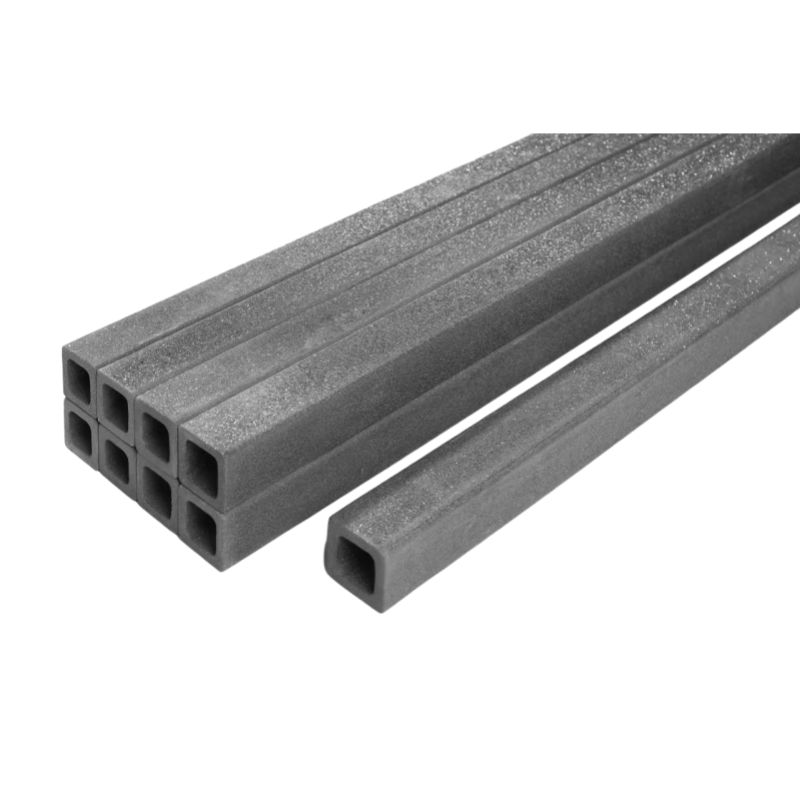
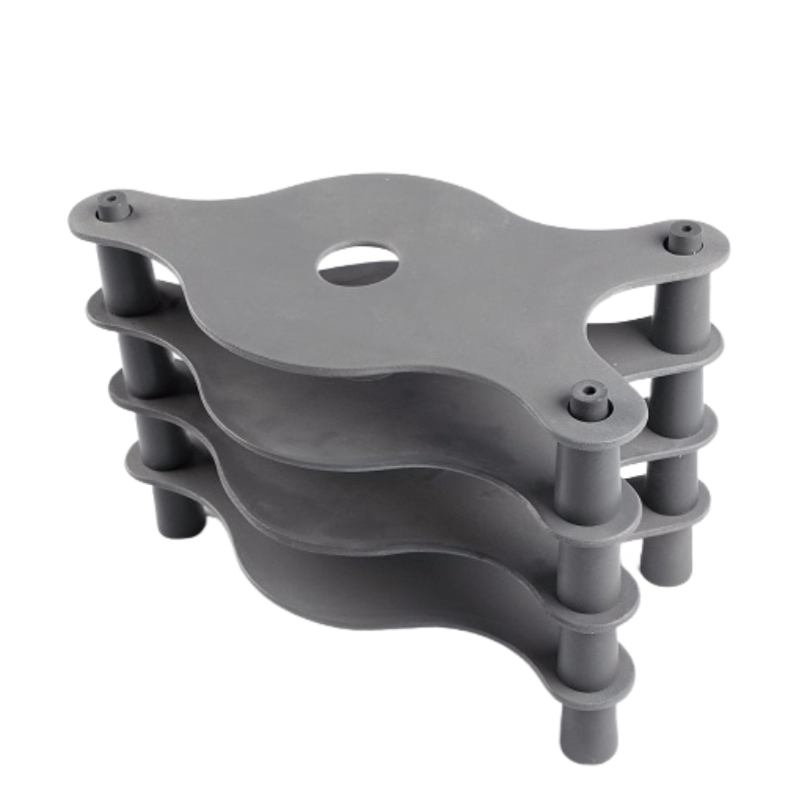
High-Strength Choice: Silicon carbide materials possess far superior cold and hot modulus of rupture compared to traditional refractories. For high stacking needs, a combination of hollow silicon carbide posts and silicon carbide shelves provides the most reliable support.
4. Chemical Compatibility
Ensure the kiln furniture material does not react with products, especially volatile glazes. Silicon carbide is chemically inert, but some specific glazes might interact at very high temperatures. Typically, Recrystallized silicon carbide (RSiC) slabs form a dense silica oxide layer that effectively prevents further reaction, ensuring product purity. This is critical when firing high-purity advanced technical ceramics.
Part 3: Selection Workflow Summary
Follow this logical process for a systematic selection of your kiln furniture:
Analyze Kiln Type & Process: Identify the core demand based on the kiln's operation mode.
Determine Temperature Requirement: Match the material's maximum service temperature to your firing curve.
Evaluate Mechanical & Thermal Needs: Prioritize strength for high stacks or thermal shock resistance for rapid cycling.
Verify Chemical Compatibility: Ensure suitability for your specific products and glazes.
Finalize Configuration: Choose the optimal combination of posts, shelves, and setters.
Conclusion
There is no universal "one-size-fits-all" kiln furniture. However, as this analysis shows, recrystallized silicon carbide (RSiC) has become the top-tier choice for adapting to most high-performance kilns (especially Shuttle Kilns and Tunnel Kilns), due to its combined excellence in high-temperature strength, thermal shock resistance, lightweight properties, and long service life. For demanding applications involving advanced technical ceramics or extreme conditions, RSiC, alongside silicon nitride bonded silicon carbide (NSiC) and reaction bonded silicon carbide (RBSiC) , provides a spectrum of high-performance solutions for modern kiln operations.
[Contact us to Inquire or Order] or [Call Our Hotline].
We can also accommodate your needs even for small quantity orders.Click Here to Visit Our Official Retail Site and Explore Product Details Now!——kilnshelves-sic.com
