

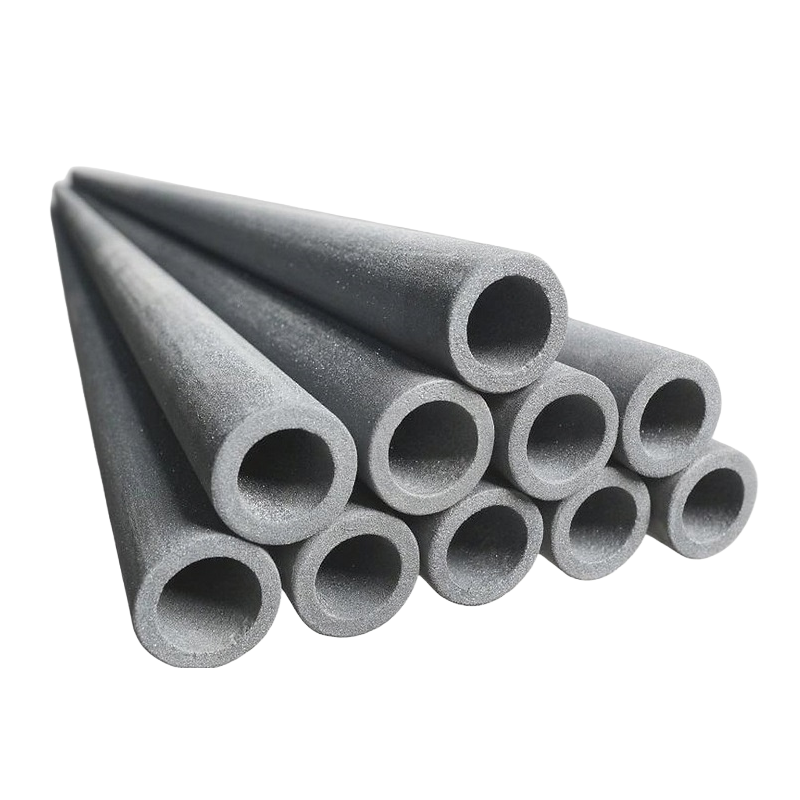
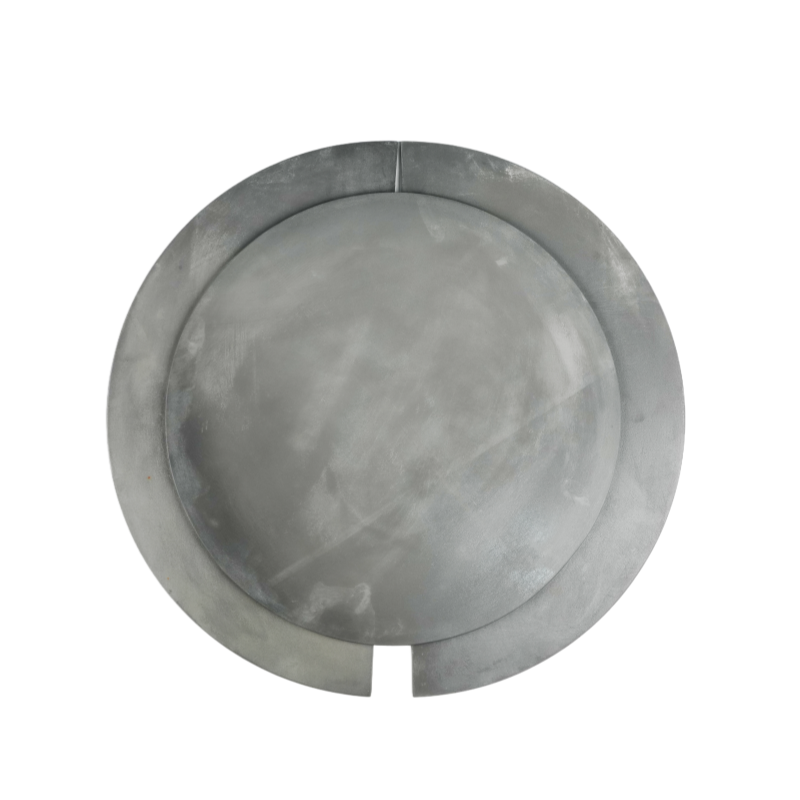
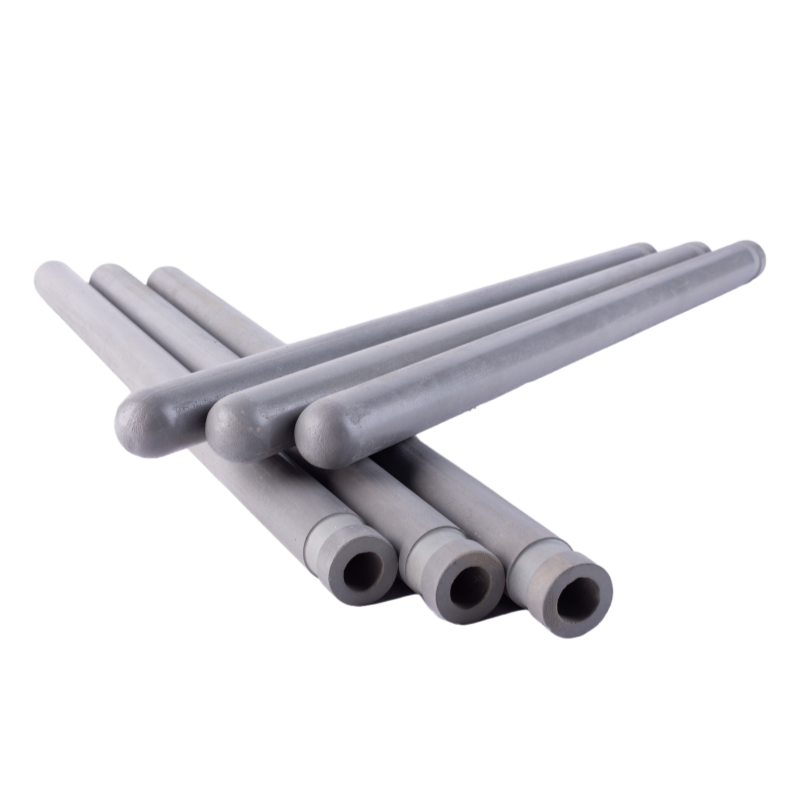
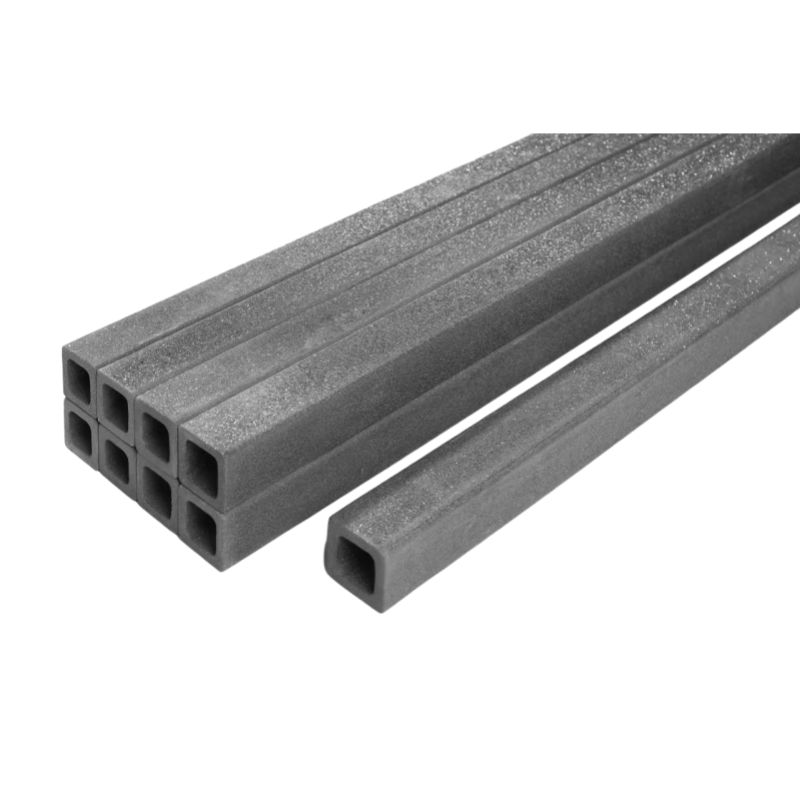
Two Main Technical Routes: Recrystallized SiC vs. Si₃N₄-Bonded SiC
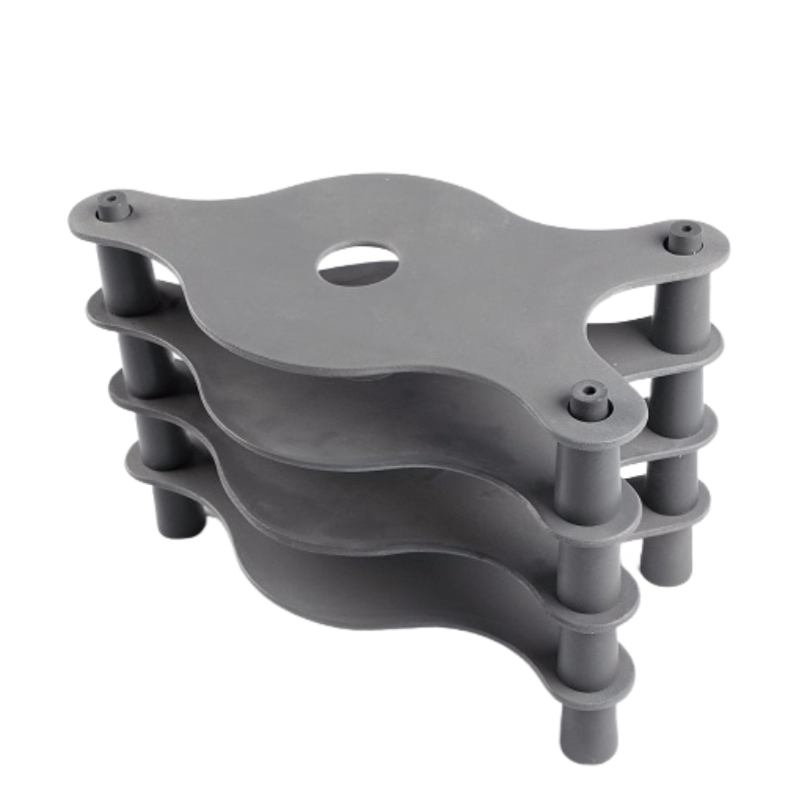
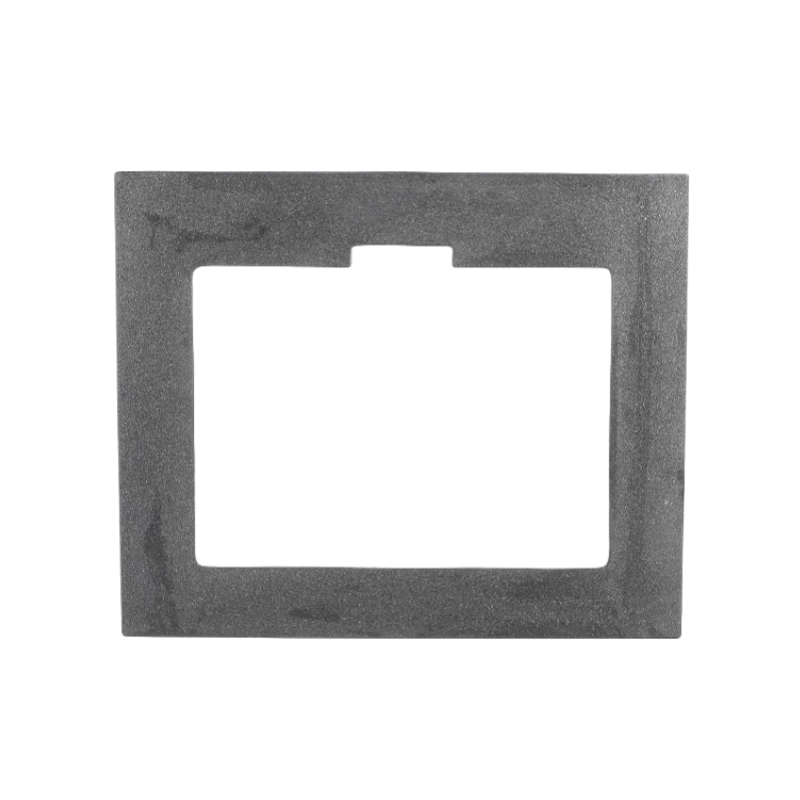
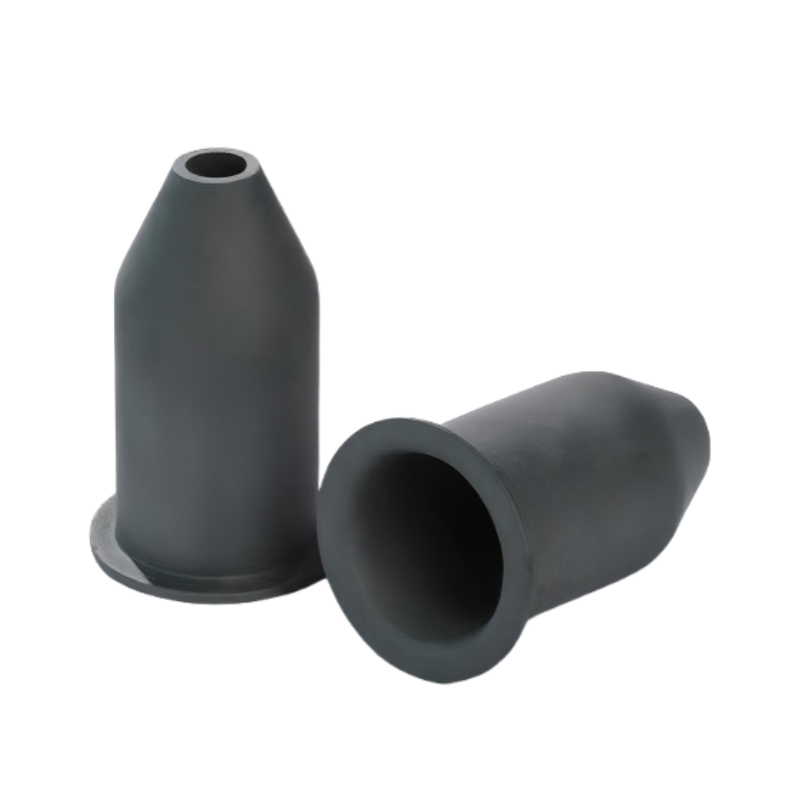
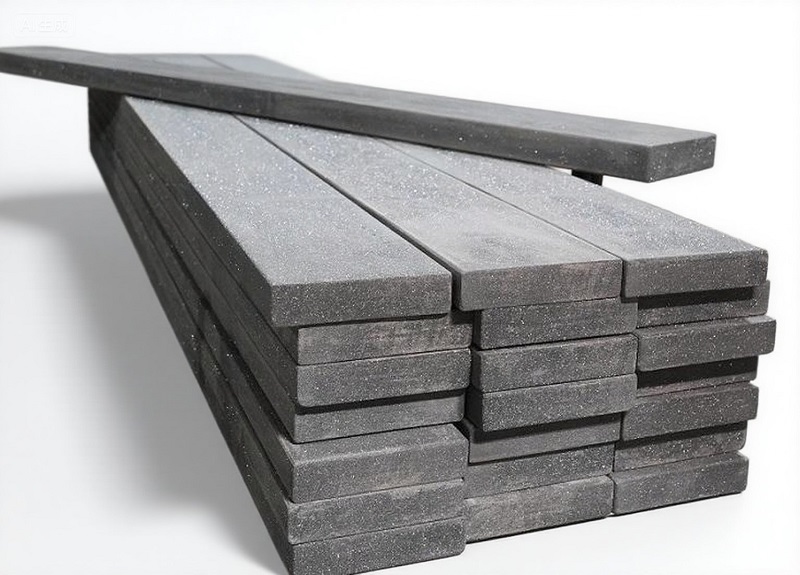
In practical applications, depending on process requirements, SiC kiln furniture mainly falls into two technical categories: recrystallized SiC and Si₃N₄-bonded SiC. While both belong to the SiC family, they differ significantly in microstructure and performance.
Recrystallized Silicon Carbide
Process characteristics:
Made from coarse α-SiC particles and sintered at ultra‑high temperatures (>2200°C) via an evaporation‑condensation mechanism, producing pure SiC with no additive or secondary phases.
Advantages:
Highest temperature capability: long-term service at 1600–1650°C; capable of even higher temperatures for short periods
Highest thermal conductivity among SiC‑based materials
Superior thermal shock resistance under rapid heating/cooling
High chemical purity: minimal volatile components due to the absence of low‑melting point phases
Limitations:
Relatively low fracture toughness (more sensitive to impact) and relatively high manufacturing cost.
Typical applications:
High‑end applications where temperature capability and purity are critical, e.g., photovoltaic silicon wafer sintering, electronic ceramic firing, specialty ceramics, and lithium‑ion battery material heat treatment.
Si₃N₄-Bonded Silicon Carbide
Process characteristics:
Silicon nitride (Si₃N₄) is formed in situ as a bonding phase between SiC grains, creating a SiC + Si₃N₄ composite structure.
Advantages:
Balanced strength and toughness: Si₃N₄ bonding improves fracture toughness and impact resistance
Good thermal shock resistance (though slightly lower than recrystallized SiC, still far superior to traditional materials)
Good oxidation resistance due to the SiO₂ layer formed on Si₃N₄
More economical than recrystallized SiC
Typical applications:
Sanitary ware firing, daily ceramics, metallurgical kiln furniture, and other medium‑ to high‑temperature structural applications where strength and toughness are more critical.
How to Choose: A Quick Comparison
| Performance Parameter | Recrystallized SiC | Si₃N₄-Bonded SiC |
|---|---|---|
| Max. service temperature | 1600–1650°C | 1400–1500°C |
| Thermal conductivity | Very high | High |
| Thermal shock resistance | Excellent | Good |
| Fracture toughness | Moderate | High |
| High‑temperature flexural strength | High | Medium‑High |
| Cost | High | Moderate |
| Typical applications | PV, electronic ceramics, Li‑ion materials | Sanitary ware, daily ceramics, metallurgy |
The choice depends on specific process conditions. If temperature capability, purity, and thermal efficiency are the primary concerns, recrystallized SiC is the better choice. For service temperatures below 1500°C and where impact resistance and toughness are more important, Si₃N₄-bonded SiC offers a more balanced performance‑to‑cost ratio.
Tangible Benefits of SiC Kiln Furniture
More and more manufacturers have validated the significant improvements achieved with SiC kiln furniture:
15–25% energy savings: High thermal conductivity + low heat capacity shorten firing cycles and reduce energy consumption per unit of production
3–8% improvement in yield: A more uniform temperature field reduces defects such as warping, cracking, and colour variation
3–5 times longer service life: Better high‑temperature stability means fewer replacements and less downtime
Drastically reduced maintenance frequency: Fewer kiln shutdowns for furniture replacement improve overall equipment effectiveness
Conclusion: An Upgrade – Not Just a Material Replacement
The evolution from cordierite to silicon carbide is more than a material substitution; it represents a renewed understanding of high‑temperature firing processes. With its outstanding combination of thermal conductivity, thermal shock resistance and high‑temperature strength, silicon carbide kiln furniture is fast becoming a standard for advanced firing processes.
Meanwhile, the two main technical routes – recrystallized SiC and Si₃N₄‑bonded SiC – offer manufacturers a choice of performance profiles. Neither is absolutely best; the right solution is the one that best fits each unique process.
As energy conservation becomes an industry consensus and product quality determines market competitiveness, upgrading kiln furniture is no longer optional – it is a necessity. SiC kiln furniture, with its irreplaceable value, is helping the high‑temperature industry move toward a greener, more efficient future.
