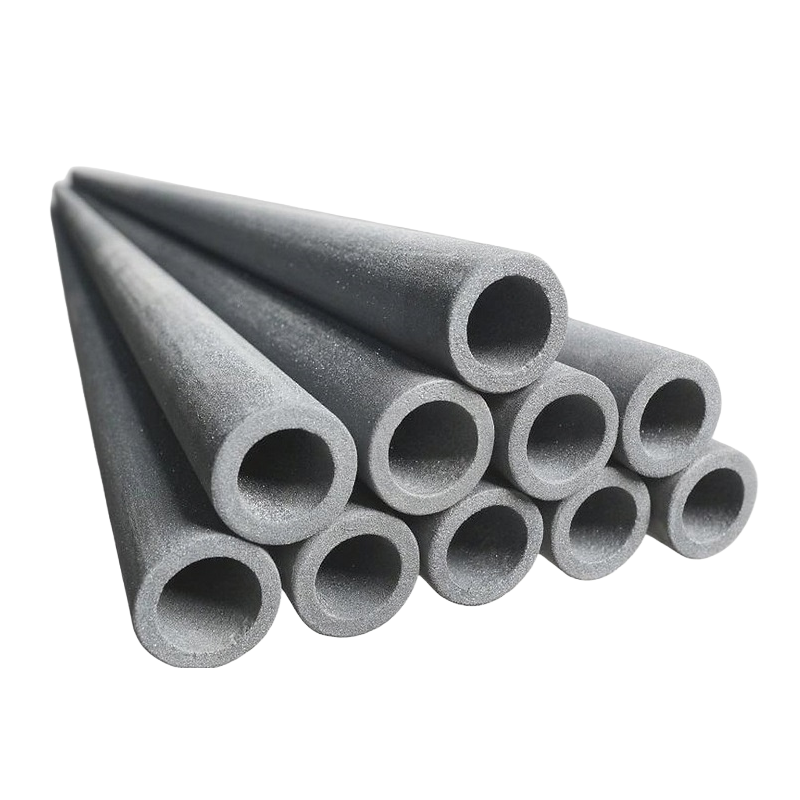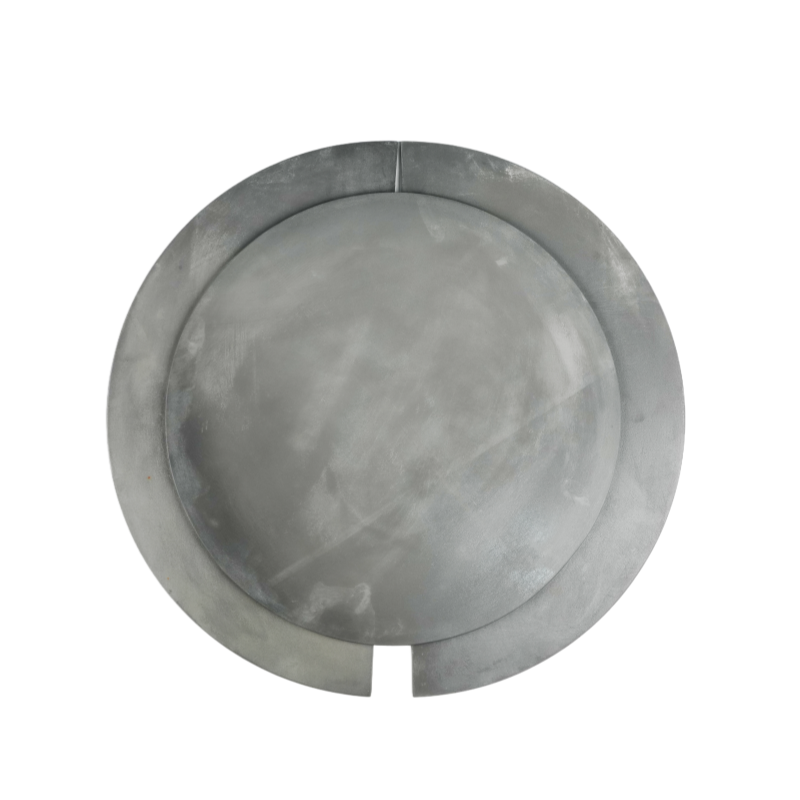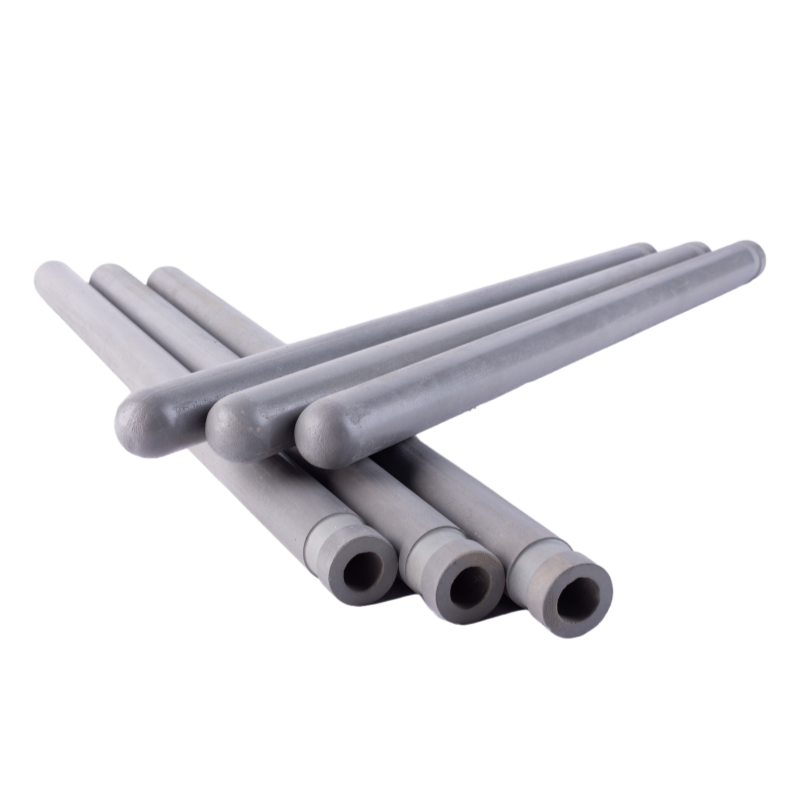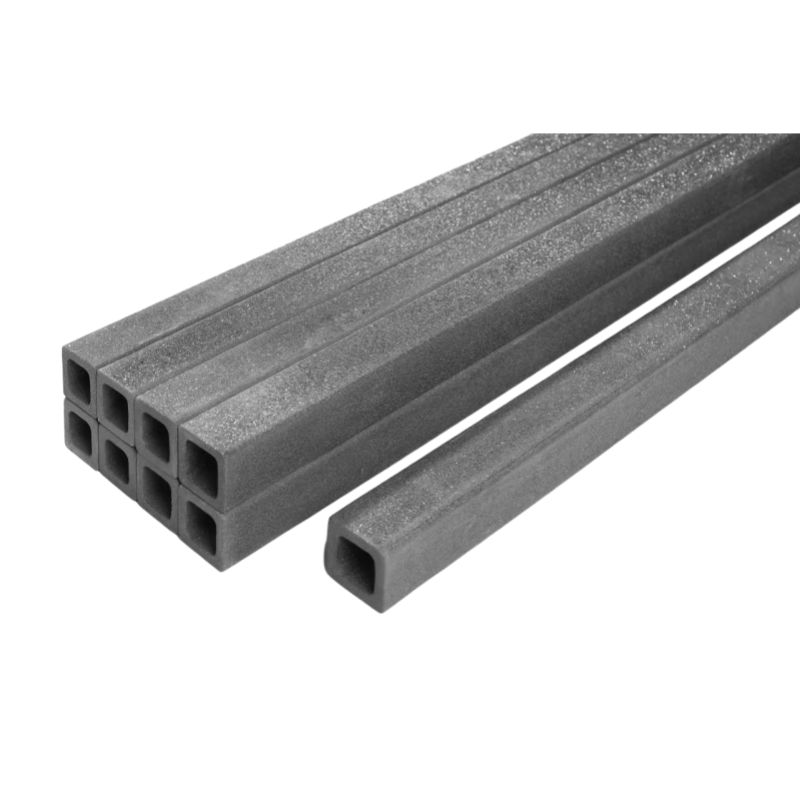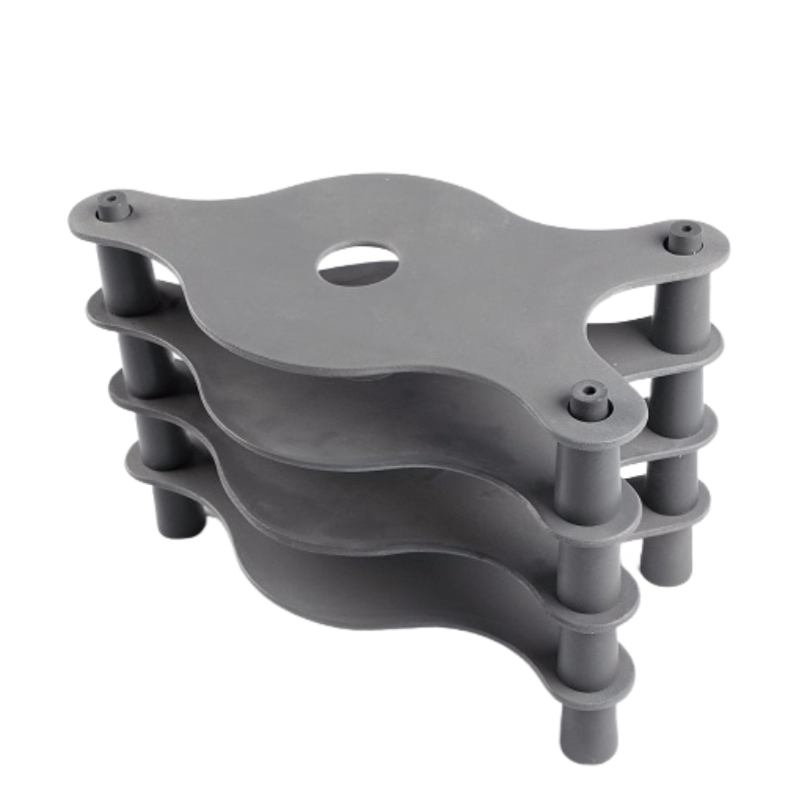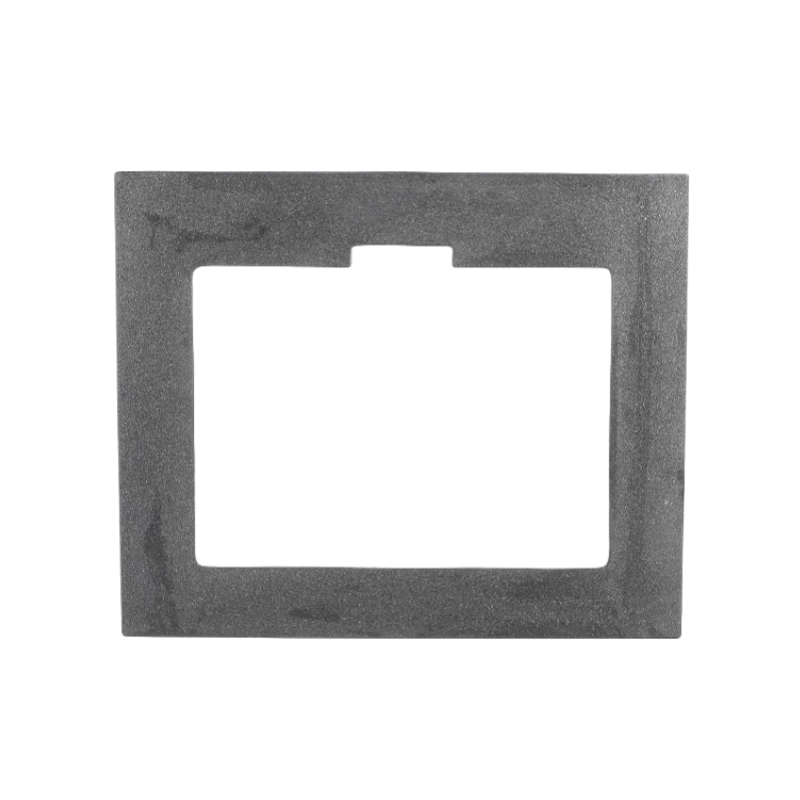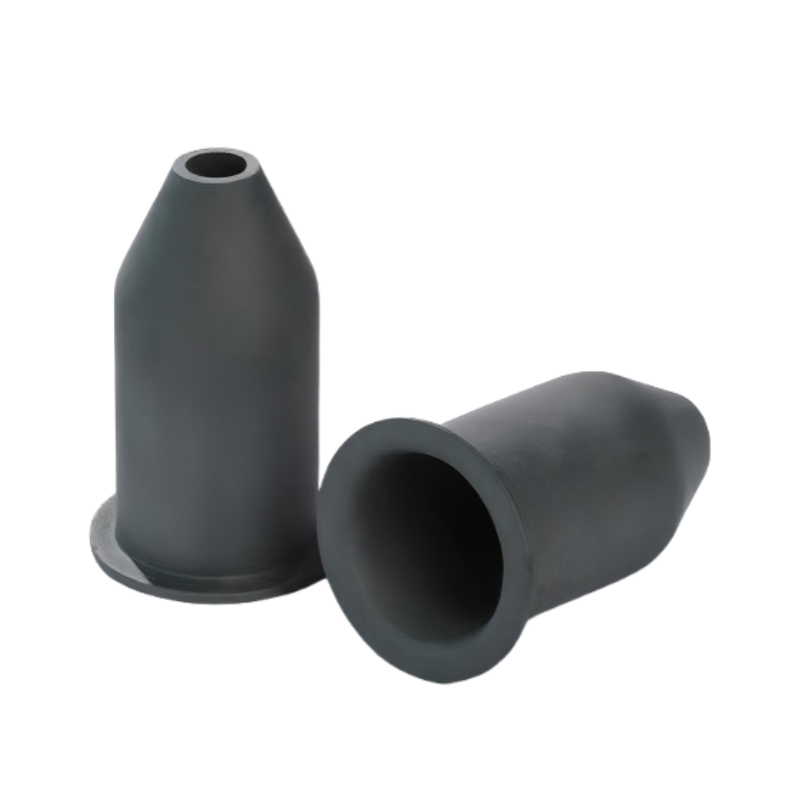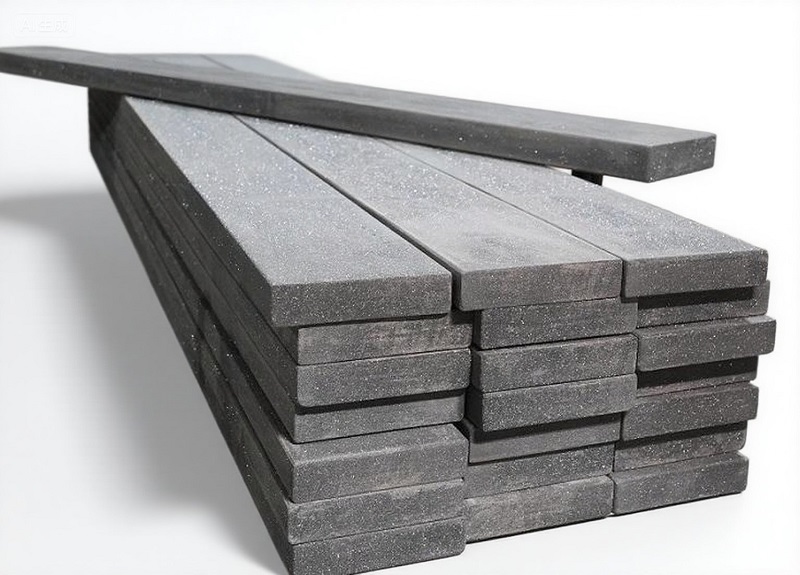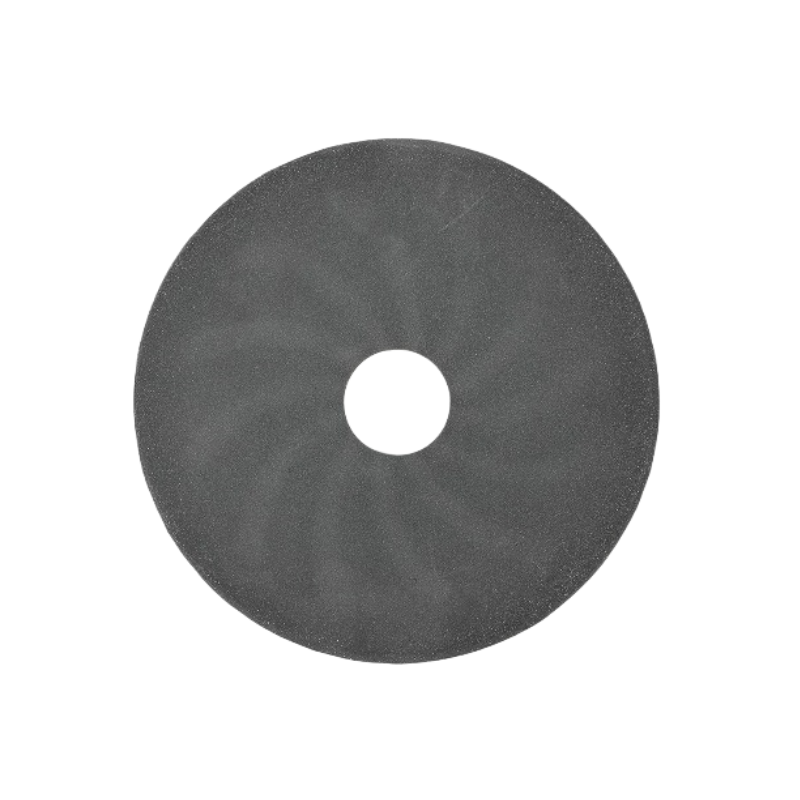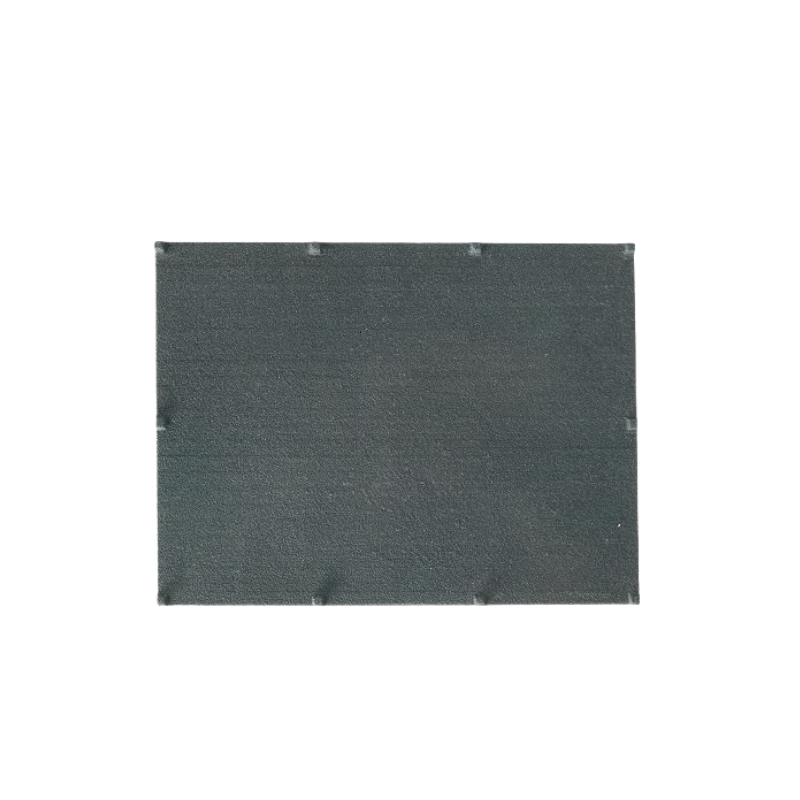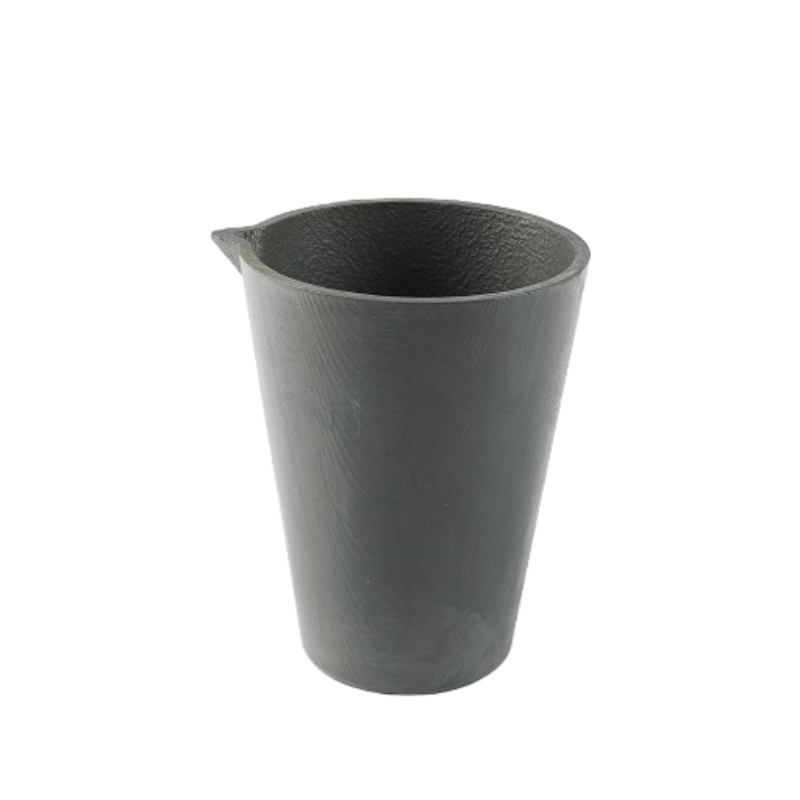
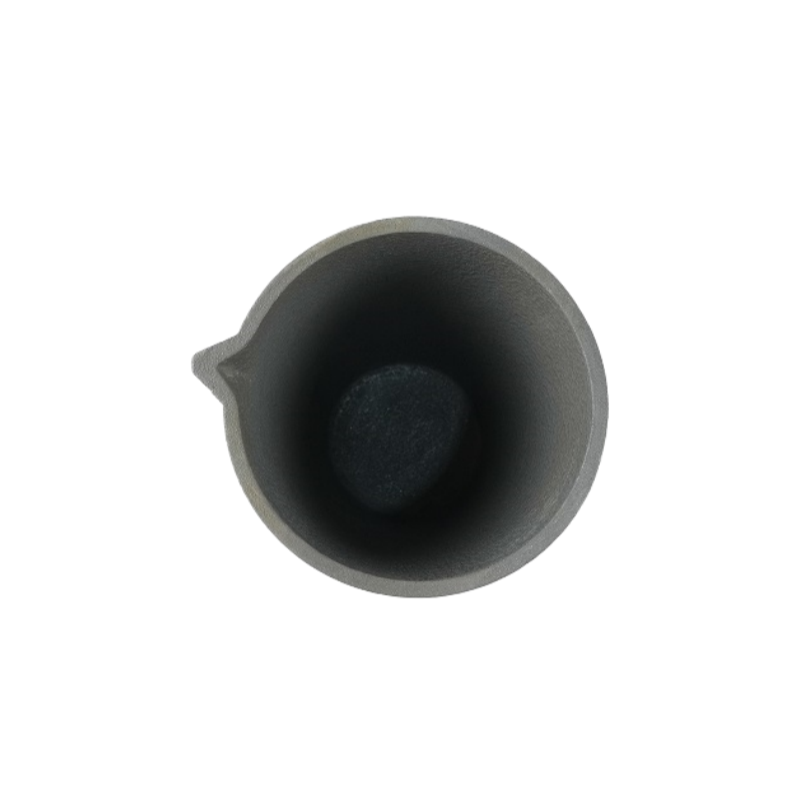
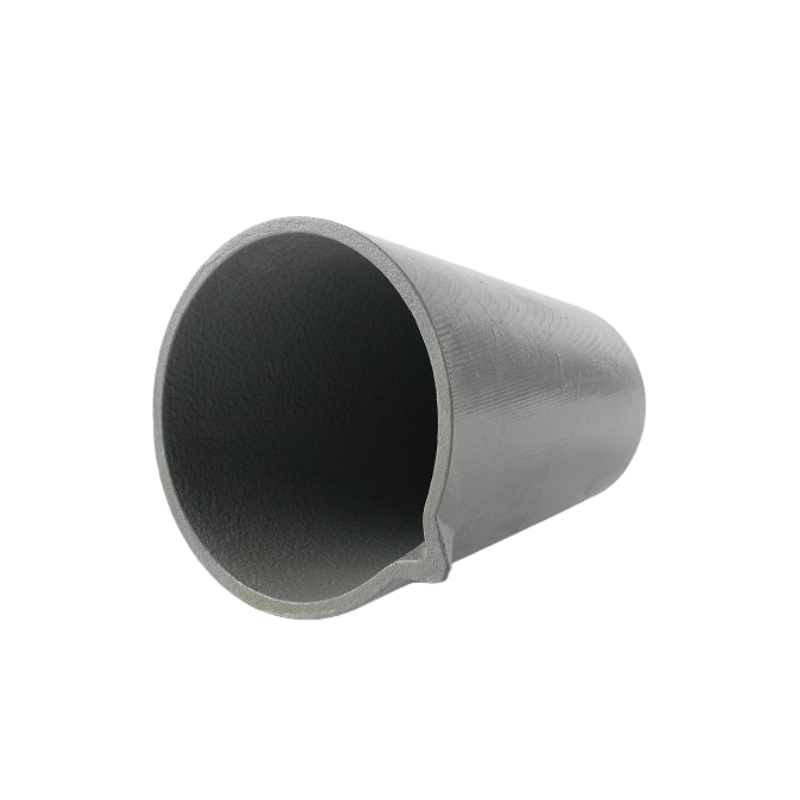
SiC Crucible High Temperature Resistance Corrosion Preventive
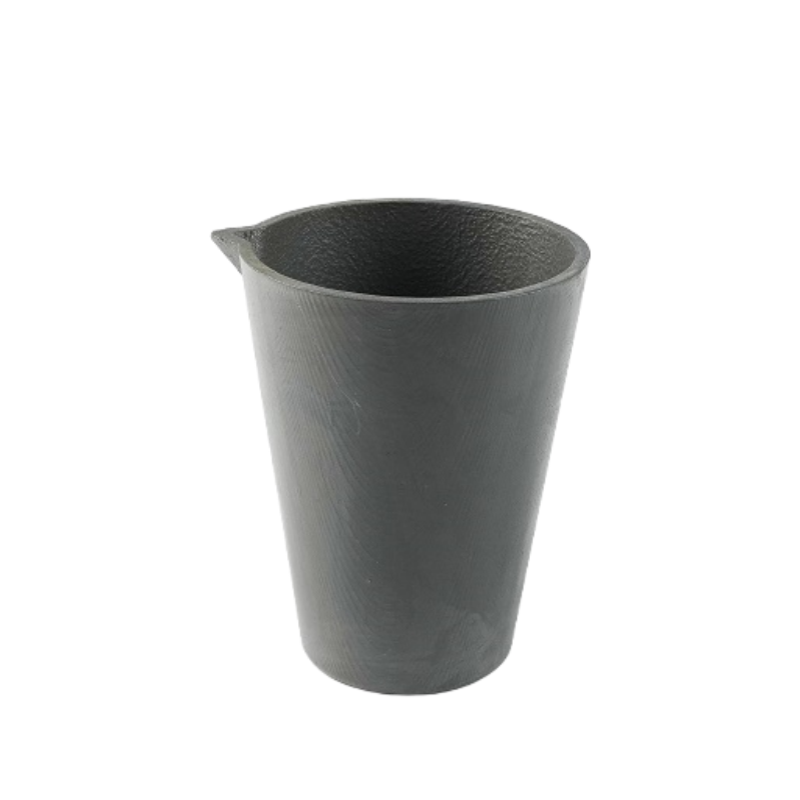
SiC crucible has high temperature resistance, resistance to rapid cooling and heating, not easy to crack, corrosion resistance, high purity, high hardness, and excellent thermal conductivity efficiency. SiC crucible is mainly divided into recrystallization crucible, reaction sintering crucible, silicon nitride combined with silicon carbide crucible, etc.SiC crucible is widely used in semiconductors, photovoltaics, metal smelting, etc.
FEATURES & BENEFITS
Performance characteristics of recrystallized silicon carbide crucible
Ultra high purity and high temperature resistance: free of impurities, can be used for a long time above 1800C. Excellent thermal conductivity: superior thermal conductivity compared to other types, corrosion resistance: extremely strong corrosion resistance to strong acids, alkalis, and metal melts (such as silicon and molten iron).
Disadvantages: Low strength: Due to high porosity, low mechanical strength, high brittleness: susceptible to mechanical impact damage.
Performance characteristics of silicon nitride combined with silicon carbide crucible:
High strength material and high toughness compensate for the brittleness of RSiC, with high bending strength and better oxidation resistance than RSiC. It has good thermal shock stability and resistance to rapid cooling and heating. Corrosion resistance, strong resistance to molten metals (such as aluminum and copper) and acidic slag.
Disadvantages: The long-term use temperature at high temperatures is 1450 ° C, NSiC crucible high temperature resistance is lower than that of recrystallized silicon carbide crucibles.
Performance characteristics of reaction sintered silicon carbide crucible:
High density: low porosity (<1%). High hardness, with a Mohs hardness of 9.5 and excellent wear resistance.
Disadvantages: high temperature resistance performance is limited, lower than RSiC and NSiC material crucibles, with poor corrosion resistance, and not suitable for strong alkaline environments.
MAIN PARAMETER
High Temperature Kiln Equipment Industry | RSiC | NSiC | RBSiC |
SiC Content (%) | ≥99% | 75% | ≥90% |
Si3N4 Content (%) | / | ≥25% | 5%-10% |
Bulk Density (g/cm3) | 2.65~2.75 | 2.73~2.83 | 3.02~3.07 |
Apparent Porosity (%) | <17 | <12 | <0.1 |
Room temperature strength (MPa) | 90~100 | 160~170 | 260~270 |
Strengthat 1300℃(MPa) | 100-110 | 170~180 | 280~290 |
Elasticity modulus at 20℃ | 240 | 250 | 330 |
Thermal Conductivity At 1200℃(W/mk) | 36 | 20 | 45 |
Thermal Expansion x10-6/℃ | 4.6 | 4.7 | 4.5 |
Max Using Temperature(℃) | 1650℃ | 1450℃ | 1350℃ |
Hardness At 20°C (Kg/mm2) | 2000 | 2500 | 2400 |
Fracture Toughness At 20°(MpaxM1/2) | 2.0 | 4.0 | 3.3 |
PRODUCT DETAIL
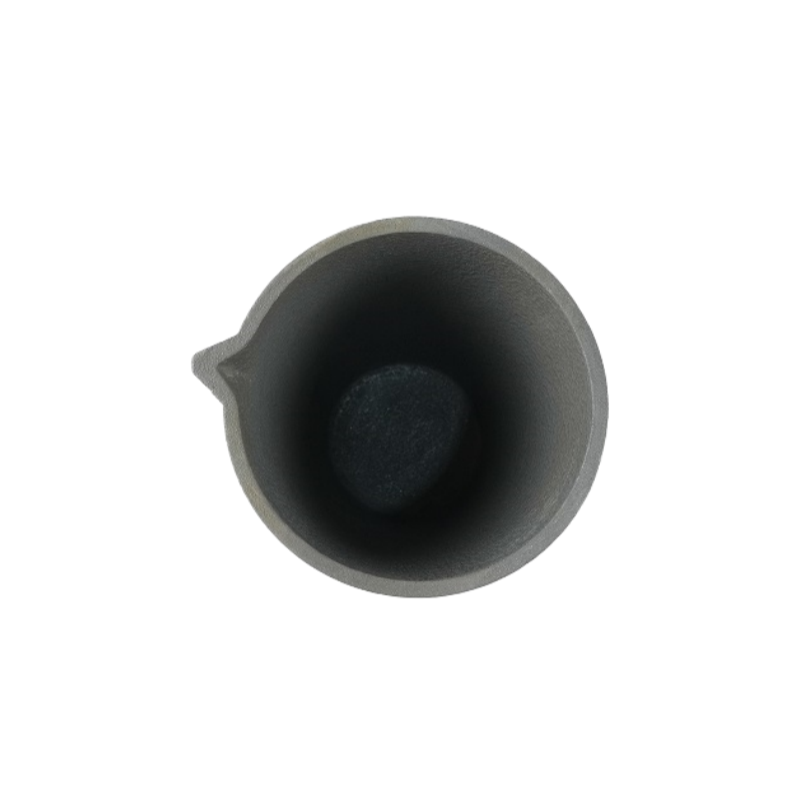
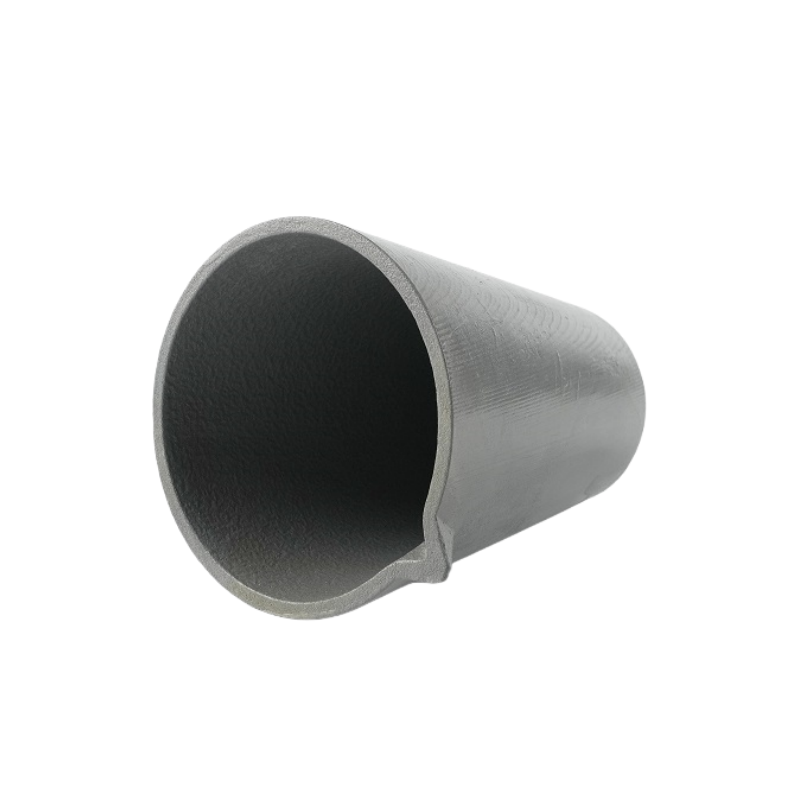
Different processes of silicon carbide crucibles have their own focuses, which need to be comprehensively selected according to specific working conditions (temperature, medium, mechanical load).
Choose Suggestions
High temperature (>1600 ℃) inert environment: choose RSiC (such as silicon single crystal growth).
Strong mechanical impact or oxidation environment: Choose NSiC (such as metal melting).
Low cost wear-resistant requirements: Choose RBSiC (such as nozzles, seals).
PACKING
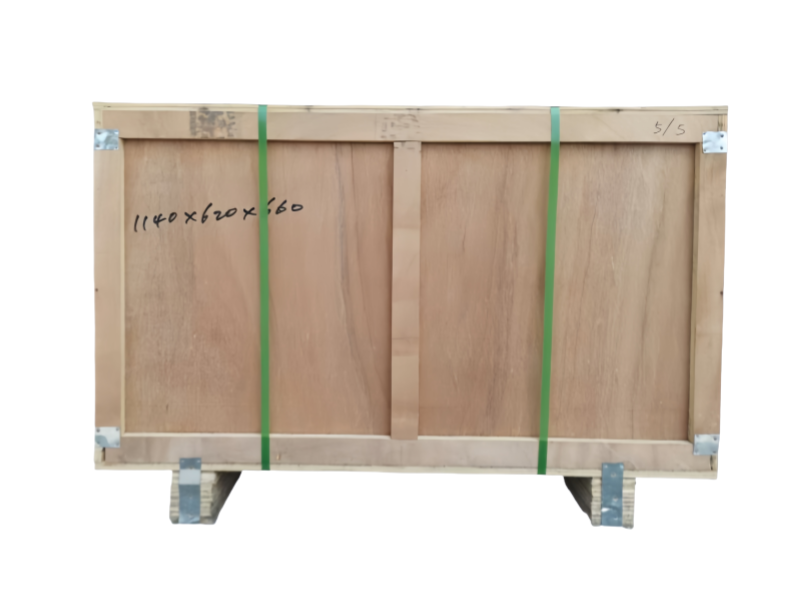
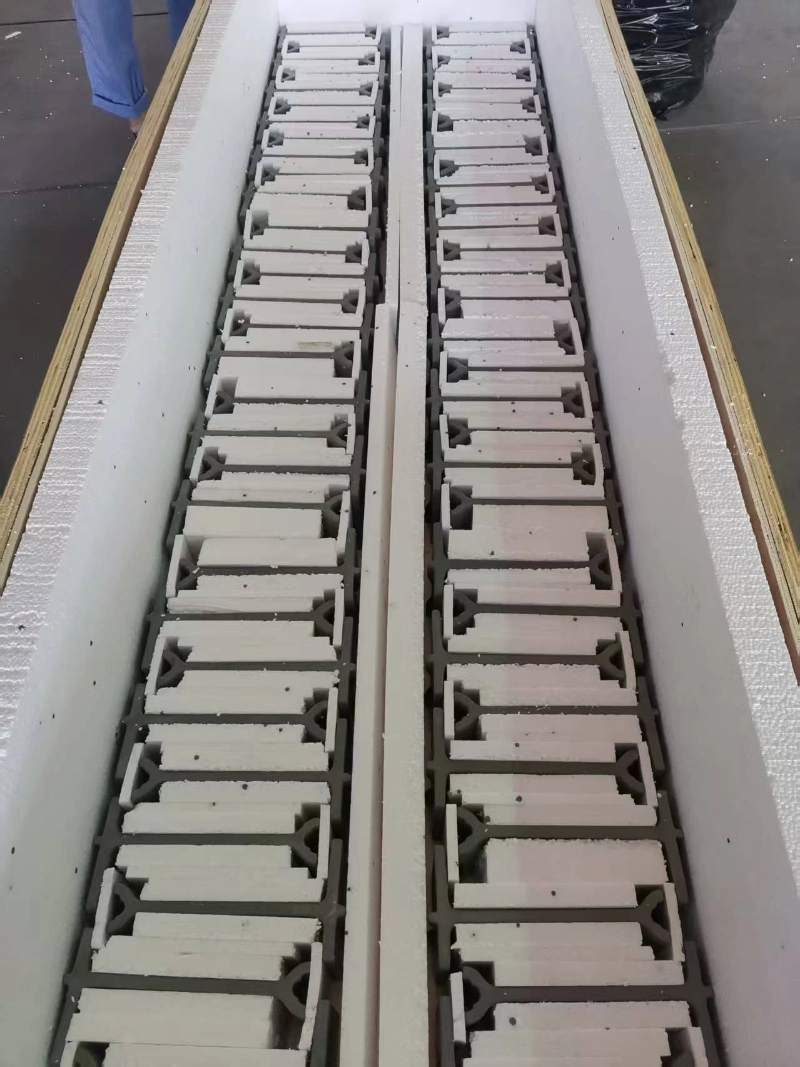
OUR SERVICE
1.24-hour Service: Multi time coverage to ensure timely response to global customers
2. Timed delivery: From sales to production, from quality control to logistics tracking, achieve timed and fixed-point delivery
3. Diversified Logistics Solutions: Integrating multiple transportation methods such as sea, air, and land, provide a one-stop logistics solution to ensure that goods arrive at their destination quickly and safely.